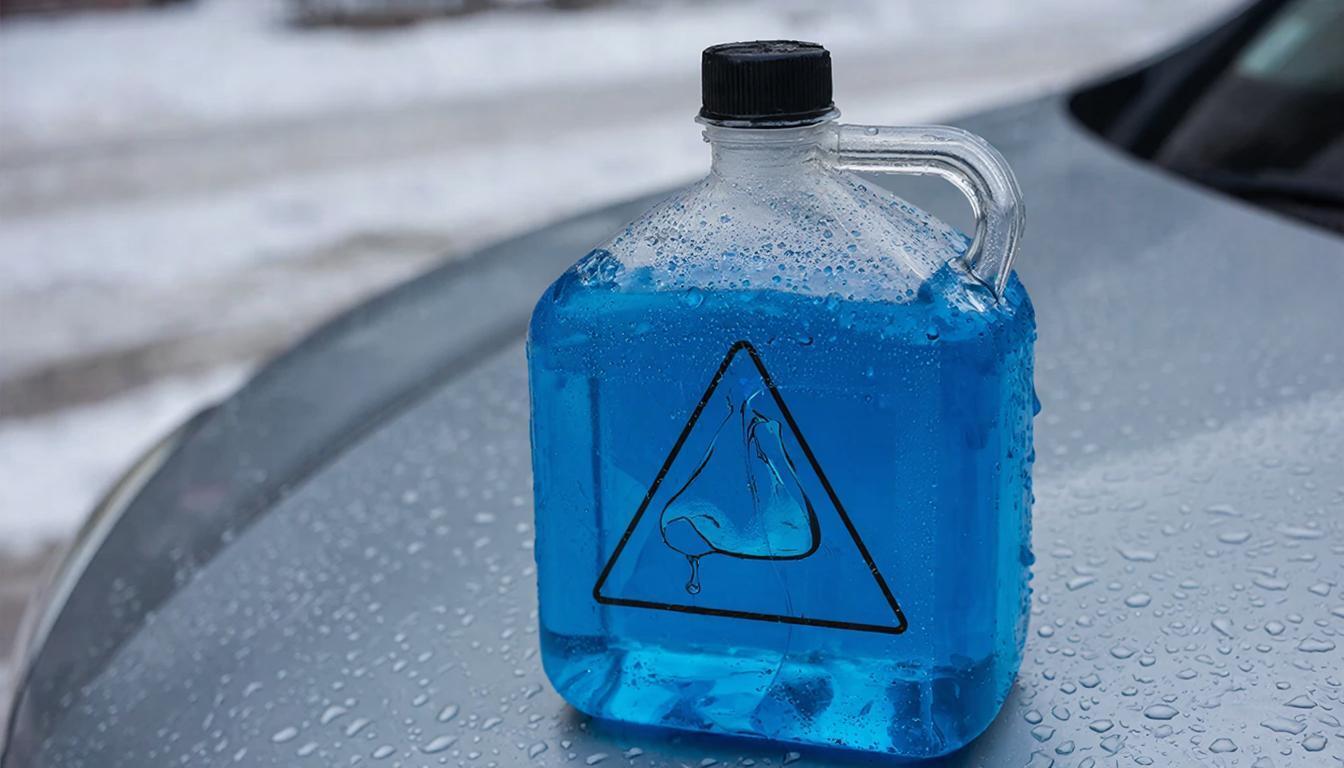
Antifreeze liquid sold in bottles on the roadside or from dubious sellers can cause severe poisoning. Elena Gorbacheva, deputy chief physician for therapy, general practitioner and pulmonologist at the Be Healthy clinic on Sretenka, told a Motor magazine correspondent about this.
“Methyl alcohol is a strong and dangerous poison for humans; its penetration into the body can occur by inhaling air saturated with its vapors. When methanol enters the body, it affects the nervous and cardiovascular systems, and has a particularly active effect on the optic nerve,” the doctor said.
The specialist added that signs of methanol poisoning may include nausea, vomiting, headache, dizziness, blurred vision, blindness, severe weakness, increased heart rate, increased blood pressure, respiratory failure, overexcitation, and loss of consciousness.
Poisoning by vapors of toxic washer fluid may not occur immediately, but after a certain period, when the so-called cumulative effect occurs. At the first signs of poisoning, you should immediately consult a doctor.
The most insidious sign of a fake antifreeze is the almost complete absence of odor, Gorbacheva recalled. If the liquid doesn’t smell like a familiar alcoholic smell or a strong chemical aroma (like isopropyl alcohol), there’s a good chance it’s methanol, she said.
Sometimes such liquid gives off a slight odor of formaldehyde when the canister is opened. In addition, blue dye is most often used for illegal products, as it is the cheapest, Gorbachev warned.
Previously, experts named three reasons why gearboxes began to break down frequently in 2026.