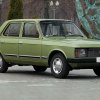
February 1986. At the Moscow Lenin Komsomol Plant (AZLK), the first production front-wheel drive car rolled off the assembly line, which was destined to become both a symbol of the hopes of the Soviet automobile industry and the main disappointment of the plant. The AZLK-2141 model, known for export as Aleko, celebrates its 40th anniversary today. We remember how this controversial hatchback was created, what was French in it and what was originally Muscovite, and why the car, which was ahead of its time in design, could not outrun its own factory problems.
By the beginning of the 1970s, the plant was actively working on replacement options for the family of rear-wheel drive models 408 and 412. Since by this time thousands of Zhiguli were being produced at the VAZ built in Tolyatti, it was planned to create a larger car for the Moscow automobile plant that would occupy a niche between the Zhiguli and the Volga.
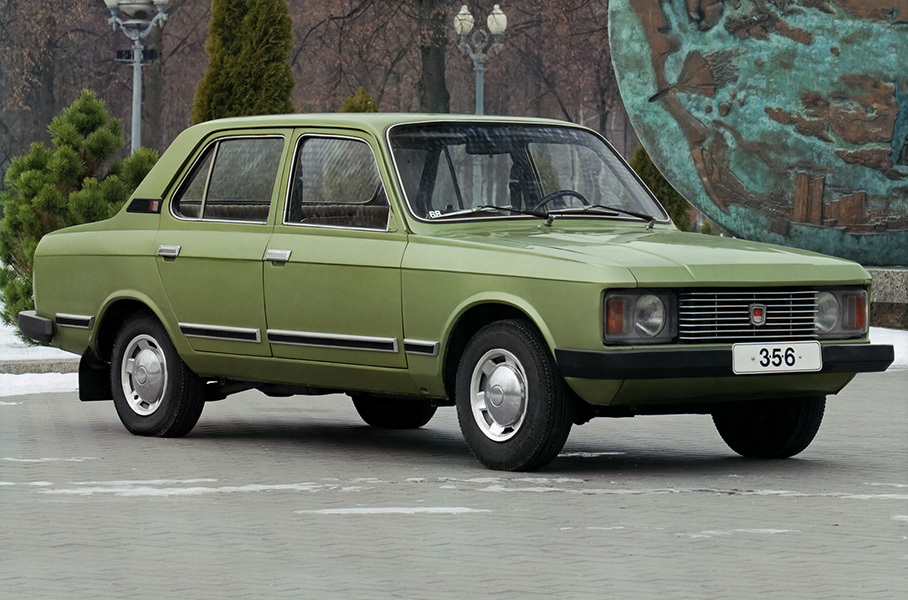
Moskvich series 3-5. Do you recognize the doors from the Volga?
The experimental Moskvich series 3-5 were similar to the previous ones both in silhouette and layout – longitudinally mounted engine and rear-wheel drive. As a result, this path was considered a dead end – designers and constructors began working on a completely new car.
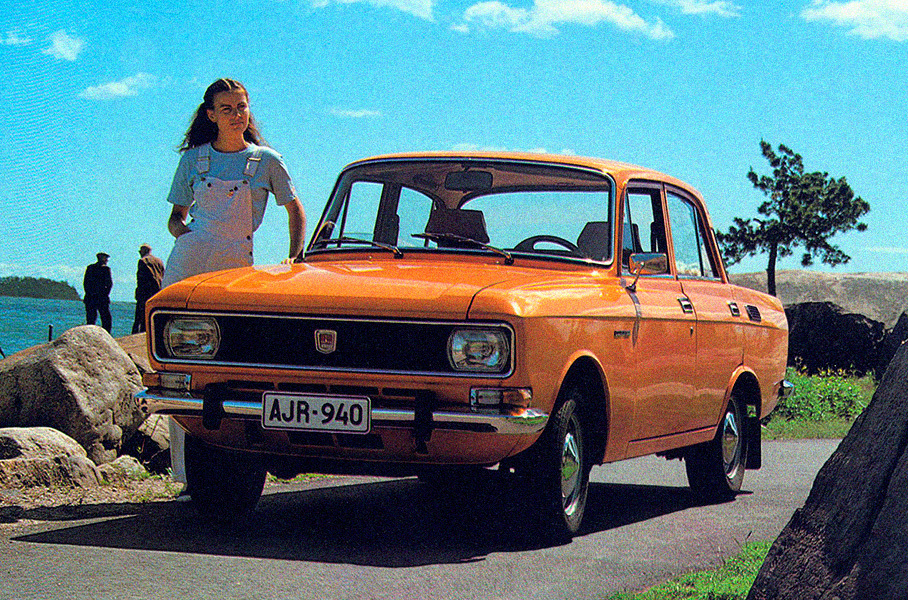 Moskvich-2140
Meanwhile, in January 1976, the Moskvich-2140 rolled off the AZLK assembly line, which was a restyled version of the 412 – with a different external design and a new interior. The units remained the same, and the interior received a soft front panel made of polyurethane foam covered with film – this material was exactly used on the prototypes of the 3-5 series. The production of the “fortieth” was completed in 1988.
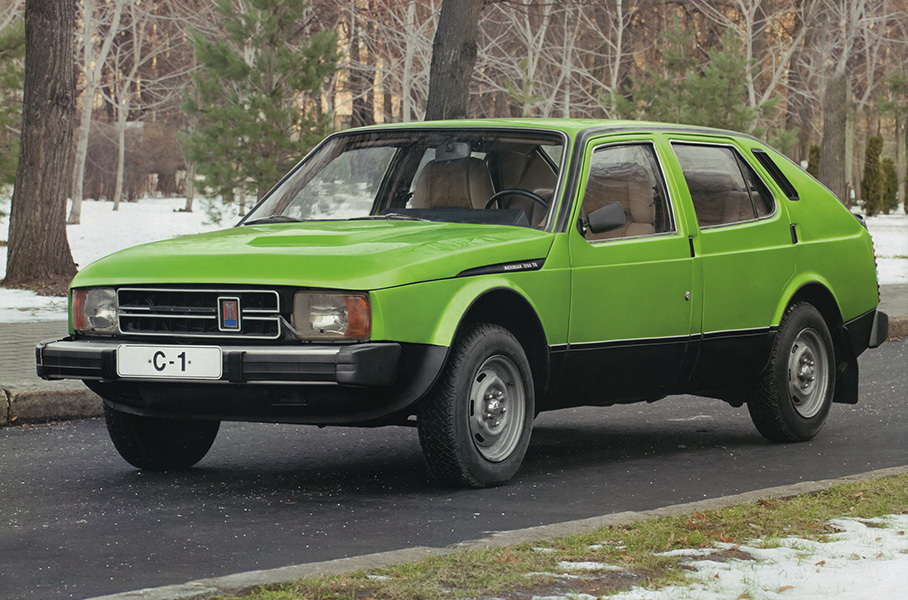 Experienced Moskvich S-1 1975
At the same time, work on the promising model continued as usual – at the beginning of 1975, a full-size mock-up of the Moskvich S-1 was ready, and by the end of the year the prototype, nicknamed the “crocodile Genoa” for its bright green color, was embodied in metal.
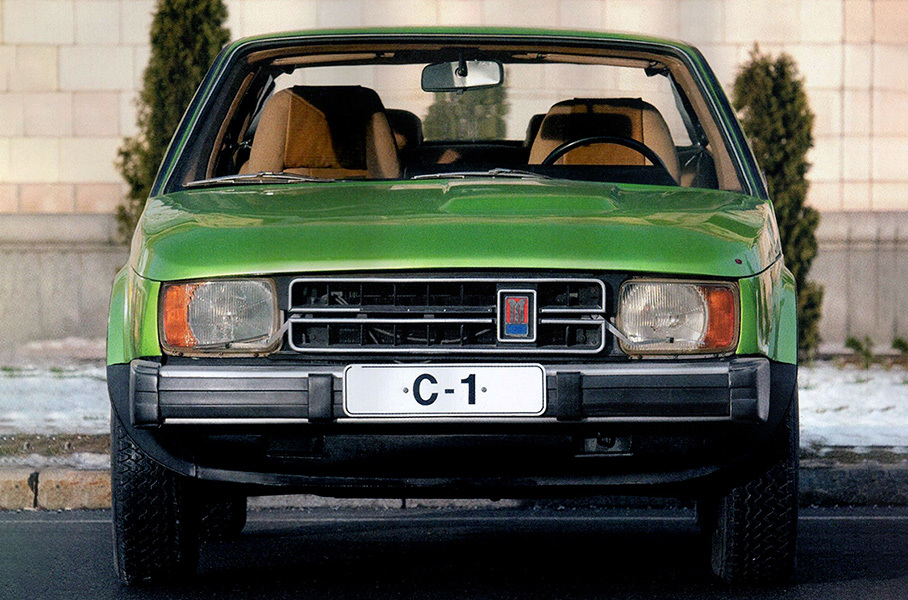
The layout remained rear-wheel drive, and under the hood of this car there was the same “four hundred and twelve” engine from the Ufa plant, with a high-mounted carburetor and a massive air filter. To make it fit in the engine compartment, a characteristic stamping was made on the left side of the hood.
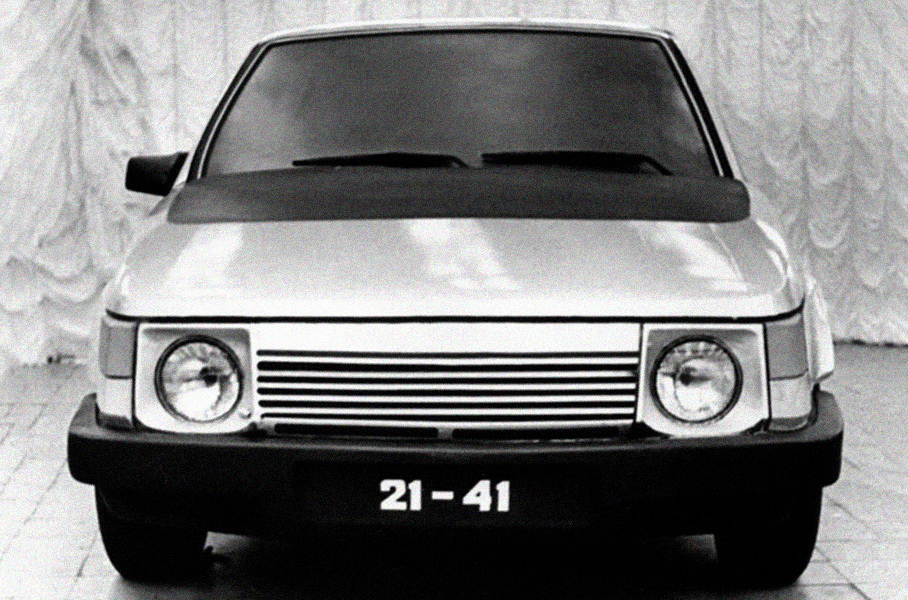 Experienced Moskvich-S-2, 1976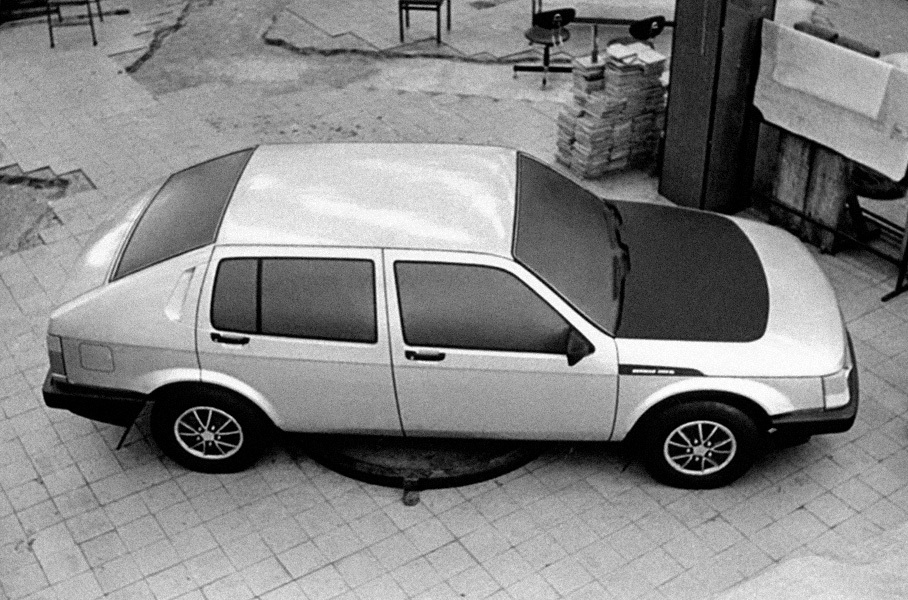
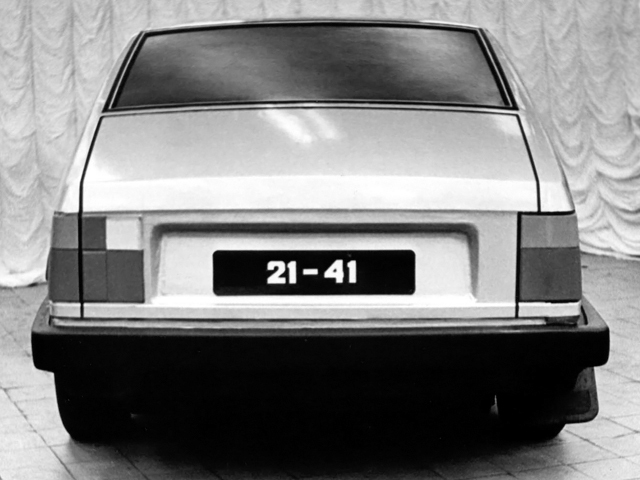
The second option, with a calmer design, was created only as a full-size mock-up in 1976 – no “live” prototypes of this machine were built.
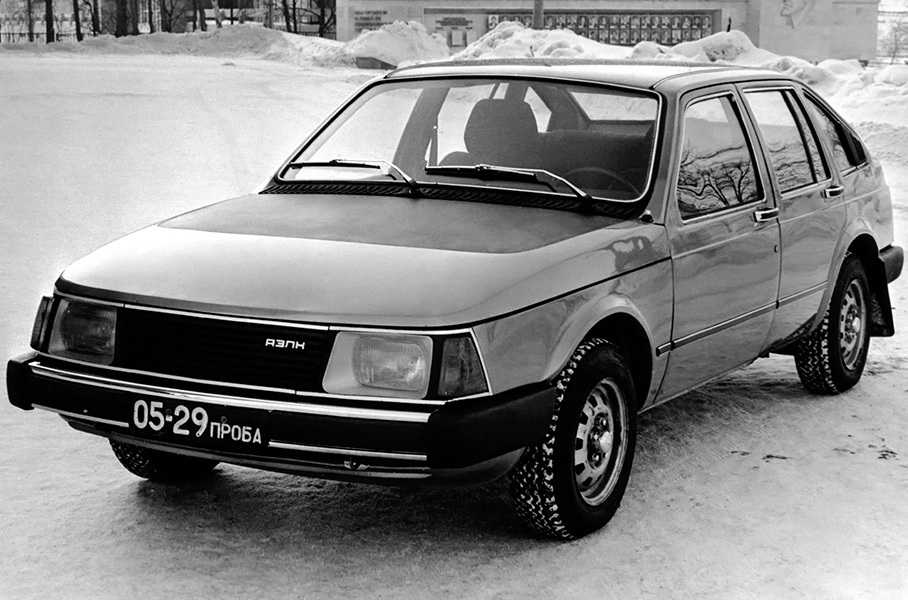 Moskvich-S-3, 1976
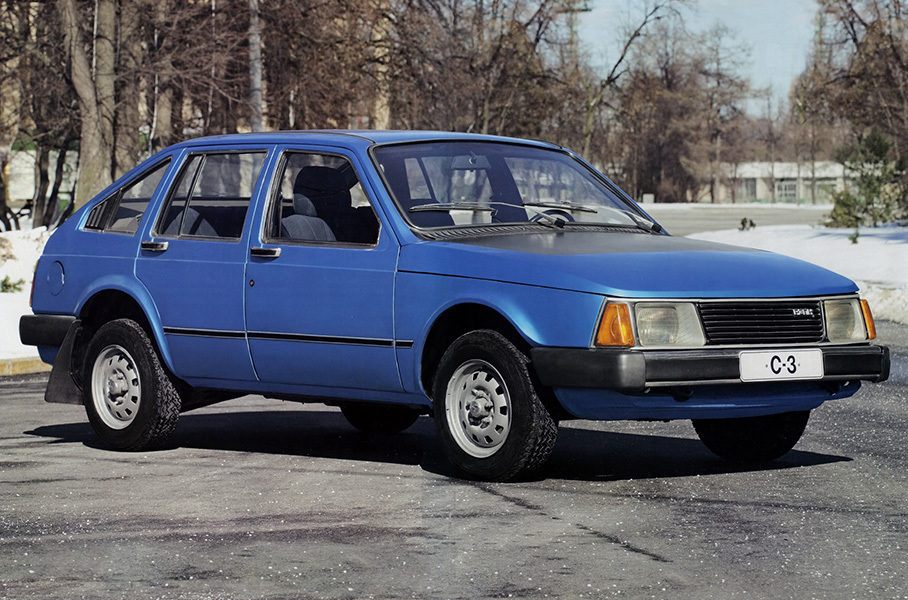
By the fall of 1976, the third design option for the future Moskvich was ready. The car with the C-3 index received, in addition to a different external design, a third pair of side windows after the rear doors – so that its silhouette looked less heavy.
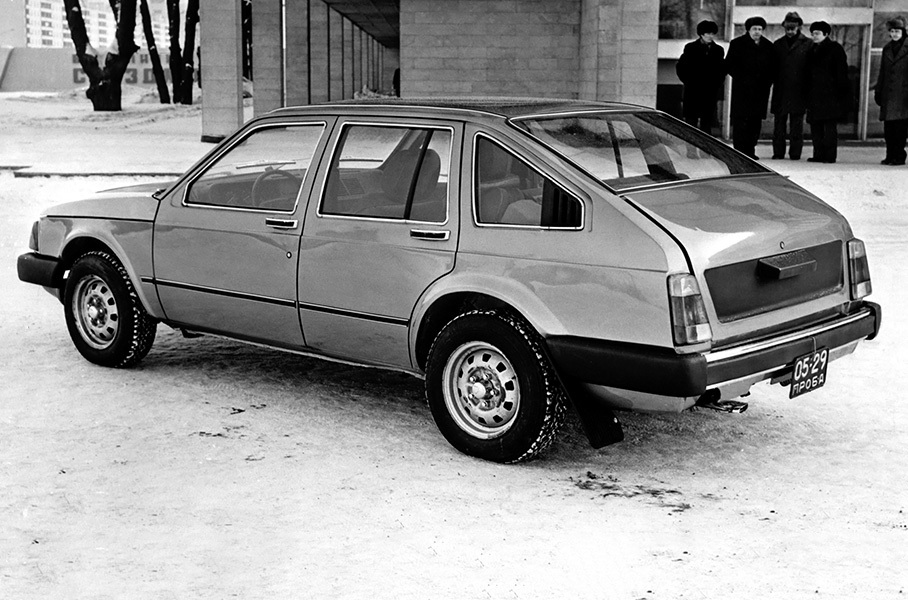
The design of the Moskvich S-3 series turned out to be original – it is difficult to find any foreign analogue for it from those times. However, it was not destined to become a serial model for administrative and bureaucratic reasons – “at the very top” they decided that the new Moskvich should be built on the basis of a foreign model.
As former chief designer of AZLK Igor Zaitsev, under whose leadership work on experimental models was carried out in the 1970s, recalled, such a team was “let down” from the Ministry of the Automotive Industry. They also made it clear that they wanted to see Talbot Simca 1308 as a prototype.
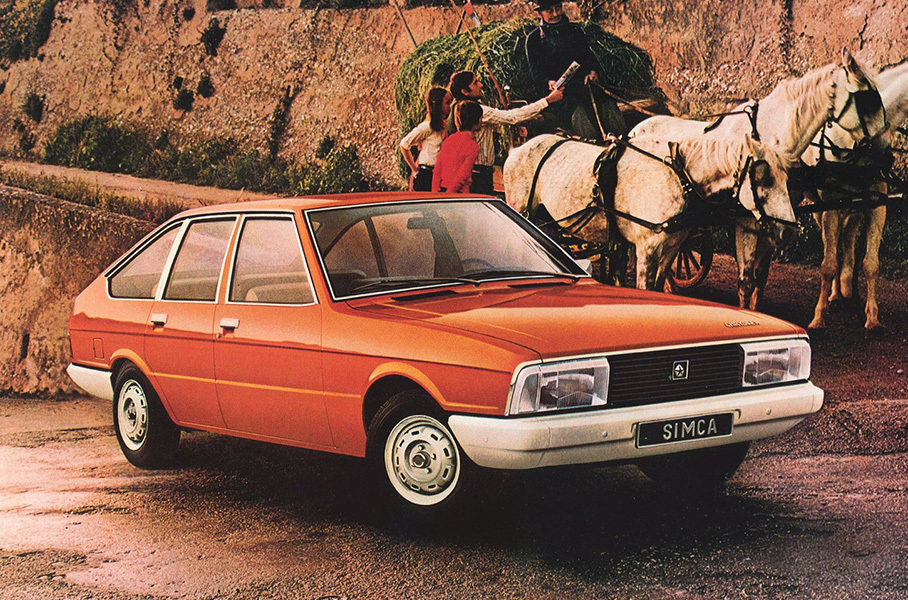 The Simca 1307 hatchback, depending on the engine, also had the indexes 1308 and 1309, and was sold as the Chrysler Alpine in the UK, Ireland and New Zealand, as the Dodge Alpine in Colombia and as the Chrysler 150 in Spain. After the European division of Chrysler came under the control of the PSA Peugeot-Citroen group, production continued under the name Talbot 1510 / Talbot Alpine / Talbot 150.
The Simca 1307−1308, developed by the European branch of the Chrysler Corporation, won the prestigious international competition Car of the Year, Car of the Year in Europe, in 1976. The same award was won in 1966 by the Fiat 124, which, after purchasing a license and building a plant in Tolyatti, became the well-known “unit” or “penny” – the VAZ-2101.
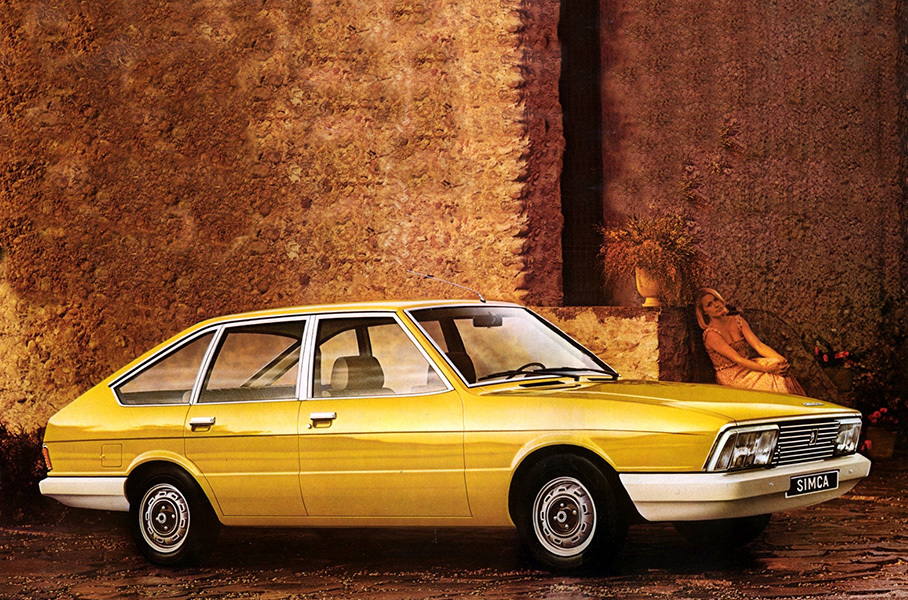 Simca 1307 was larger than the Zhiguli. Among the model’s competitors, among others, was the very first Volkswagen Passat, with which we [познакомились](https://motor.ru/testdrives/updpassat19.htm) before testing the latest generation
The Simka engine is located transversely, the front suspension is torsion bar with wishbones. In the production Moskvich, more progressive McPherson struts were used at the front, and the engine was mounted longitudinally.
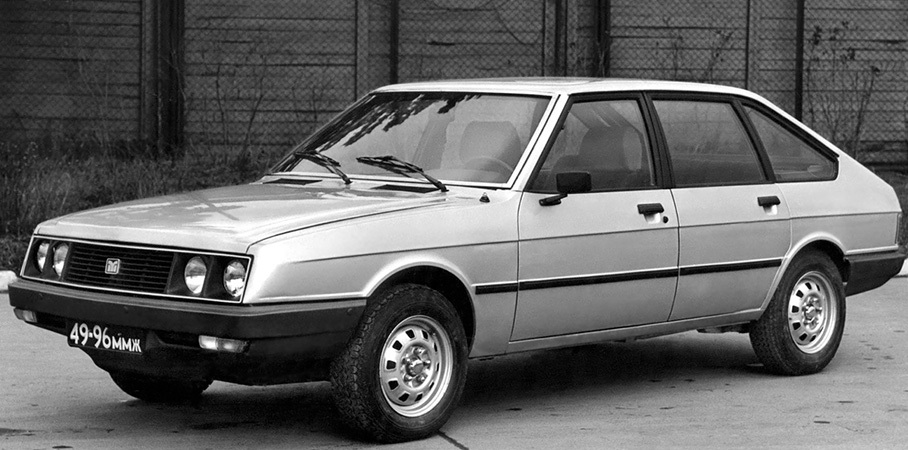 Running model of Moskvich-2141, which was nicknamed “Maksimka” at the factory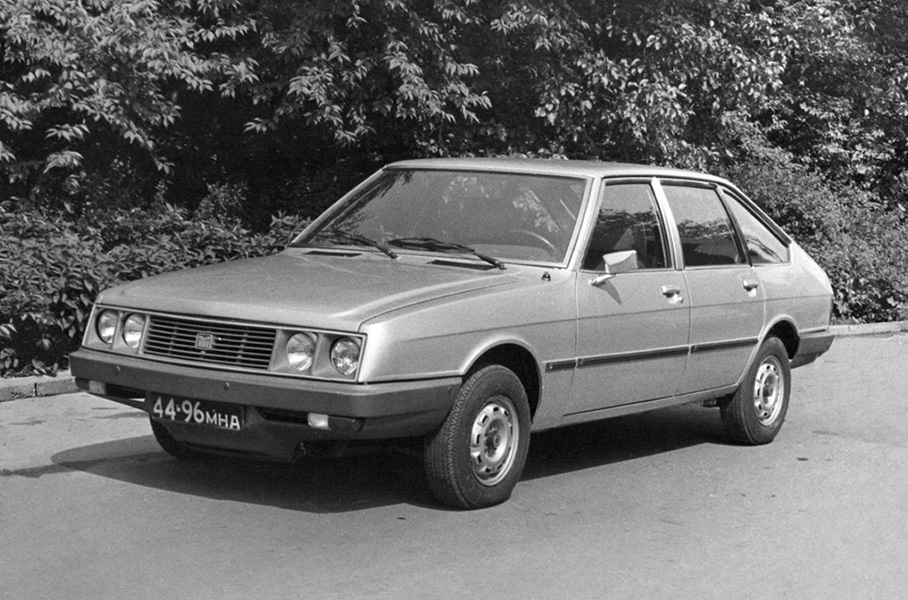
“We were brought a body from Simka, on the basis of which we had to make a mock-up unit carrier to study the features of the front-wheel drive layout. They simply cut off the front end and attached a new one – with a longitudinally mounted “four hundred and twelve” engine. We called this prototype “Maximka,” said Igor Zaitsev in an interview with the Autoreview newspaper.
 Prototype 1981 Forgotten “Muscovites”
During the work on the car, the body shape and its design became quite distinctive. And the intermediate versions of “Moskvich” differed significantly from the final result. On this experimental 1981 “Forty-First” we can see a radiator grille with contrasting stripes and a front bumper of a different shape than the production version. And the side mirrors here seem to have been taken from the VAZ “five” – for a prototype built using bypass technology, an understandable assumption.
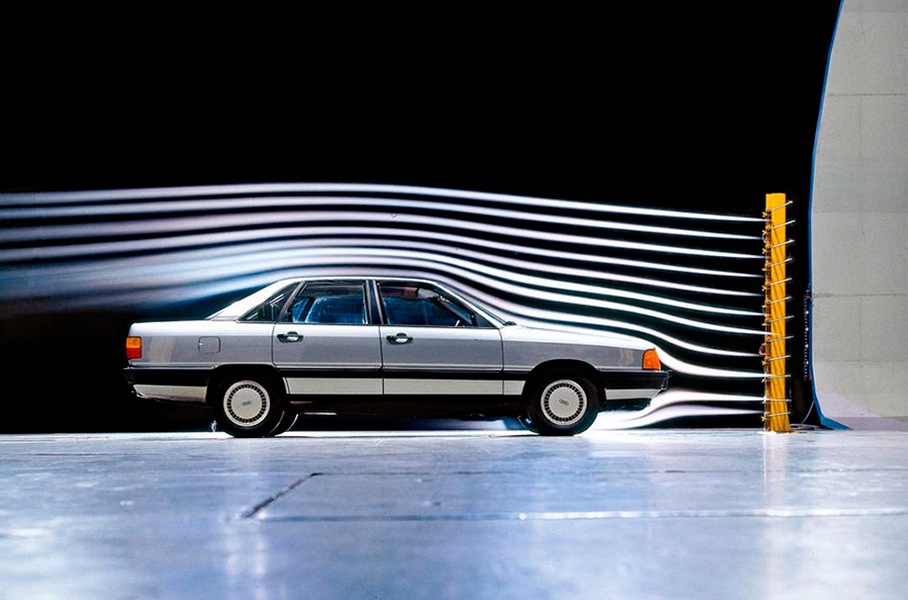
If we have already dealt with the French basis for the body, then the roots of the layout with a longitudinal engine and front suspension with McPherson struts should be looked elsewhere. In particular, a similar more promising scheme was used by the German Audi at the turn of 1970–80.
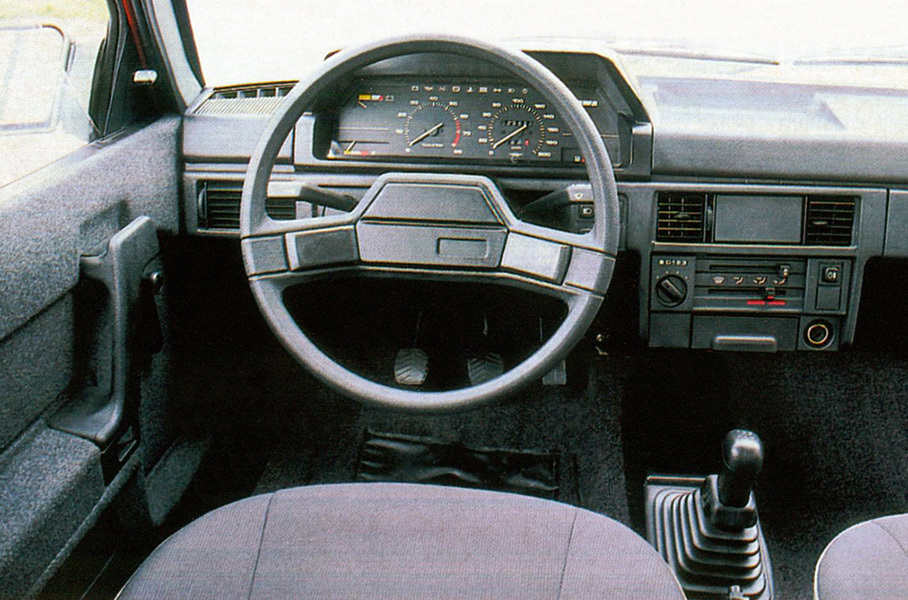 Interior of Moskvich-2141
The interior design of the Moskvich was also radically different from the original prototype – the interior of the Simka was more avant-garde.
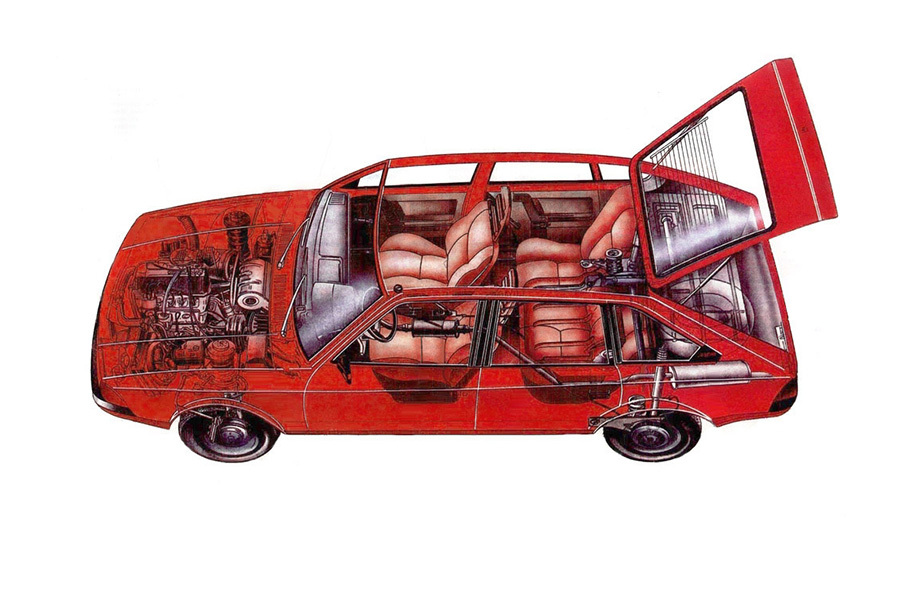
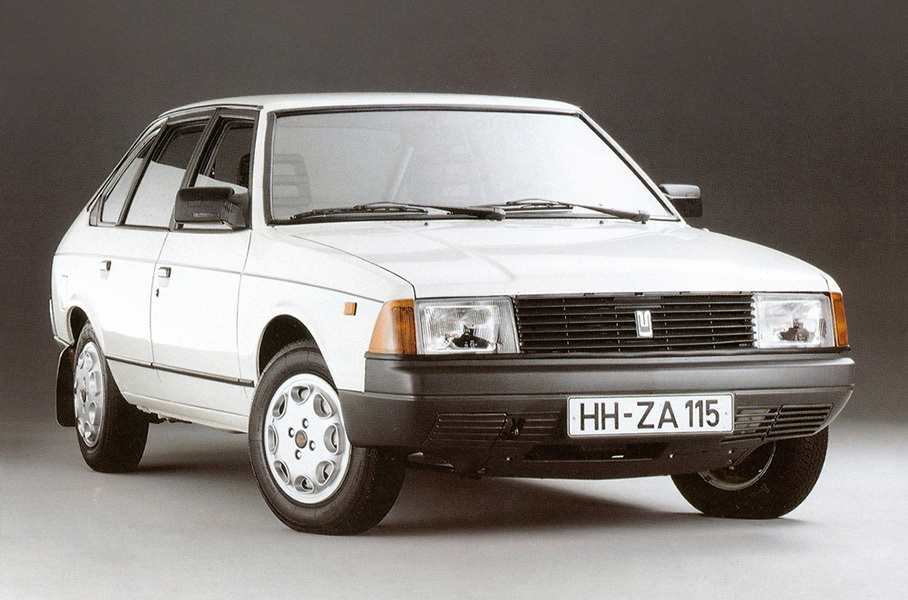 Export version with Ford diesel engine
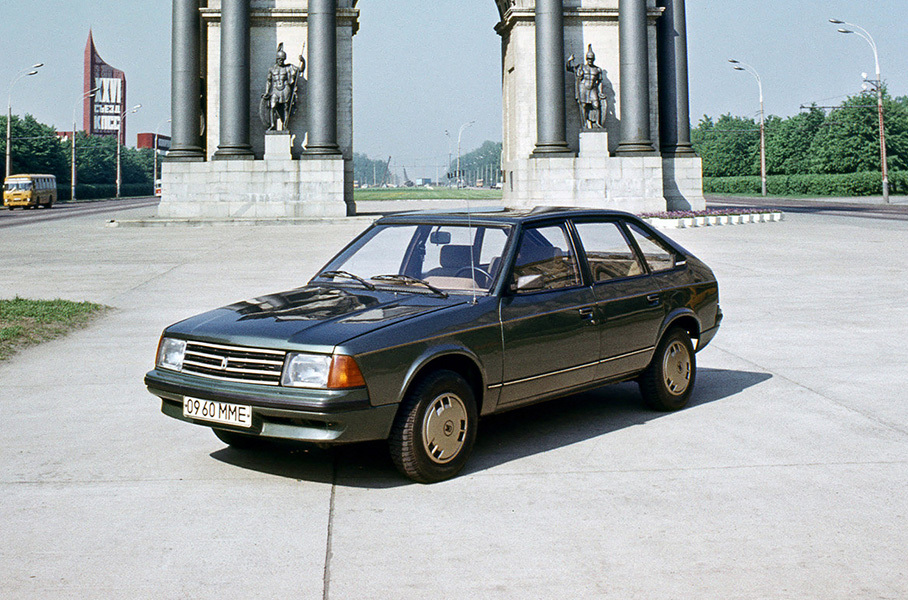
Under the hood of the serial “forty-one”, in addition to the Ufa engine (including an increased volume), there was also a VAZ 1.6 engine and, at the final stage, Renault engines. The most powerful is two-liter. In the early 1990s, even Moskvich vehicles equipped with Ford diesel engines were exported. The new AZLK engine production, for which experimental engines were ready due to changes in the country, was never completed.
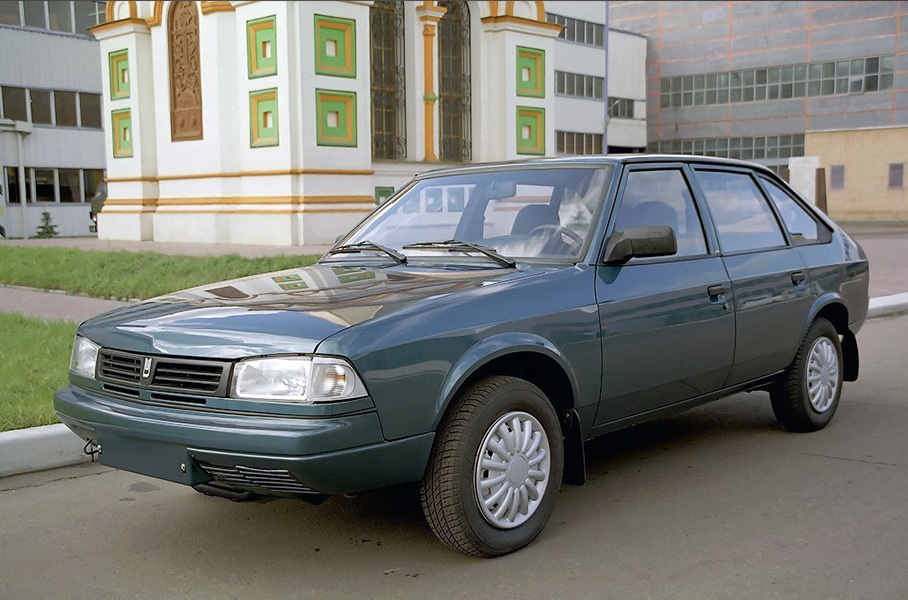 Late Svyatogor
In this form, already under its own name “Svyatogor”, the car was produced at the final stage. The conveyor of the Moskvich plant finally stopped in 2001. /m