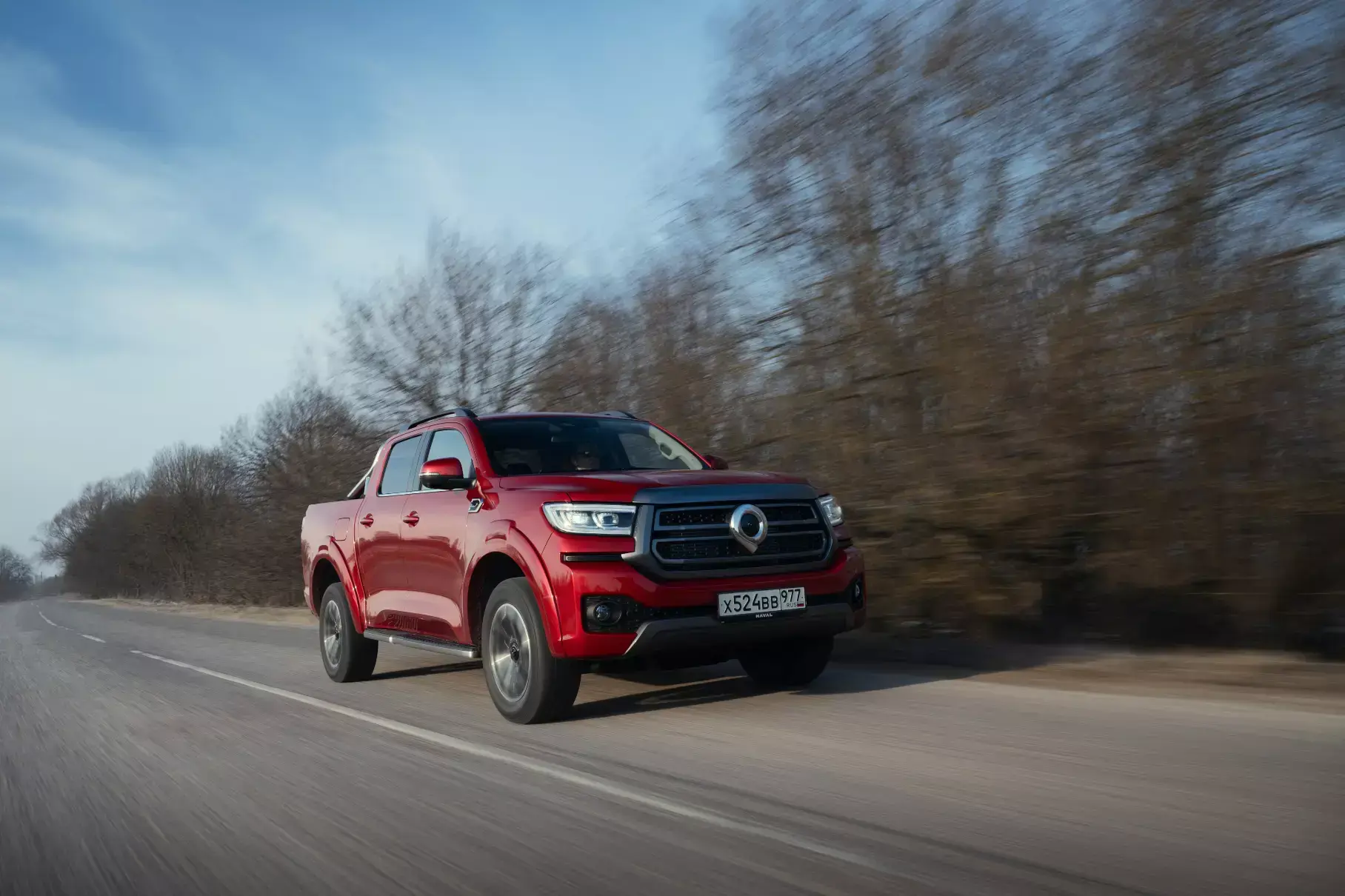
Over 16 thousand kilometers, including the winter period, both the strengths of the car and several shortcomings that could cause inconvenience to the owners were revealed. The test involved a gasoline car with a two-liter turbo engine producing 218 hp, which replaced the diesel version.
The car has an unfortunate shape for the rubber seals on the front doors. At temperatures close to zero, the glass freezes tightly to the rubber bands. The driver has to make an effort and spend an unusually long time to separate the glass from the seal before opening the door, noted Za Rulem magazine expert Alexander Vinogradov.
In addition, during the test, the Check Engine light spontaneously came on on the dashboard. However, the lamp went out as suddenly as it appeared. No changes in the operation of the engine, gearbox or other systems were recorded, and the diagnostics also did not reveal any errors. However, the very fact that a warning appears for no reason can alert the owner.
The main operational disadvantage of the gasoline version is consumption. In the combined cycle, the pickup consumes about 11.4 liters of AI-95 per 100 km. This is noticeably higher than the diesel version (about 8 liters), which increases the cost per kilometer.
Despite the fact that a gasoline car is 100 thousand rubles cheaper than a diesel version, at current fuel prices this difference will pay off only after three years with an annual mileage of 20 thousand km. For those who drive more, diesel may be more economical.
The gross weight of the pickup truck exceeds 2.5 tons, which automatically prohibits driving in the left lane on roads with three or more lanes. Owners have to constantly remember this point of the traffic rules.
Earlier, the most popular crossovers that Russians are driving from China became known.