According to Carscoops, key supply chains have been disrupted not only in the region, but also towards Europe. The most important transit hub, the Jebel Ali port in Dubai, through which thousands of Chinese vehicles pass, came under attack.
The attack on the region’s largest port, which occurred on the night of March 1, led to a temporary halt in its work. And although the operator DP World announced the resumption of operations at four berths, shipping companies suspended voyages en masse, effectively paralyzing work. This directly threatens exports, which reached a record 7.09 million vehicles in 2025.
The Iranian market suffered especially, supplies to which, according to the manager of one of the Chinese automakers, “completely stopped.” However, the crisis has wider implications: Dubai is used as a key distribution center for the entire Middle East, as well as West and North Africa. Supplies to these regions are actually frozen.
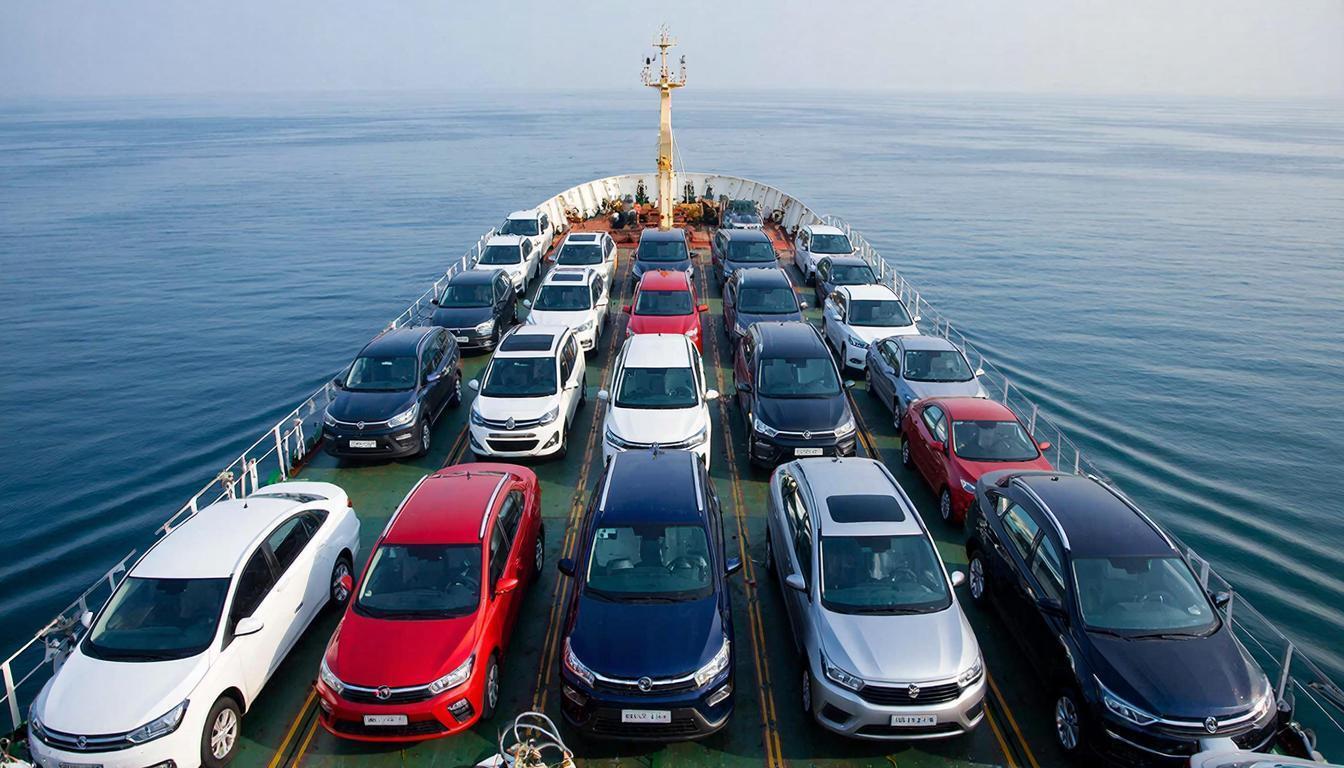
The hit to exports through the Middle East is creating a domino effect on Europe, the third-largest regional market for the Chinese auto industry (more than 1.3 million vehicles in 2025). Due to the inability to safely use the Suez Canal, ships with Chinese cars are forced to go around Africa, through the Cape of Good Hope. This lengthens the journey by 10-15 days, sharply increasing the cost and delivery time.
As a result, the China Association of Automobile Manufacturers (CAAM), which previously forecast modest export growth to 7.4 million vehicles in 2026, will likely be forced to revise those estimates downward.
It was previously reported that UAZ would rename the SUV for the first time in the history of the Hunter model.