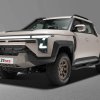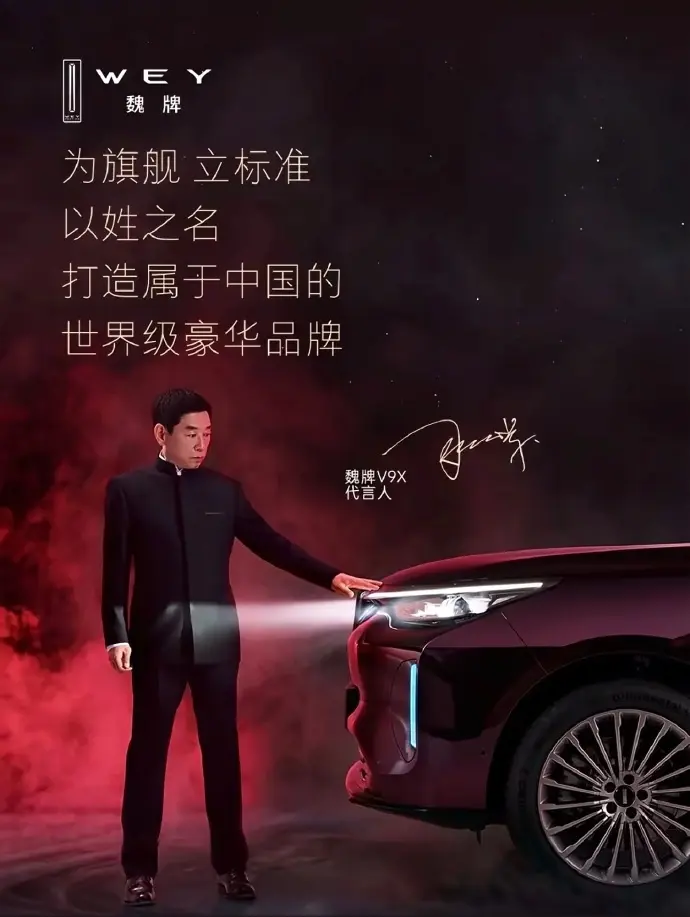
The chairman of the board of directors of the company, Wei Jianjun, personally acted as the face of the brand in the advertising campaign for the new Wey V9X crossover, but social media users immediately noticed that the composition and design of the Wey poster suspiciously resembled an advertisement for the Range Rover Evoque for the Chinese market.
The incident occurred on March 5, when Wey (a brand owned by Great Wall) announced the start of a marketing campaign for a new model. In the published image, Jianjun was captured in front of a car in a similar pose and angle. Following this, Wei Jianjun publicly apologized for the incident.
“After investigation, it turned out that the poster was indeed plagiarized. There are no excuses. I apologize to Land Rover, the designer of the original poster and all netizens who trusted me,” IT Home quotes the head of the Chinese auto company as saying.
Advertising Wey
IT Home 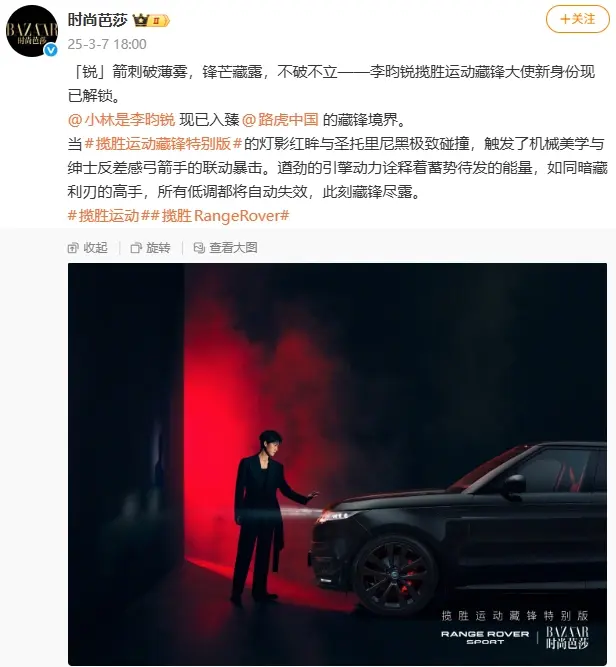 Range Rover advertising
IT Home
He emphasized that both he personally and the company are ready to bear all the liability provided for by law and contracts, including financial claims. At the same time, Wei took part of the blame on himself, explaining the incident by insufficiently thorough control at the stage of approving advertising materials.
“I must deeply rethink my management approaches and internal processes in order to decisively eradicate plagiarism itself,” he added.
The Chinese auto industry has been actively fighting for its reputation in the global market in recent years, and such incidents have become extremely sensitive for local companies.
Previously, Chery curtailed sales of Tiggo 4 in Russia.