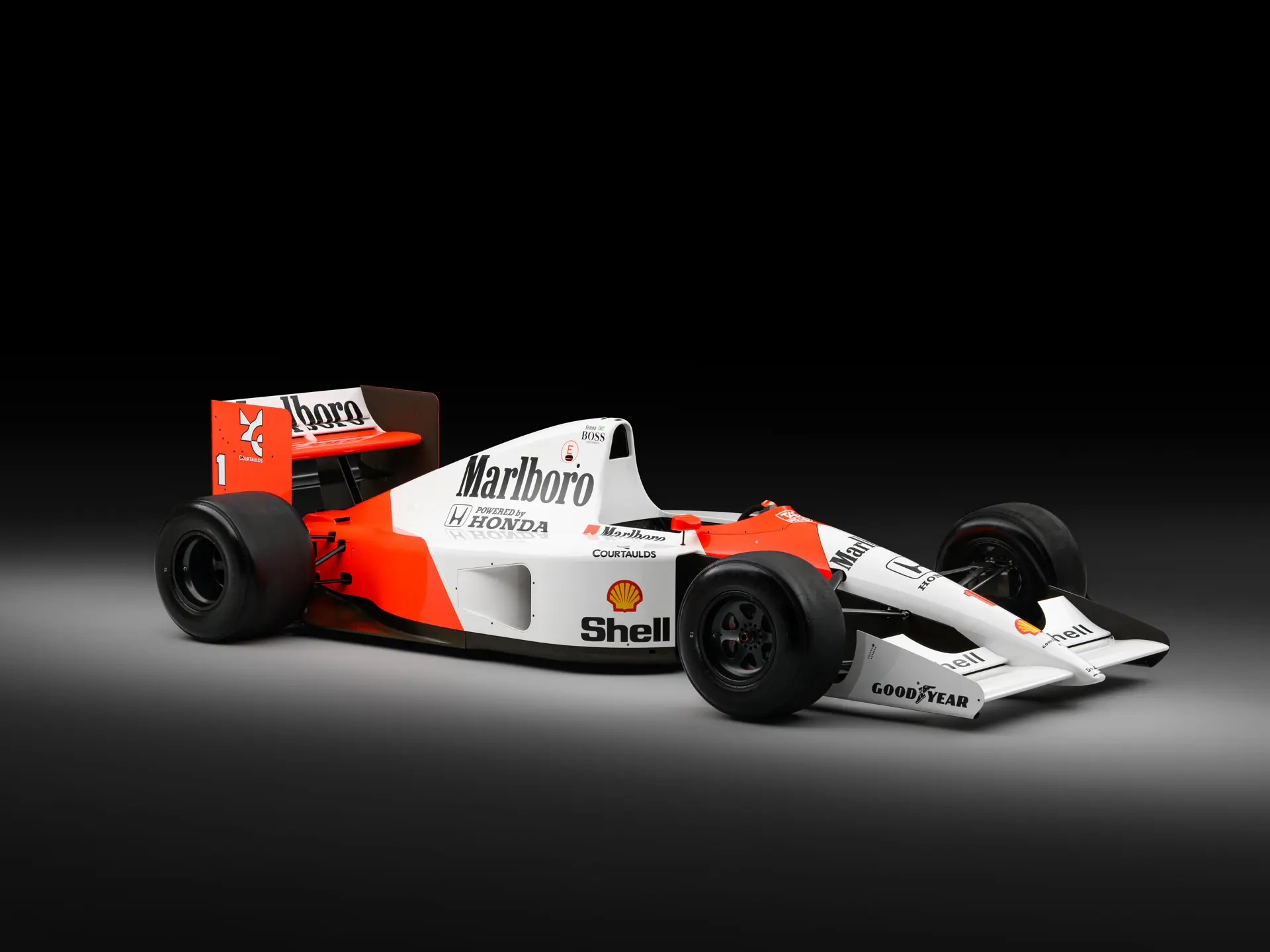
In Dubai, the McLaren MP4/6−1 car, in which Senna won one of his hardest victories, was delivered to a private buyer. In a retro report, Motor magazine tried to restore the complex drama of those events.
On March 24, 1991, a heavy, damp silence hung over the Interlagos circuit, which a few hours later would be broken by the roar of a twelve-cylinder McLaren-Honda engine. For Ayrton Senna, this day was more than just the second round of the World Championship. After seven unsuccessful attempts, victory on home soil turned into an idea fix, an unfulfilled debt to 70 thousand compatriots, whose expectation became more and more tangible every year. “As a Brazilian, he knew that winning in Brazil would be good for him; it will optimize his commercial position and make him an even bigger hero,” McLaren boss Ron Dennis stated dryly years later. For Senna himself, the stakes were immeasurably higher.
McLaren MP4/6-1
Tim Scott Fluid
The McLaren team, although considered the leader, approached the season with a new, still “raw” MP4/6 car, equipped with a powerful but capricious 12-cylinder Honda engine. Senna’s teammate, Gerhard Berger, started from fourth position, providing the team’s rear.
Williams-Renault was called the main threat to McLaren. The British team, where Adrian Newey began working as chief designer, presented the revolutionary FW14 with active suspension and semi-automatic transmission. Nigel Mansell in the progressive Williams-Renault began to methodically win back a second per lap. By the 42nd lap the gap had been reduced to three seconds.
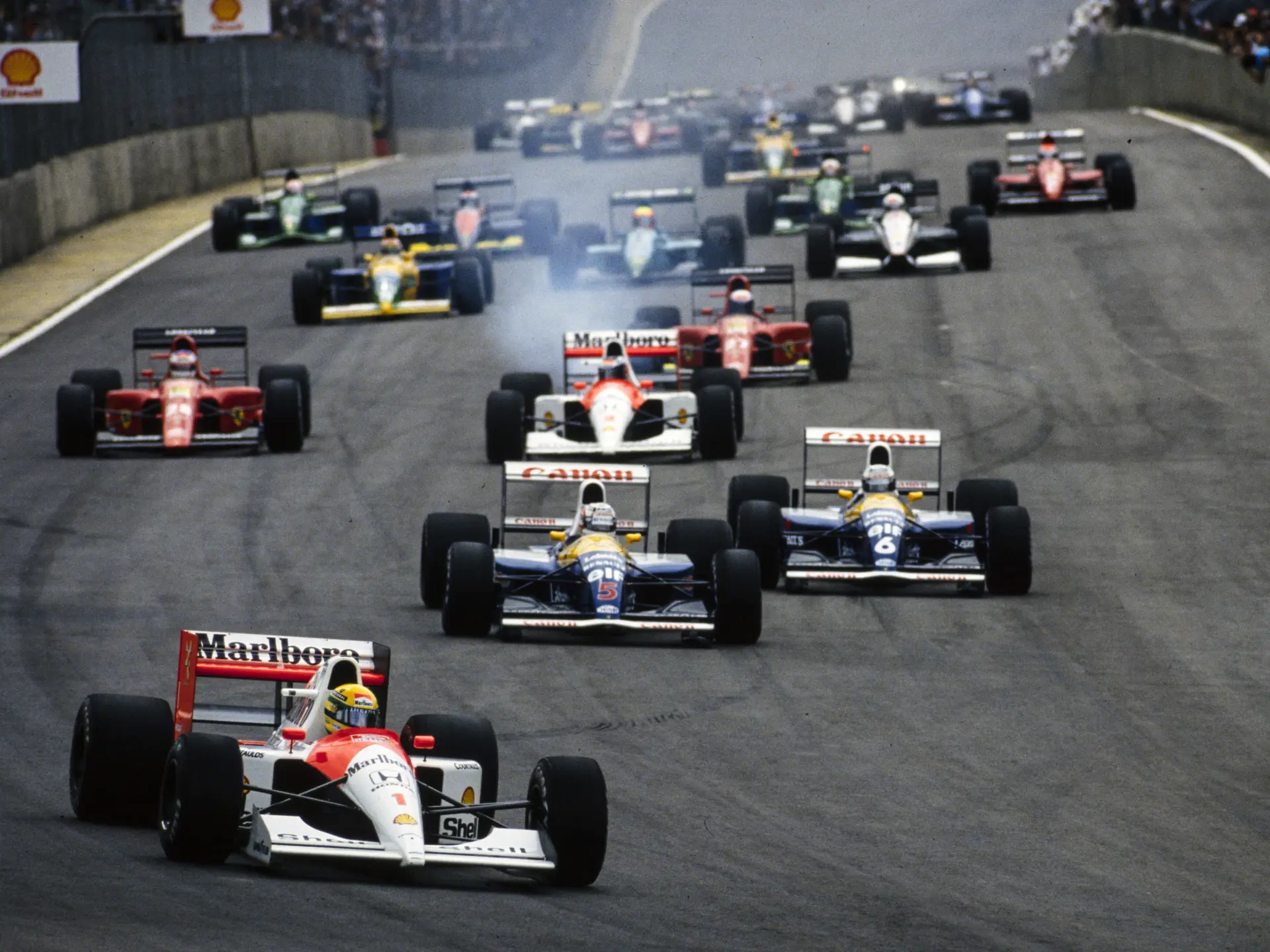 Ayrton Senna leads the peloton at the Formula 1 Grand Prix in Brazil in 1991
Getty Images
Ferrari stood apart. According to experts, she was considered the main favorite at the start of the 1991 season. Alain Prost and Jean Alesi took sixth and fifth places respectively in qualifying, but their cars, despite all their potential, did not demonstrate the speed that would allow them to challenge the leaders in the race.
It seemed that the usual scenario was repeating itself. Then fate took its first twist: on lap 50, Mansell suffered a puncture on his rear right tire, and his pit stop set the Briton back by 35 seconds. The road to victory was open again, but only for a moment.
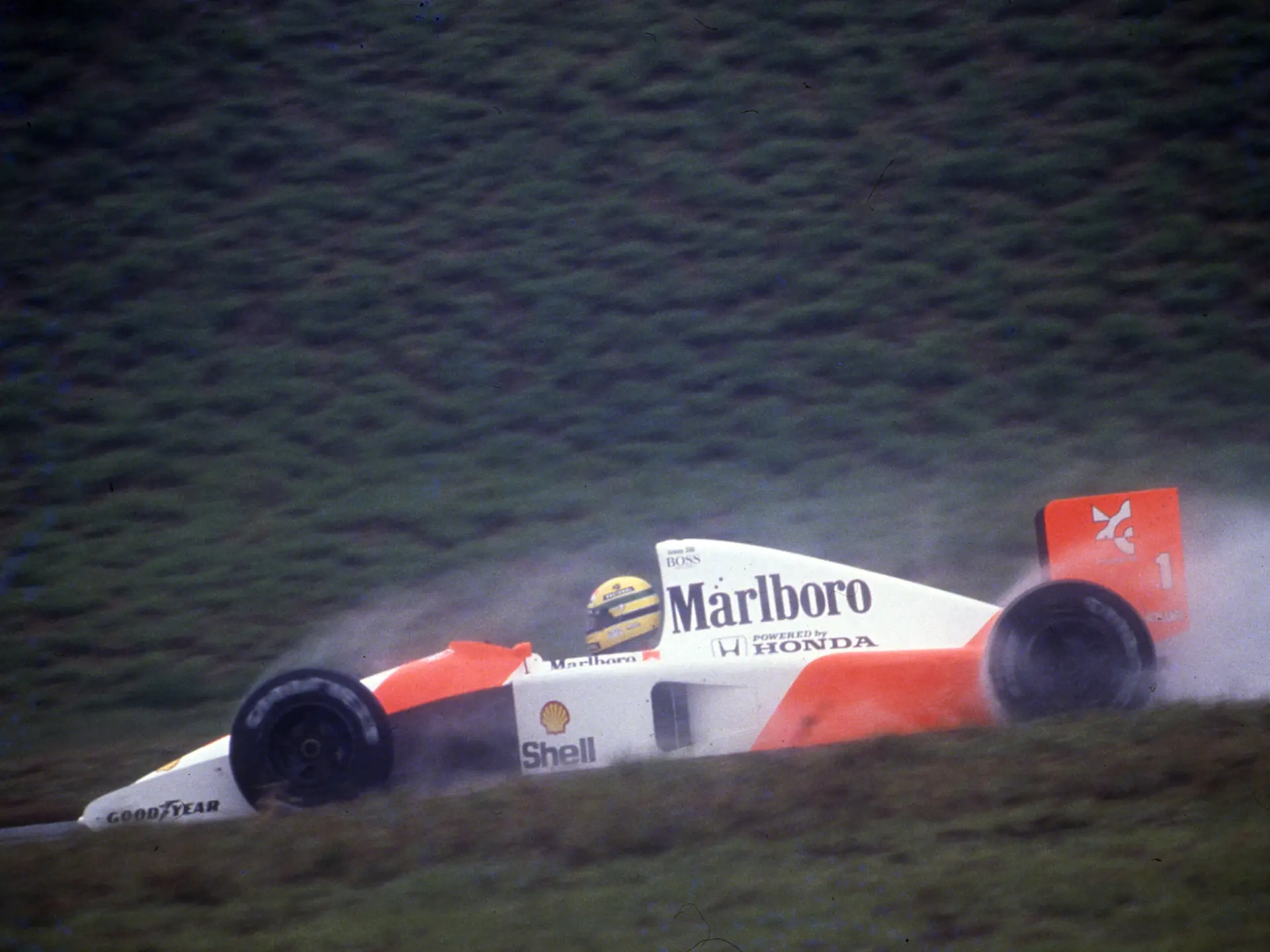 Ayrton Senna on rain tires
Girardo&Co. Archive
At that time, few people outside the McLaren garage knew, but Senna himself began to have problems with the gearbox. Around lap 50, the fourth gear failed. “I tried to skip it, shifting from fifth to third or third to fifth,” he later explained. While Senna struggled with the car, Mansell, like an enraged animal, again began to reduce the gap. And it started to rain on the highway. On lap 59, the Williams transmission finally failed, sending Senna’s main rival into the gravel. It seemed that everything was predetermined.
But it was just an illusion. “Seven laps before the finish, third and fifth gears failed,” Senna recalled. The only worker left was the sixth one. Driving a McLaren MP4/6, equipped with a purely manual gearbox, in this condition on a wet track was tantamount to self-torture. On slow turns, the revolutions dropped to two thousand, and the V12 stalled; on fast turns, without the help of engine braking, the car was uncontrollably carried forward. “Let me tell you, braking from 300 km/h to 70 for the first turn was not easy!” — he admitted after the race.
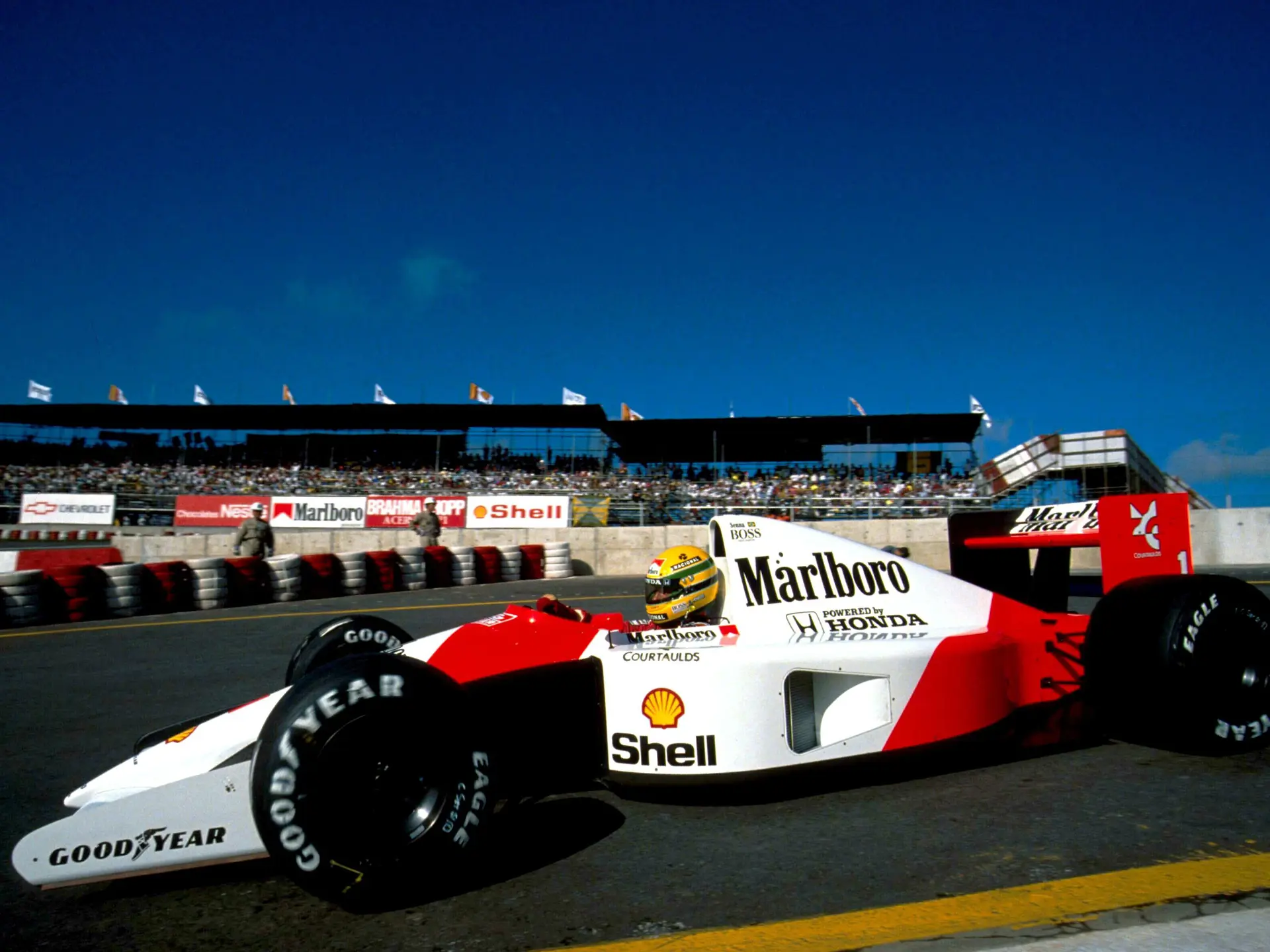 Ayrton Senna driving a McLaren MP4/6-1 at the Formula 1 Grand Prix in Brazil in 1991
Alamy Images
Meanwhile, Riccardo Patrese, who was in second, sensed a chance and began to gain four seconds per lap. The 20-second advantage was disappearing before our eyes. Inhuman groans were heard on the McLaren radio – from pain and despair. “I managed to control the car despite the rain at the end. I had muscle spasms and cramps in my shoulders and neck because the seat belt was too tight – but also because of emotions.” He even waved to the marshals, begging them to stop the race because of the rain. At this point he almost gave up. “I saw Patrese approaching and, to be honest, I thought I wouldn’t win,” Senna later recalled. “But I felt like I had to win in Brazil.”
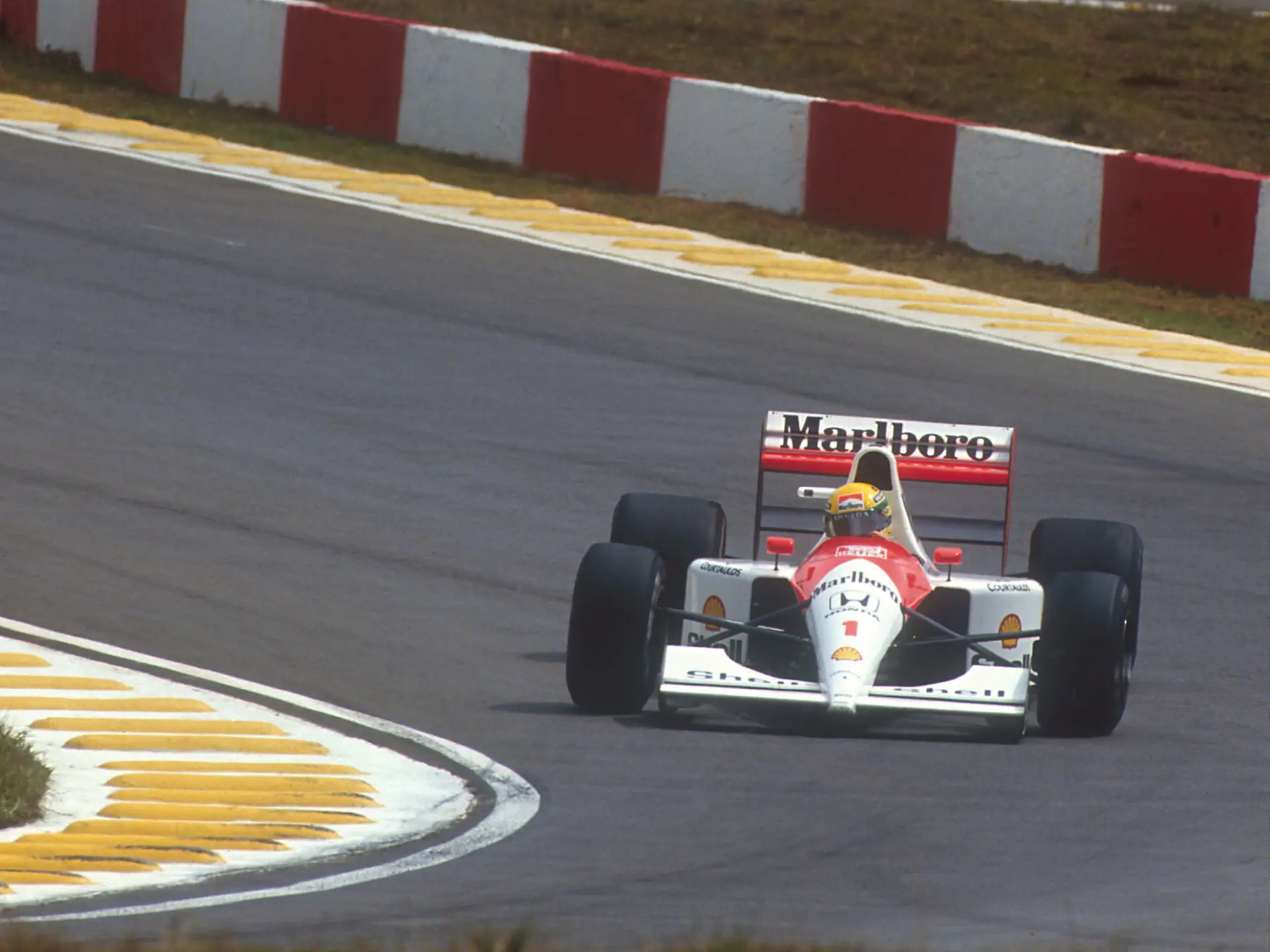 Ayrton Senna driving a McLaren MP4/6-1 at the Formula 1 Grand Prix in Brazil in 1991
Getty Images
Then what distinguished Senna turned on – cold, almost emotionless rage. Pure will. “I felt like it was my duty to win here.” By manipulating trajectories, he reduced losses from six to three seconds per lap. When the checkered flag finally waved, his lead was 2.991 seconds. The race was won.
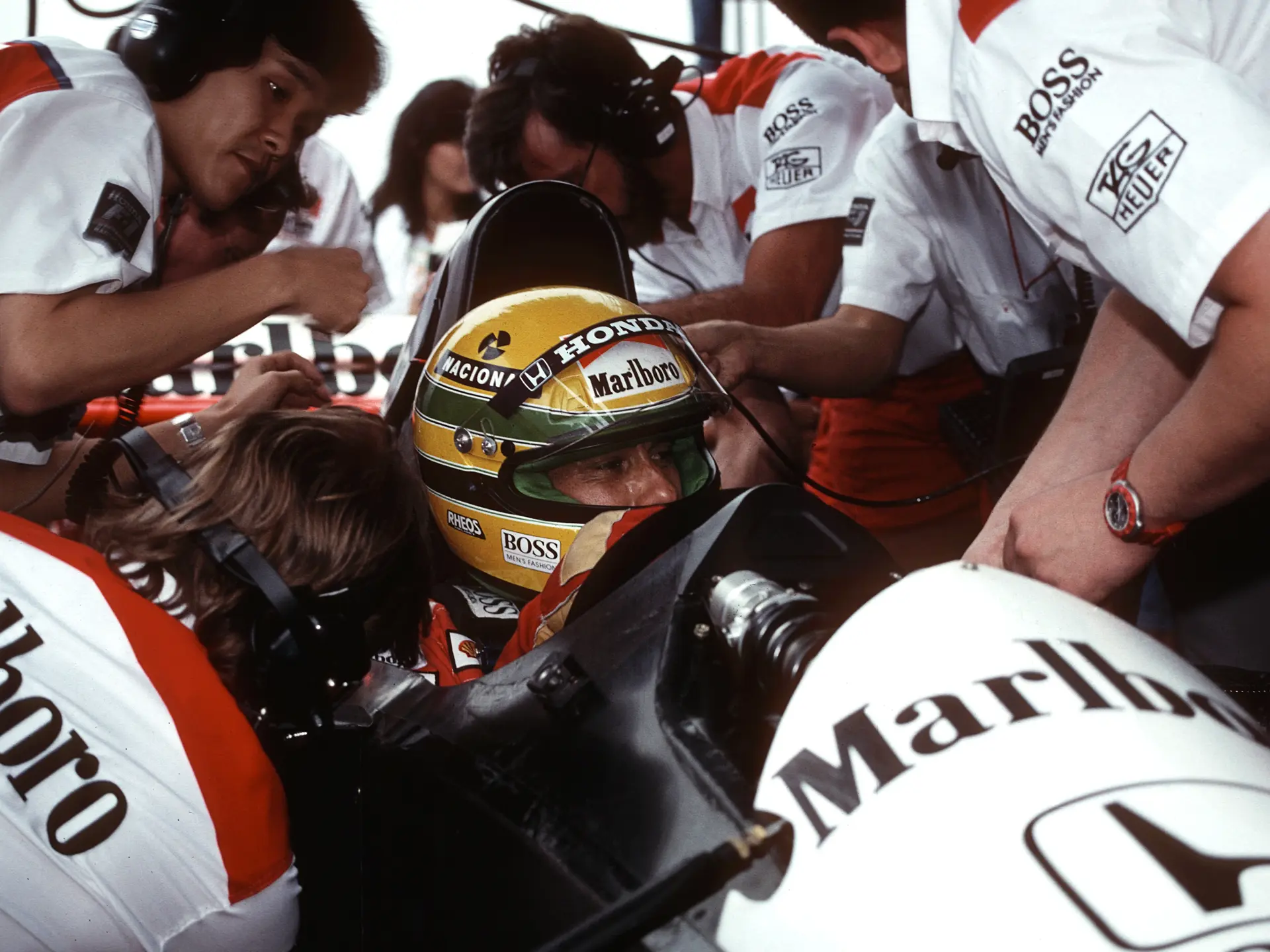 Ayrton Senna in a McLaren MP4/6-1 prepares to start the Formula 1 Grand Prix in Brazil in 1991
Getty Images
Triumph was both bliss and the peak of physical exhaustion. During the slowdown circle, Senna’s sobs were heard on the air, mixed with faint cries of joy. He was so exhausted at the circuit park that he had to be pulled from the cockpit by Professor Sid Watkins, head of the medical team at the Formula 1 Grand Prix. Ayrton could not lift the trophy and begged his father not to hug him because of the unbearable pain. “I only came back to reality when I saw the checkered flag,” he said later. “Then I truly felt how good it was to be alive, to be on Interlagos, on my own land, to see my people so happy. It wasn’t the greatest victory of my life, but it was the hardest.”
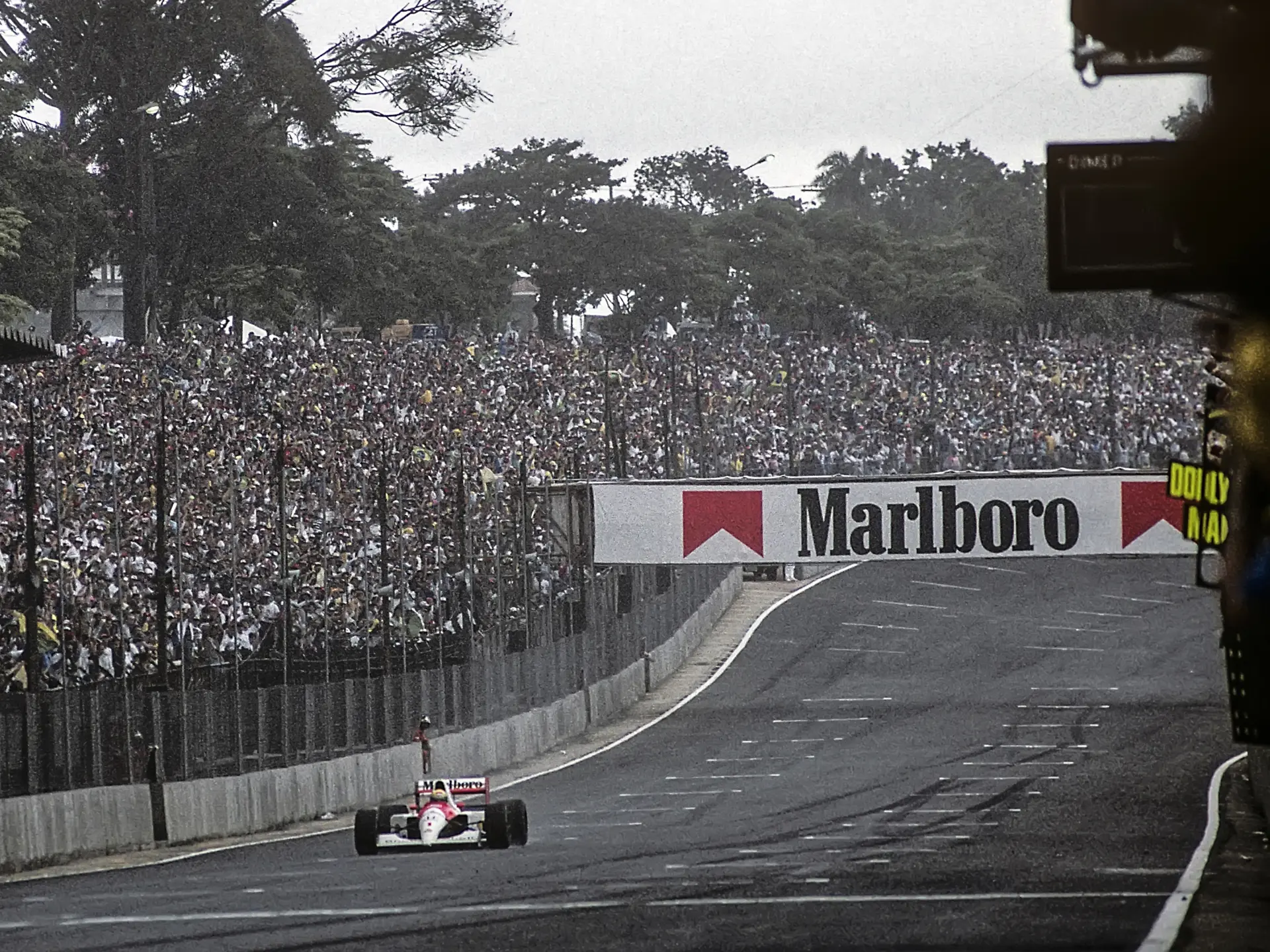 Ayrton Senna crosses the winning line in a McLaren MP4/6-1 at the Formula 1 Grand Prix in Brazil in 1991
Getty Images
The car that was the instrument of this victory, the McLaren MP4/6, chassis No. 1, was a technical masterpiece of its era. Designed by British F1 designer and engineer Neil Oatley, it was powered by an all-new Honda V12 engine. It was called “60-degree” for the characteristic angle of the cylinders, and the power was estimated at 720 hp. This victory in Brazil remained the only one for this chassis. After the end of the season, in which Senna won his third title and McLaren won the Constructors’ Championship, the MP4/6−1 was returned to the factory, where it was stored for almost 30 years.
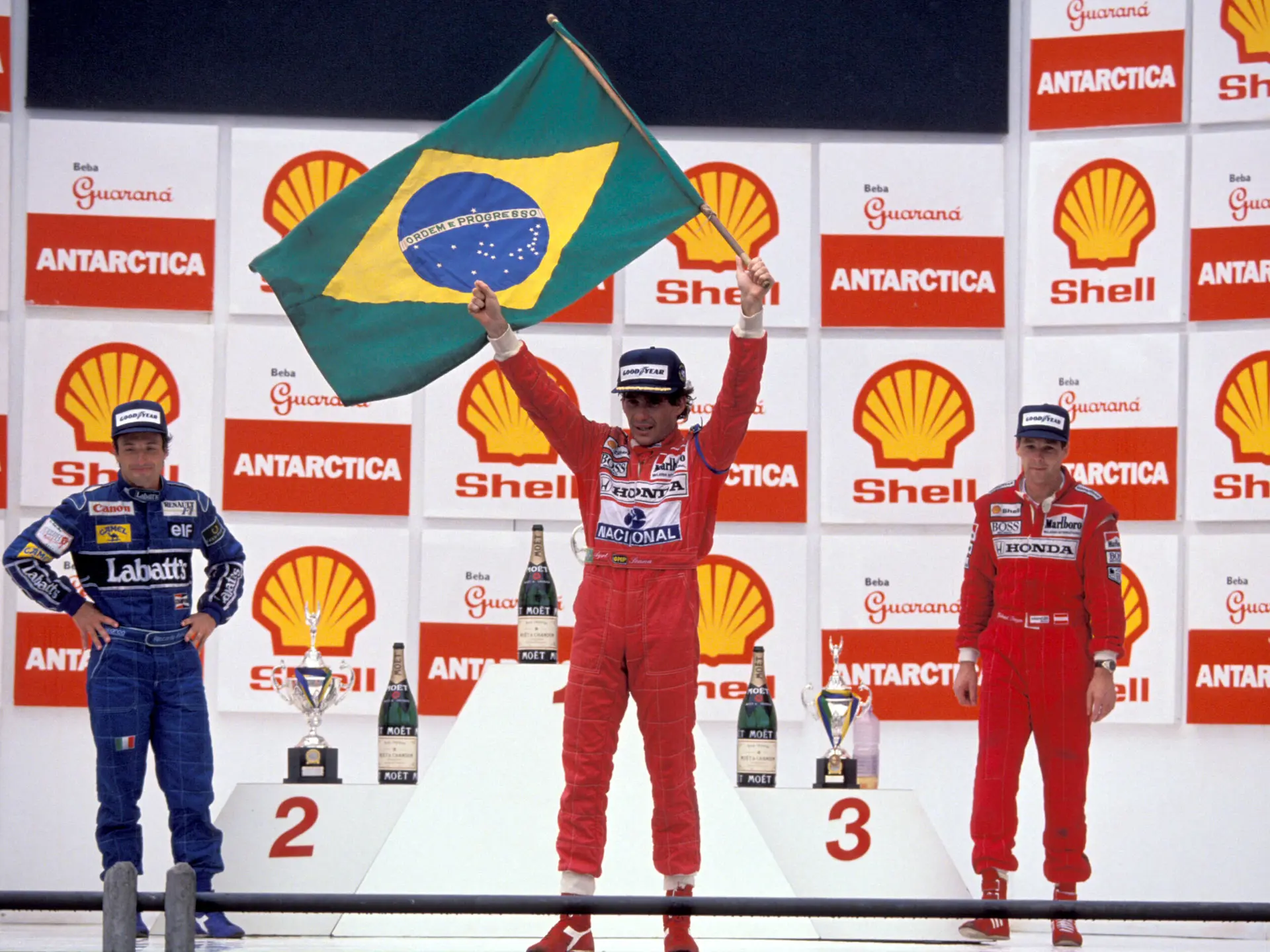 Winning podium at the Formula 1 Grand Prix in Brazil in 1991
Getty Images
In 2020, this piece of history, to the surprise of many, left the McLaren treasury. The chassis was purchased by a private collector. Before being sold, it was fully restored to racing condition by McLaren Heritage and then serviced by the experts at Paul Lanzante Ltd. It was offered with a certificate of authenticity and a complete set of starting hardware.
The race in Brazil was not just one of the forty-one winning finishes in Senna’s career. She became a symbol of his essence: inhuman will that turns the impossible into reality. As he himself summed it up: “By the finish line I had no strength left. God gave me this race.” The MP4/6−1 is not just a car, it is tangible evidence of the day when even a broken car could not stop a champion.
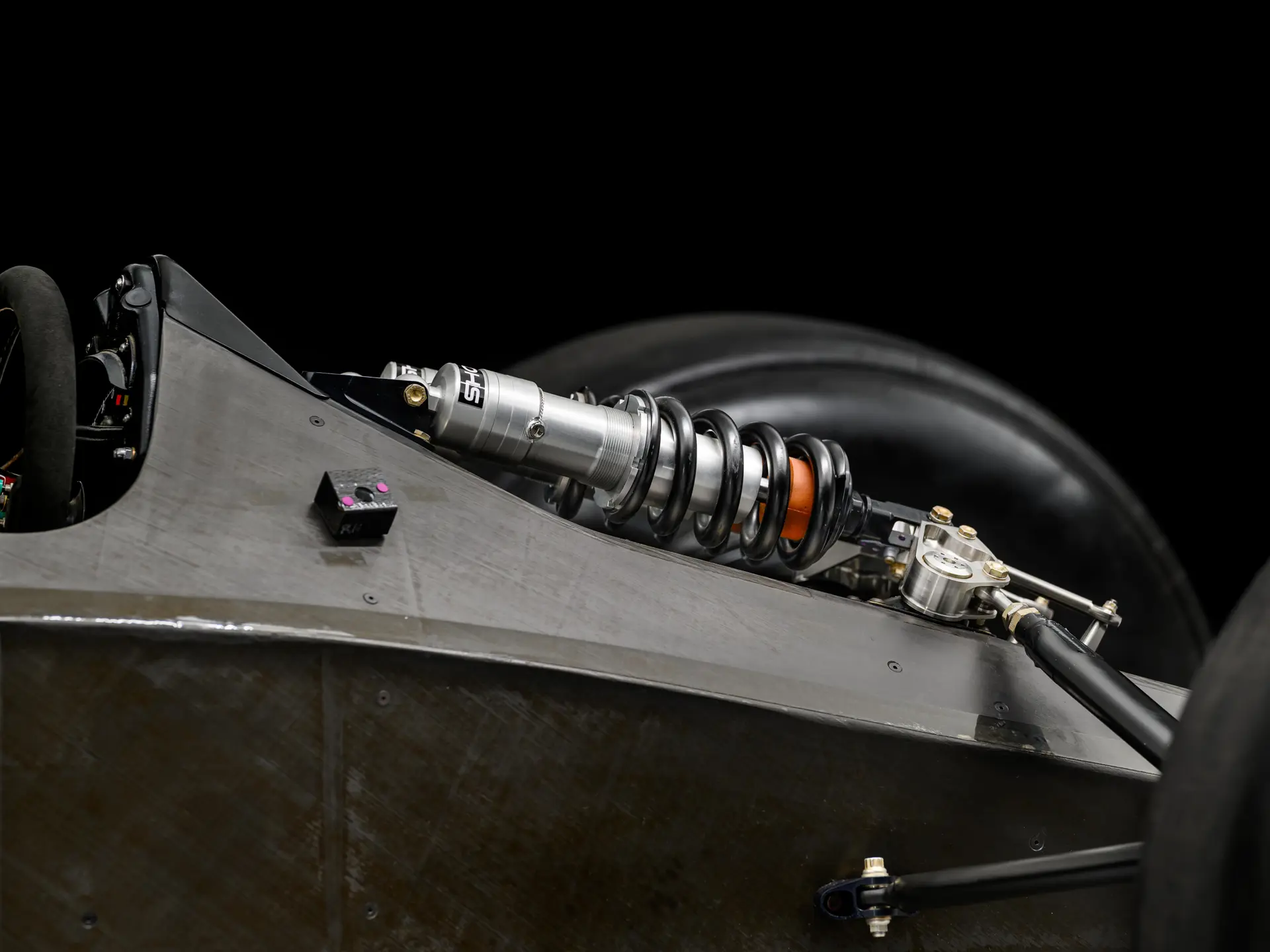 McLaren MP4/6−1
Tim Scott Fluid Images 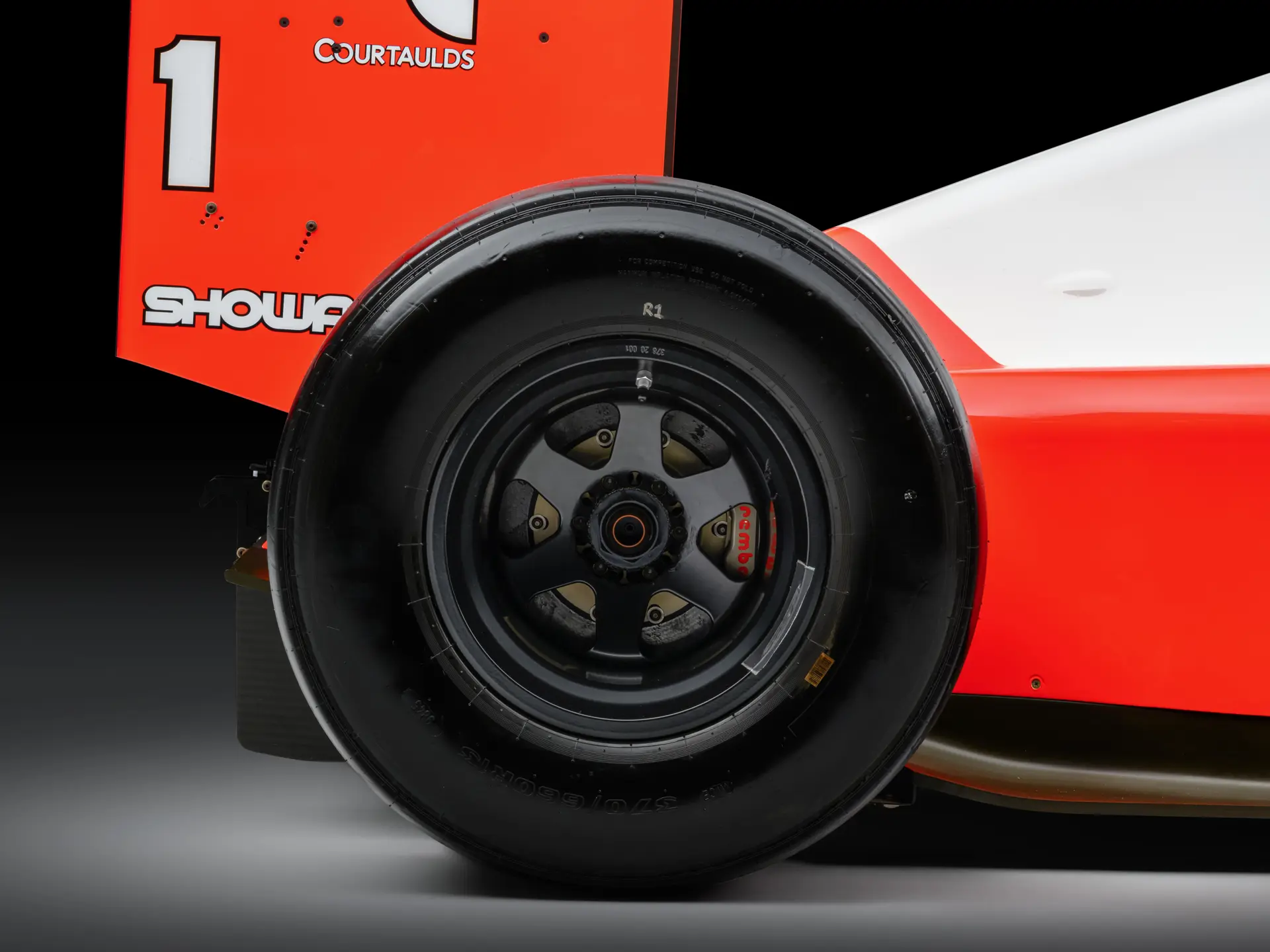 McLaren MP4/6−1
Tim Scott Fluid Images 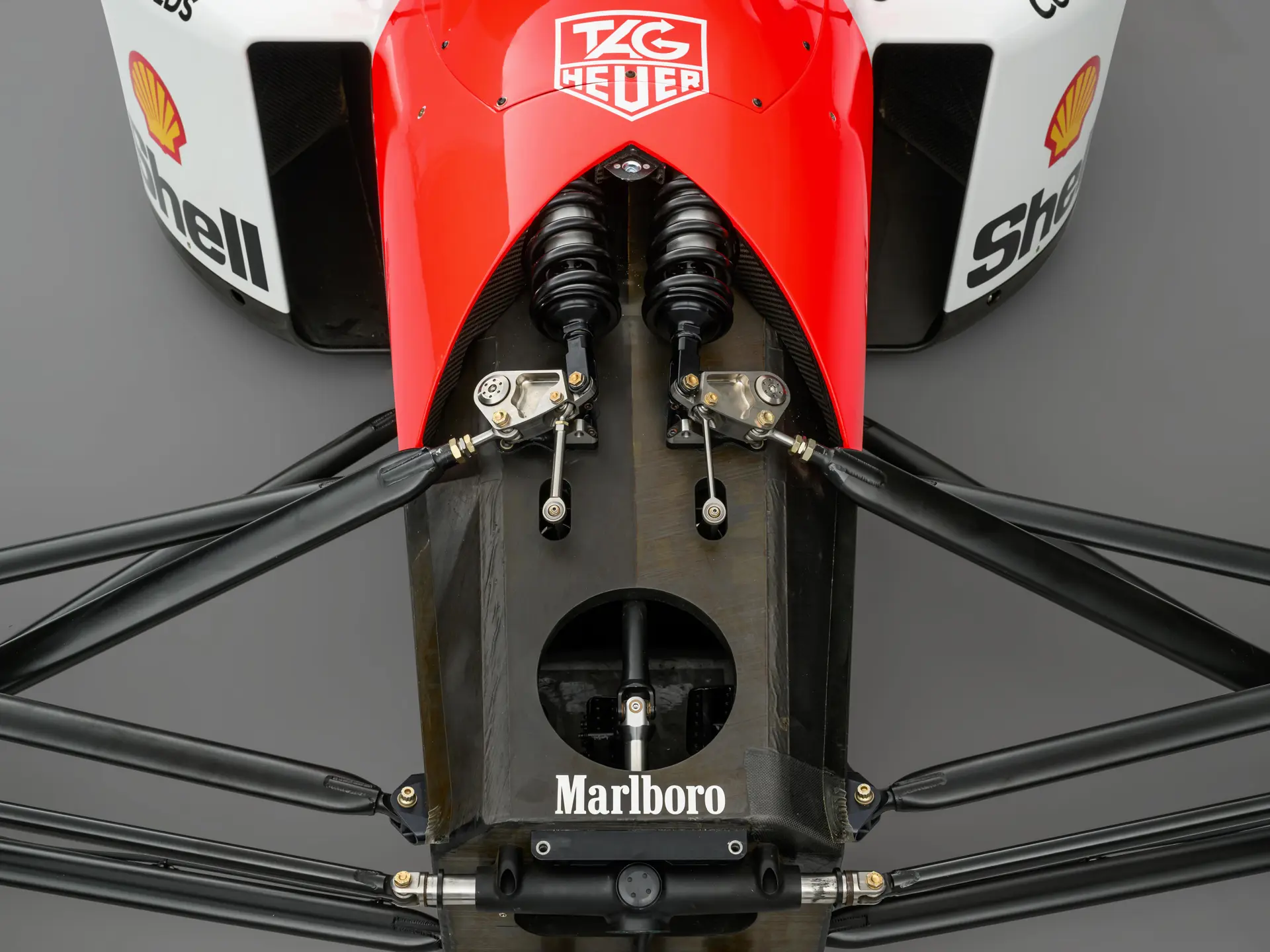 McLaren MP4/6−1
Tim Scott Fluid Images 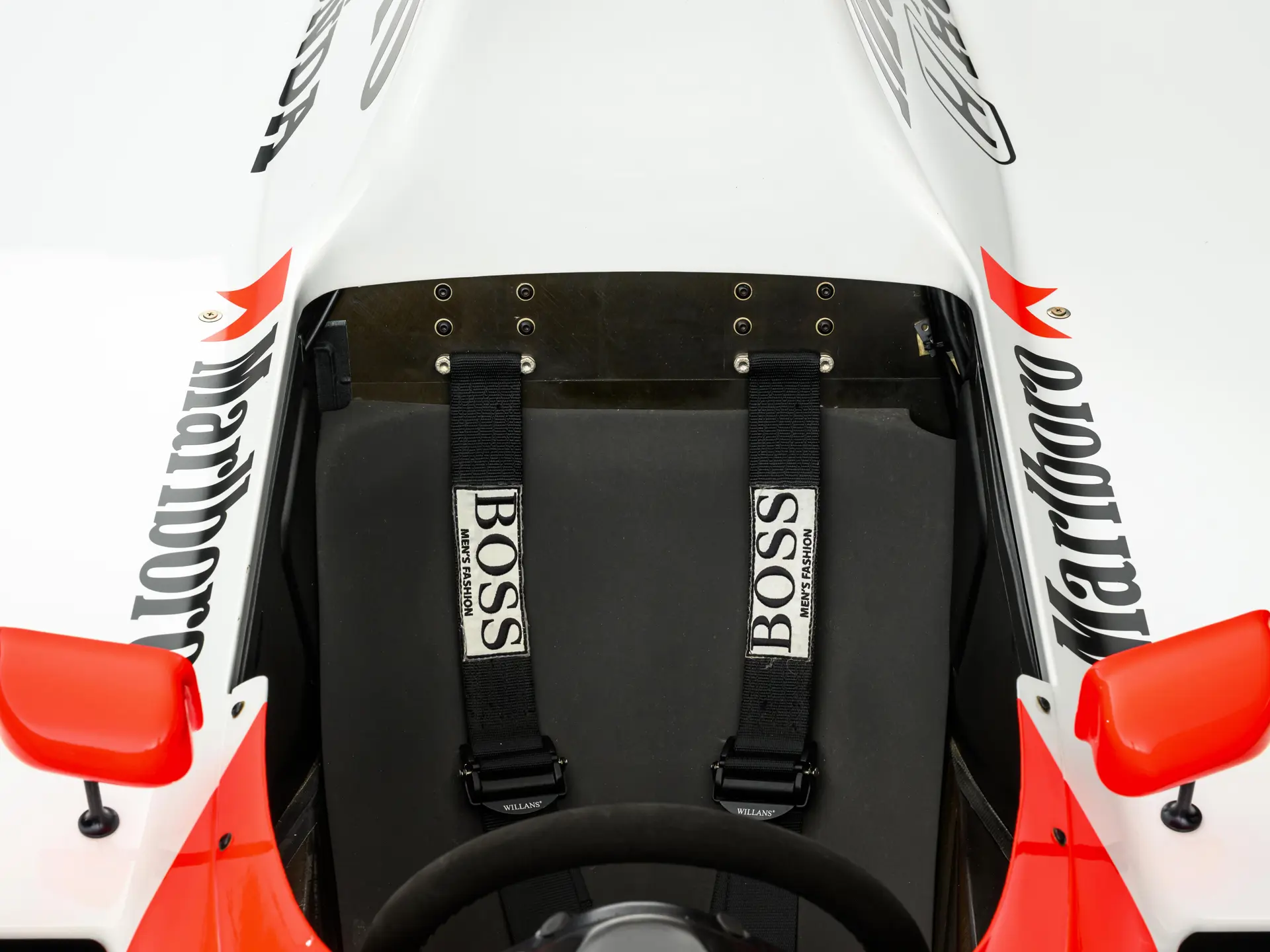 McLaren MP4/6−1
Tim Scott Fluid Images 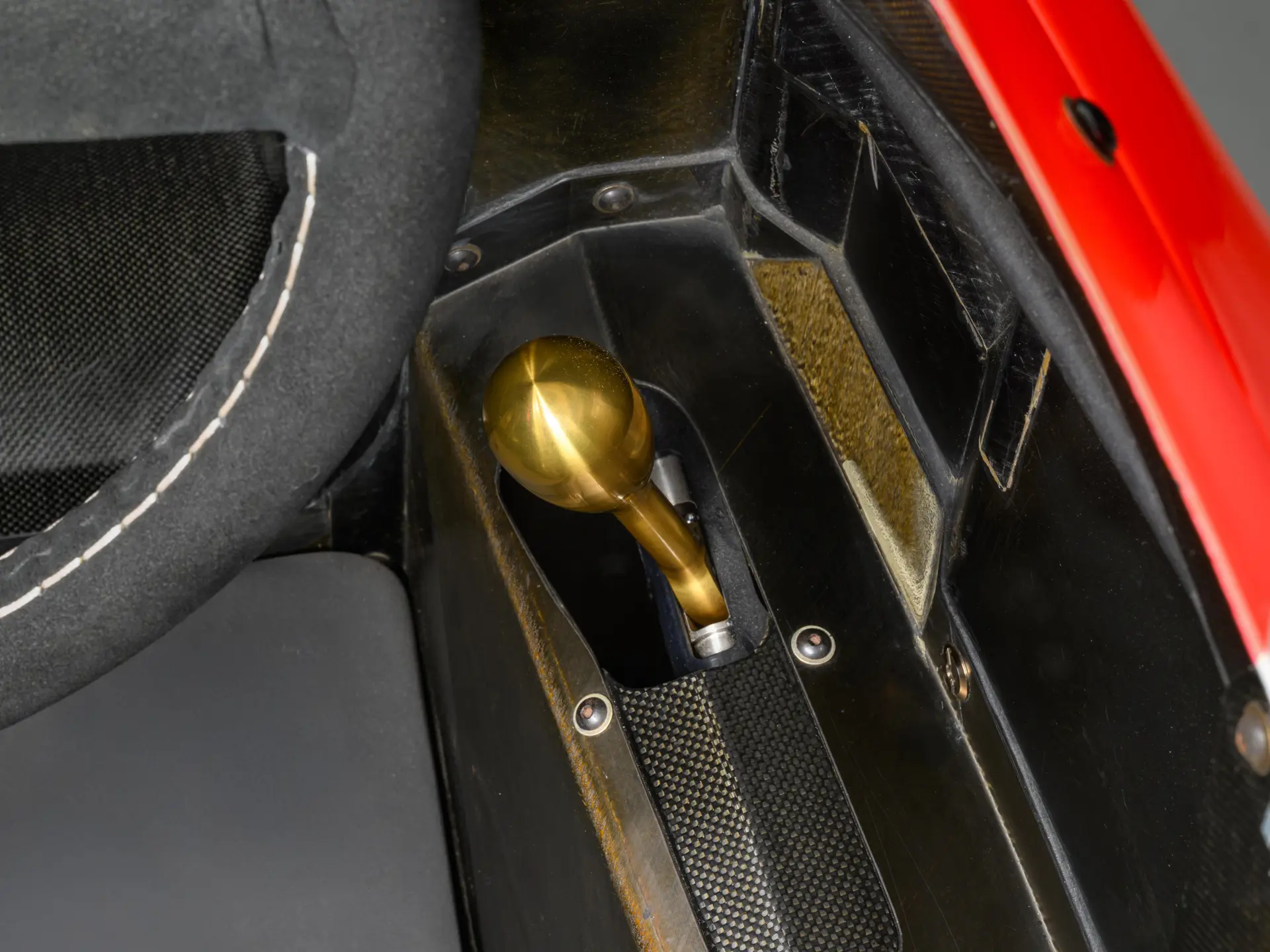 McLaren MP4/6−1
Tim Scott Fluid Images 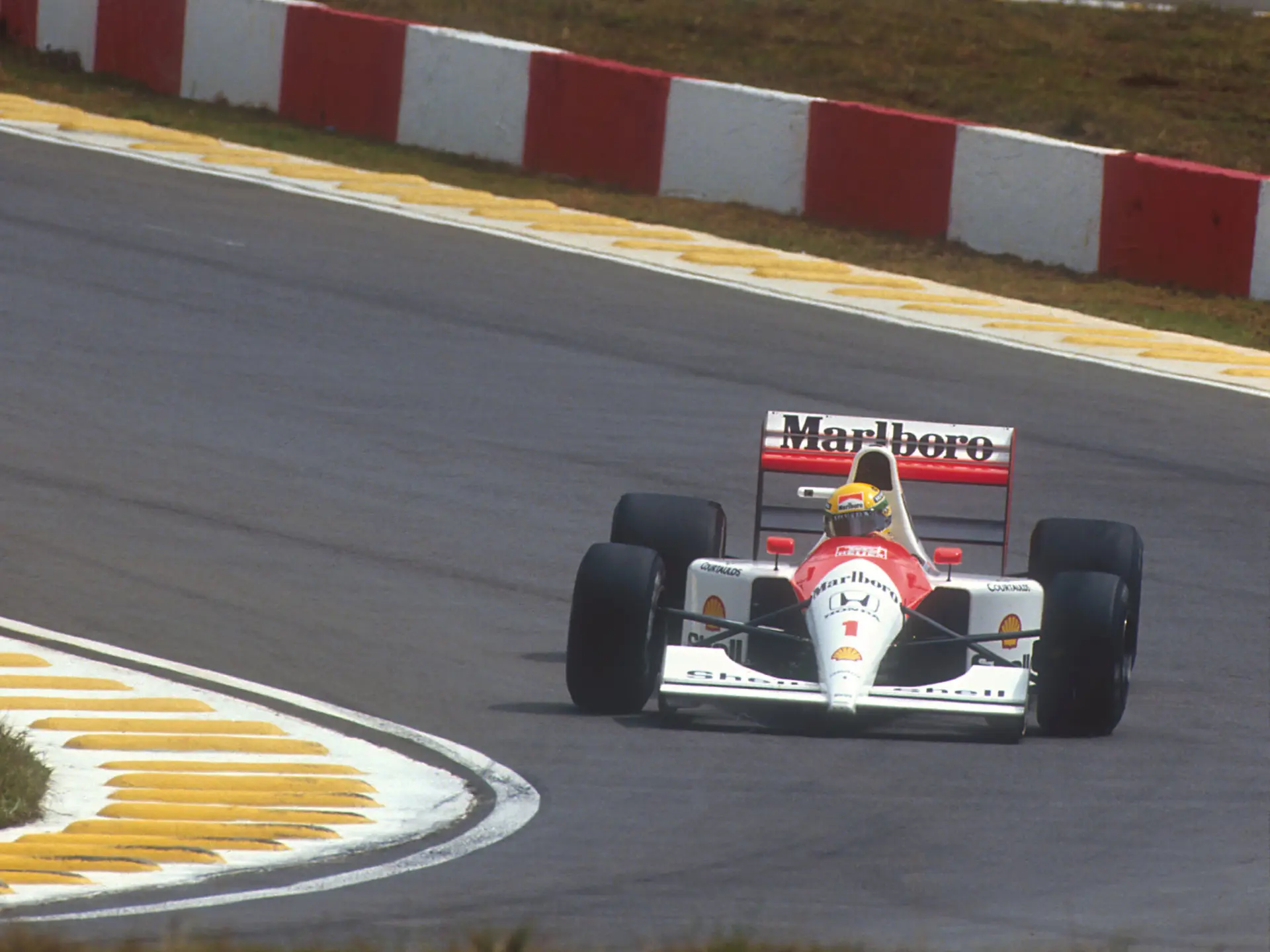 McLaren MP4/6−1
Getty Images 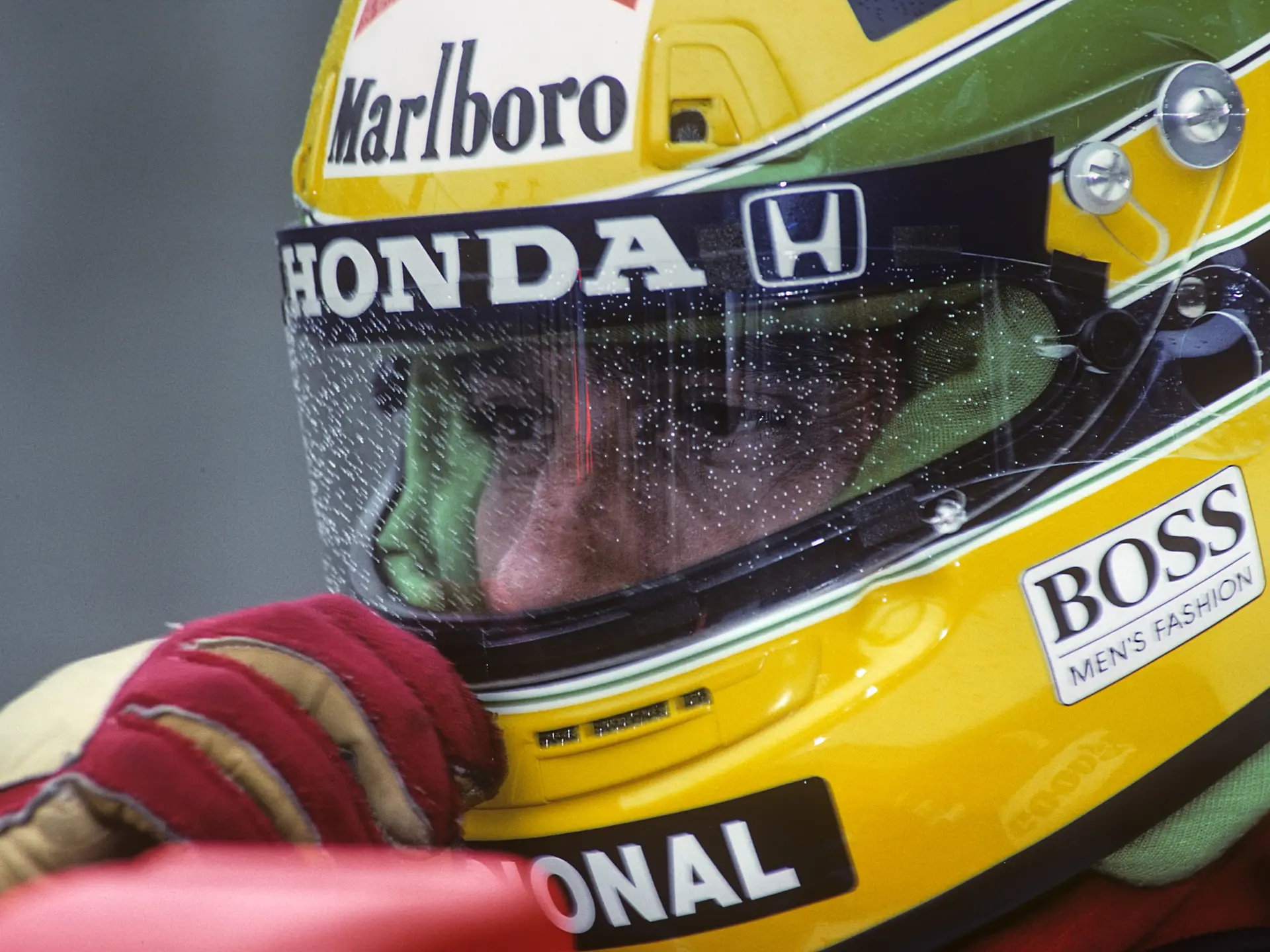 Ayrton Senna at the Brazilian Grand Prix in 1991
Getty Images 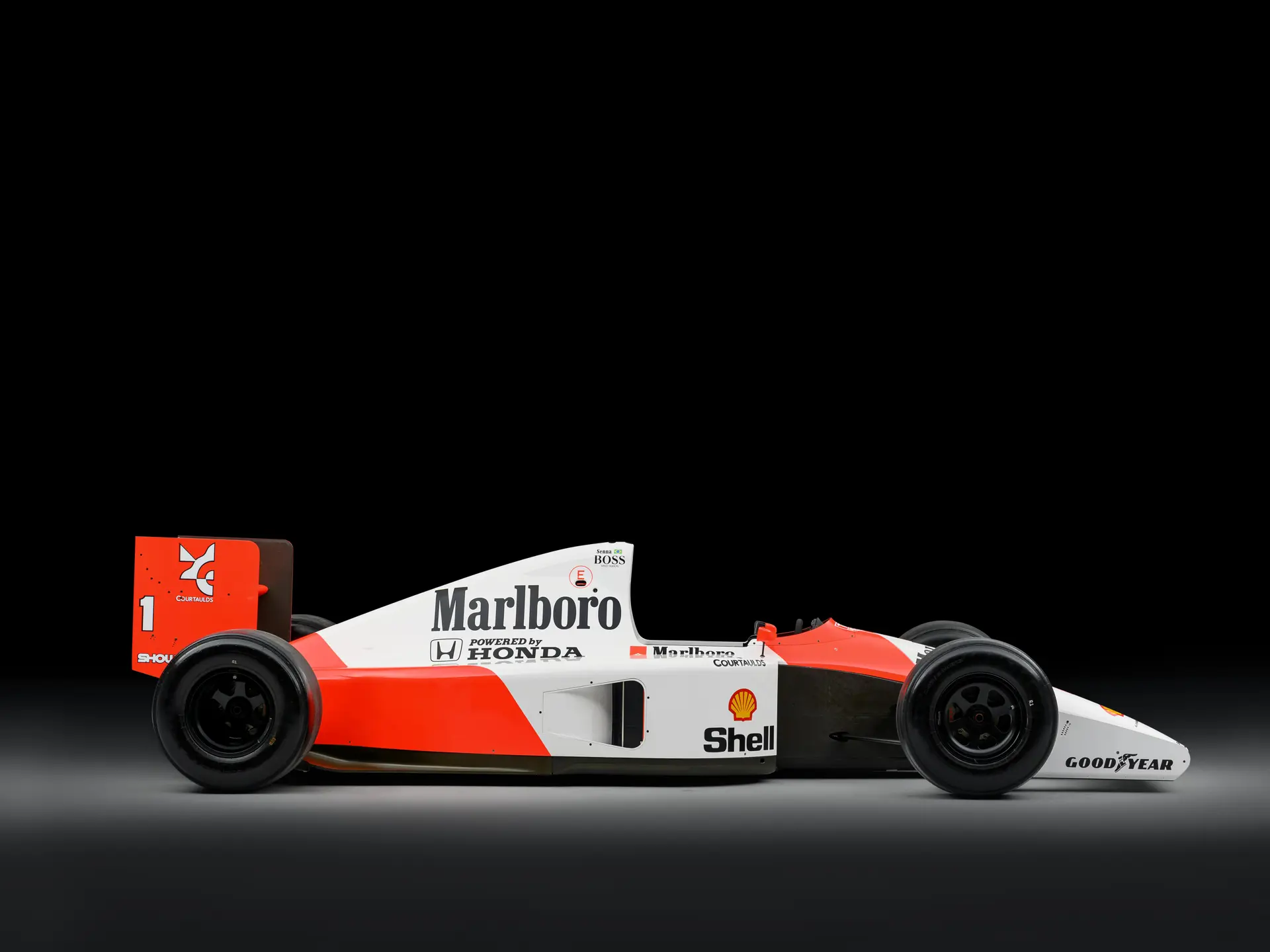 McLaren MP4/6−1
Tim Scott Fluid Images 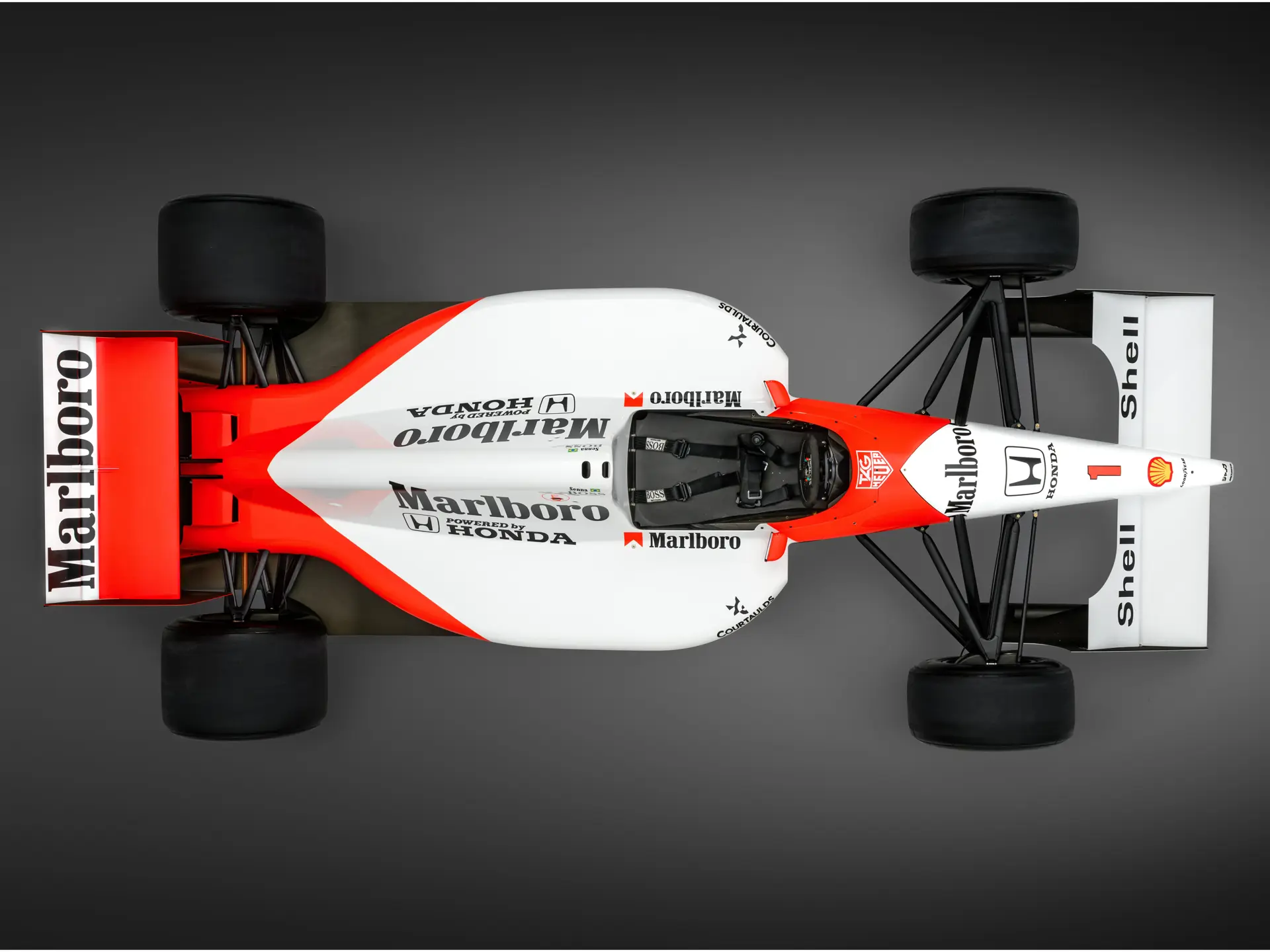 McLaren MP4/6−1
Tim Scott Fluid Images 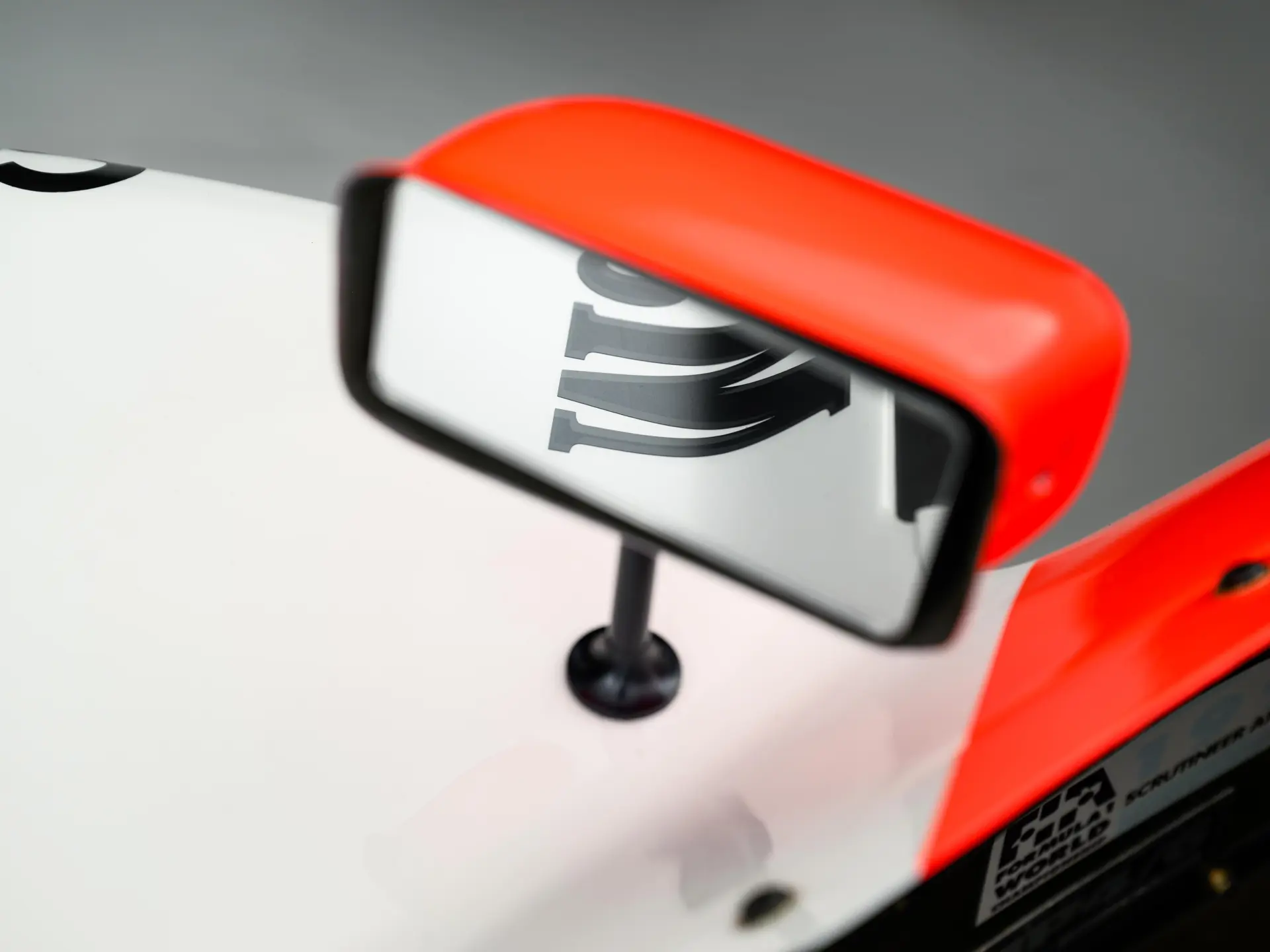 McLaren MP4/6−1
Tim Scott Fluid Images 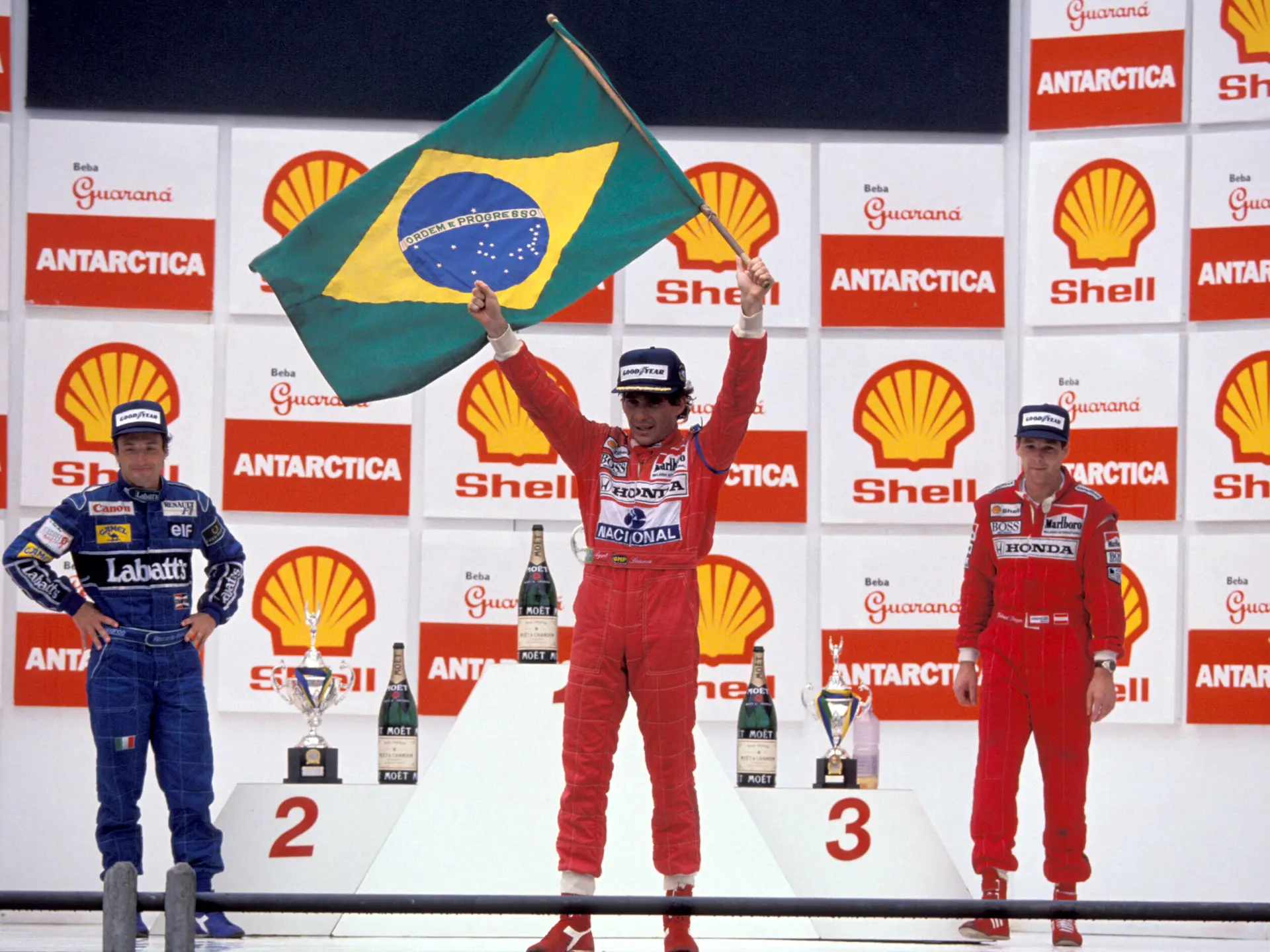 Victory table of the Grand Prix in Brazil in 1991
Getty Images 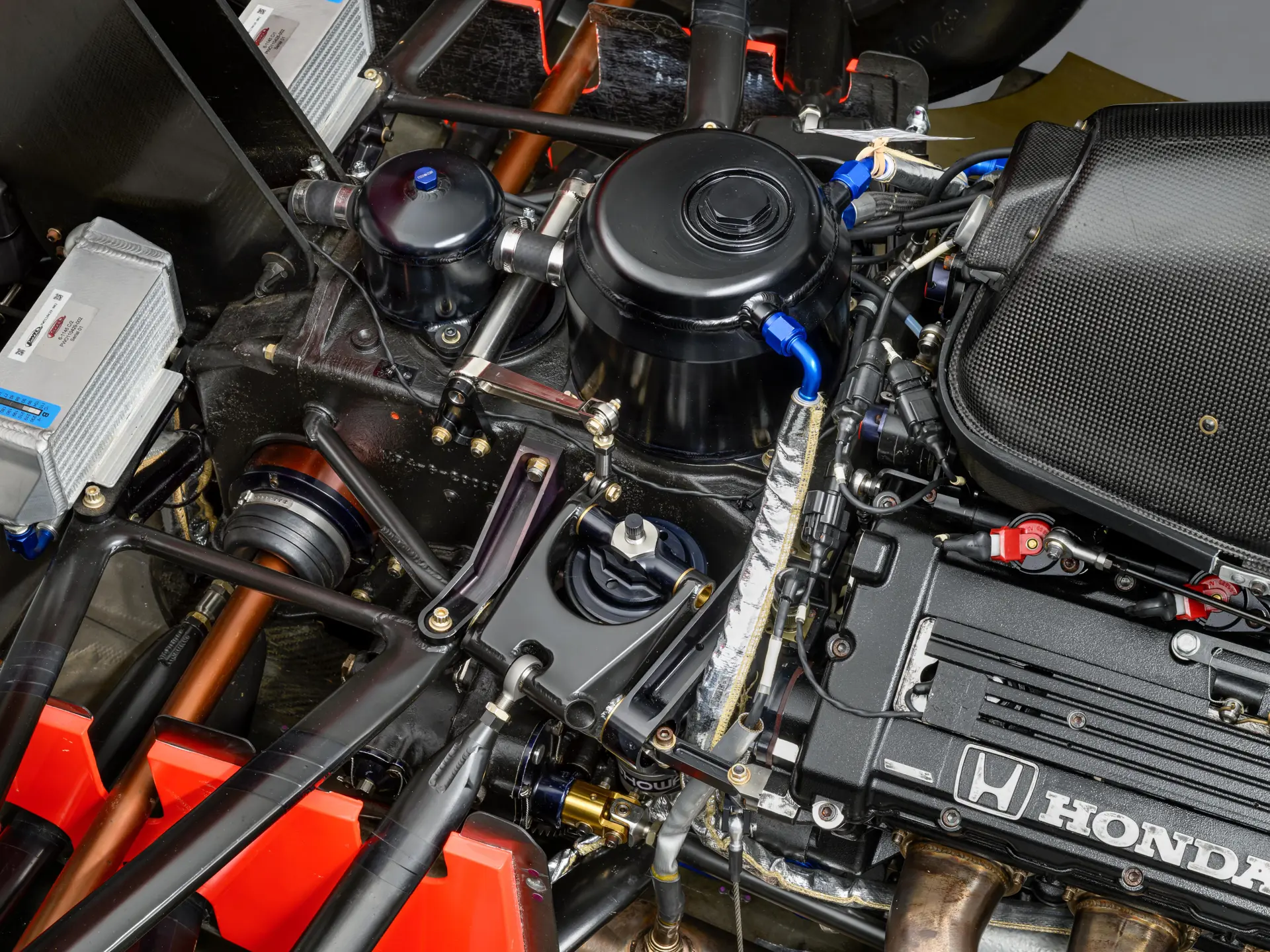 McLaren MP4/6−1
Tim Scott Fluid Images 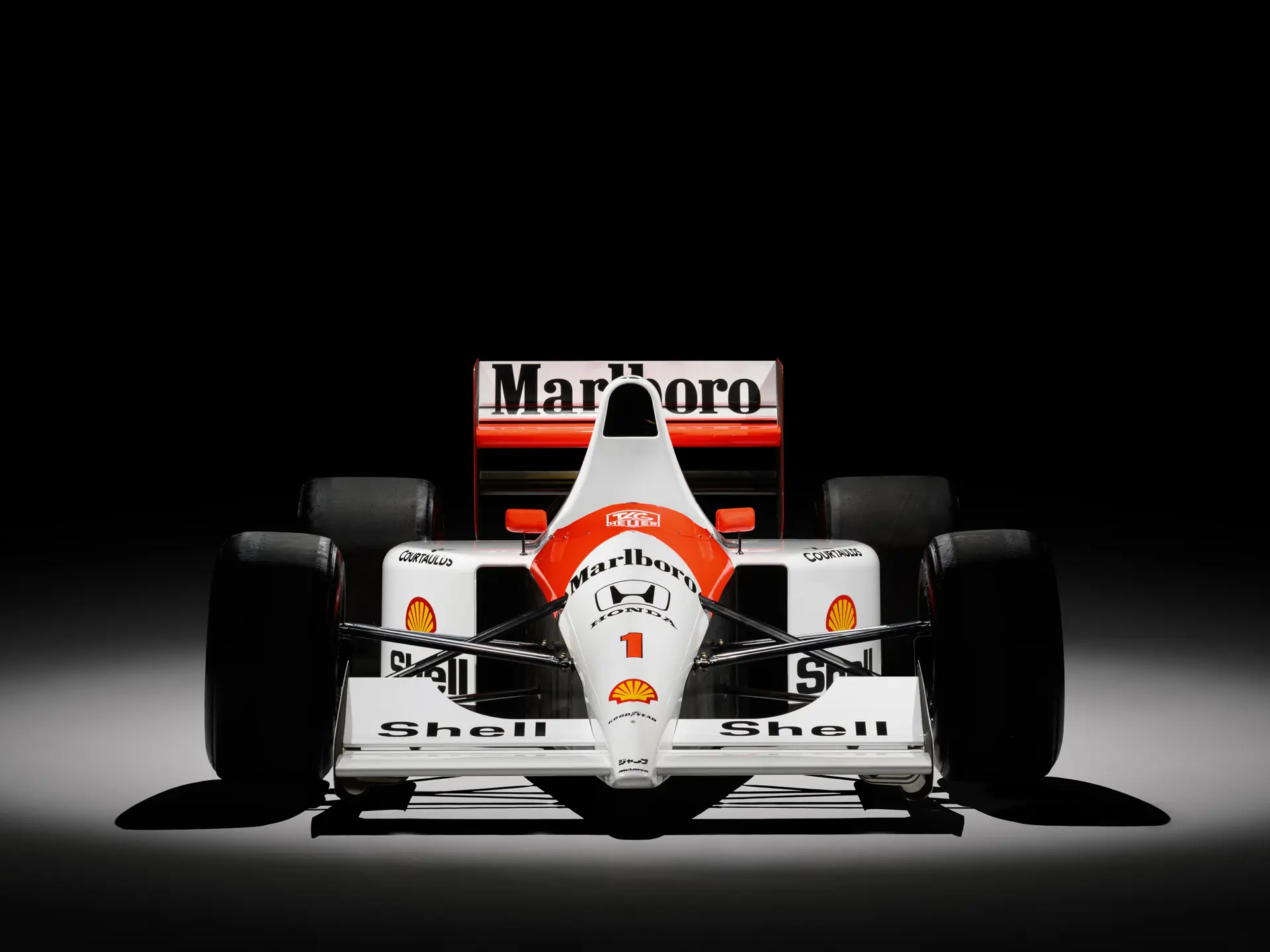 McLaren MP4/6−1
Tim Scott Fluid Images 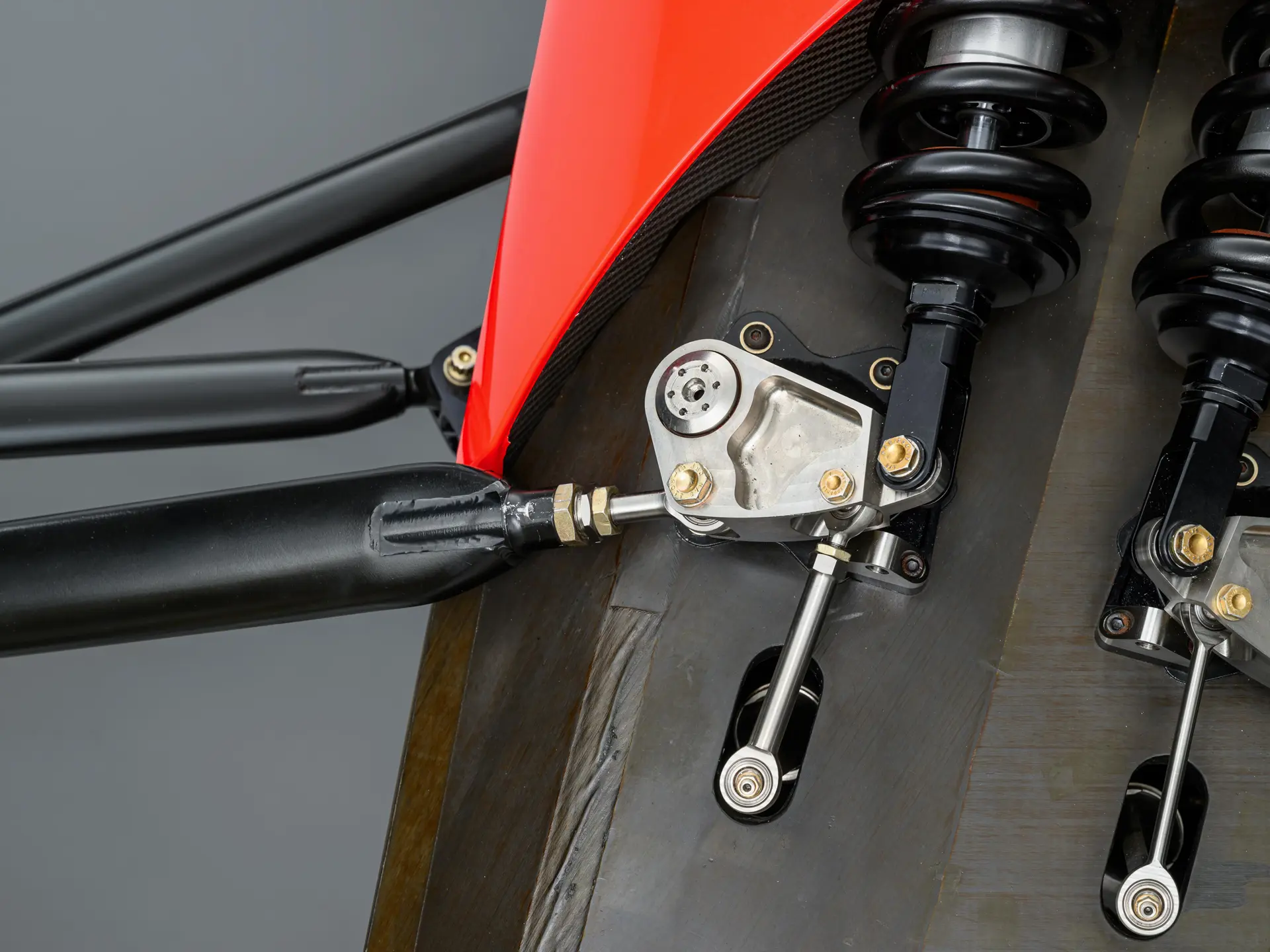 McLaren MP4/6−1
Tim Scott Fluid Images 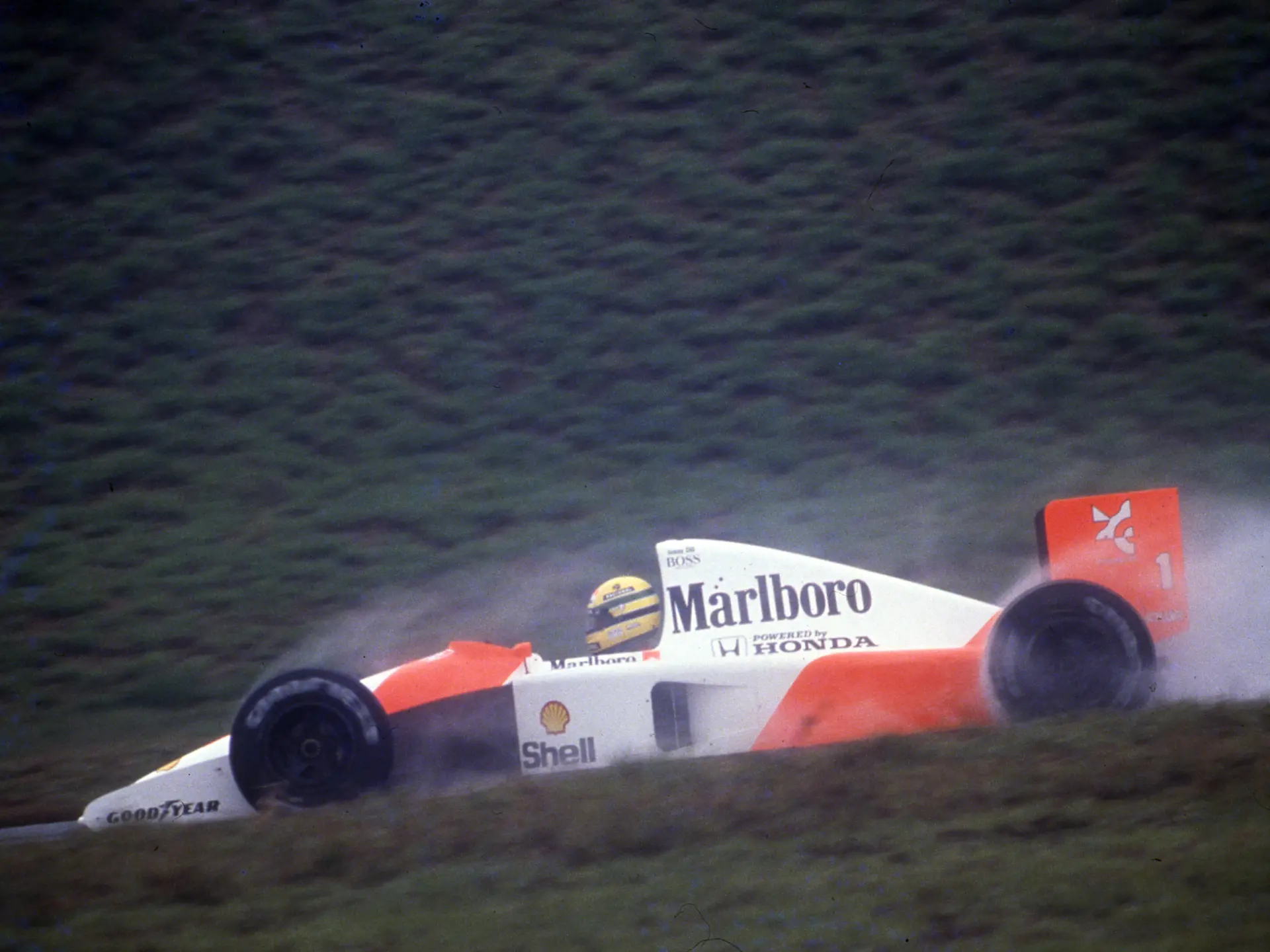 McLaren MP4/6−1
Getty Images 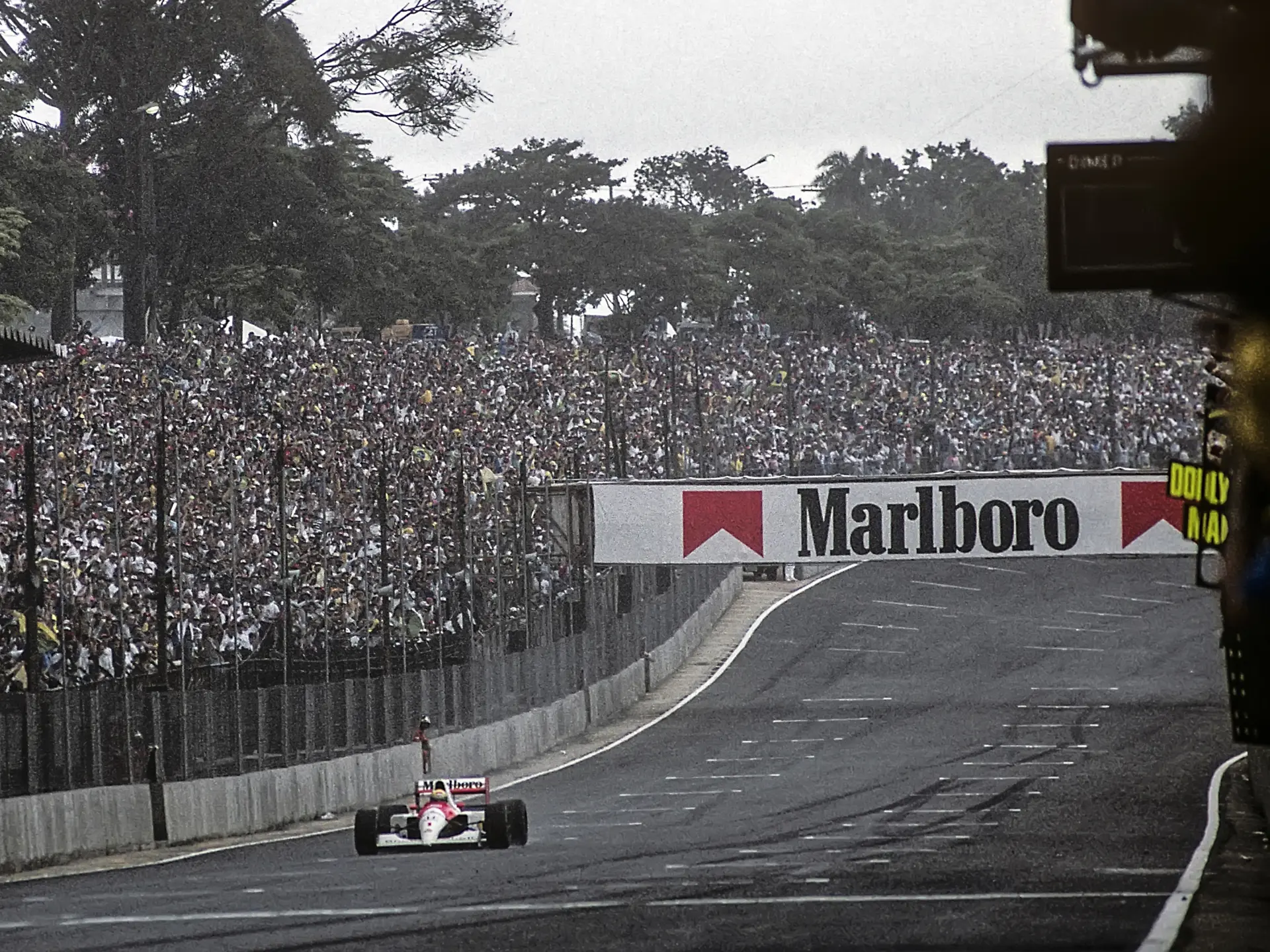 McLaren MP4/6−1
Getty Images 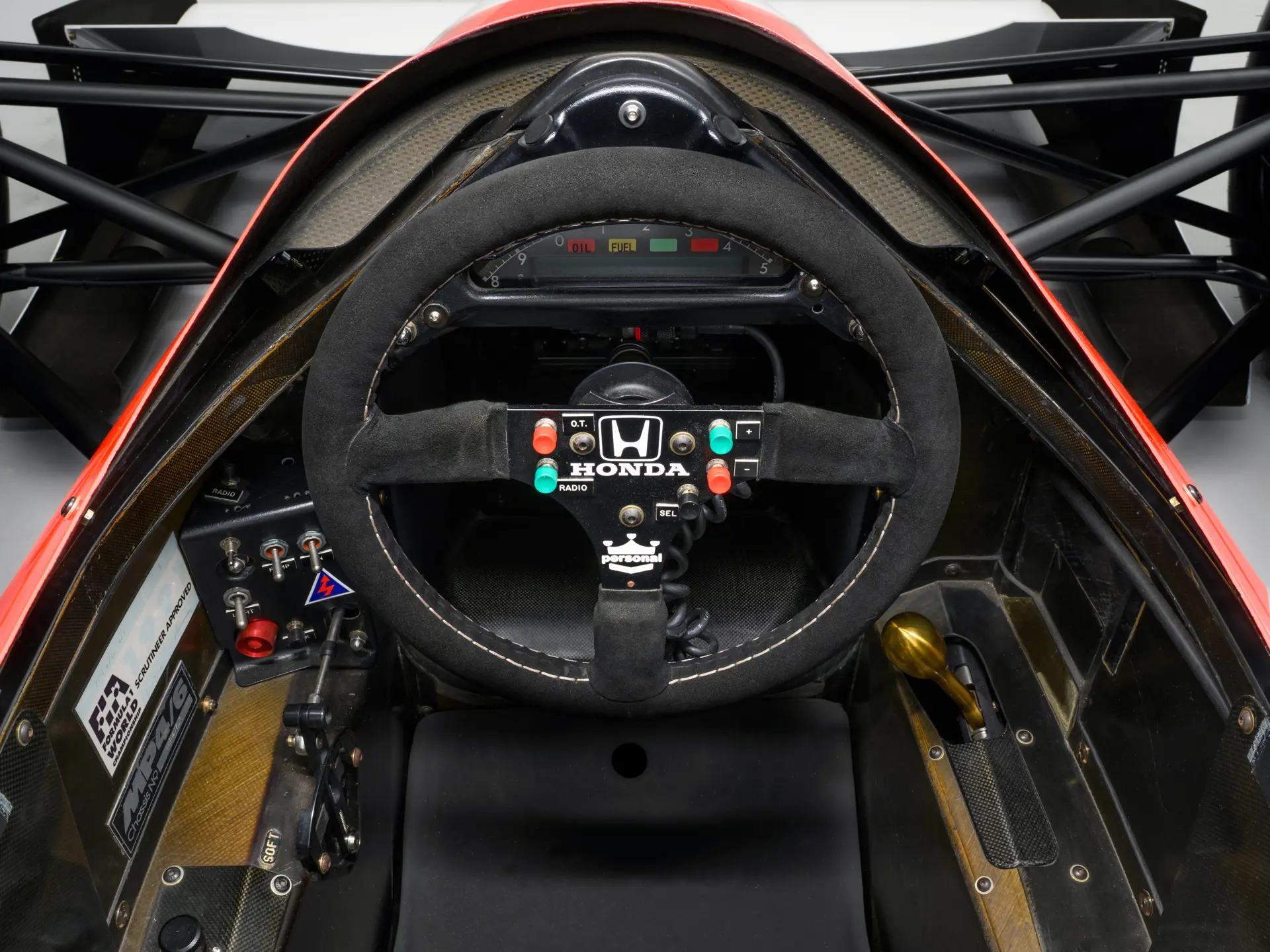 McLaren MP4/6−1
Tim Scott Fluid Images 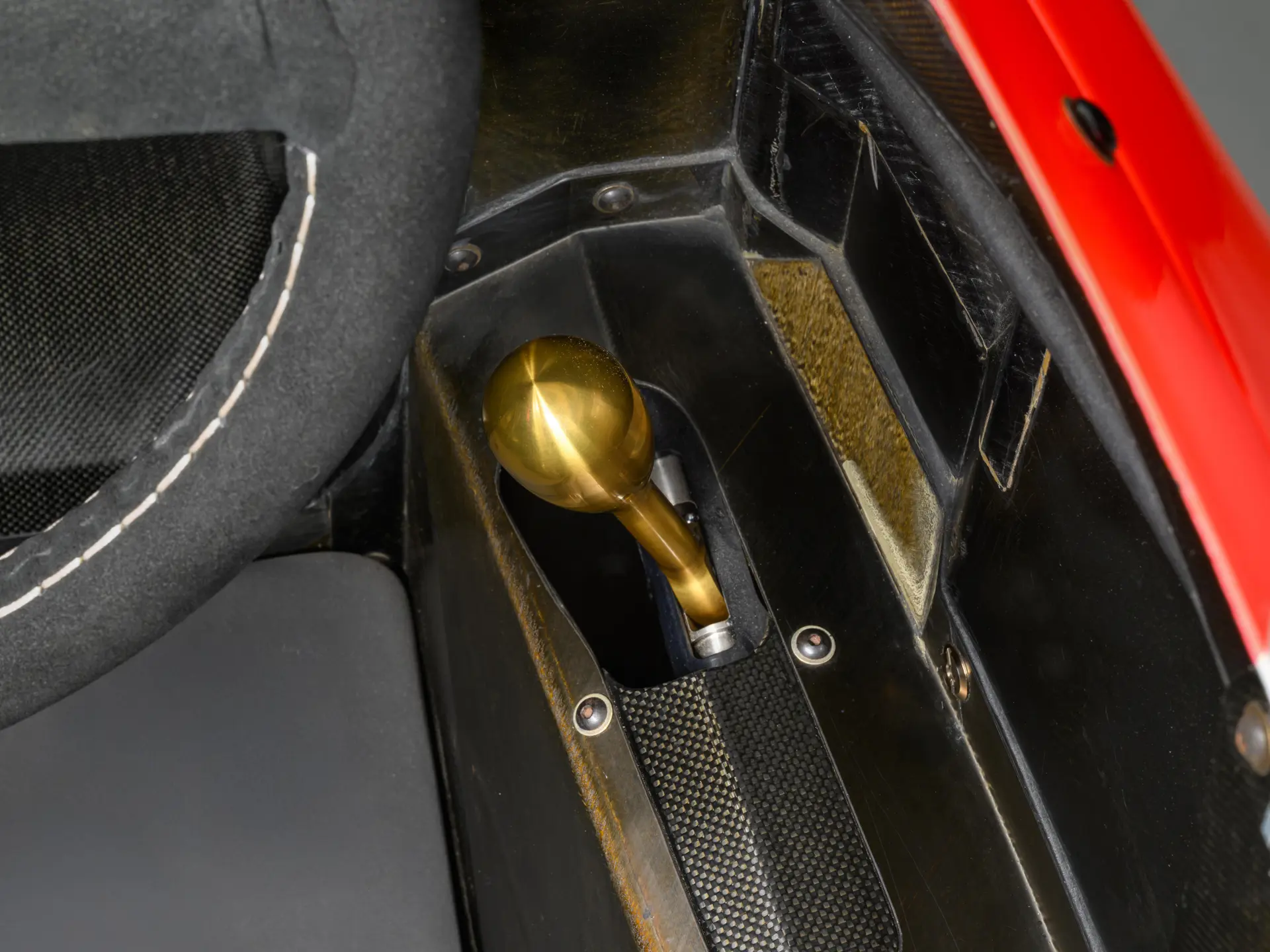 McLaren MP4/6−1
Tim Scott Fluid Images 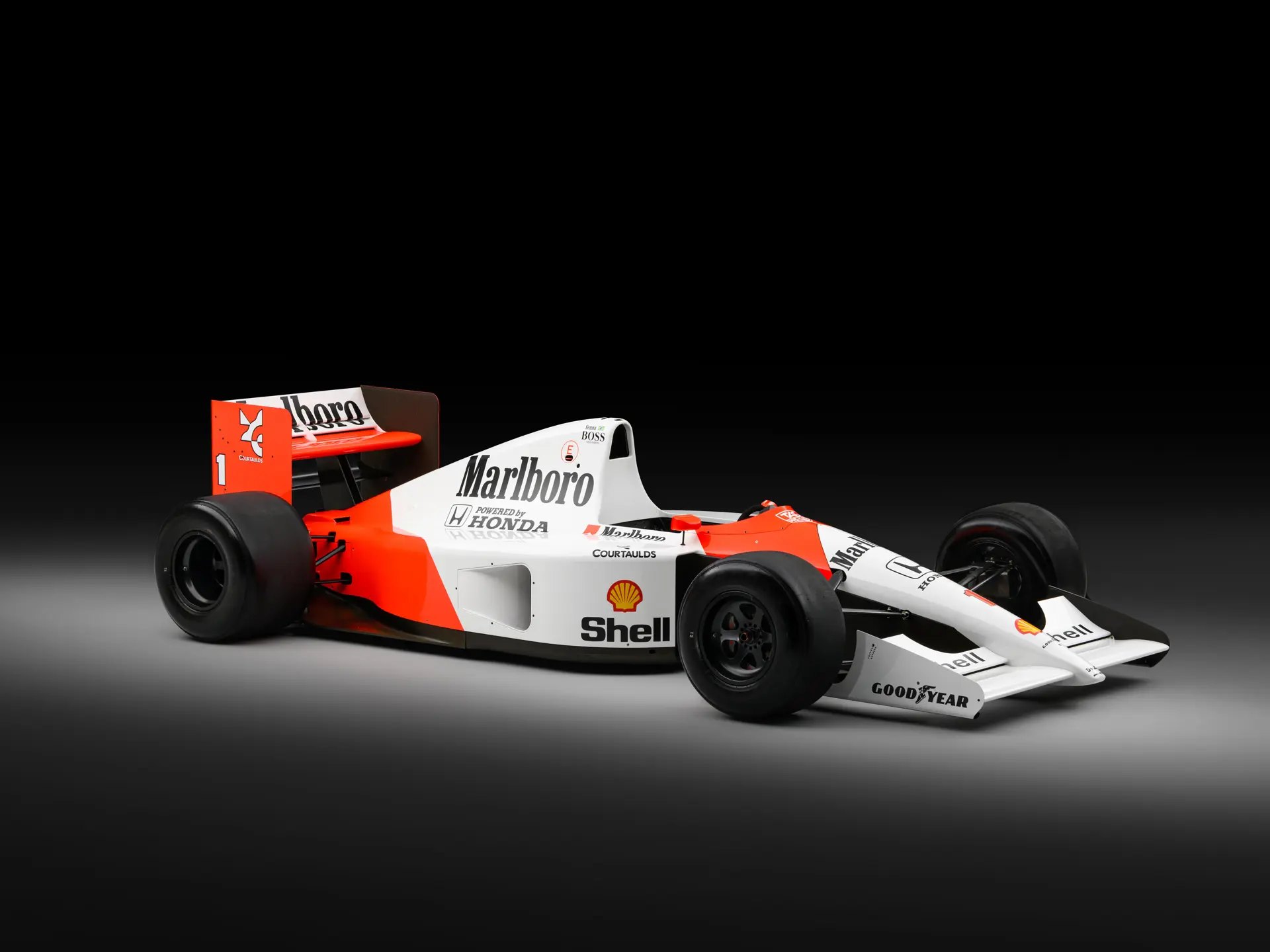 McLaren MP4/6−1
Tim Scott Fluid Images 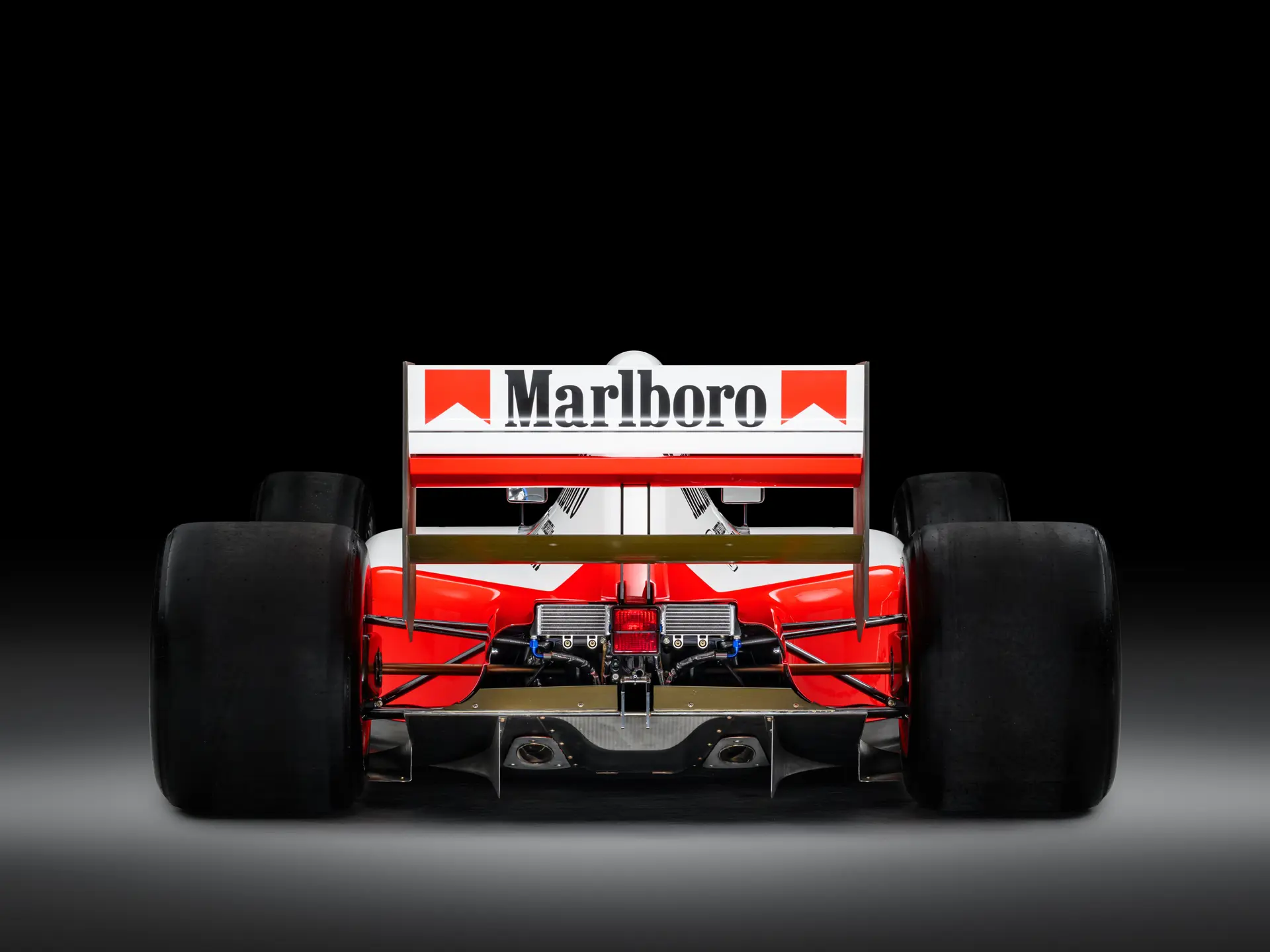 McLaren MP4/6−1
Tim Scott Fluid Images 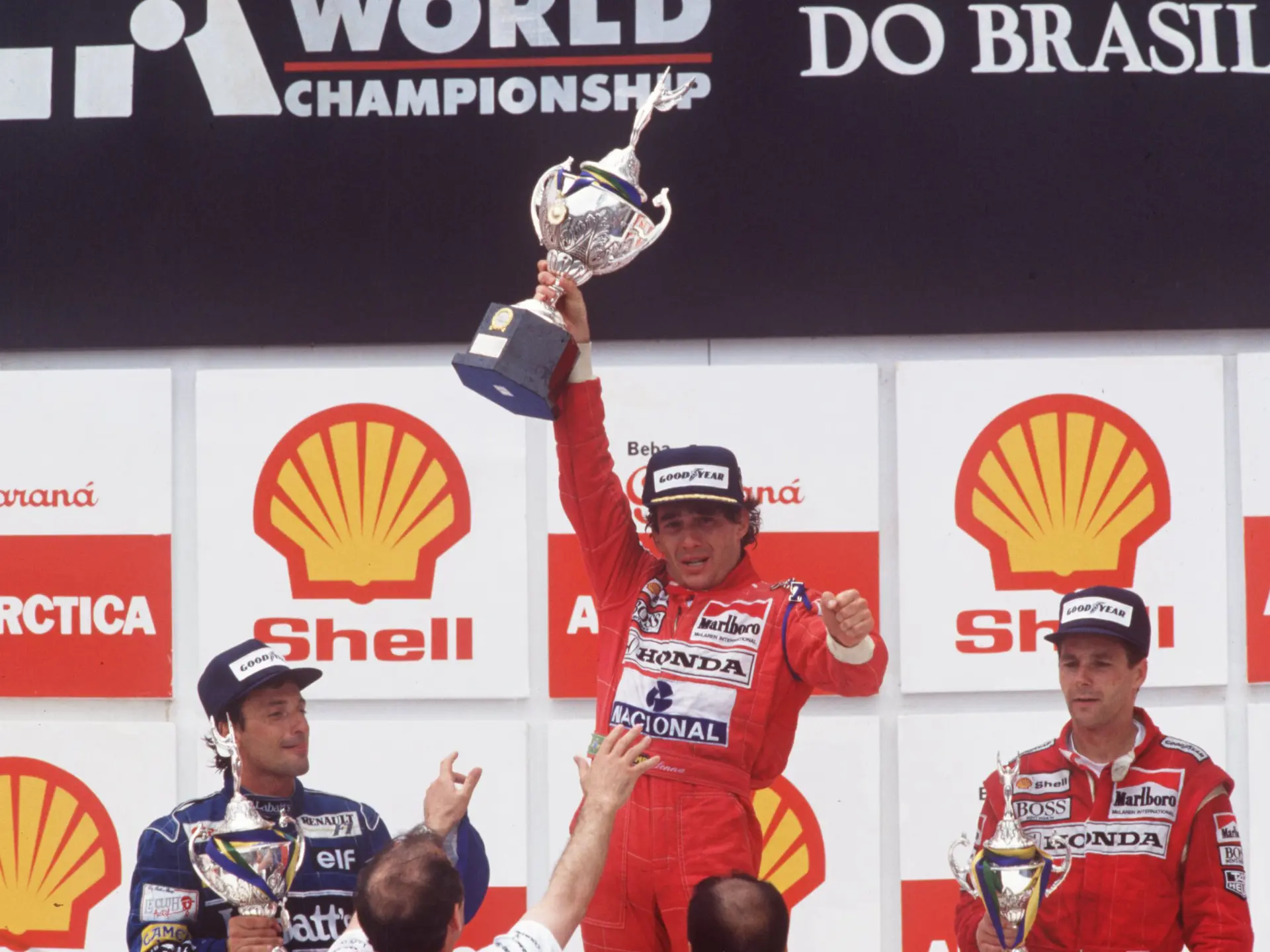 McLaren MP4/6−1
Getty Images 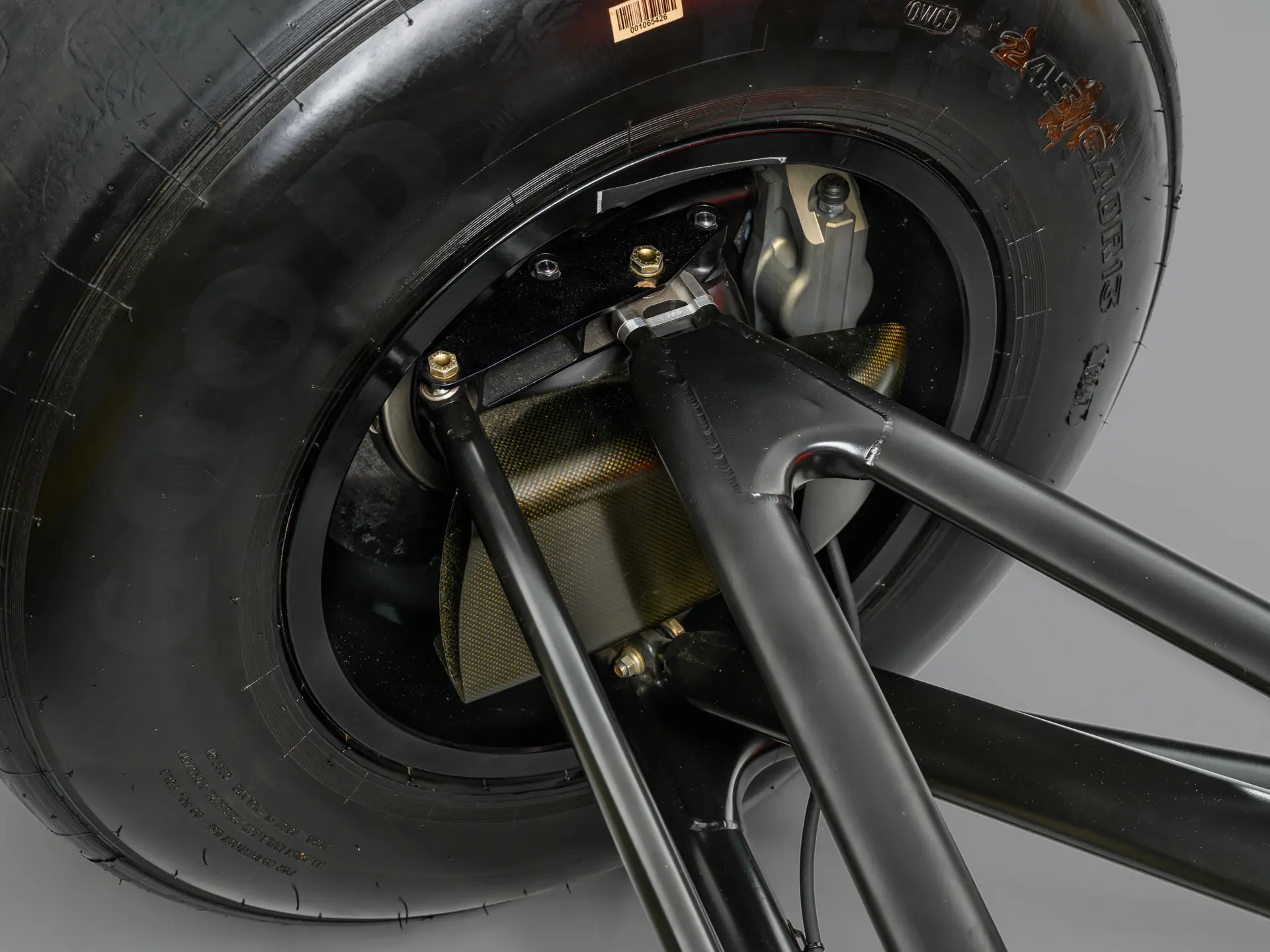 McLaren MP4/6−1
Tim Scott Fluid Images 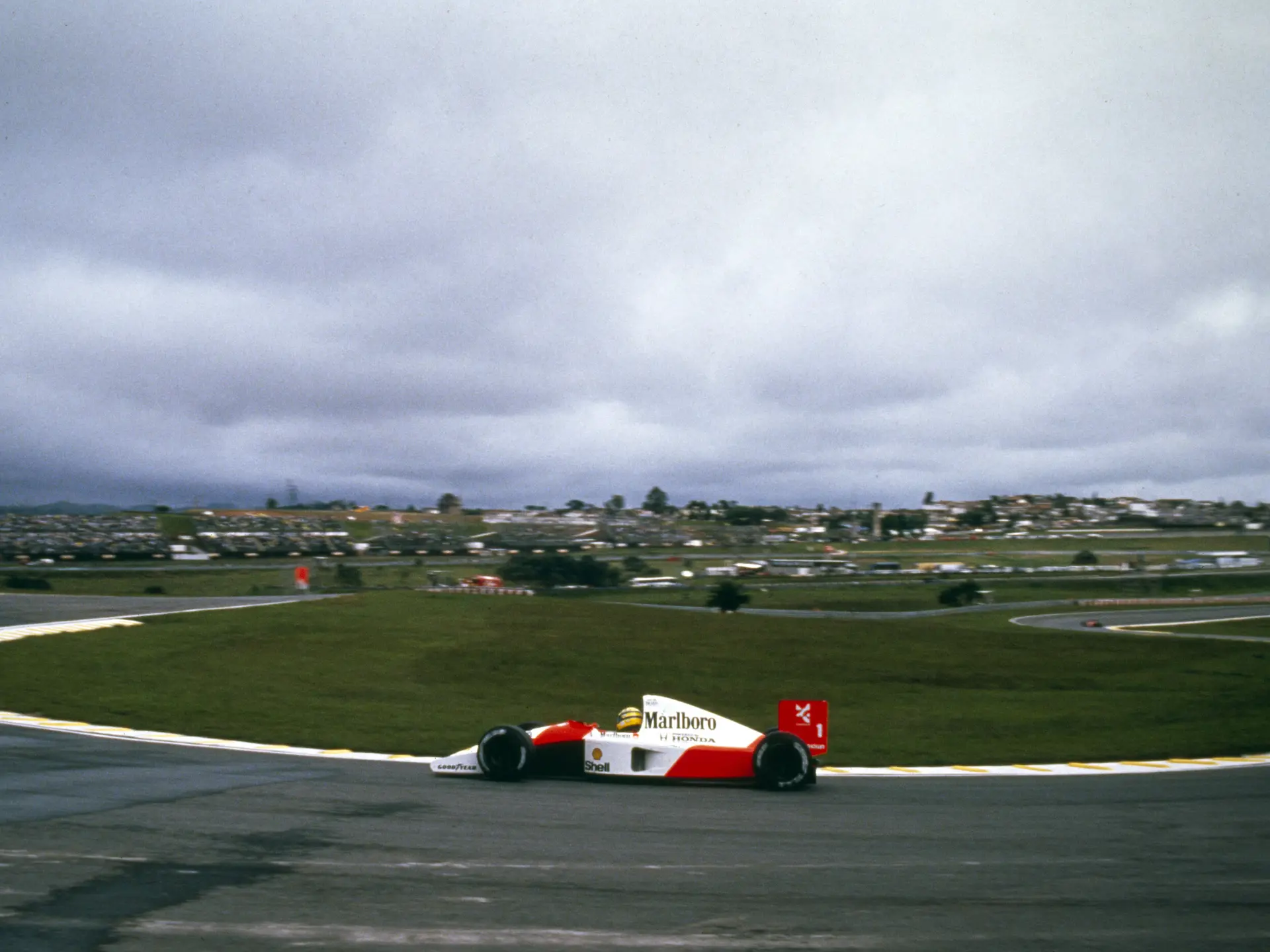 McLaren MP4/6−1
Getty Images 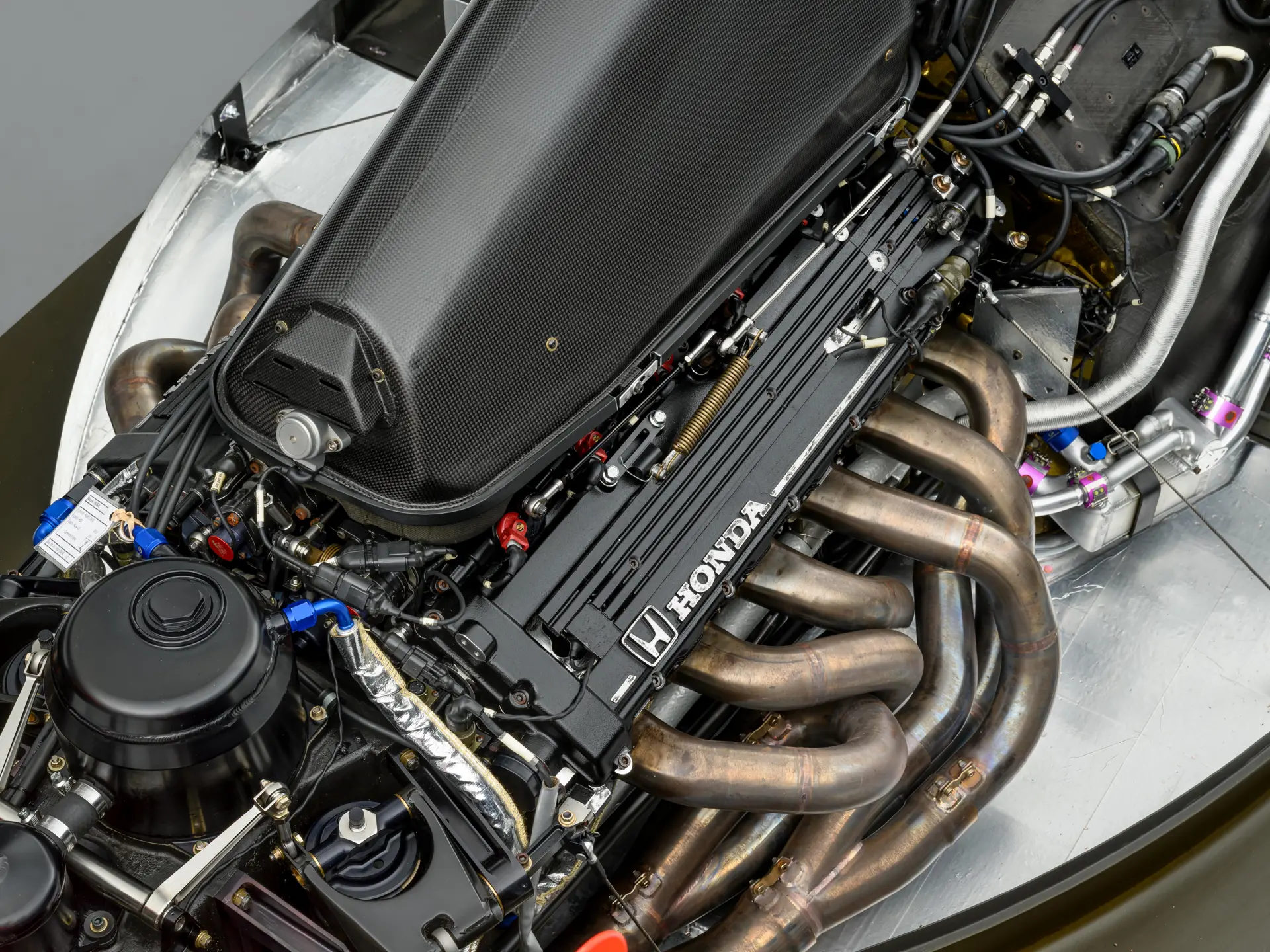 McLaren MP4/6−1
Tim Scott Fluid Images 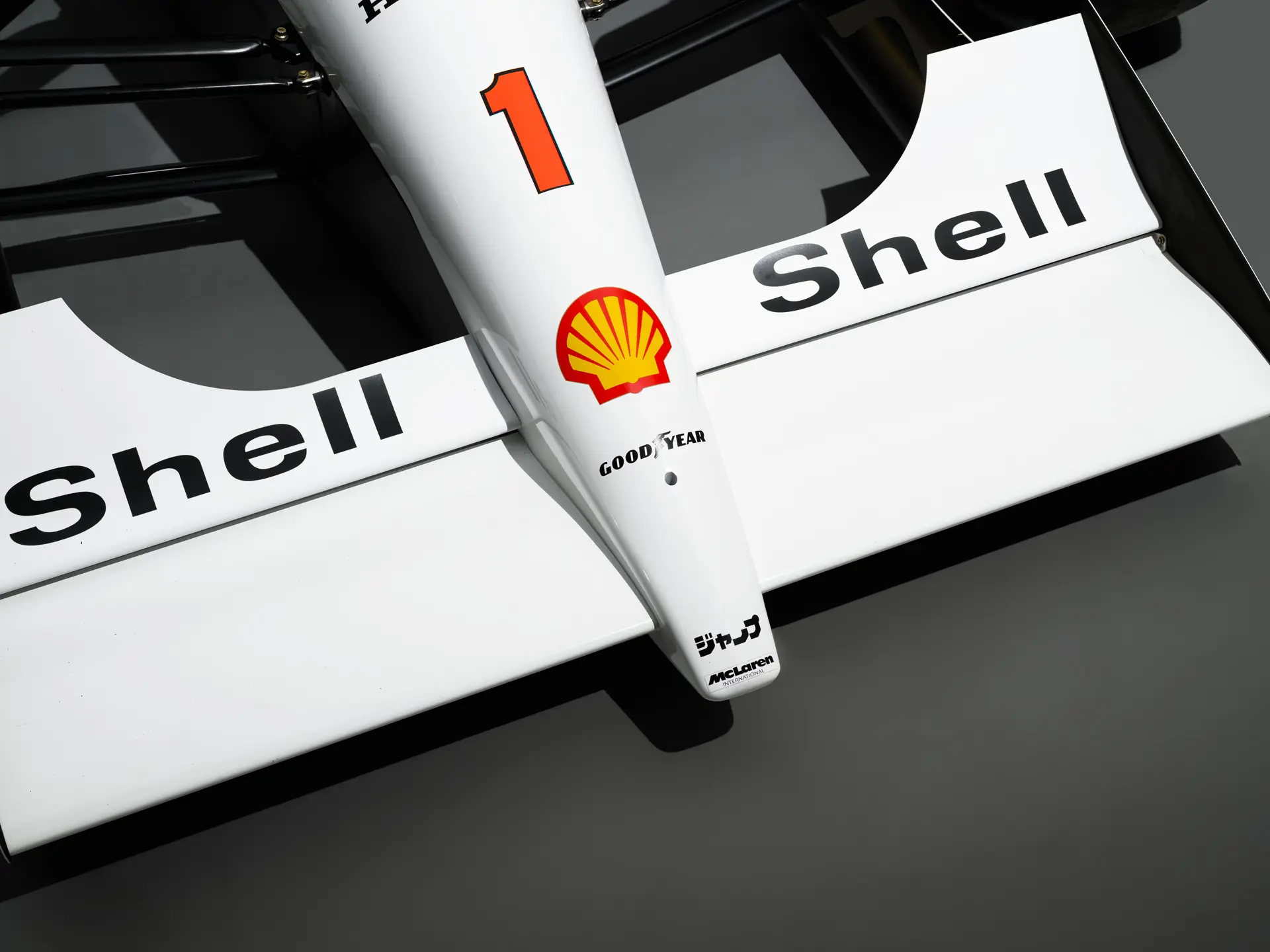 McLaren MP4/6−1
Tim Scott Fluid Images 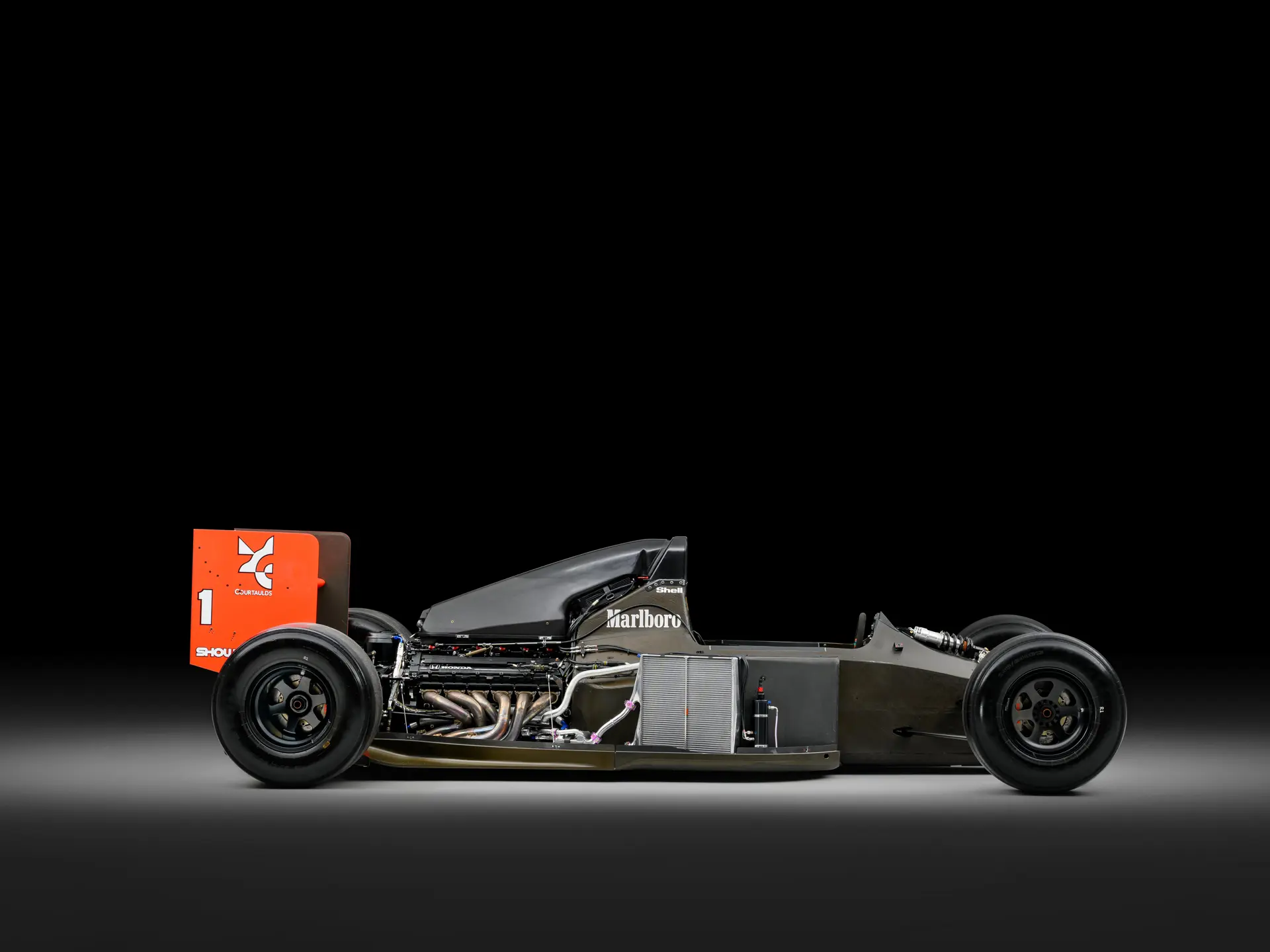 McLaren MP4/6−1
Tim Scott Fluid Images 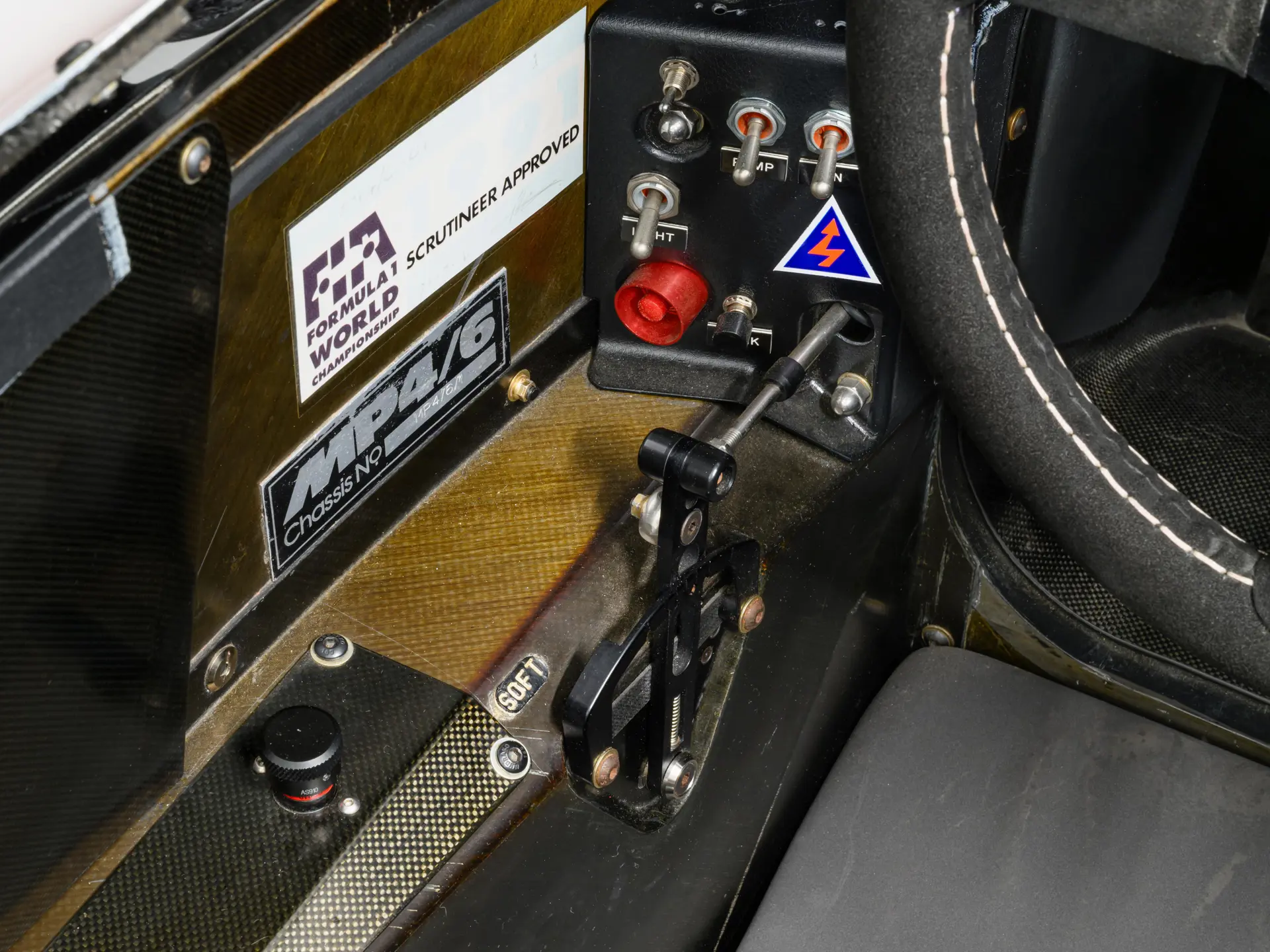 McLaren MP4/6−1
Tim Scott Fluid Images 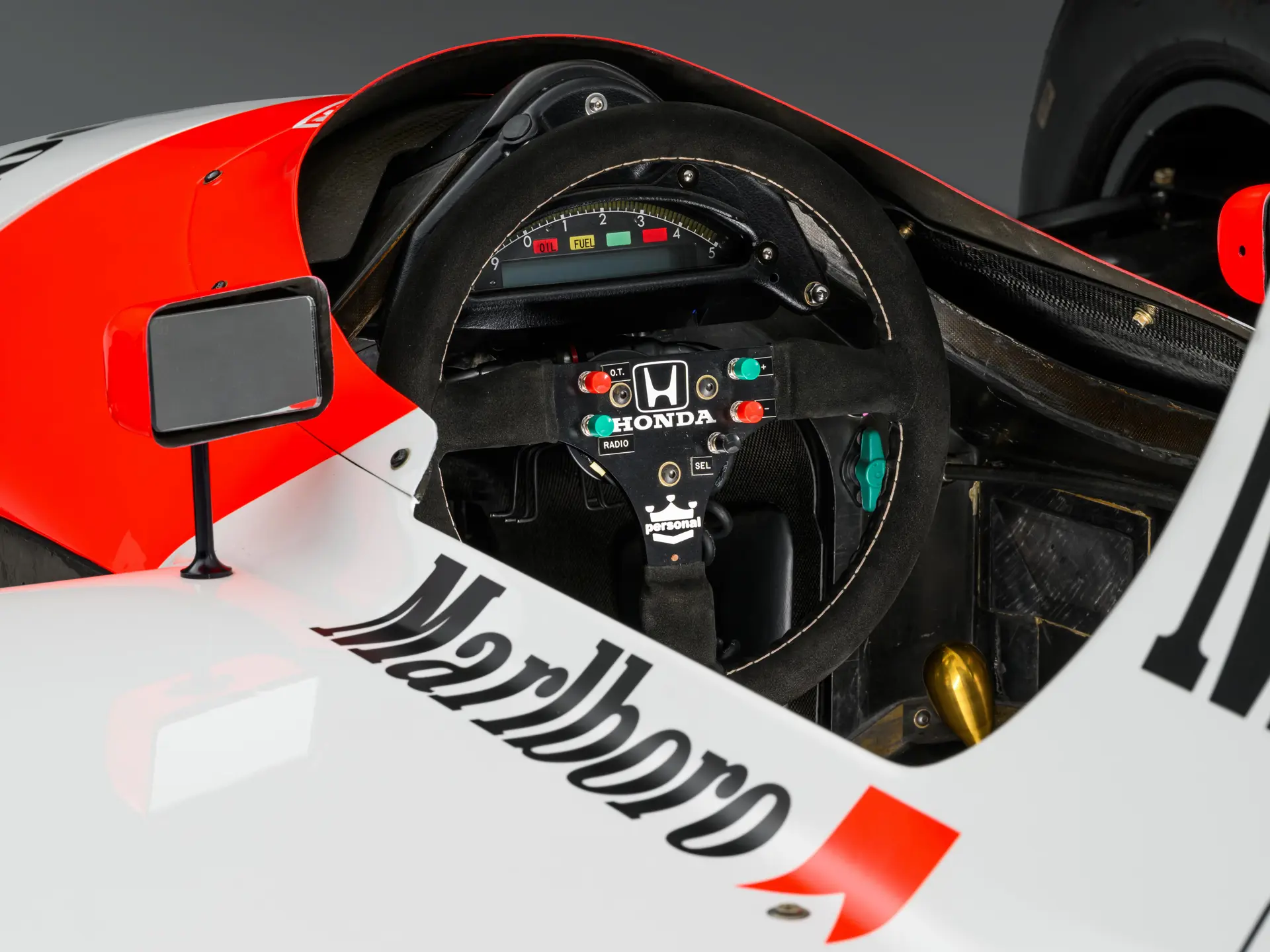 McLaren MP4/6−1
Tim Scott Fluid Images 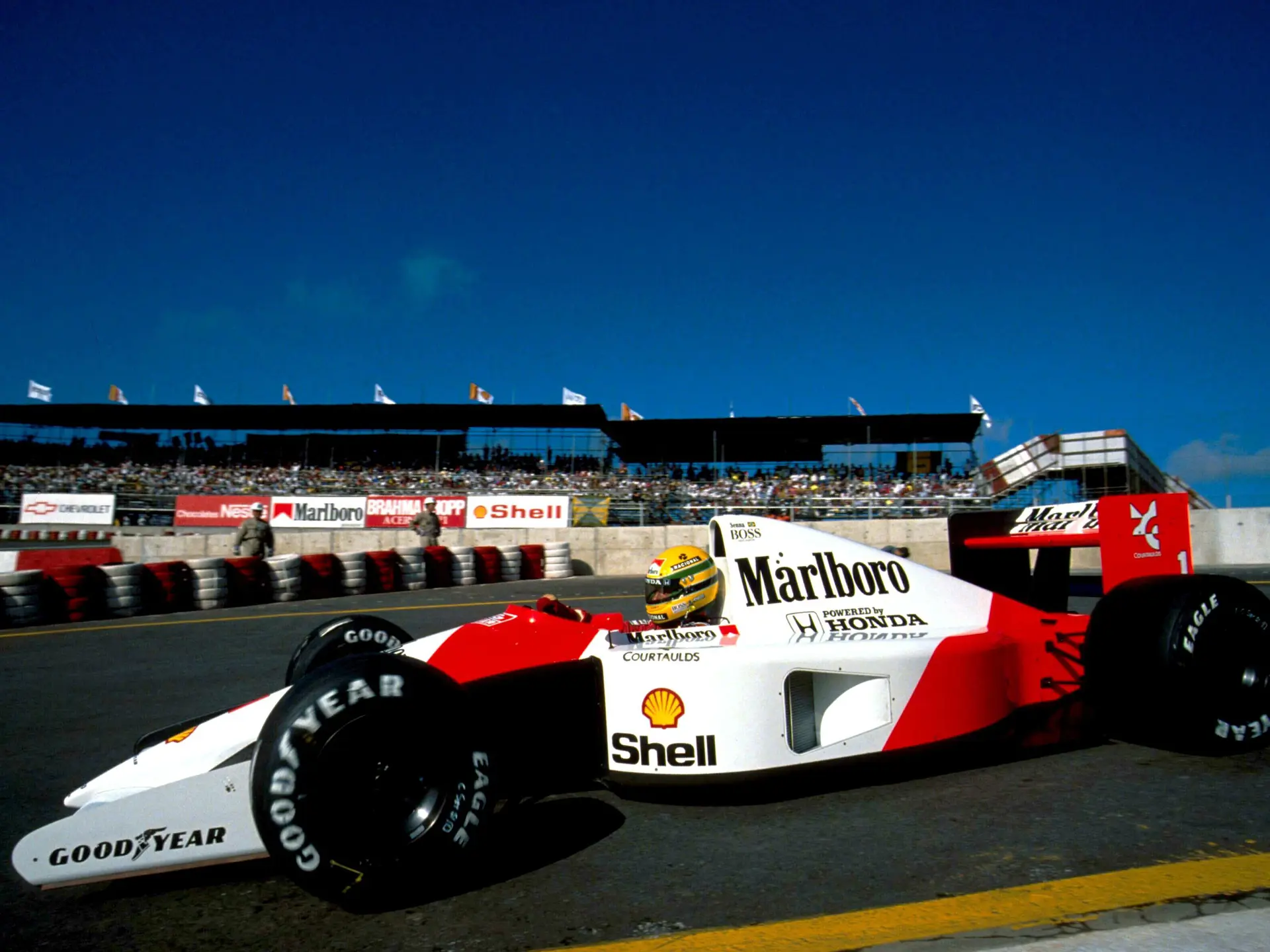 McLaren MP4/6−1
Alamy Images 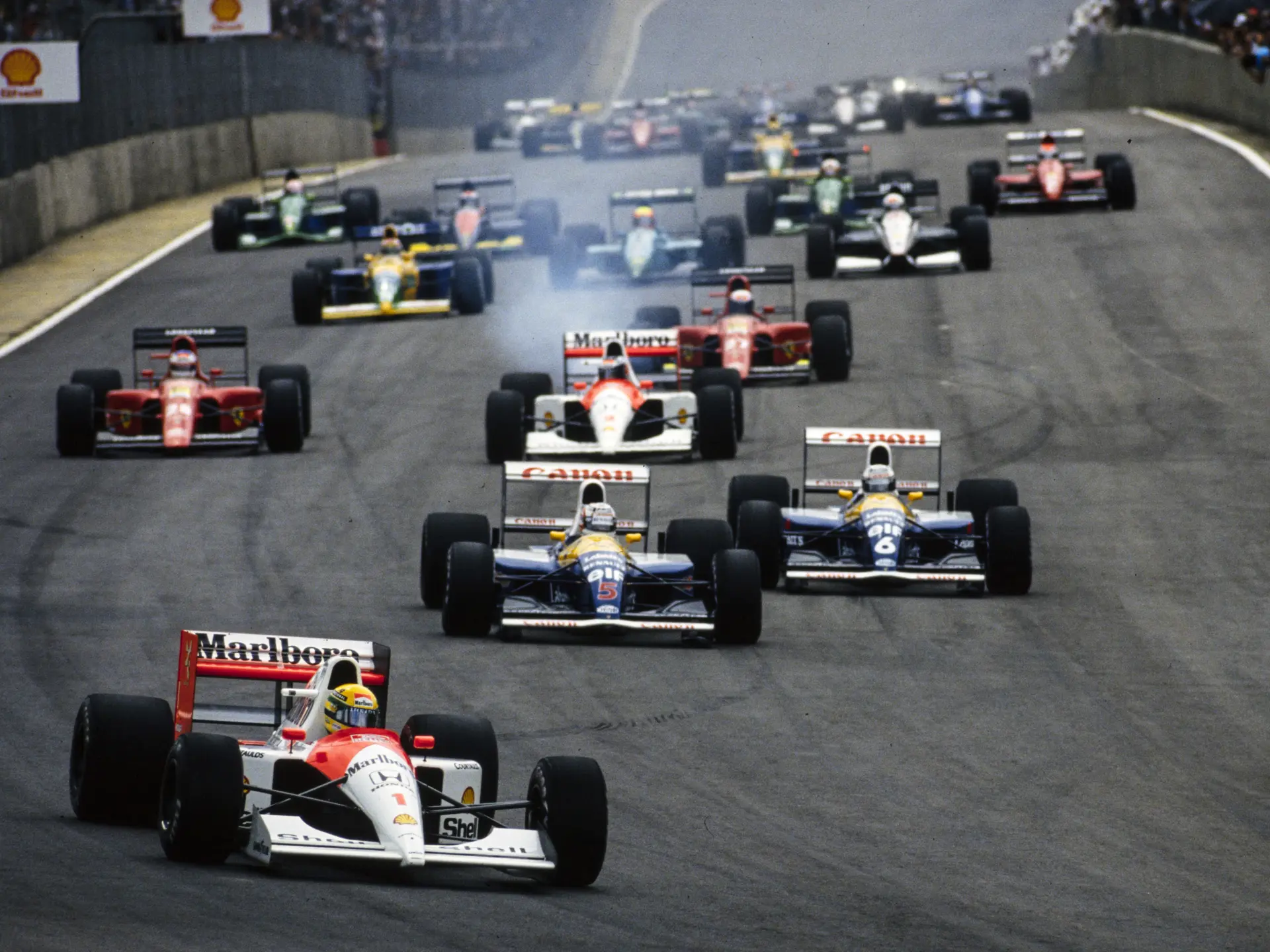 McLaren MP4/6−1
Getty Images