The company noted that starting from 2027, the model will be produced exclusively with an electric power plant, without options with an internal combustion engine.
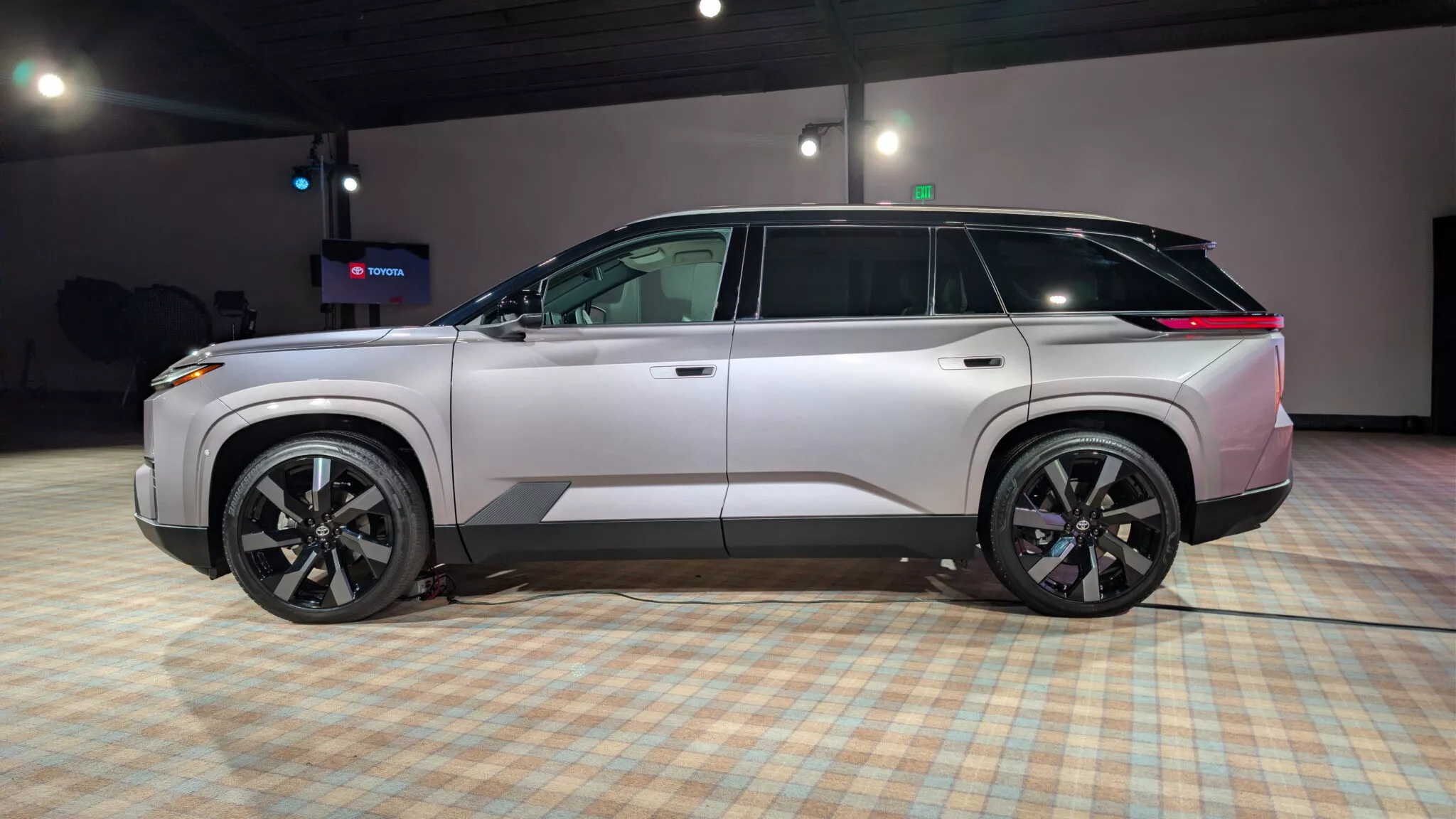
The car is built on a new platform, its dimensions have increased: the length has increased to 5050 mm (+99 mm), the wheelbase has increased to 3050 mm (+201 mm). The longer wheelbase provides a spacious interior and easy access to the third row of seats.
The cabin is equipped with a 14-inch media system and a 12.3-inch digital instrument panel. Physical buttons are retained for important functions such as climate control. The third row of seats, according to Toyota, is designed for adults.
The new Highlander features Toyota Safety Sense 4.0, which includes advanced driver aids. The vehicle-to-load function is also introduced, allowing the car to be used as an external power source for household devices.
The XLE modification will be available with both front-wheel drive and all-wheel drive, while the all-wheel drive version is additionally equipped with a drive mode selection system.
Regardless of the drive type, both versions will receive a 77 kWh battery as standard. A 95.8 kWh battery will also be available for the all-wheel drive variant. The flagship Limited is offered exclusively with all-wheel drive and a 95.8 kWh battery.
In terms of performance, the front-wheel drive XLE version has a 77-kilowatt battery and a 221-hp motor. capable of traveling up to 462 kilometers on a single charge. The all-wheel drive XLE variant with a similar battery has a range of about 435 kilometers. The longest range is provided by the flagship Limited all-wheel drive version with a 338-horsepower powertrain: according to preliminary estimates, it can cover up to 515 kilometers without recharging.
It was previously reported that UAZ is testing new diesel models in extreme conditions.
Toyota Highlander
Stephen Rivers/Carscoops 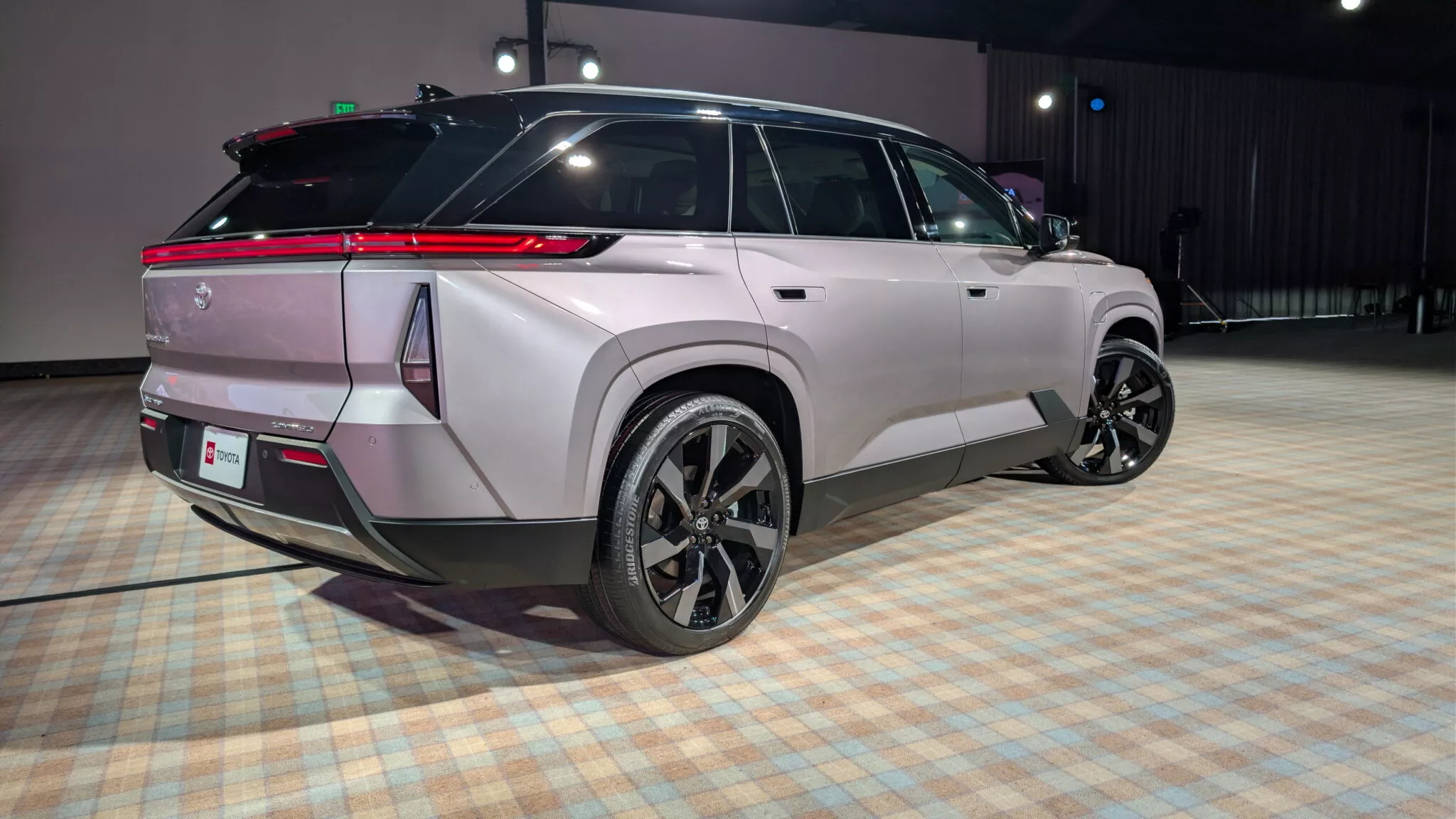 Toyota Highlander
Stephen Rivers/Carscoops 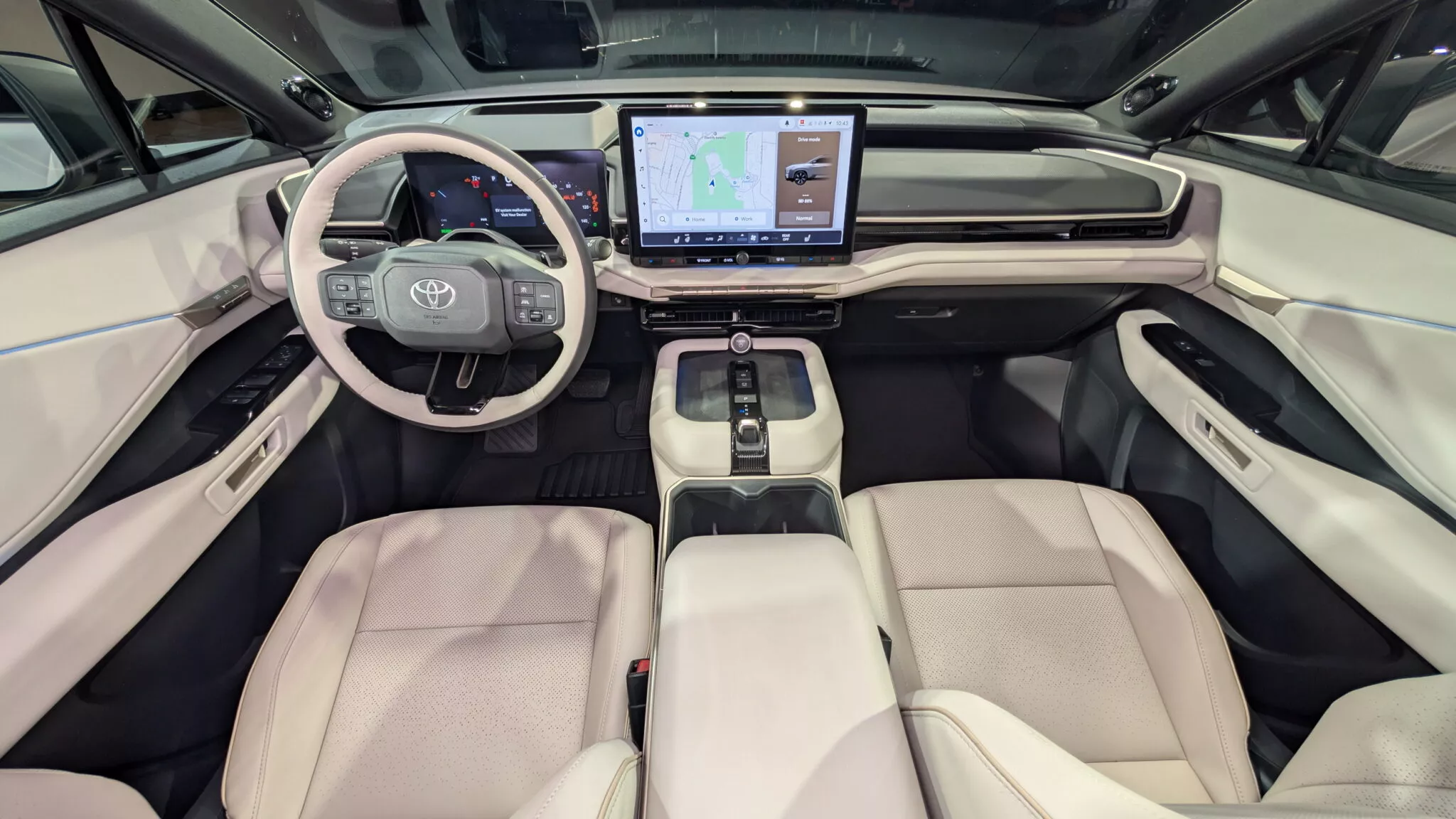 Toyota Highlander
Stephen Rivers/Carscoops 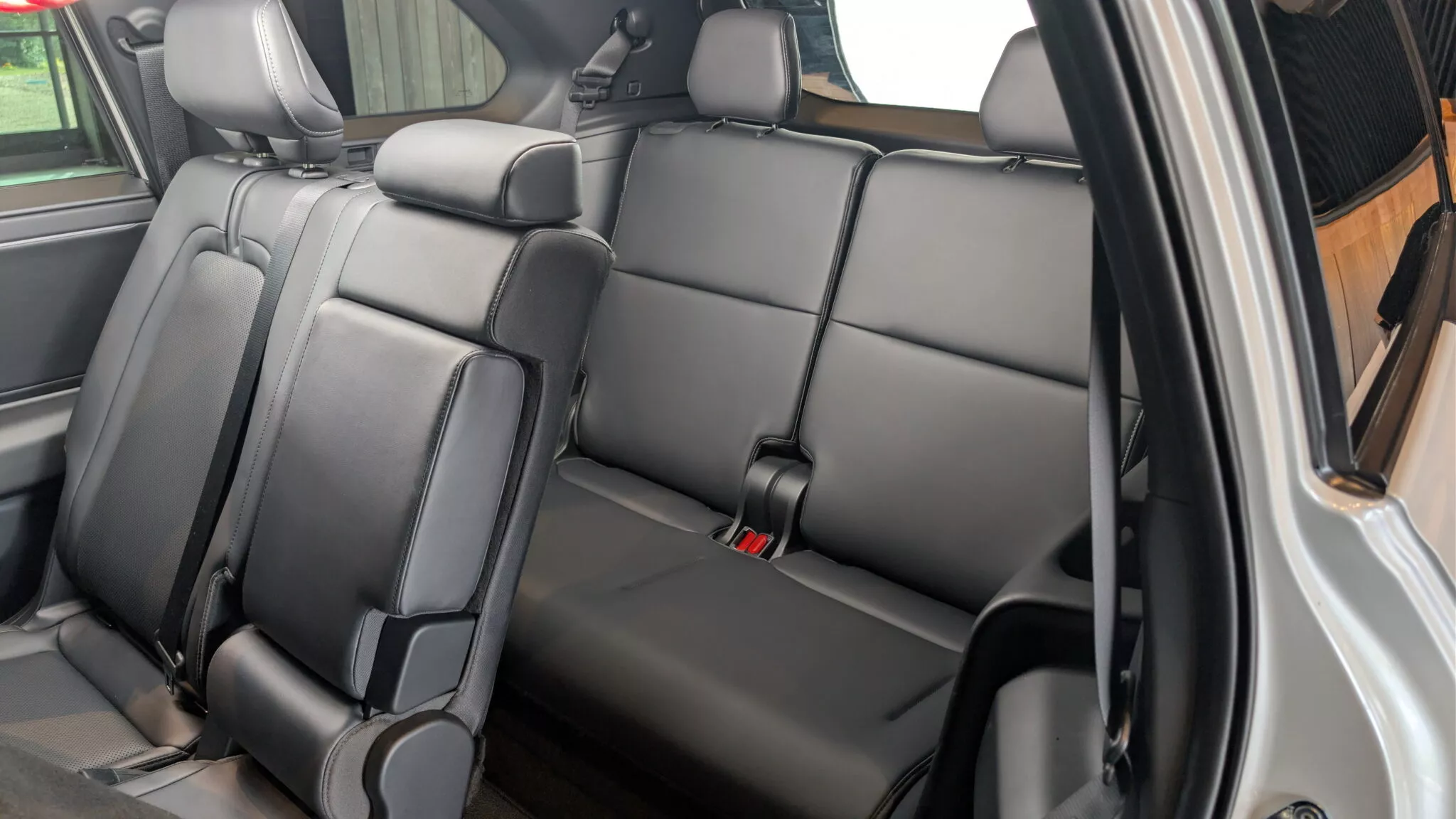 Toyota Highlander
Stephen Rivers/Carscoops