It is noteworthy that Japanese competitors often win not only in dynamics on difficult tracks, but also in practicality, offering a lower price, legendary reliability and better value retention.
Topping the list is the 2026 Honda Civic Type R. This car is the quintessence of engineering. With a 315-horsepower turbo engine, it’s unlikely to win a drag race against the 473-horsepower BMW M2, but on a twisty track, the situation changes. Thanks to the unique front suspension and low weight, the Civic Type R corners on an equal footing with the German.
Next up is the Toyota Supra. As the technical twin of the BMW Z4, the Supra Final Edition was a real hit. Its suspension and steering settings are more aggressive than those of its more comfortable German “relative”. Completing the look are huge Brembo brakes and a carbon fiber wing. The Supra is lighter, cheaper than the Z4 and certainly turns heads on the road.
In third place is the 2025 Nissan Z Nismo. Engineers seriously worked on body rigidity, engine cooling and installed Dunlop SP Sport MAXX GT600 tires. Combined with Recaro seats and a 9-speed automatic transmission, this car became a direct competitor to the BMW M2.
Coming in fourth place is the 2025 Lexus IS 500. While the BMW M3 uses an inline-six, Lexus relies on a naturally aspirated 5.0-liter V8. The balanced characteristics of the steering, suspension and engine make the IS 500 an ideal companion for mountain serpentines.
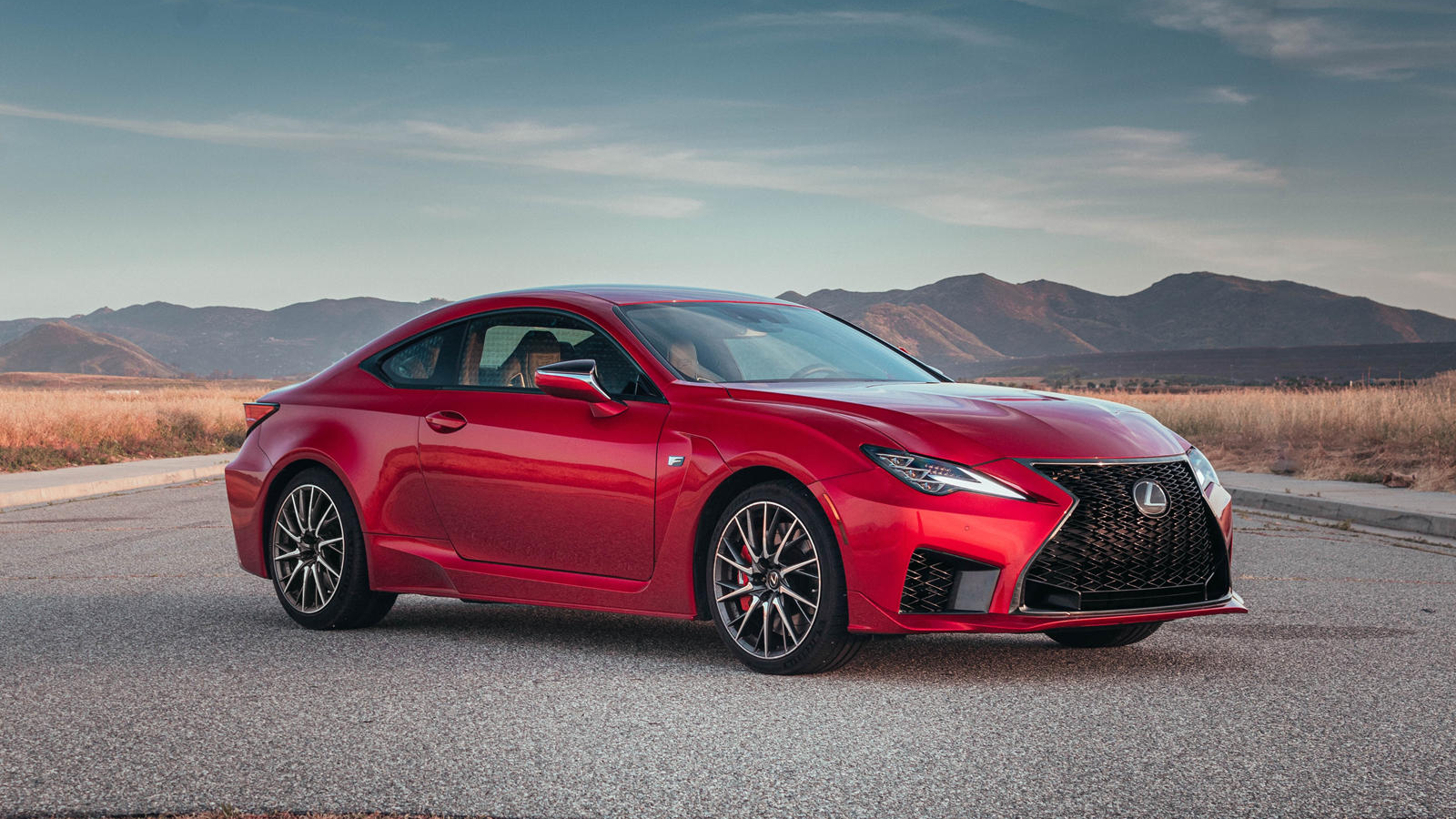
The Lexus RC F coupe completes the list. Unlike its closest competitor, the BMW M4, the “Japanese” gives strong emotions from the sound of the V8 engine. In addition, the RC F is reliable.
It was previously reported that UAZ would rename the SUV for the first time in the history of the Hunter model.