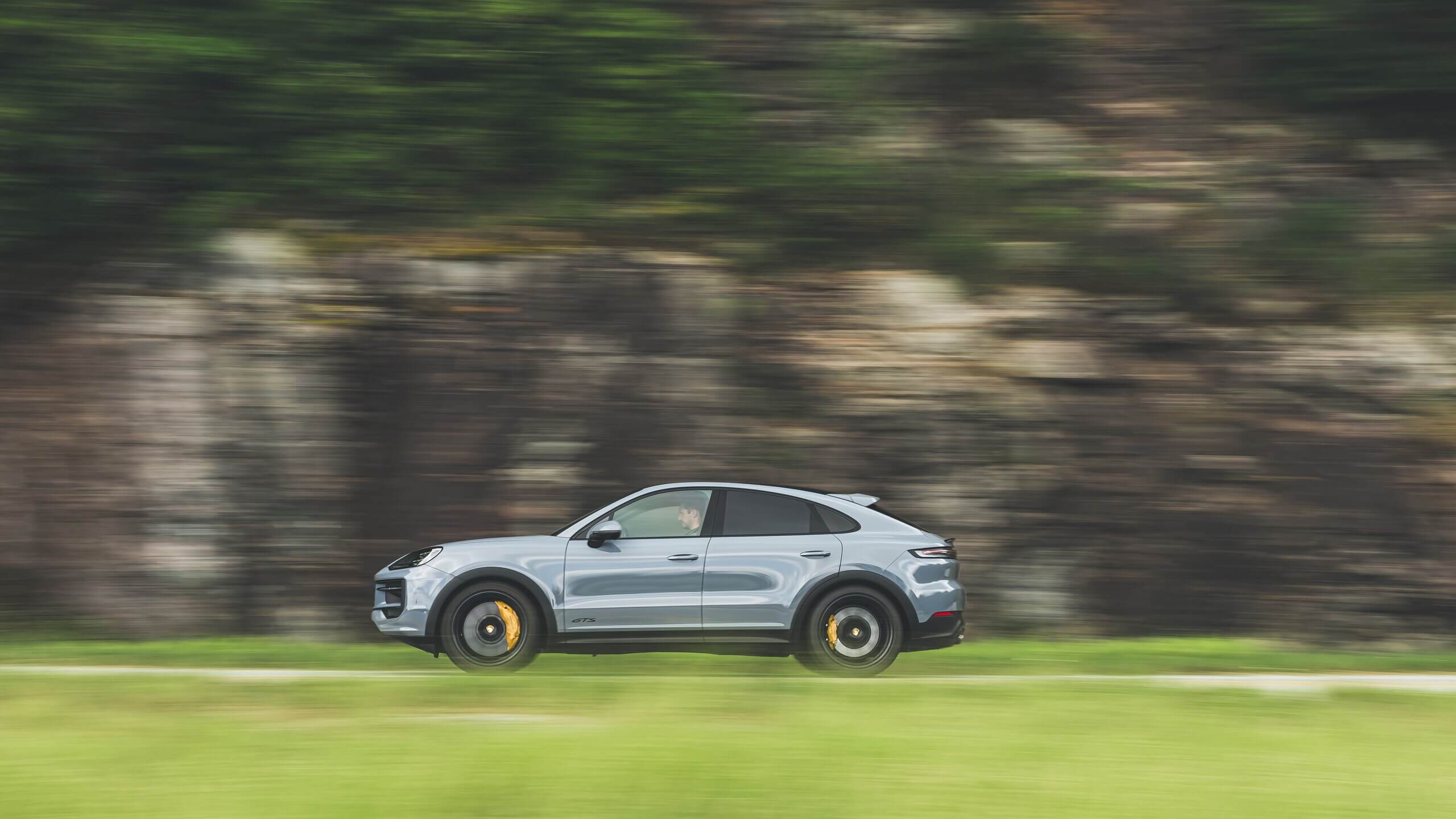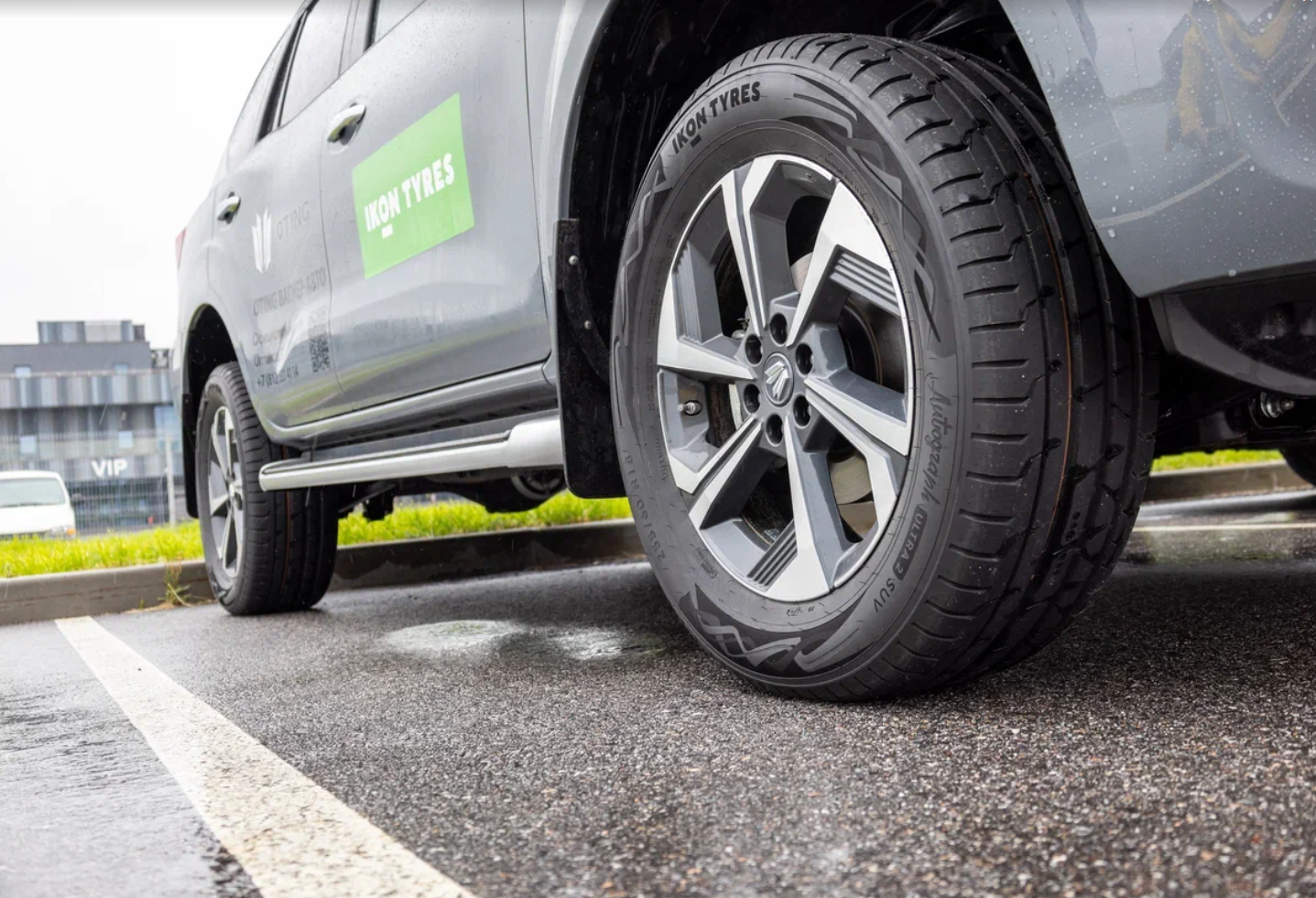
Low-profile tires with the UHP (Ultra High Performance) index, which promise handling on the track, have both advantages and significant disadvantages. Alexander Parkhomchuk, head of the testing and certification group at the tire company Ikon Tires, told Motor magazine about this.
“When developing these tires, priority is often given to maximum grip and handling, so the tread life may be lower compared to other models,” the expert explained. “Simply put, low-profile tires can wear out noticeably faster than regular tires.”
According to the interlocutor, another disadvantage of such tires is the lack of comfort. The rigid design increases noise levels in the cabin and makes the tires more sensitive to uneven asphalt. A long trip in a car with low-profile tires can deprive a person of pleasure, Parkhomchuk noted.
The excellent traction of low-profile tires has a downside. Due to the special composition of the rubber mixture, which provides the grip, rolling resistance increases, the expert states. In total, this leads to a slight increase in fuel consumption.
Parkhomchuk emphasizes that UHP tires are very sensitive to precise pressure: even a slight deviation from the norm significantly reduces their efficiency and accelerates wear.
The strengths of such rubber include special rubber and a reinforced frame, which significantly reduces braking distance on dry and wet asphalt. With them, the car responds more accurately to steering turns and demonstrates stability at high speeds. When cornering, the rigid side frame ensures the desired trajectory even under heavy loads. These characteristics are important on high-speed highways, where every meter of braking distance or reaction delay can be decisive, the Ikon Tires expert said.