In cold weather, the load on the key components of the car increases sharply, so even minor faults appear immediately. Vadim Strelbitsky, director of the mechanical repair department of the Avilon group of companies, told Motor about this.
“A common reason why the engine does not start is the battery. At low temperatures, its capacity is reduced by 30–50%, and even more in severe frosts. If the battery is already worn out, there may simply not be enough energy to start the engine,” the expert said.
The second reason is fuel. In diesel cars, the use of summer fuel leads to its thickening and waxing, and at sub-zero temperatures its supply is disrupted. In gasoline engines, problems can be caused by low-quality gasoline: an increased content of impurities or water impairs the ignition of the fuel mixture and makes starting difficult in cold weather, the specialist noted.
Another reason is motor oil. Old or incorrectly selected fluid thickens in the cold, increasing resistance when cranking the crankshaft. As a result, the starter experiences increased load, and starting is delayed or becomes impossible.
Often the engine does not start due to problems with the ignition system. Worn spark plugs, weak spark, moisture or microcracks in the elements of the ignition system are especially critical in cold weather, when more energy is required to ignite the mixture.
The fifth reason is electronics and sensors. Cold increases problems with contacts, wiring and sensors, especially if they were already in a borderline state. Malfunctions of the temperature or crankshaft position sensors can completely block the engine from starting.
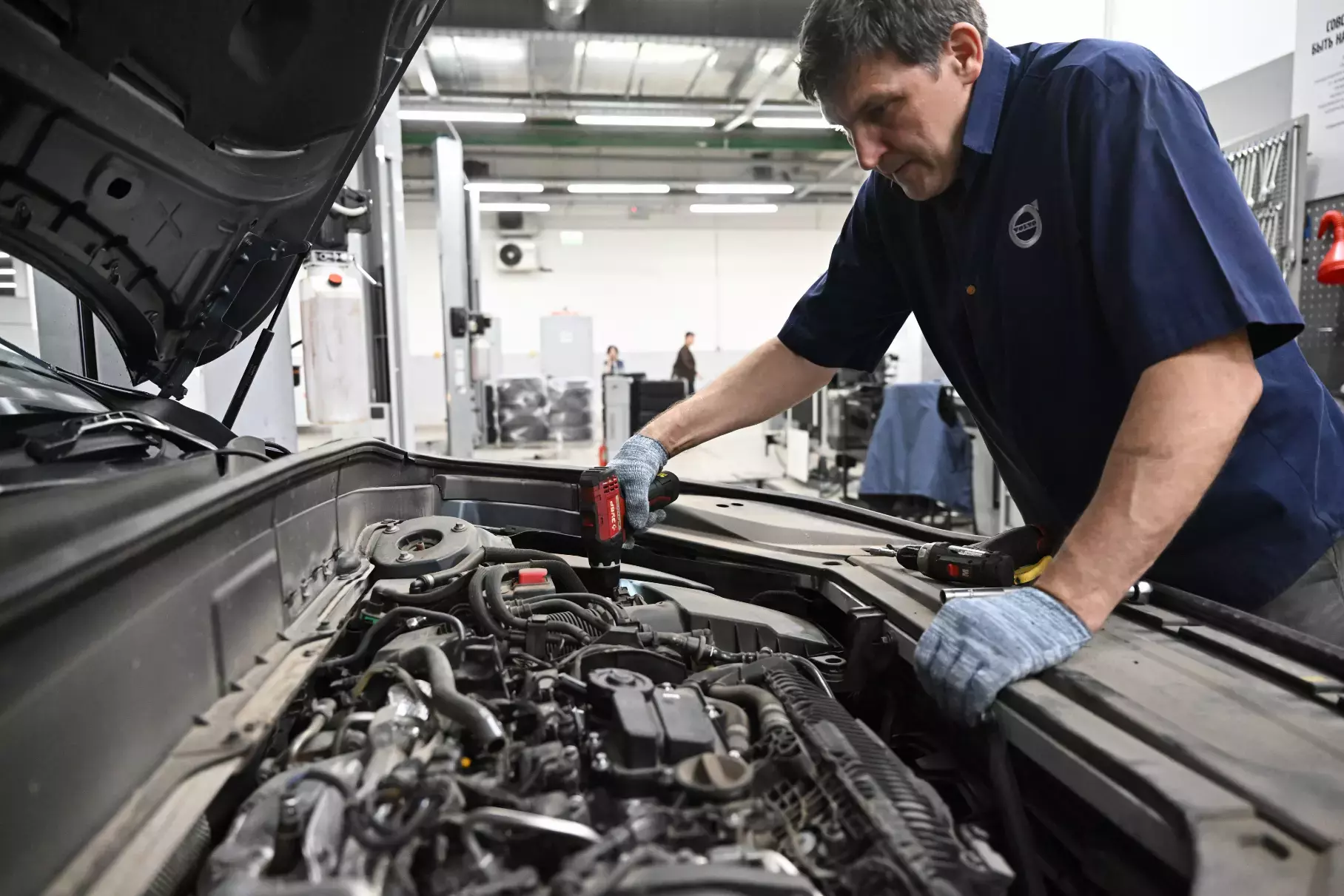
To avoid such situations, it is important to prepare the car for winter in advance: check the battery, use seasonal fuel, change the oil to the one recommended by the manufacturer and undergo regular maintenance, Strelbitsky warned.
Earlier it was reported that car repair prices in Russia have risen to a record high.