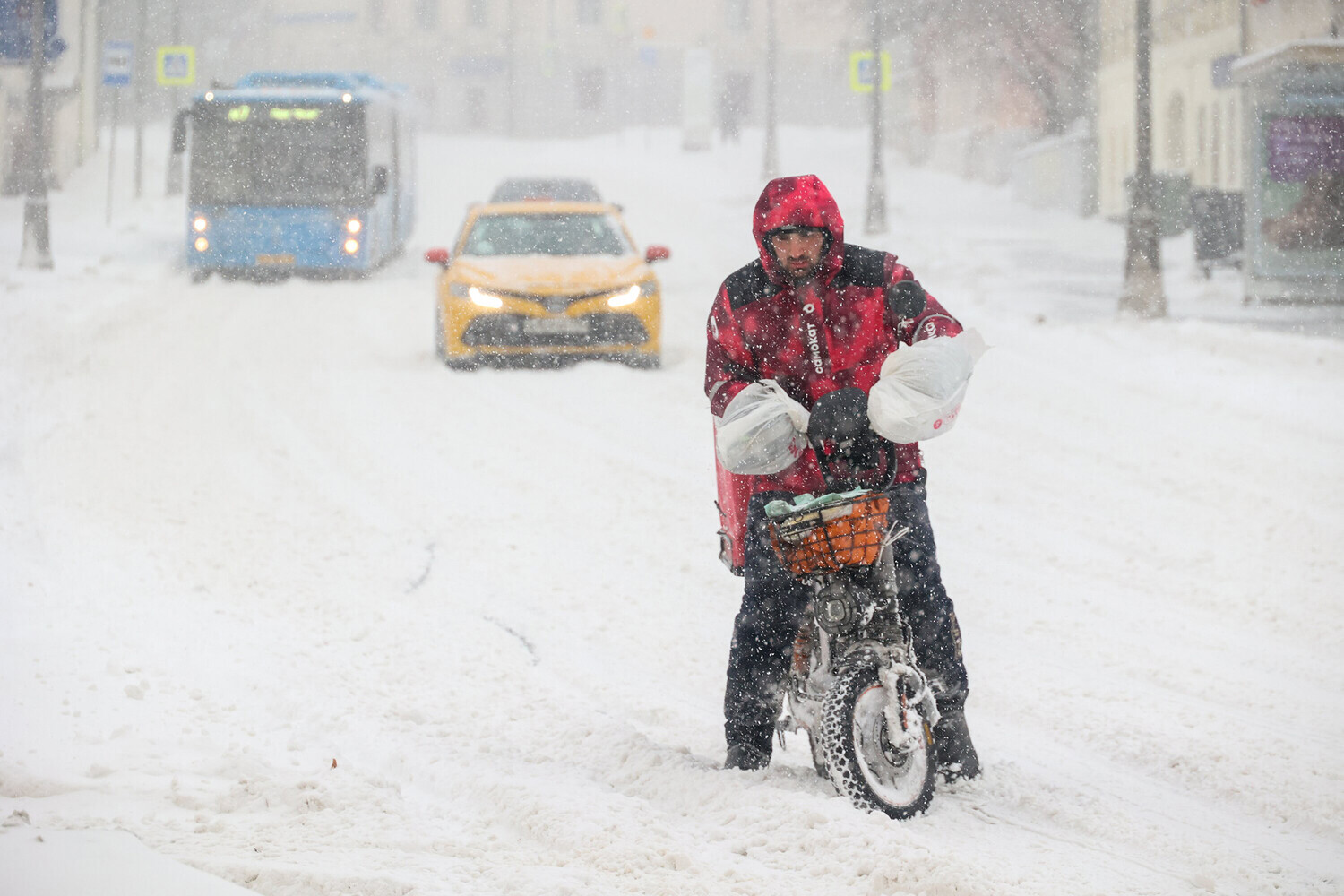
Due to heavy overnight snowfall, which brought almost a fifth of the monthly rainfall, the level of congestion in the capital soared to 9 points. The situation is especially difficult on the Moscow Ring Road. The city Department of Transport strongly recommended that car owners abandon their personal cars in favor of the metro or ground public transport, as travel time increased by 2-3 times due to bad weather.
The roads are stuck: where is it worst?
According to the situation on the morning of January 27, the traffic jam index reached a critical level of 9 points, reports the Yandex.Maps service. The main areas of congestion occurred on key highways: the Third Transport and Garden Rings, the Moscow Ring Road, as well as on the outbound highways – Entuziastov, Dmitrovsky and Kashirskoye.
The Moscow traffic police assured that the situation is under constant control. “Inspectors, together with emergency services, conduct round-the-clock monitoring to ensure prompt response and ensure safety. The main focus is on the Moscow Ring Road, high-speed sections, bridges and overpasses,” the department said.
During a snowfall in Moscow
Yaroslav Chingaev/Moscow Agency
Traffic on the ring road is seriously complicated due to skidding trucks. The most problematic areas were areas in the area of Volokolamsk and Besedinskoe highways, the exit to Leningradskoe highway, as well as sections near Ostashkovskoe, Dmitrovskoe, Kommunarskoe, Rublevskoe highways and Polyana and Solomei Neris streets.
Instructions for drivers
The main recommendation from the authorities for motorists is to avoid traveling if possible. If this is necessary, it is better to choose the metro, Moscow Central Diameters or the Circle Line.
For those who do go out, there are clear rules: increase the distance by 3-4 times, avoid sudden maneuvers and do not try to overtake snow removal equipment. Before leaving, the car must be completely cleared of snow, and parking is allowed only in specially designated areas so as not to block the work of the cleaning machines.
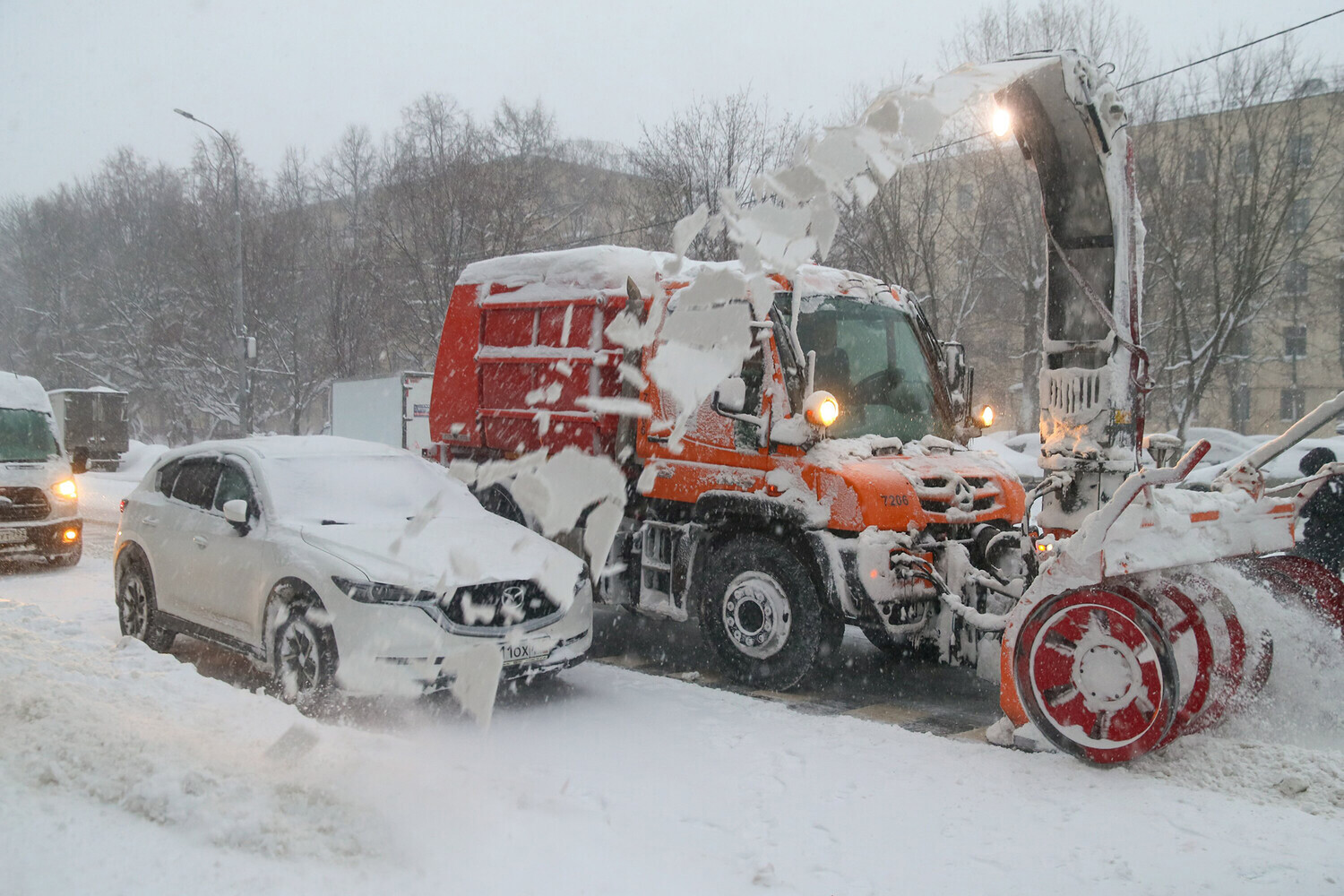 During a snowfall in Moscow
Vasily Kuzmichenok/Moscow Agency
“In snowy conditions, paying attention while driving is extremely important. To help drivers, the Moscow Parking evacuation service operates. Its intervention helps not only in a specific situation, but also prevents potential accidents,” said Deputy Mayor of Moscow for Transport Maxim Liksutov.
Motorists were also reminded of mutual assistance: the left lanes should be left for special equipment, be sure to give way to emergency vehicles and, if possible, help those who are stuck, but only if this does not create a risk. Taxi: prices under control
Despite the difficult road situation, no sharp increase in taxi fares has been recorded in the main transport hubs of the capital. The number of cars on the line by 10:00 am was almost no different from normal days. City authorities have taken special control over pricing in services in order to prevent unreasonable inflation of the cost of trips.
Repeating the scenario
The current snowfall is already being compared to what hit the capital on January 9 with Cyclone Francis. At that time, the work of the Moscow Ring Road was also paralyzed, and weather forecasters talked about a possible record. However, the current situation, as of the morning of January 27, turned out to be even more difficult.
Snow hits the entire northern hemisphere
At the end of January 2026, extreme snowfalls became a challenge not only for Moscow. In Japan, on the island of Hokkaido, due to the stoppage of all types of transport, about 7 thousand people were forced to spend the night at New Chitose Airport. In Sapporo, 64 cm of snow fell in two days – this has not happened since 1999.
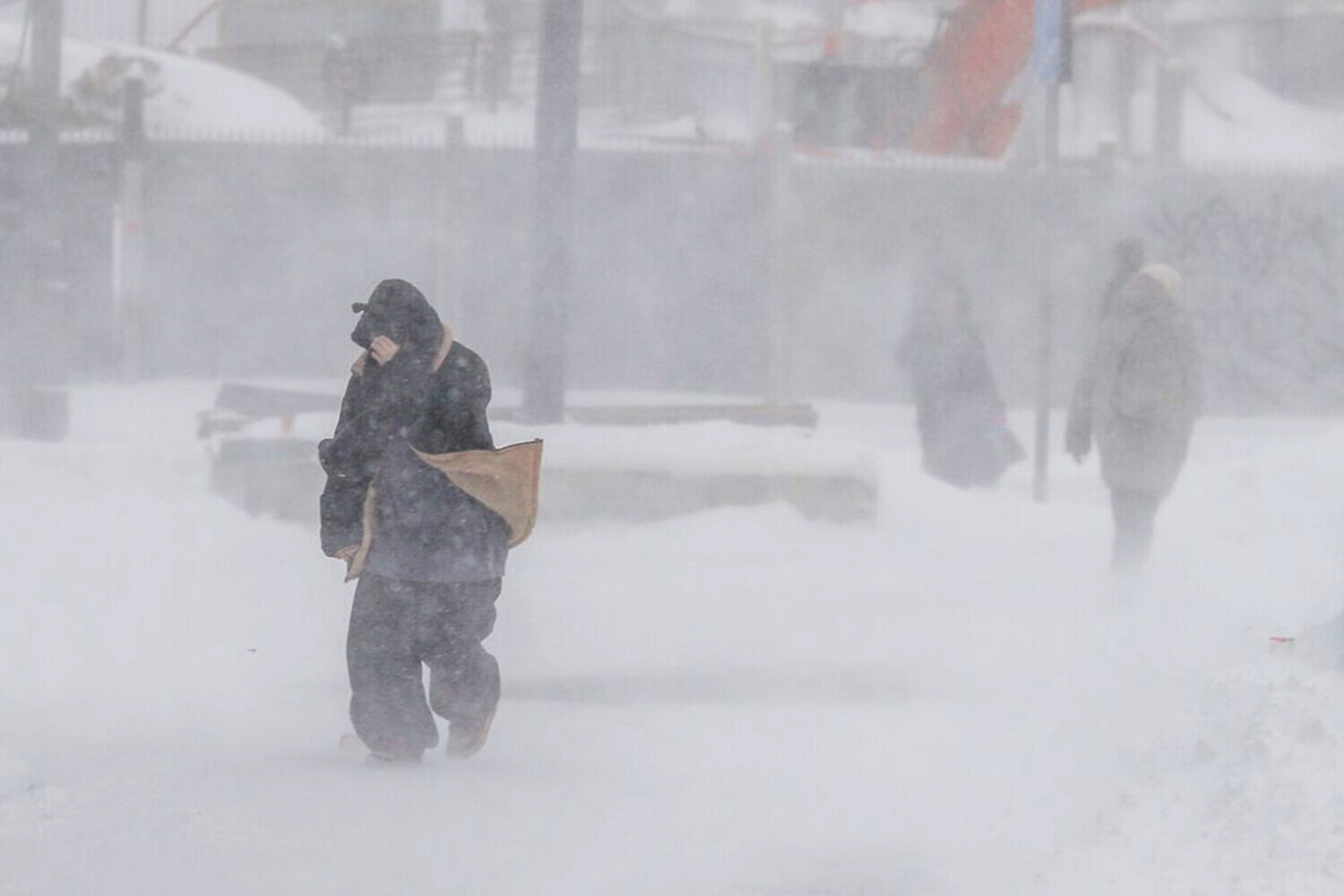 During a snowfall in Moscow
Vasily Kuzmichenok/Moscow Agency
The disaster had even more serious consequences in the United States. The January 25-26 winter storm killed at least 15 people, caused the cancellation of over 10,000 flights and left more than 800,000 households without power.
The damage was deemed so widespread that the Federal Emergency Management Agency (FEMA) was called in to help the affected states.