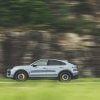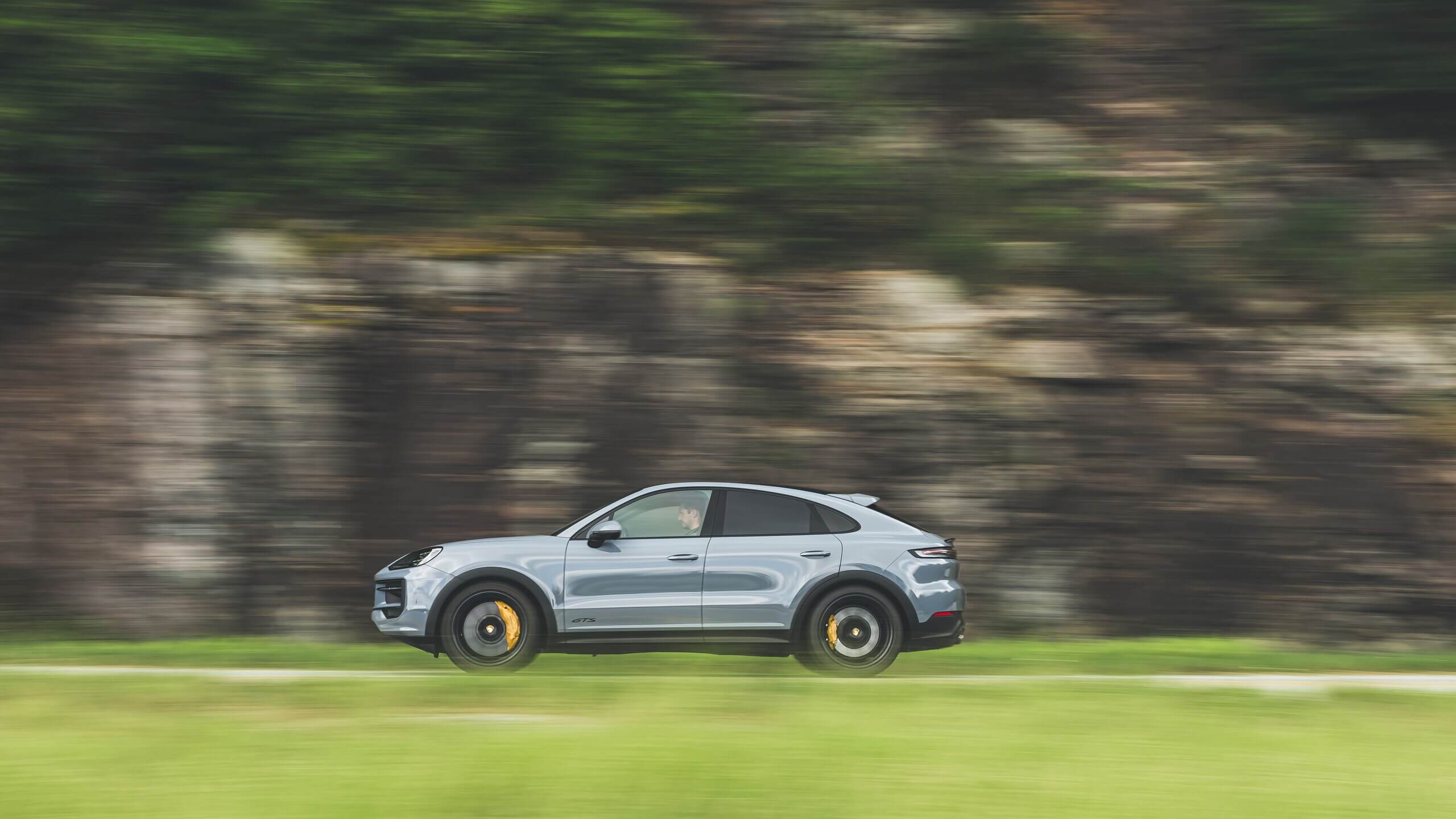
Owning a Porsche means accepting a certain code. This is a cap with a recognizable coat of arms, and maybe a branded windbreaker with a zipper. But behind all this paraphernalia is a manufacturer who, in his best moments, creates cars that can age with rare grace. Topspeed has collected all these cars in one review.
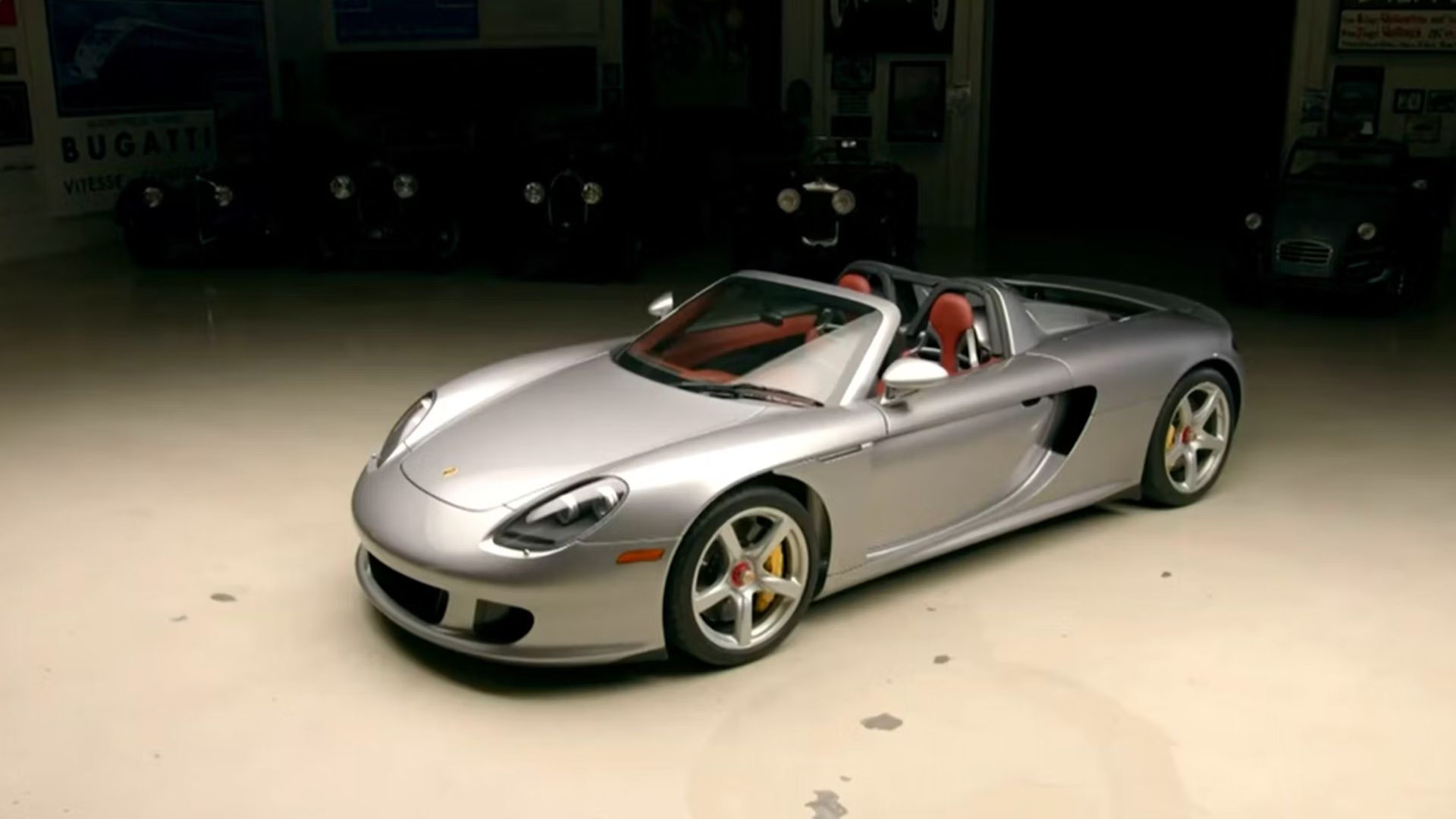
The first car that has not lost its appeal over the years is the 2003 Porsche Carrera GT. This car will make even the most devoted fans of the brand break out in a cold sweat. Its 5.7-liter V10 produces a monstrous 603 hp.
Unlike most modern hypercars, the Carrera GT doesn’t let you slack off. This is a completely analog car in the best – and at the same time most frightening – sense of the word. He gives that very depth of contact with the road and the car, for which connoisseurs are ready to forgive him everything.
Second place goes to the 2015 Porsche 911 (991). The 991 generation was a real breakthrough for Porsche in terms of performance quality. The 2015 models earned exceptionally high marks for reliability, thanks to upgraded electronics and durable powertrains.
Depending on the version, the output varied from 350 to 560 hp. But the main thing is not in the numbers. This car was the perfect compromise between style and everyday practicality. That is why the 991 still holds the bar in the secondary market – and has no plans to lower it.
In third place is the 2014 Porsche Cayman. Under the hood there are flat-six engines – from 2.7 liters. in the base up to 3.4 liters. in the S version, producing up to 325 hp. But the main thing was hidden in the layout: the mid-engine design allowed fans of the brand to seriously argue that in real conditions the Cayman handles better than the current 911s.
This is followed by the 2018 Porsche Macan, 2013 Porsche Cayenne, 1999 Porsche 911 GT3 (996), 1992 Porsche 911 Carrera RS (964), 1963 Porsche 911 (First Year), Porsche 911 R (1967-1968) and 1955 Porsche 550 Spyder.
It was previously reported that UAZ is testing new diesel models in extreme conditions.