The rating was compiled by the portal Topspeed.com. The models on the list have been carefully researched to obtain the most accurate information about their acceleration to 100 km/h at the time of publication.
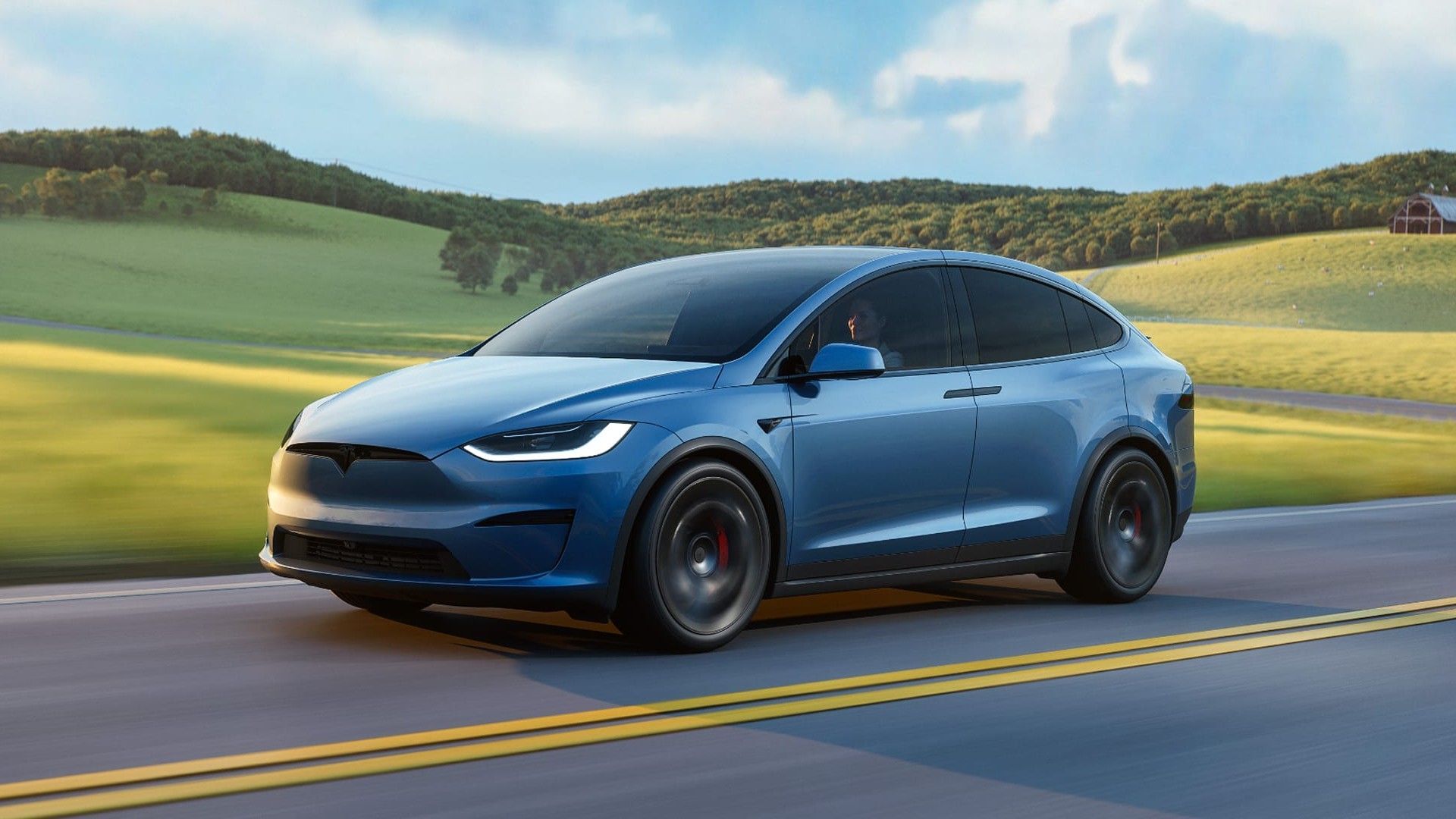
The Tesla Model X Plaid remains one of the fastest production cars on the planet, regardless of body style. Its tri-motor all-wheel drive setup produces around 1,020 hp, allowing this huge SUV, weighing almost 2.5 tons, to accelerate from 0 to 100 km/h in just 2.6 seconds (converted from 60 mph). At the drag strip, the electric giant runs the classic quarter mile (402 meters) in 9.9 seconds, reaching a finish speed of 238 km/h.
Second place goes to the Rivian R1T Quad-Motor. It offers a fundamentally different approach to performance compared to traditional combustion engine pickups. Each wheel here is rotated by its own electric motor, and the total output of the installation reaches 835 hp. And this despite the fact that the curb weight of the car exceeds 3.2 tons. Despite these dimensions, the R1T shoots from zero to 100 km/h in just 3 seconds.
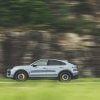
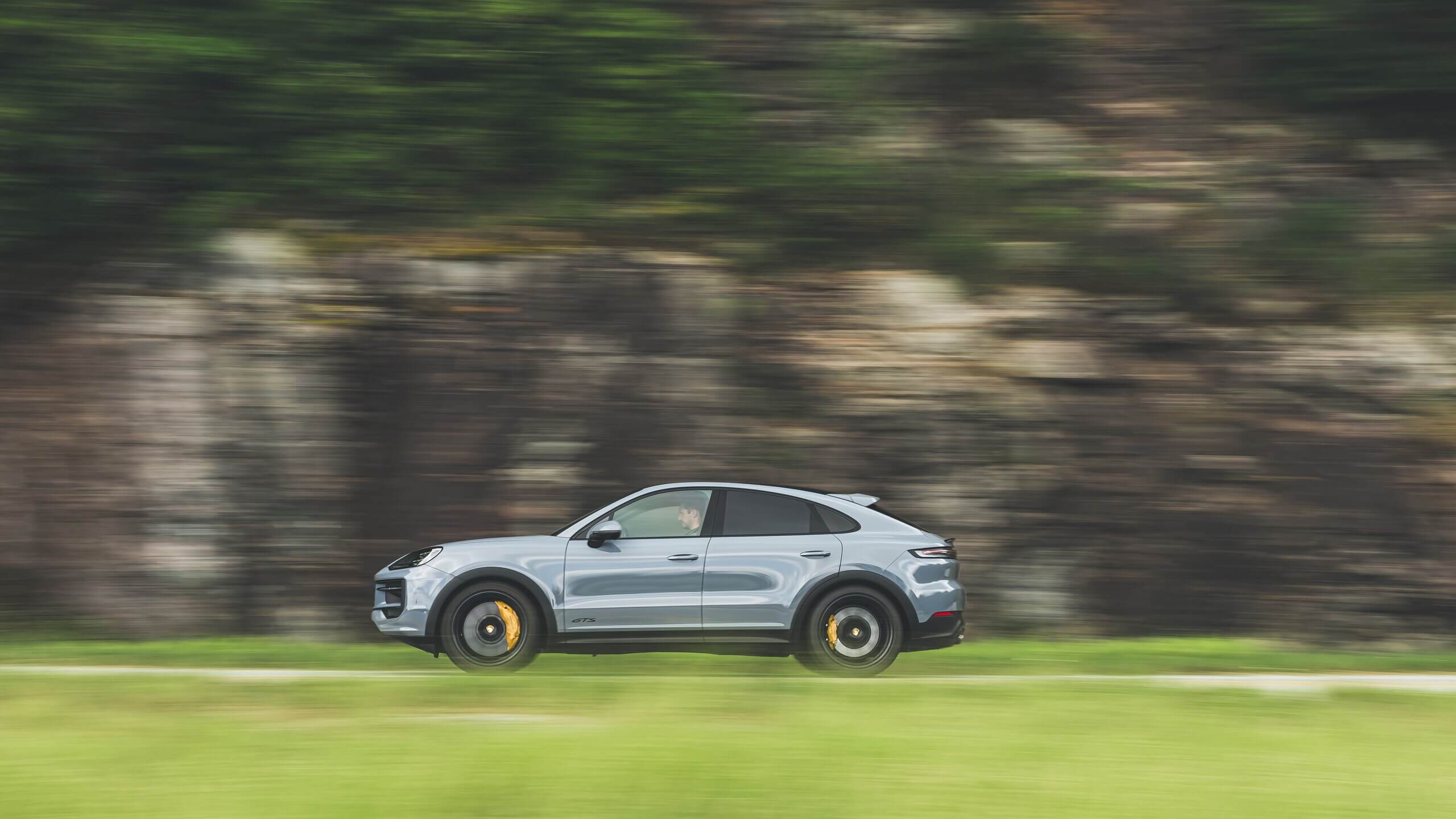
In third place is the Porsche Cayenne Turbo GT. This is the most charged and track-oriented SUV in the history of the German brand. The heart of the model is a 4.0-liter twin-turbo V8 producing 631 hp. The unit works in conjunction with an eight-speed Tiptronic S automatic transmission and an all-wheel drive system. With Launch Control, the car accelerates to 60 mph in just 3.1 seconds and completes the drag quarter mile (402 meters) in 11.3 seconds.
Next come the Lamborghini Urus Performante (3.2 sec), GMC Hummer EV (3.3 sec), Jeep Grand Cherokee Trackhawk (3.5 sec), Dodge Durango SRT Hellcat (3.5 sec), BMW X5 M Competition (3.7 sec), Ford F-150 Lightning Platinum (3.8 sec) and Chevrolet Silverado EV RST (4.5 sec).
It was previously reported that UAZ is testing new diesel models in extreme conditions.