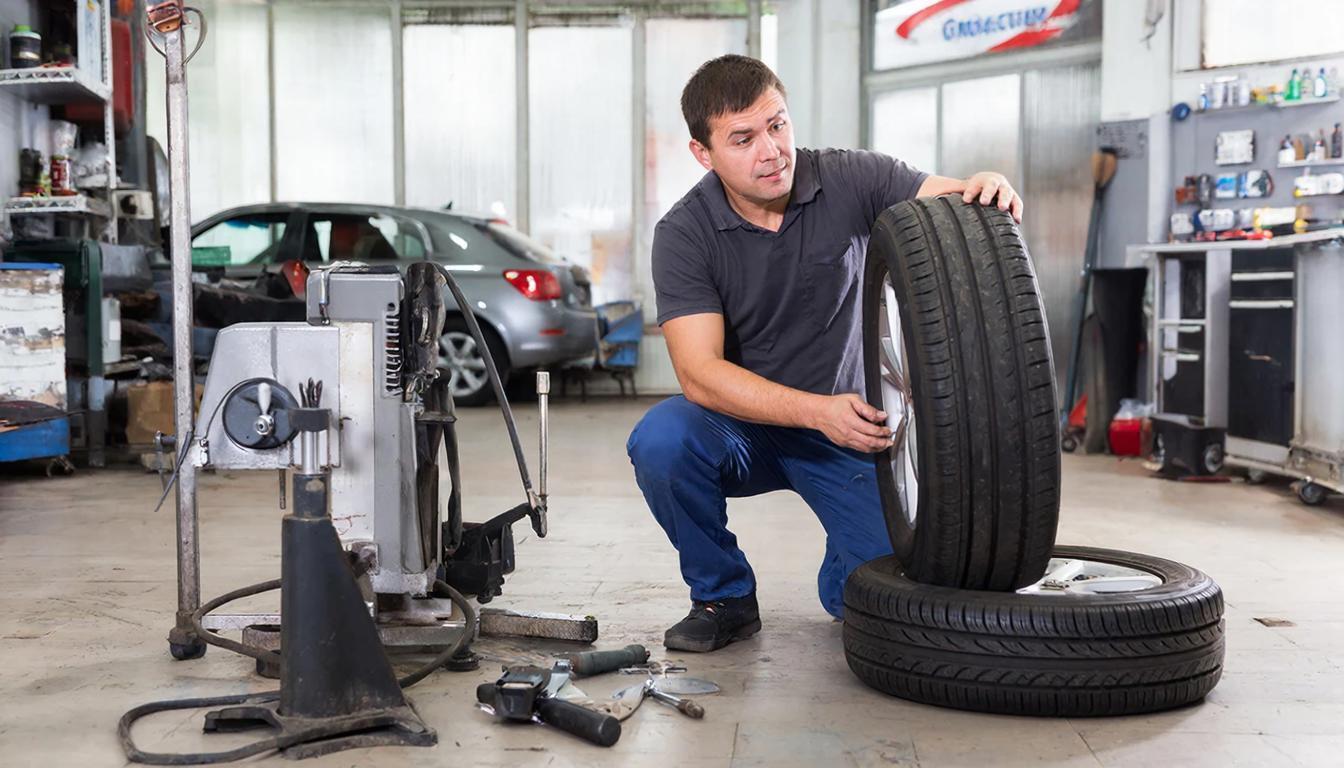
The main rule is simple: you need to focus not on the date, but on the average daily temperature.
Summer tires begin to work effectively, providing normal grip and braking distance, only when the thermometer stays above +5…+6 degrees for several days in a row, and stable night frosts disappear.
“The price of a mistake here is not only tire wear out of season. “Changing shoes” too early in the spring always means extra meters of braking distance and the risk of an accident due to the sudden return of morning ice,” warns Nikita Rodionov, technical director of the international network of car service centers Fit Service.
The guideline for Moscow and most of Central Russia is from about the 10th to the end of April. But for those who drive a lot at night and on highways, it makes sense to change tires before an even warmer period and focus on the May holidays, the specialist said.
In the Leningrad region, the picture is similar, but due to the dampness and proximity of the sea, night temperatures and wet snow linger longer. March will be cooler than last year, and April and May could be the warmest in recent years. Guideline for changing tires: last week of April – first half of May.
Forecasters warn of a warm spring in southern Siberia and the Urals, but with abnormal amounts of precipitation. A cold and snowy March, a relatively cool April and an abnormally warm May are expected. Returns of cold weather and snow are quite likely here. The safe window for changing tires in these regions is only in the first half of May.
In the Krasnodar Territory, the climate is expected to be noticeably warmer than normal. There is no longer any stable snow cover in March, Rodionov noted.
Previously, cars that have risen in price in Russia over the week were listed.