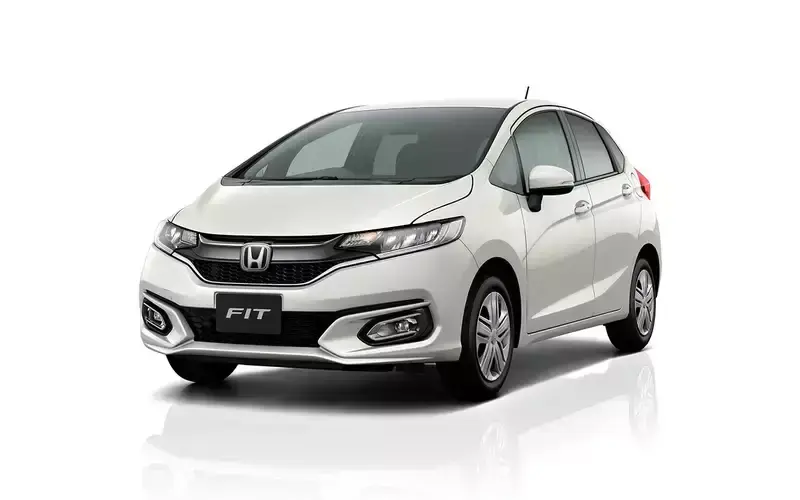
On the secondary market, such a car today costs an average of about 1.5 million rubles – approximately the same amount will be asked for a new Lada Iskra in the average configuration.
“The main thing that infuriates the wrong position of the steering wheel is the mirror arrangement of the steering column switches. How many times have I driven used Japanese cars, and every time I turn on the windshield wiper instead of the turn signals. You need a habit!” said “Behind the Wheel” expert Alexander Vinogradov.
The main feature of the Japanese version is the location of the steering wheel on the right. In the conditions of Russian roads, this requires constant concentration, especially when overtaking and maneuvering on highways. The driver has to literally look out from behind the vehicle in front to assess the situation in the oncoming lane.
The Japanese low beam FR is configured for left-hand traffic and “squints” to the left, dazzling oncoming drivers and poorly illuminating the right side of the road. There are two possible solutions: an expensive modification of the optics or replacing the headlights with a version from its European “brother” – the left-hand drive Honda Jazz. The second way can result in a long wait for spare parts to order.
Basic versions are equipped with a motor that is criticized for its modest dynamics. For active overtaking on the highway, the engine may not have enough power. However, the problem does not affect everyone: starting in 2022, a more productive 1.5-liter unit began to be installed on updated cars.
When buying a right-hand drive car from Japan, it is always worth checking its “history”. Weaknesses – possible problems with customs clearance, “twisted” mileage or the consequences of participation in auctions after accidents. In addition, it can be more difficult to find spare parts for some modifications than for their left-handed counterparts, the expert warned.
Earlier, Russians were told about serious problems with their cars in the spring.