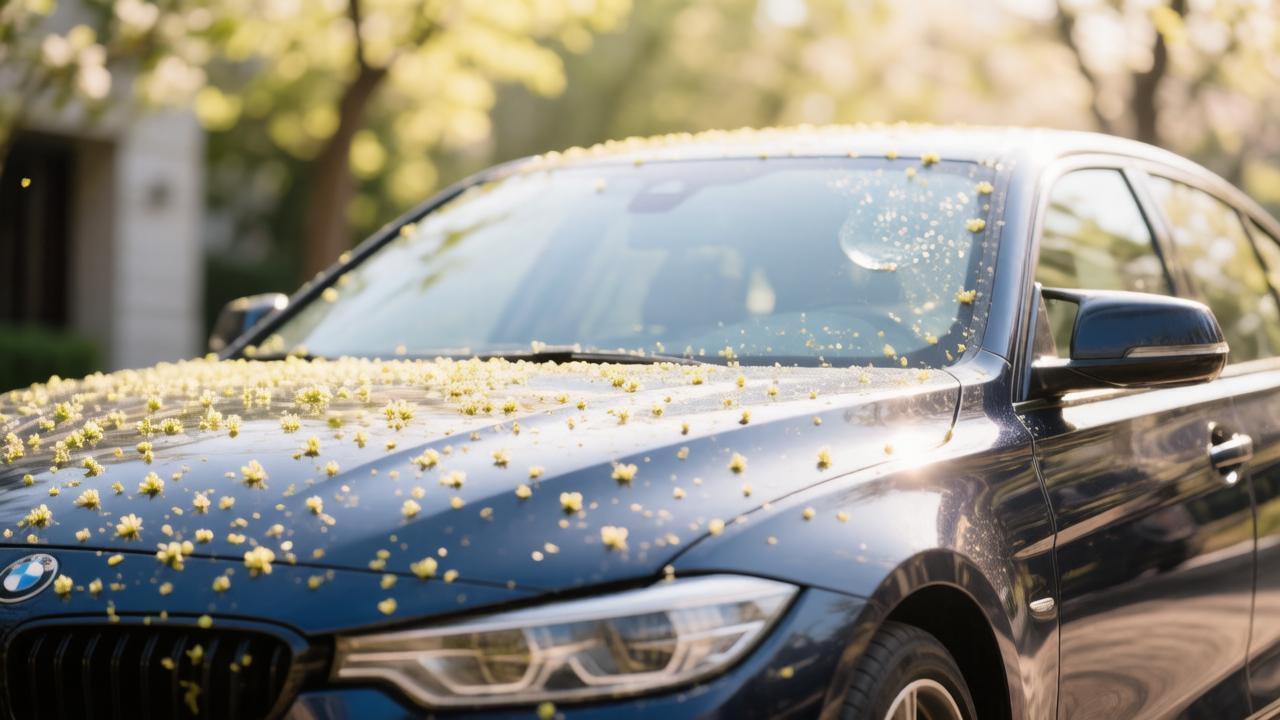
The flowering season of trees and grasses continues, and if for ordinary pedestrians an allergy to pollen (hay fever) is primarily an unpleasant sensation, then for motorists it can become a serious danger on the road. Alla Rafaelyan, an allergist at the Be Healthy Allergology Center on Sushchevsky Val, reported this to Gazeta.Ru.
“There are several key risk factors for hay fever while driving. The first is loss of concentration: itching, sneezing and watery eyes constantly distract you from the traffic situation. The second is deterioration of vision: swelling of the mucous membranes and redness of the eyes make it difficult to see clearly. The third is drowsiness, which is caused by antihistamines, and this is extremely dangerous while driving. And fourth, with a severe form of allergy, attacks of coughing and suffocation are possible, up to swelling of the respiratory tract. All this turns hay fever into a direct threat to road safety,” the doctor emphasized.
According to the specialist, a few simple recommendations will help reduce the risk of allergies while traveling. Before leaving and while driving, it is better to keep the car windows closed and turn on the air conditioning with a clean cabin filter.
It is also worth wearing sunglasses or regular glasses – they reduce the amount of pollen that gets into your eyes. After getting out of the car, it is useful to rinse your nose with saline solution and wipe your face with wet wipes to remove pollen that has settled on the skin.
If the symptoms of hay fever take you by surprise while driving, Rafaelyan advises taking a non-sedating antihistamine, rinsing your nose and eyes, and closing the windows. As a preventive measure, the allergist recommends taking medications in advance and monitoring the level of pollen in the air.
Previously, it became clear how many hours the driver has to remove the poplar buds without any problems.