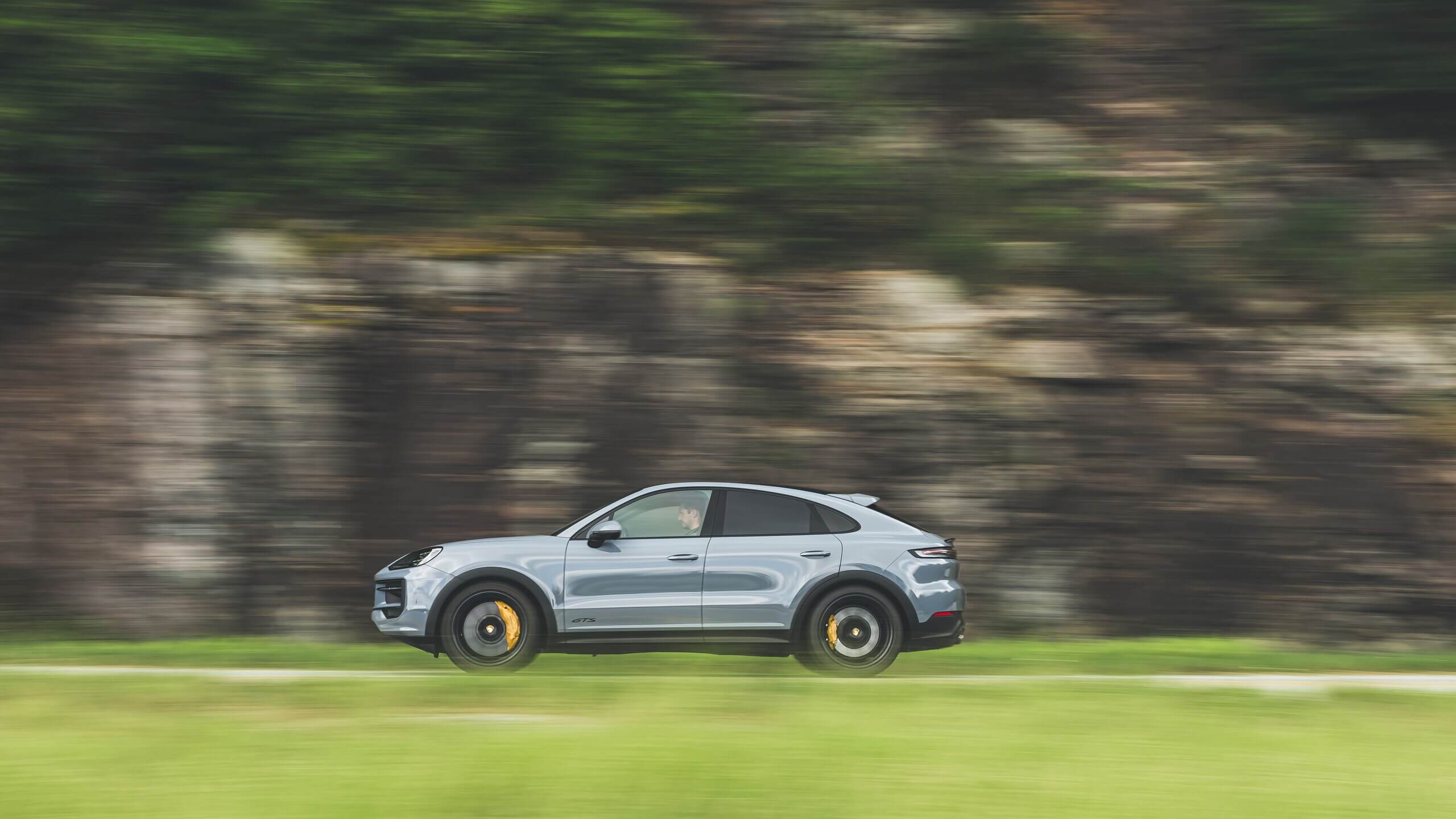
Alexander Parkhomchuk, head of technical support at the tire company Ikon Tires, explained what the acoustic comfort of car tires depends on and in what cases extraneous sounds may indicate the risk of an accident.
The main factor influencing the noise level is the tread pattern. Large elements and deep cuts create more intense vibrations when in contact with the road. Manufacturers strive to reduce this effect by using a special arrangement of blocks and adding noise-absorbing components to the tires.
In addition to design, internal pressure also affects volume. An overinflated tire can also make increased noise, which, according to an expert, can become a harbinger of an emergency due to the risk of the casing rupturing under load.
Temperature conditions also play a role: summer tires are most comfortable from an acoustic point of view at above-zero temperatures, when the rubber compound remains elastic. When it gets colder, the material becomes harder, which increases noise.
The specialist also explained the common paradox when new tires seem louder than worn ones. This is due to the greater residual tread depth – about 8 mm for summer models. At the same time, the expert emphasized that the perception of silence in the cabin is subjective and strongly depends on the quality of the car’s sound insulation.