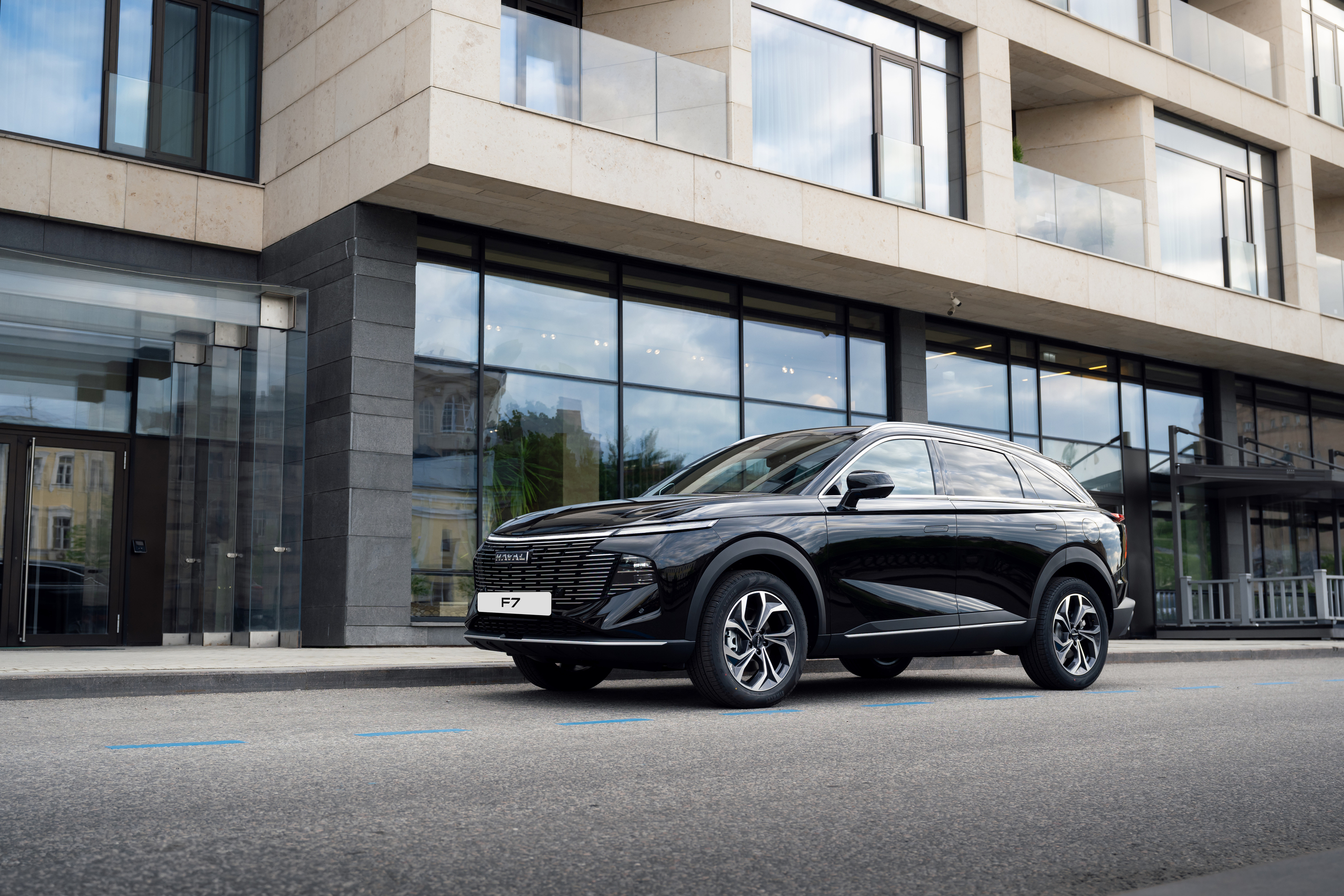
The second generation Haval F7 retained its recognizable design, but was technically updated thoroughly. The main thing is inside.
Haval 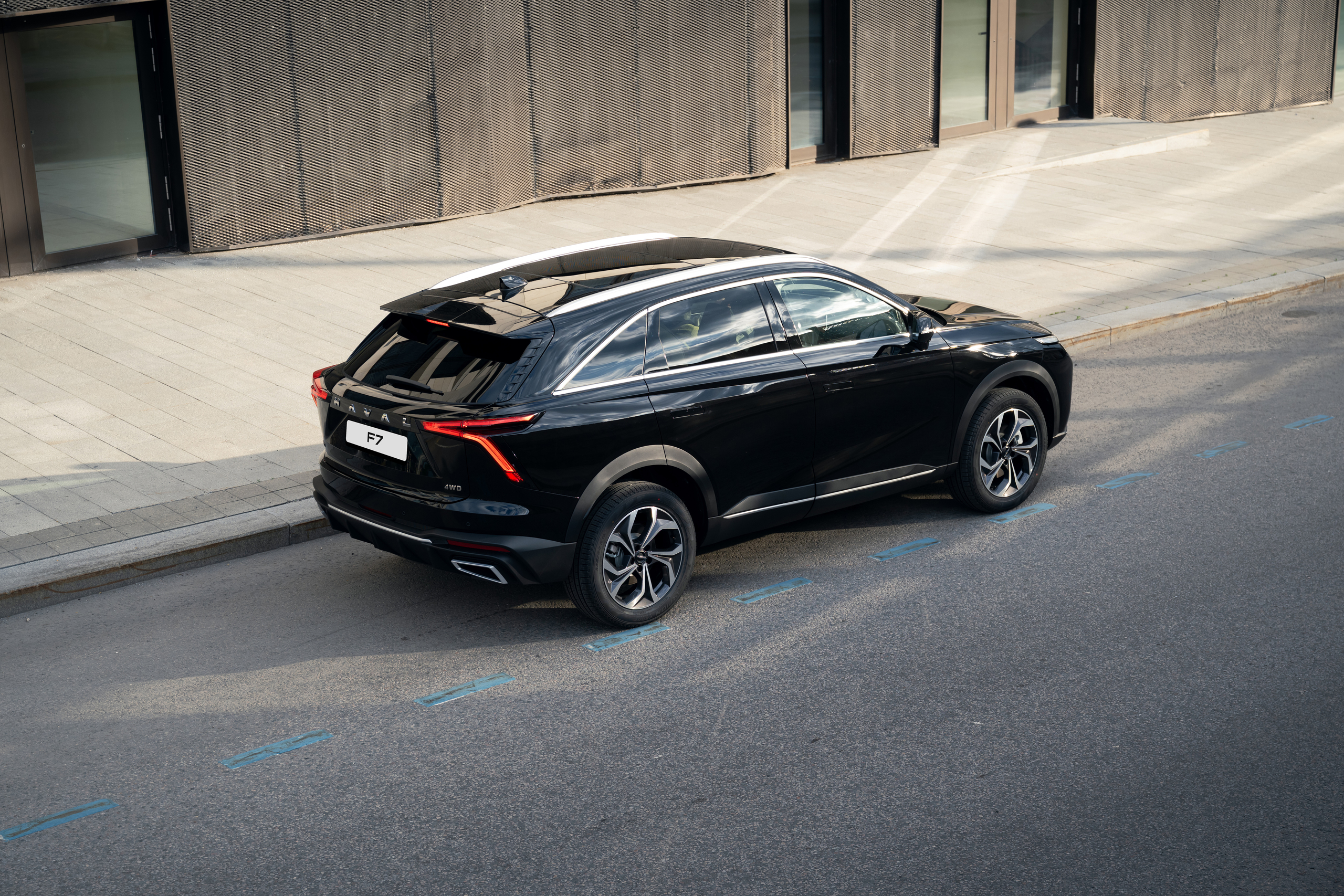 Under the hood of the basic version is a 1.5-liter turbo engine producing 150 hp. Torque increased from 230 to 270 Nm.
Haval 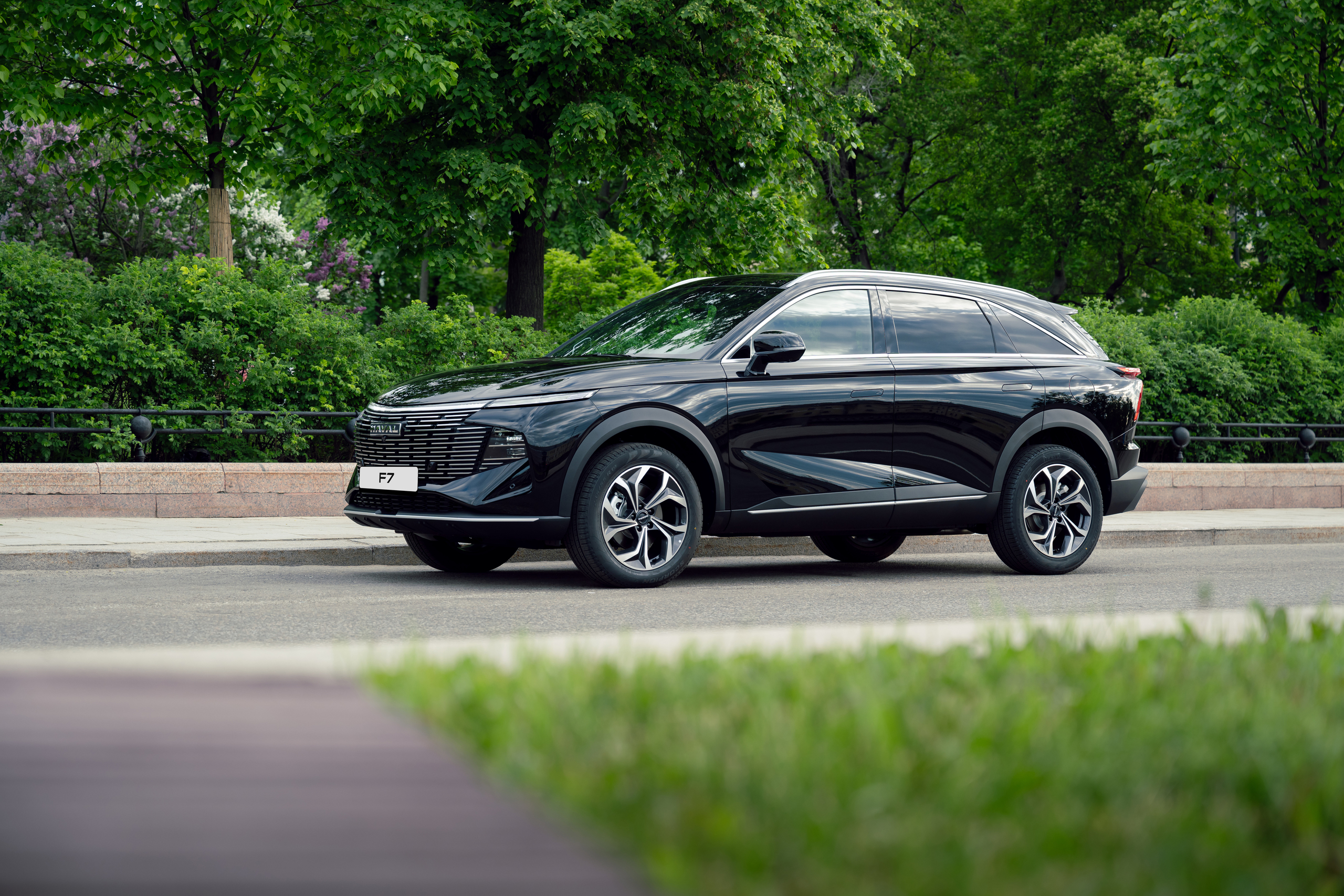 The output of the 2.0-liter engine on all-wheel drive versions has increased to 200 hp. and 380 Nm (was 192 hp and 320 Nm).
Haval 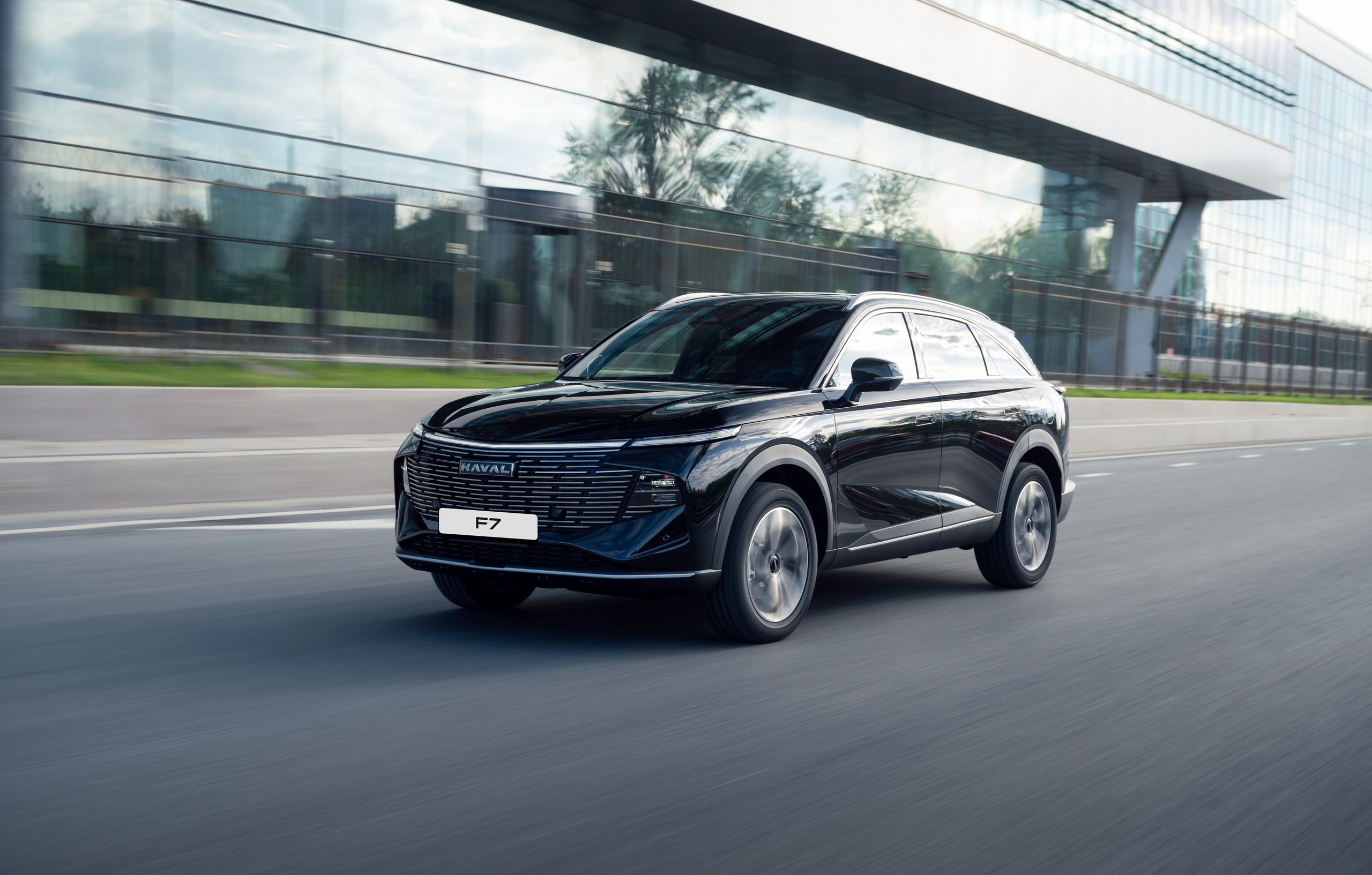 Acceleration time to 100 km/h for version 1.5 has been reduced from 10.9 to 9.3 seconds. Version 2.0 – from 9.4 to 8.7 seconds.
Haval 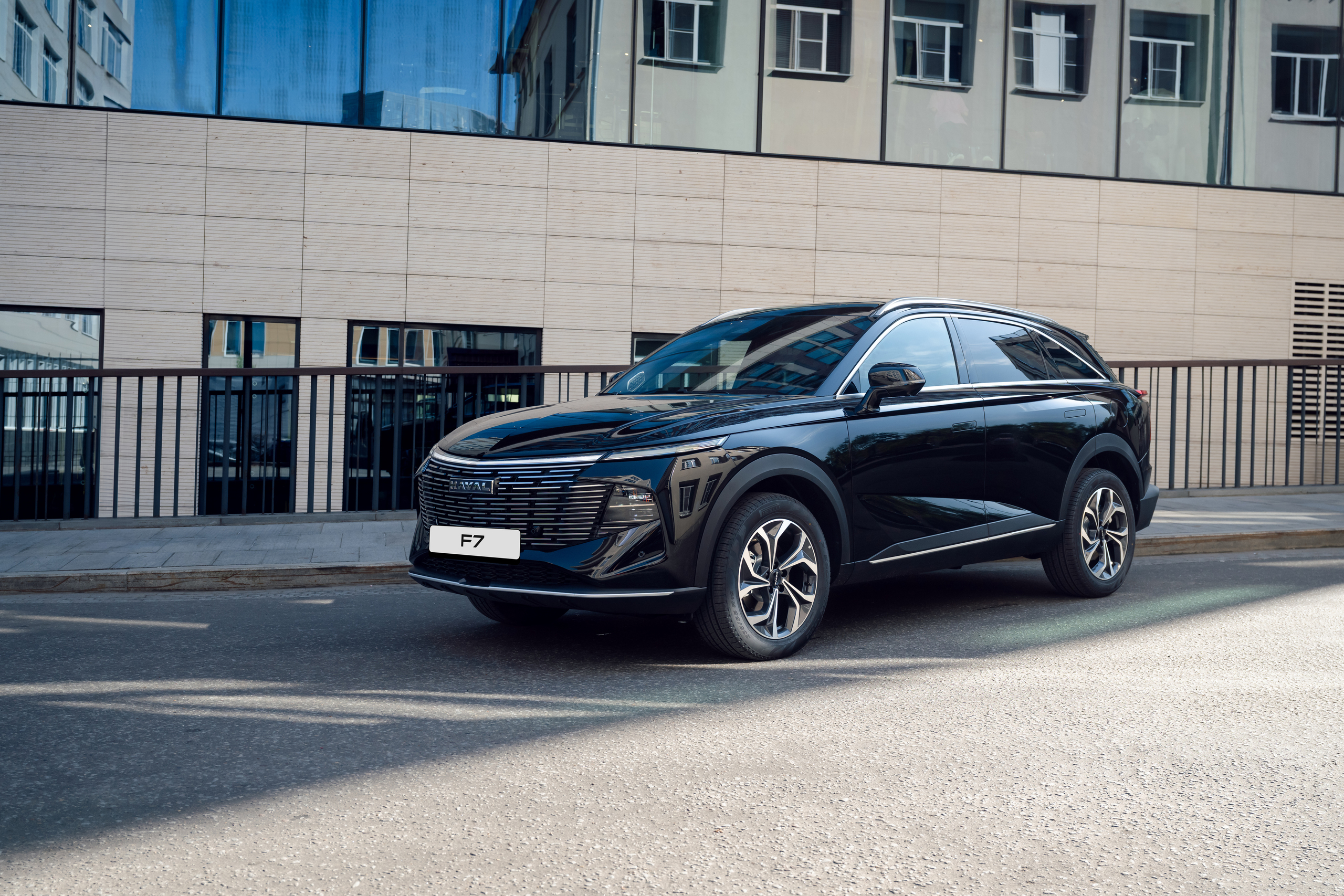 Fuel consumption in the combined cycle has decreased: for the front-wheel drive version – to 7.1 l/100 km, for the all-wheel drive version – to 8.5 l.
Haval 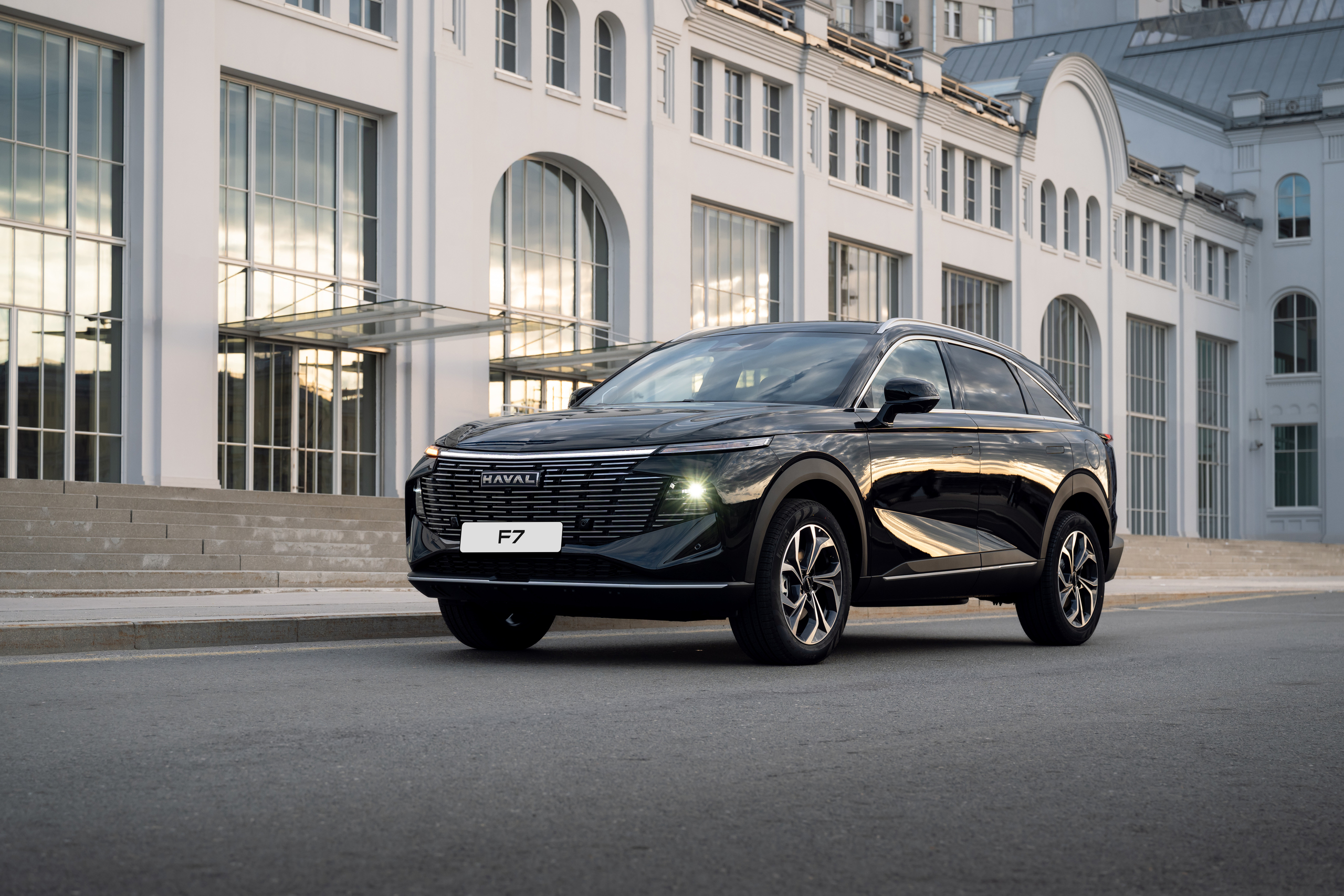 The interior features ergonomic improvements: a steering wheel with a thicker rim, a separate electronic parking brake button.
Haval 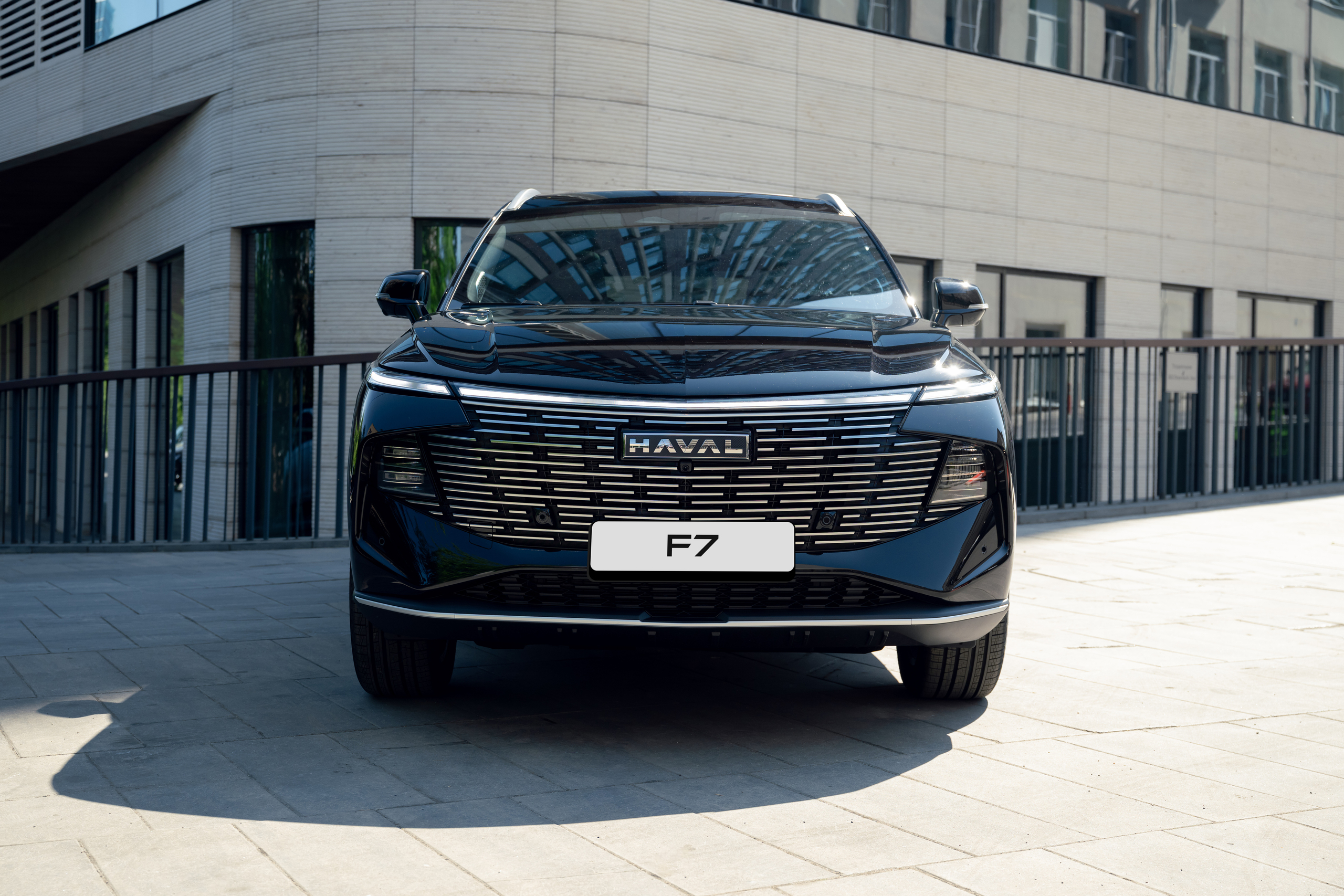 Haval
Haval 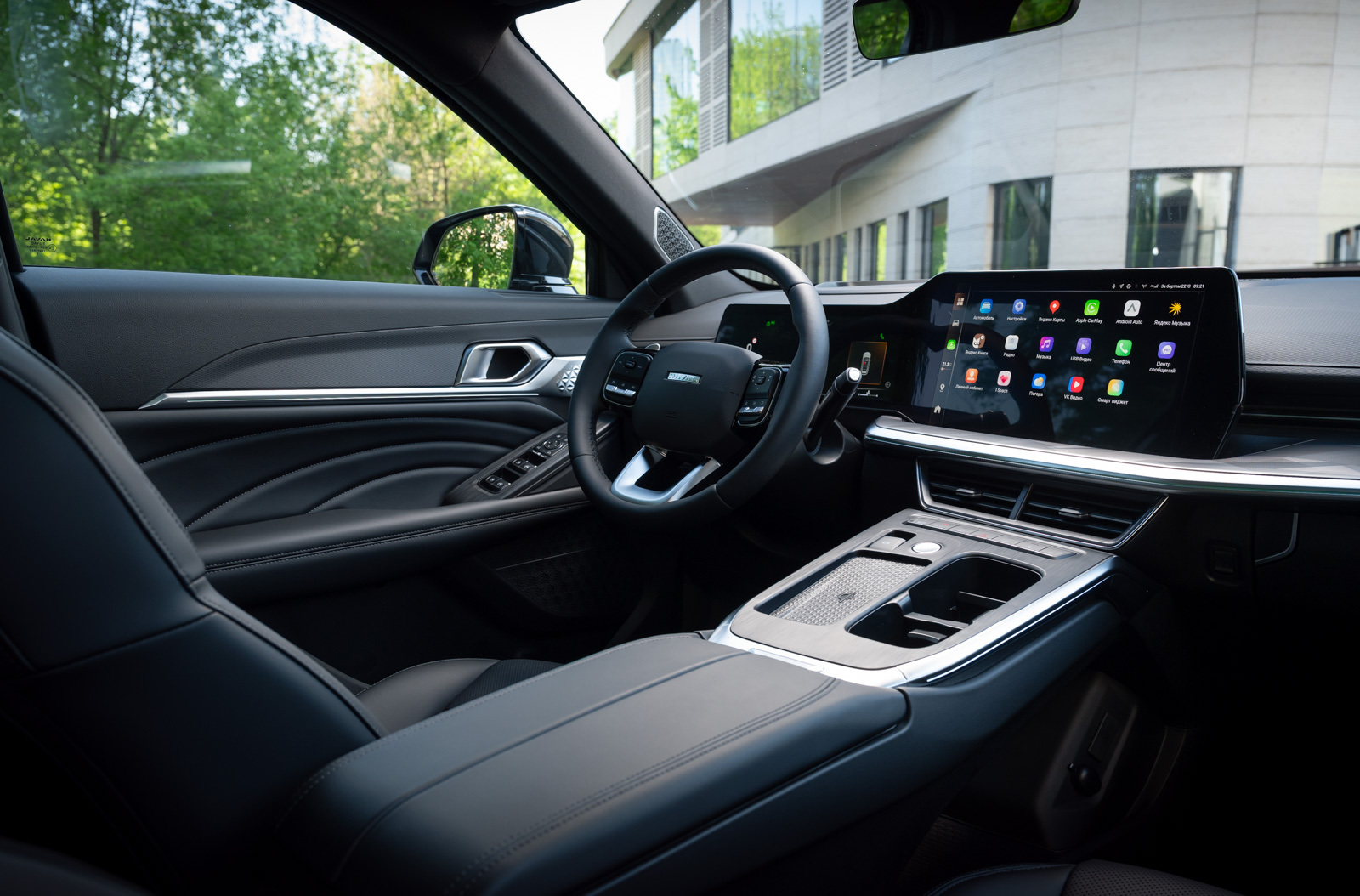 The interior features ergonomic improvements: a steering wheel with a thicker rim, a separate electronic parking brake button.
Haval 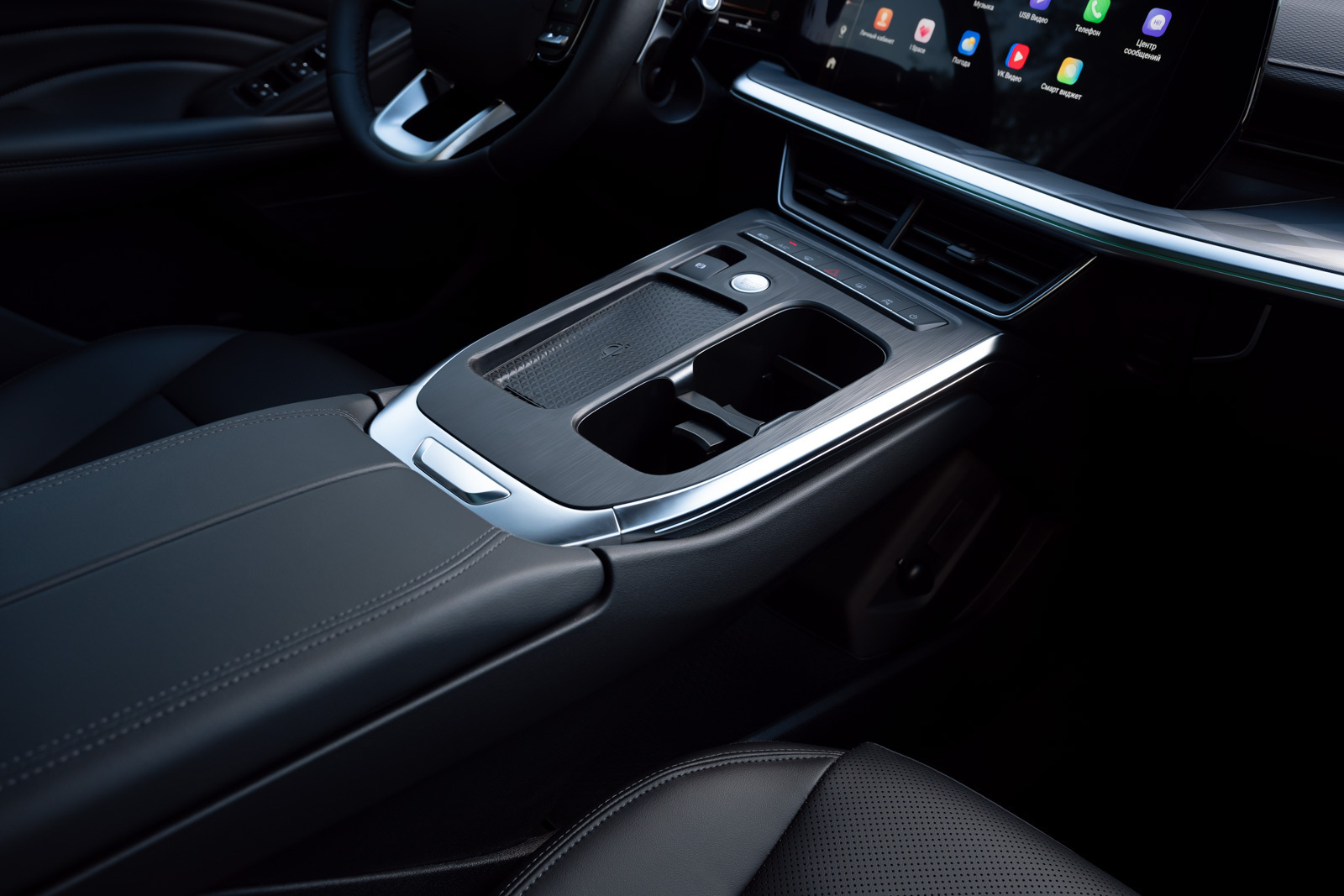 Wireless charging for the smartphone now produces 50 W and is equipped with an active cooling system to prevent the gadget from overheating.
Haval 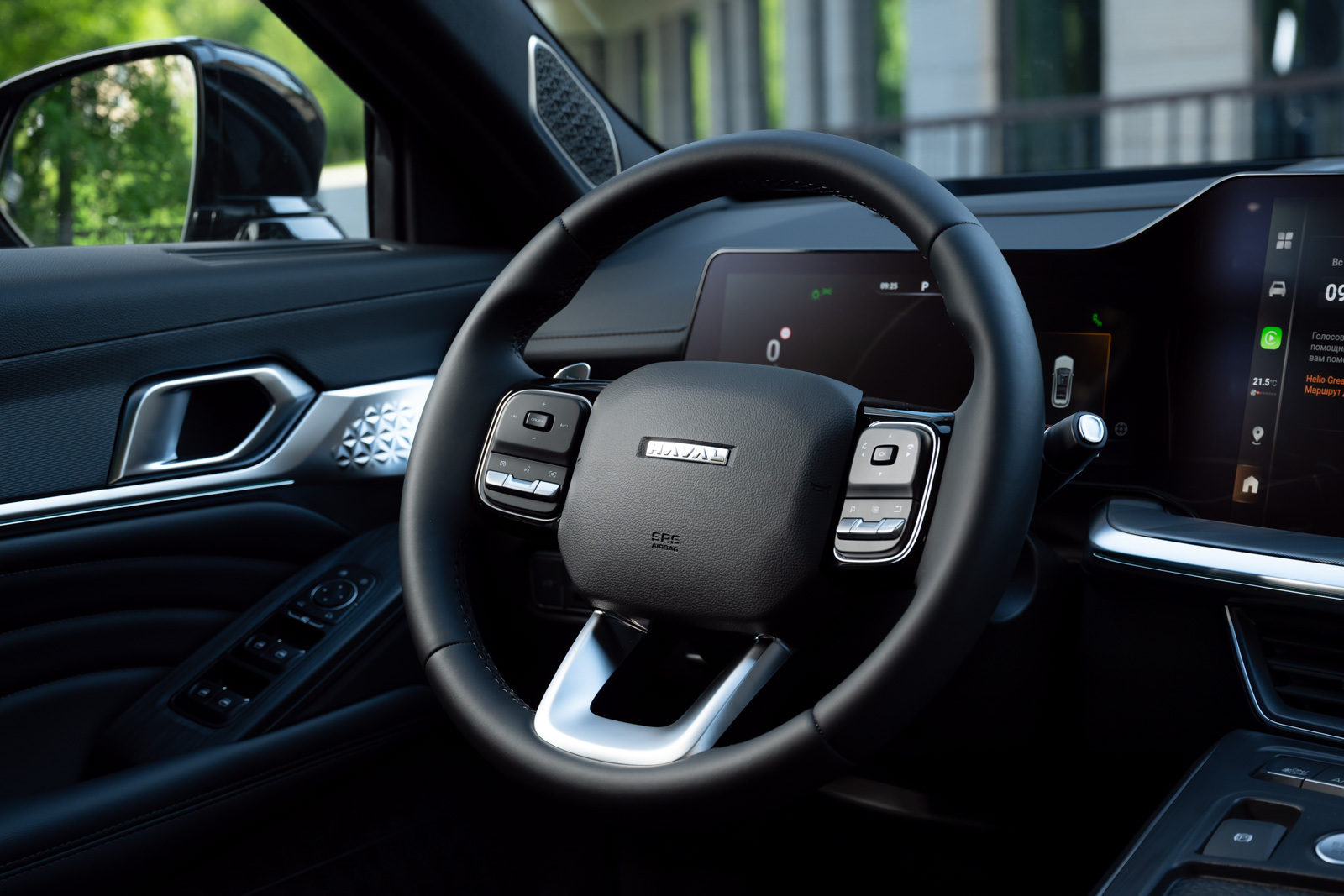 The gear selector has moved to the right side of the steering column. The free space on the console was given over to niches and charging.
Haval 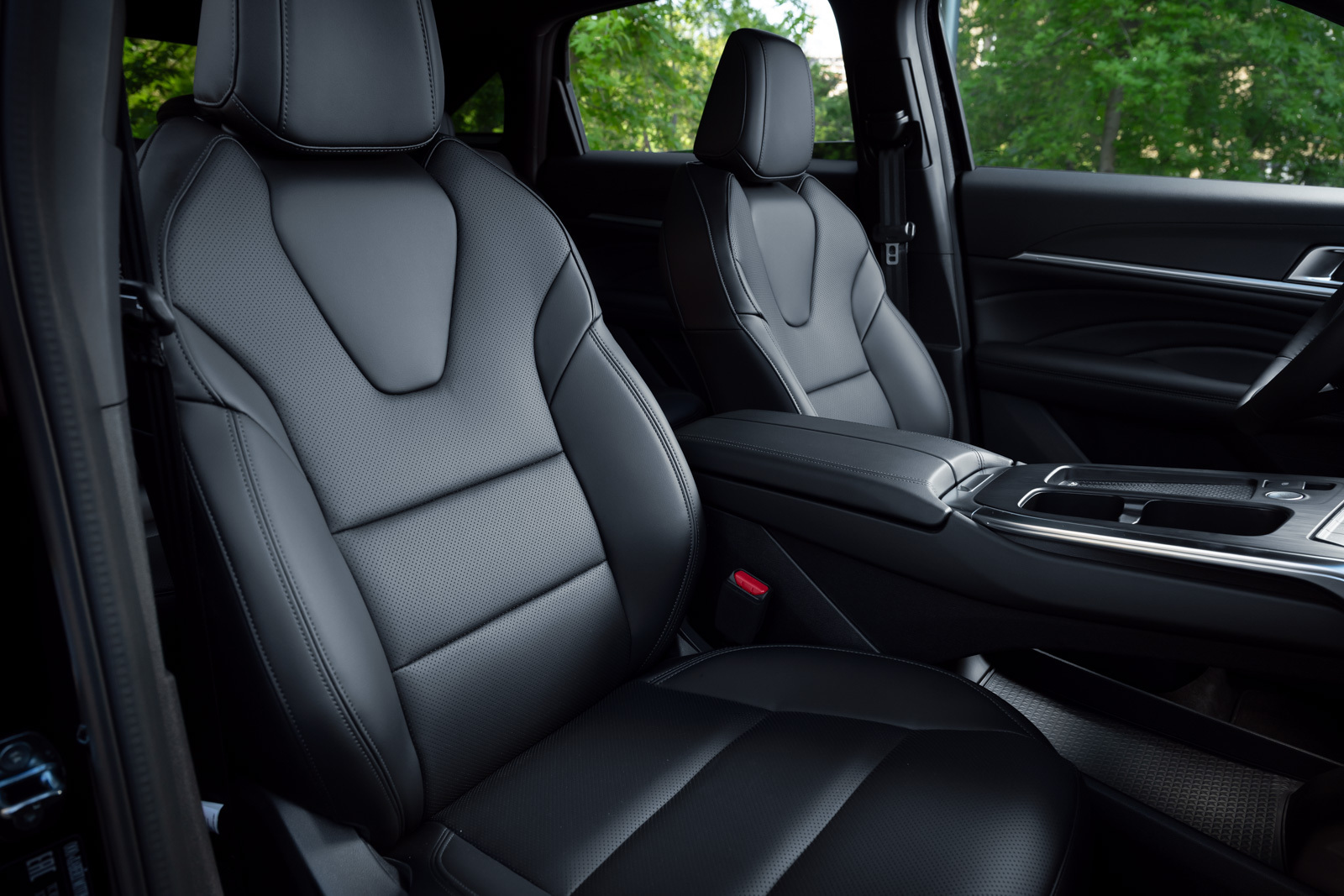 In top versions, the driver’s seat received electrical adjustment in 8 directions instead of 6 – an adjustment to the angle of the pillow was added.
Haval 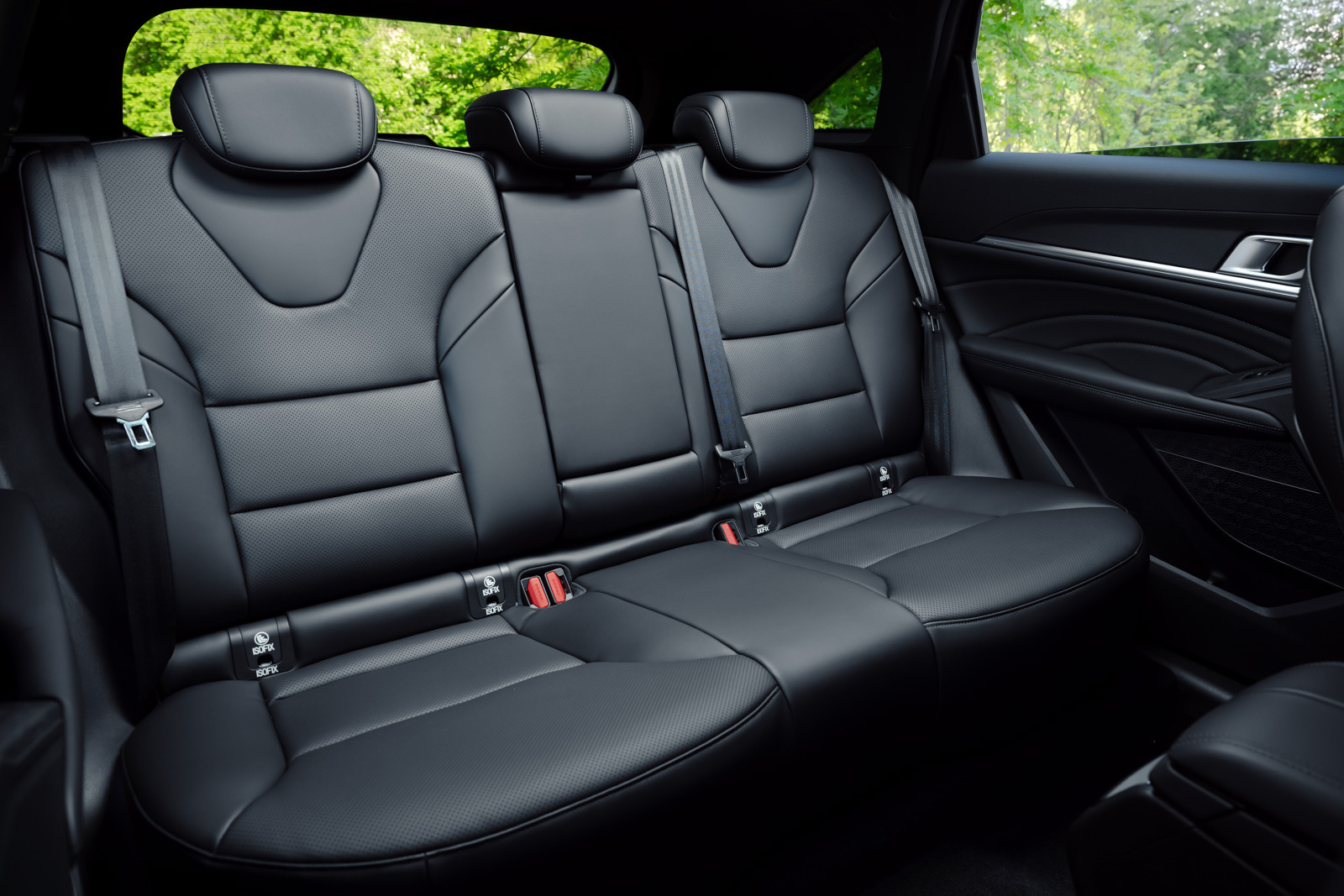 Among the “winter” options are heating of all seats, steering wheel, windshield and windshield washer nozzles. Front seat ventilation is also available.
Haval 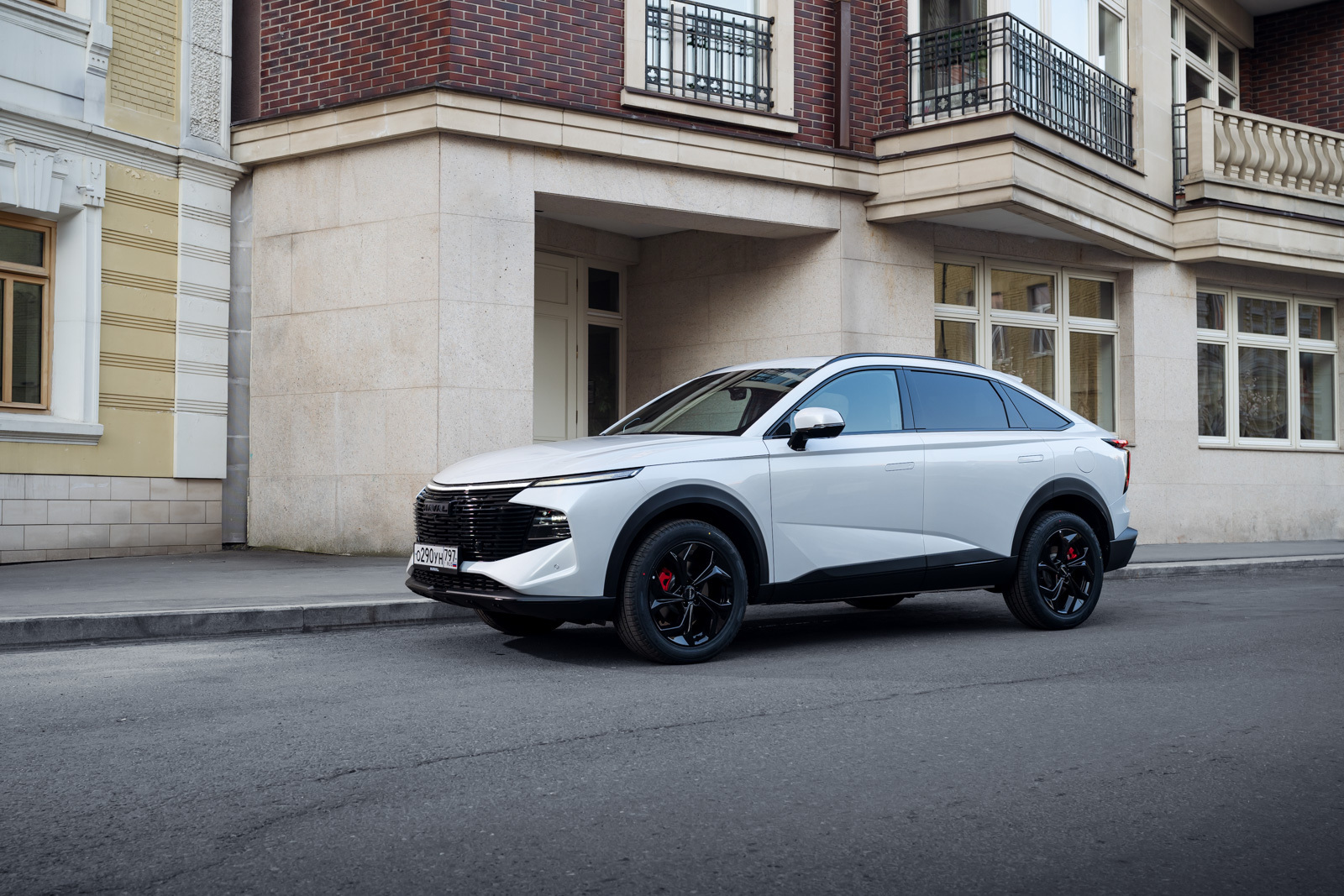 Haval F7x is no longer just a “version of the F7 with a sloping roof”, but an independent sports cross-coupe with character. And with 231 hp.
Haval 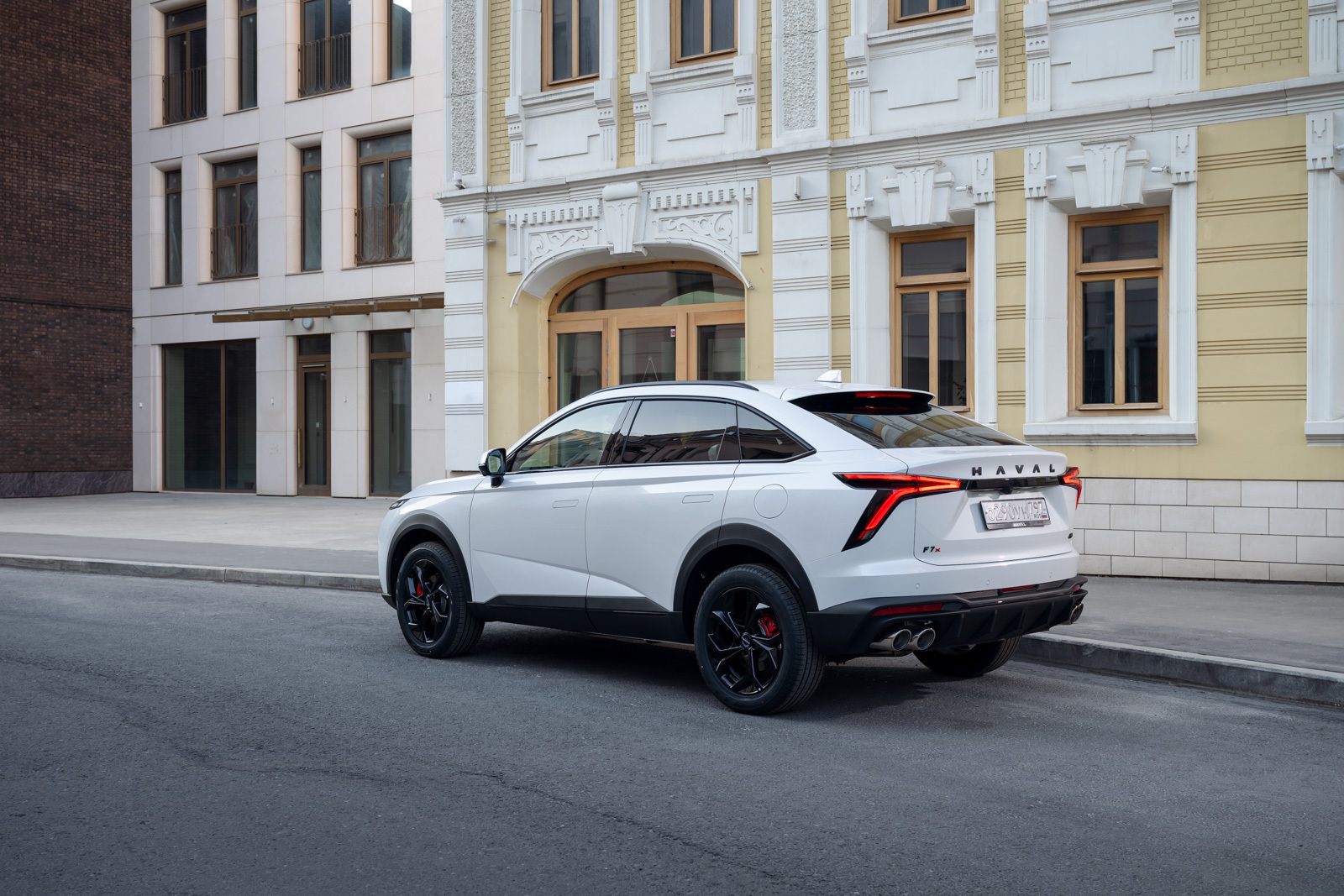 The main news: the 2.0-liter turbo engine was boosted from 192 to 231 hp. Torque increased from 320 to 380 Nm.
Haval 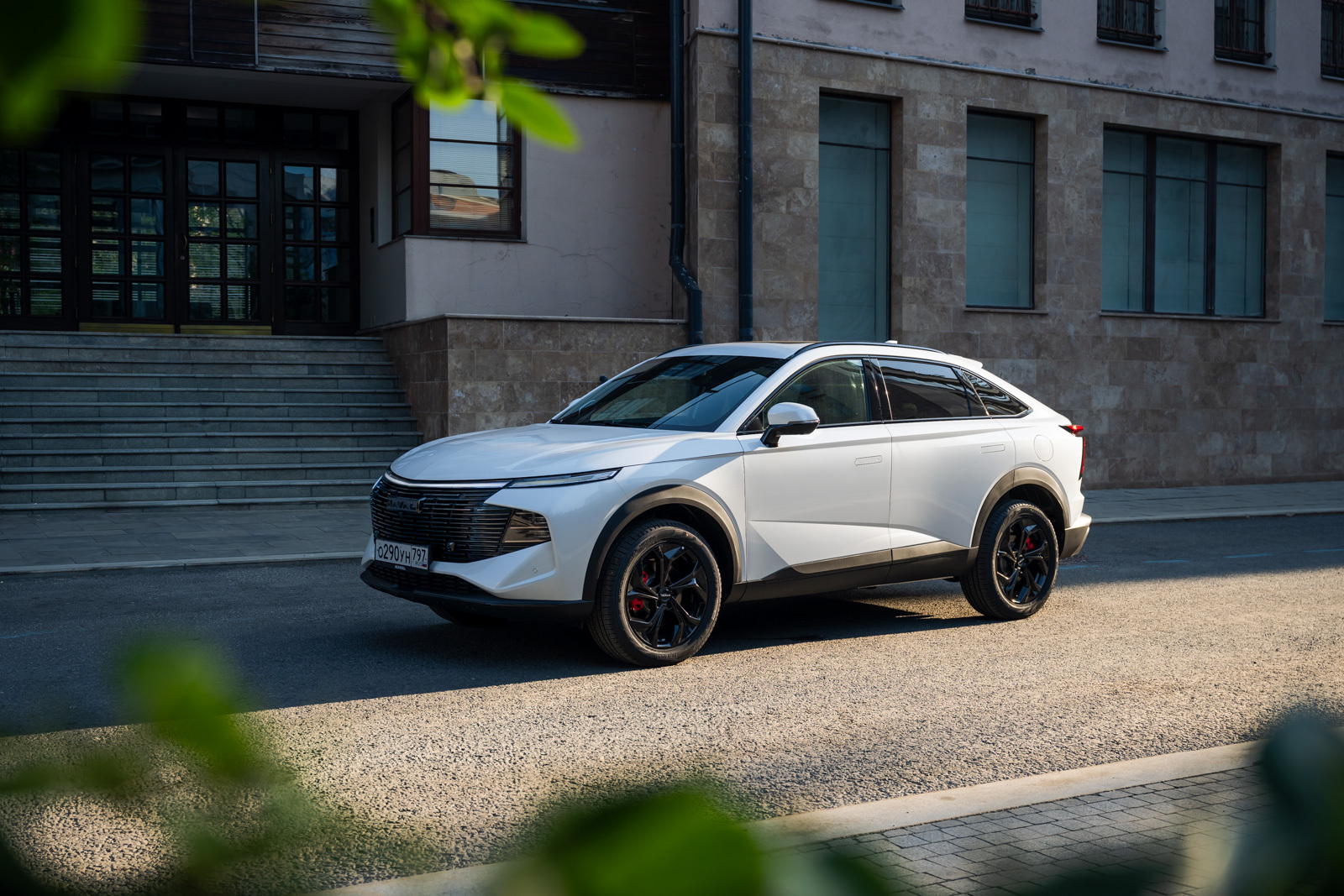 Acceleration to 100 km/h now takes 7.8 seconds instead of the previous 9.4. This is a serious claim to dynamics in its class.
Haval 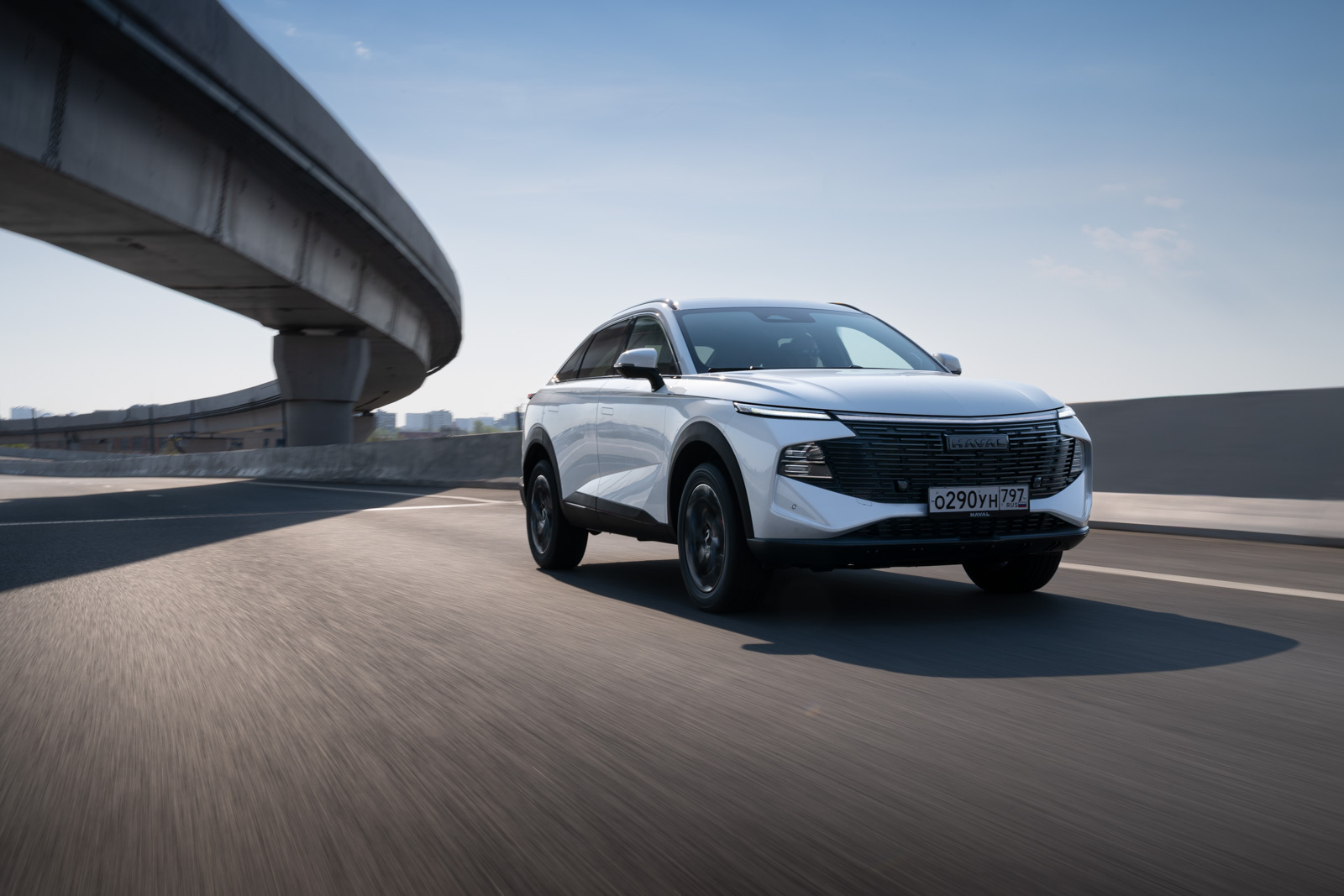 At the same time, the environmental class has been increased to Euro 6, and fuel consumption in the combined cycle has decreased to 8.5 l/100 km.
Haval 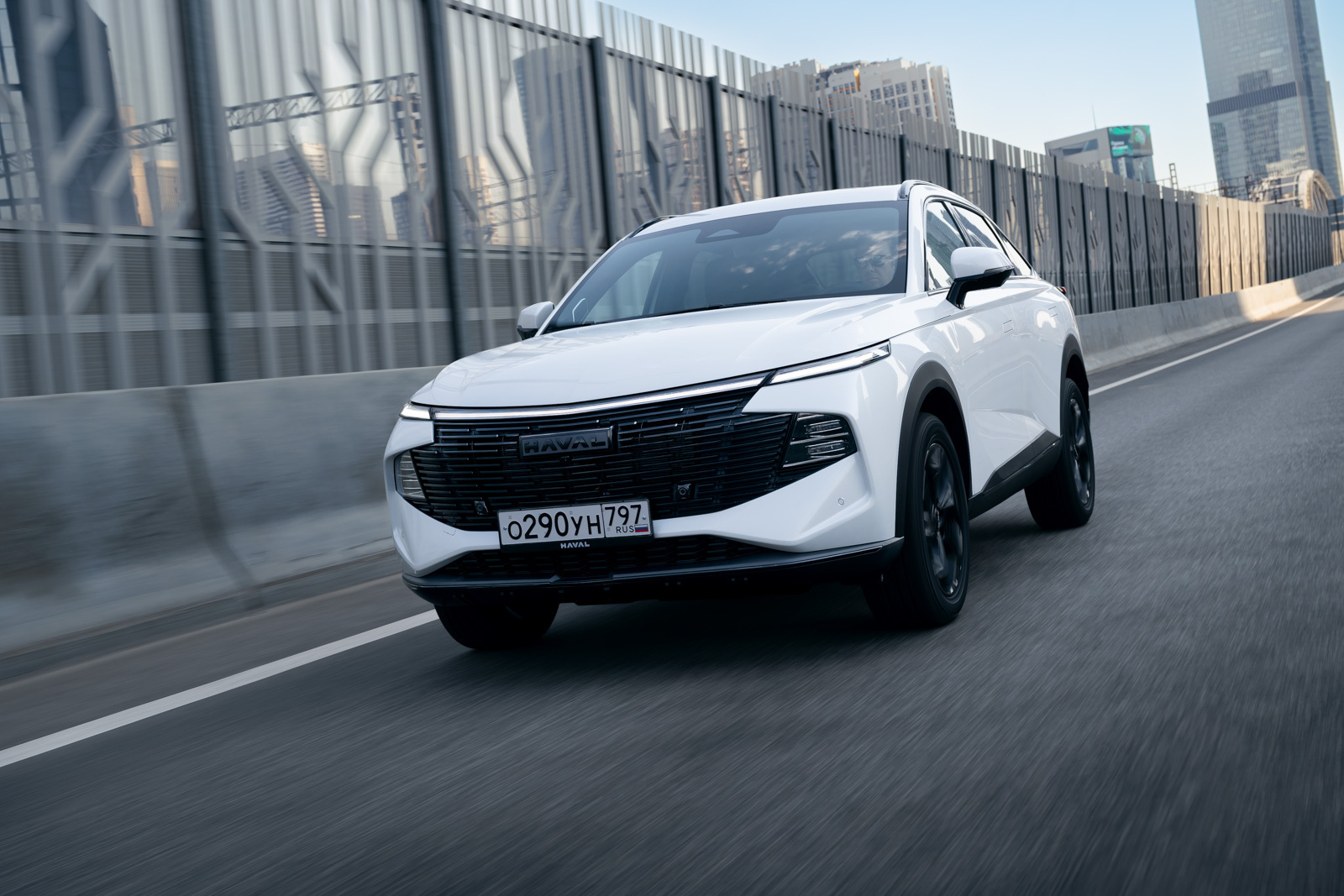 The exterior of the F7x has become more aggressive: no chrome, a glossy black radiator grille, red brake calipers and four exhaust pipes.
Haval 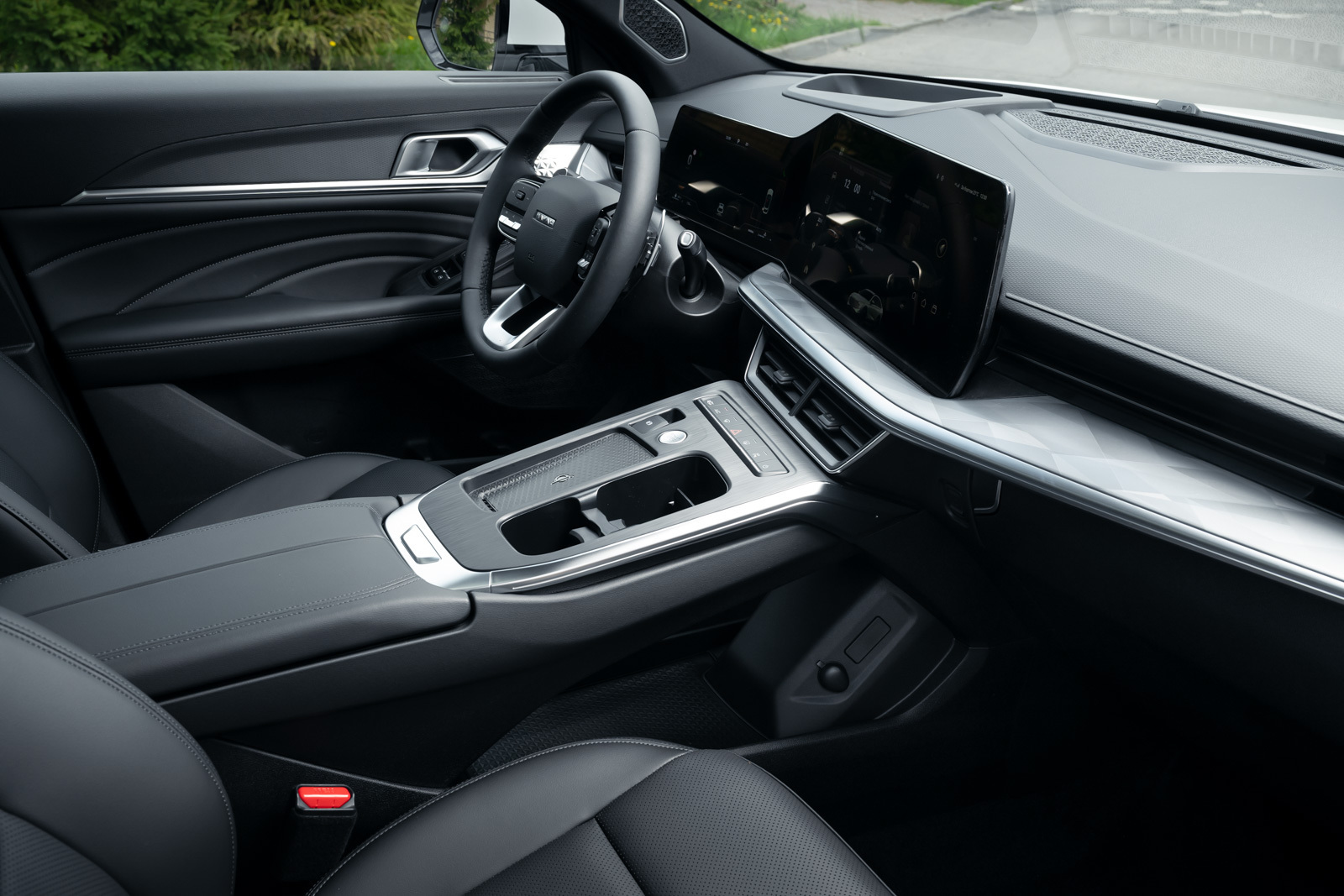 There are two large screens in the cabin: a 12.3-inch dashboard and a 14.6-inch multimedia screen. The central display is facing the driver.
Haval 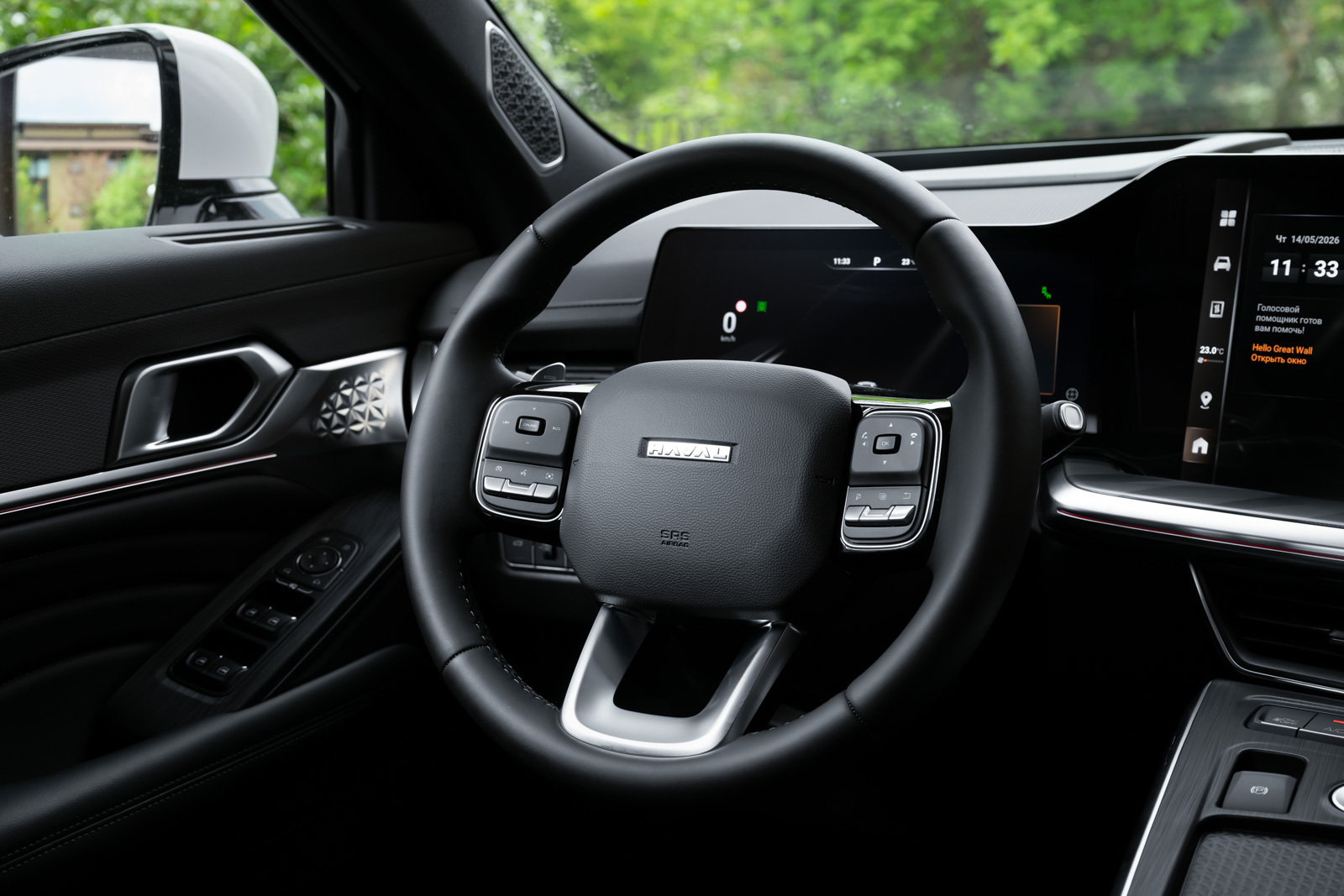 The robot selector has also been moved to the steering column. On the center console there are physical climate control buttons (important for Russia).
Haval 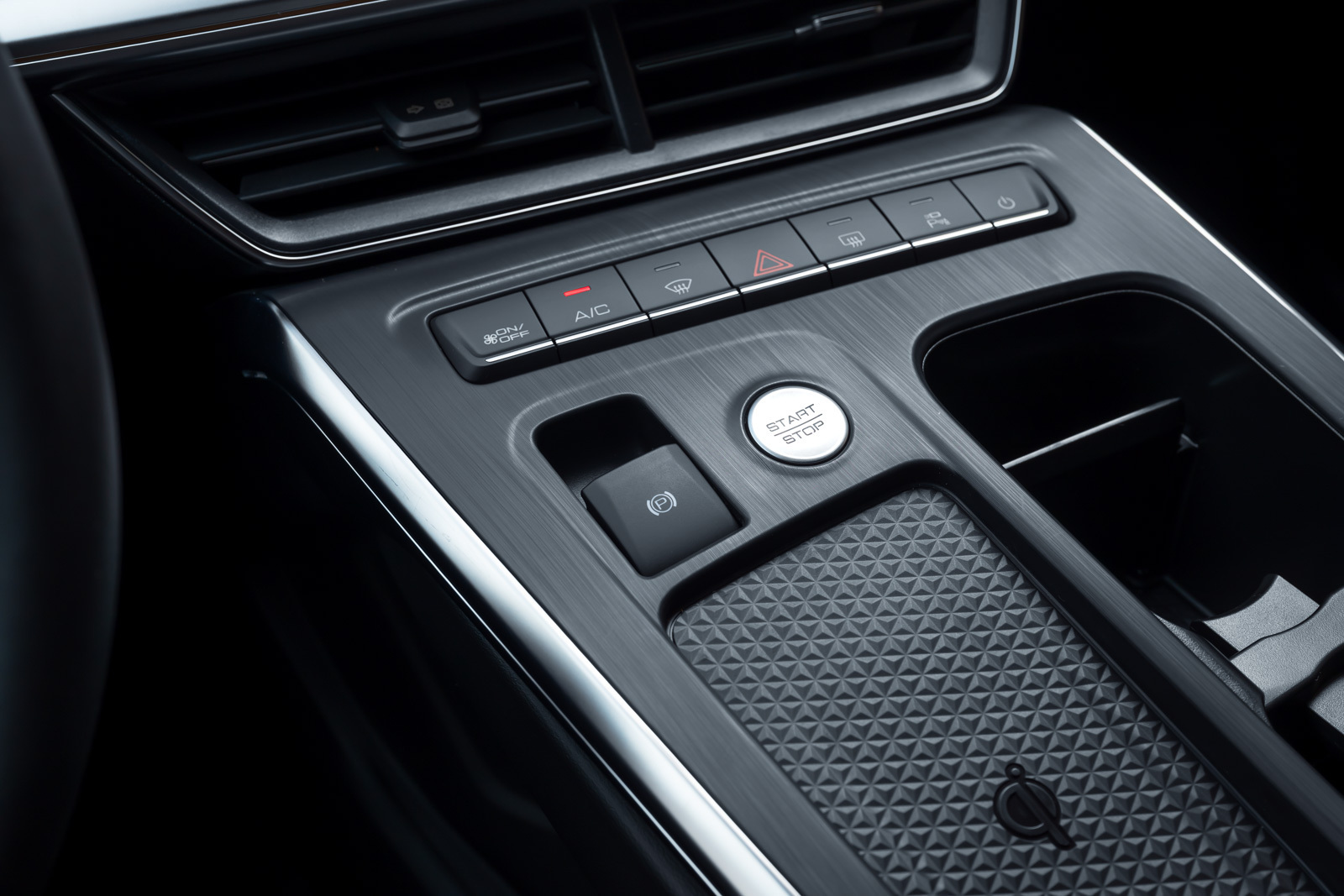 Wireless charging power has been increased to 50 W, active cooling has been added. A separate parking brake button has appeared.
Haval 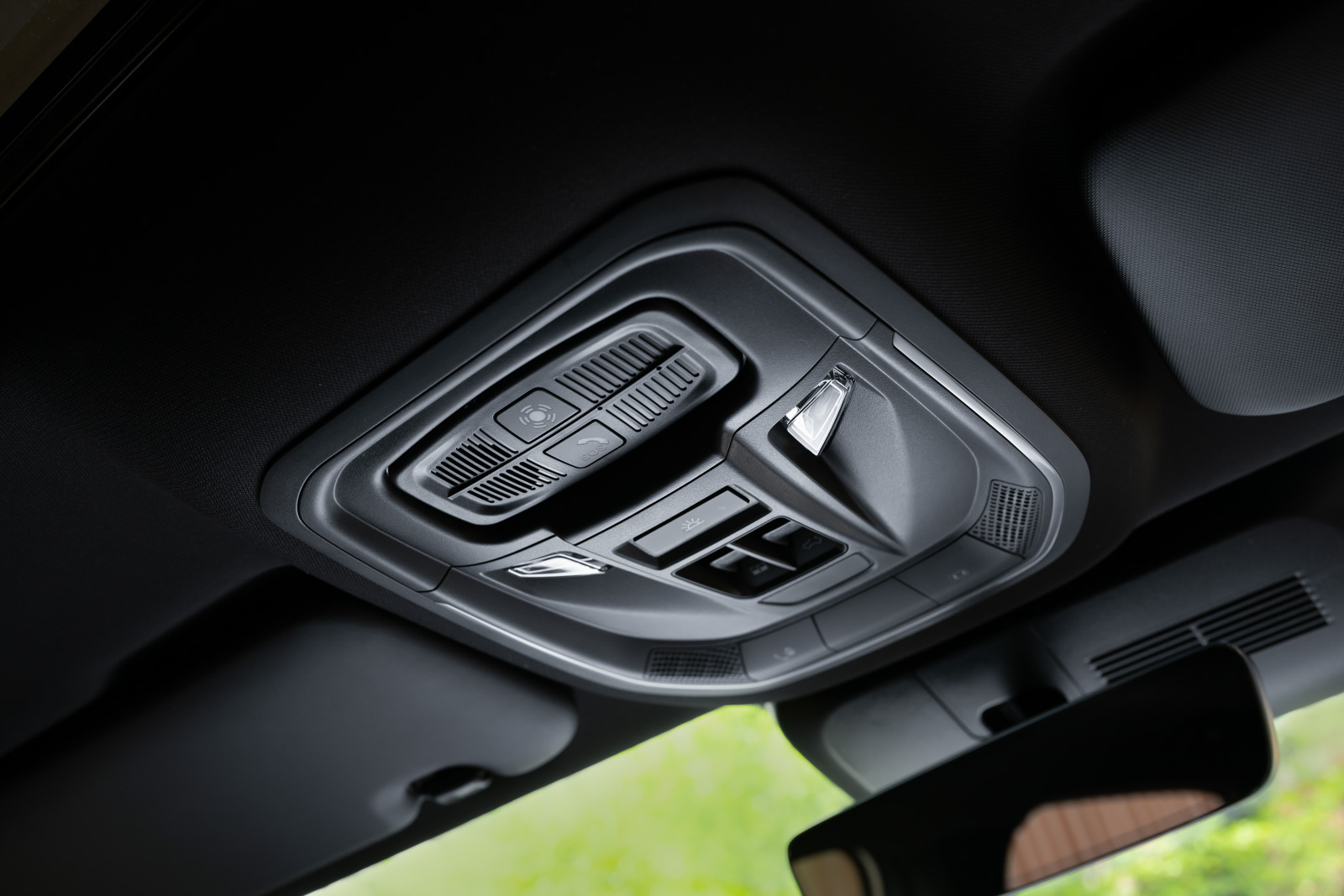 The Techno+ package includes a panoramic roof, a head-up display, seat ventilation and adaptive cruise control with auto braking.
Haval 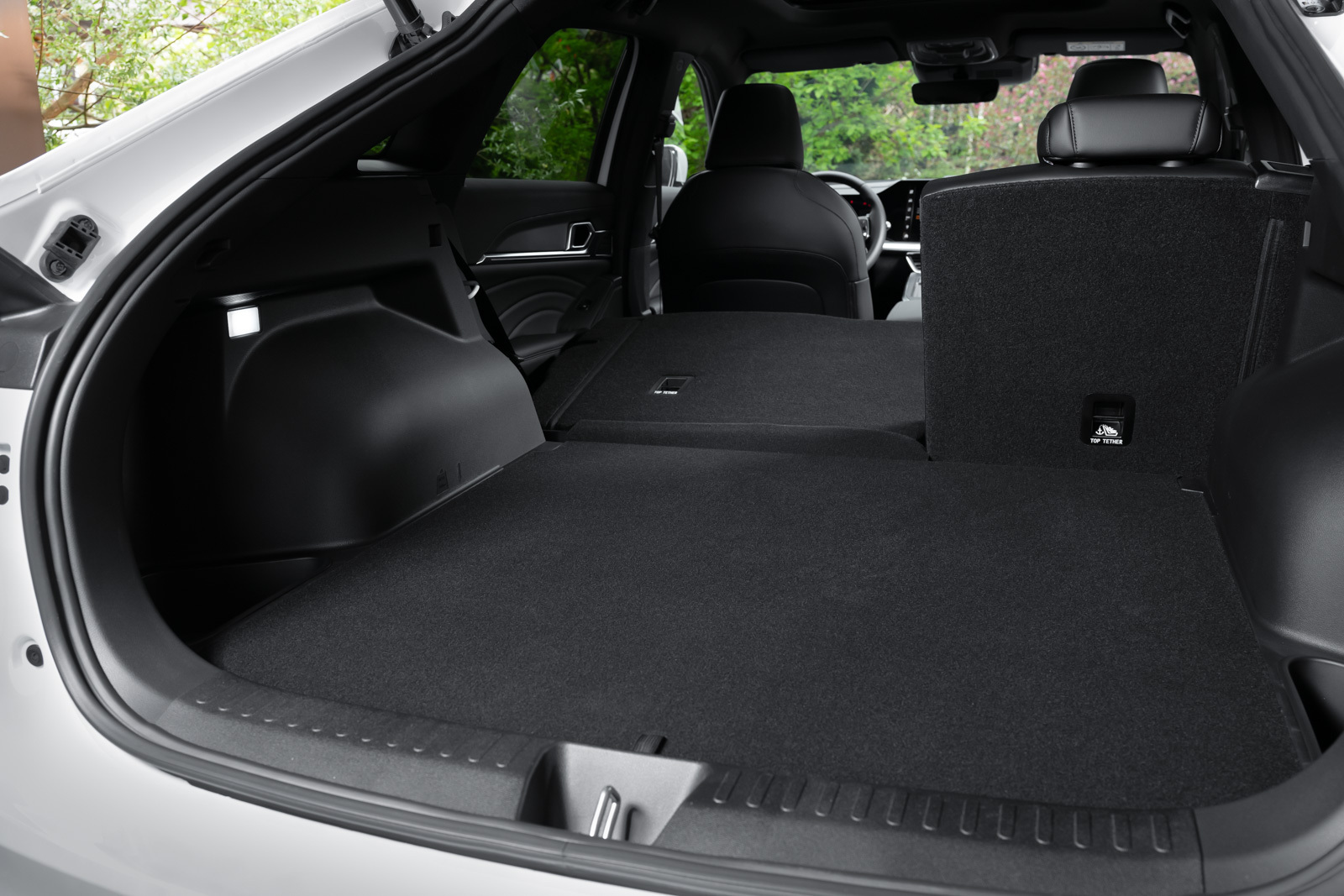 Trunk volume is from 376 to 1278 liters (for a regular F7 – up to 1328 liters, the difference is due to the sloping roof). A full set of heating options is already in the database.
Haval
The appearance of the models has not changed, but the technical content has been seriously redesigned. The 1.5-liter and 2.0-liter engines have become more powerful, and in the F7x the engine output has increased to 231 horsepower, which made it possible to reduce acceleration to “hundreds” to 7.8 seconds. There’s a lot of new stuff in the cabin. Prices start from 3 million rubles for the front-wheel drive F7. Motor magazine shows the updates of both cars in full detail.