In the Haval Jolion cabin, the hand intuitively turned down the radio volume with the good old “puck” – this means that the Chinese don’t give a damn about our opinion and they added it to make it convenient for the local client. Moreover, in China itself you will no longer see Jolion on the road – it did not go there. With certain assumptions, it can already be called our home-grown domestic car. Did it become better after the update? Motor magazine found out on the roads of Belarus.
At the end of 2025, Haval Jolion became the most popular foreign car in Russia. It still has third place in the overall standings (after Lada Granta and Lada Vesta), first place among all crossovers and all foreign cars. Moreover, Jolion has been leading for three years in a row. In 2024, it went through an update: it replaced chrome with black plastic and received new options.
Haval Jolion
Haval
Outside
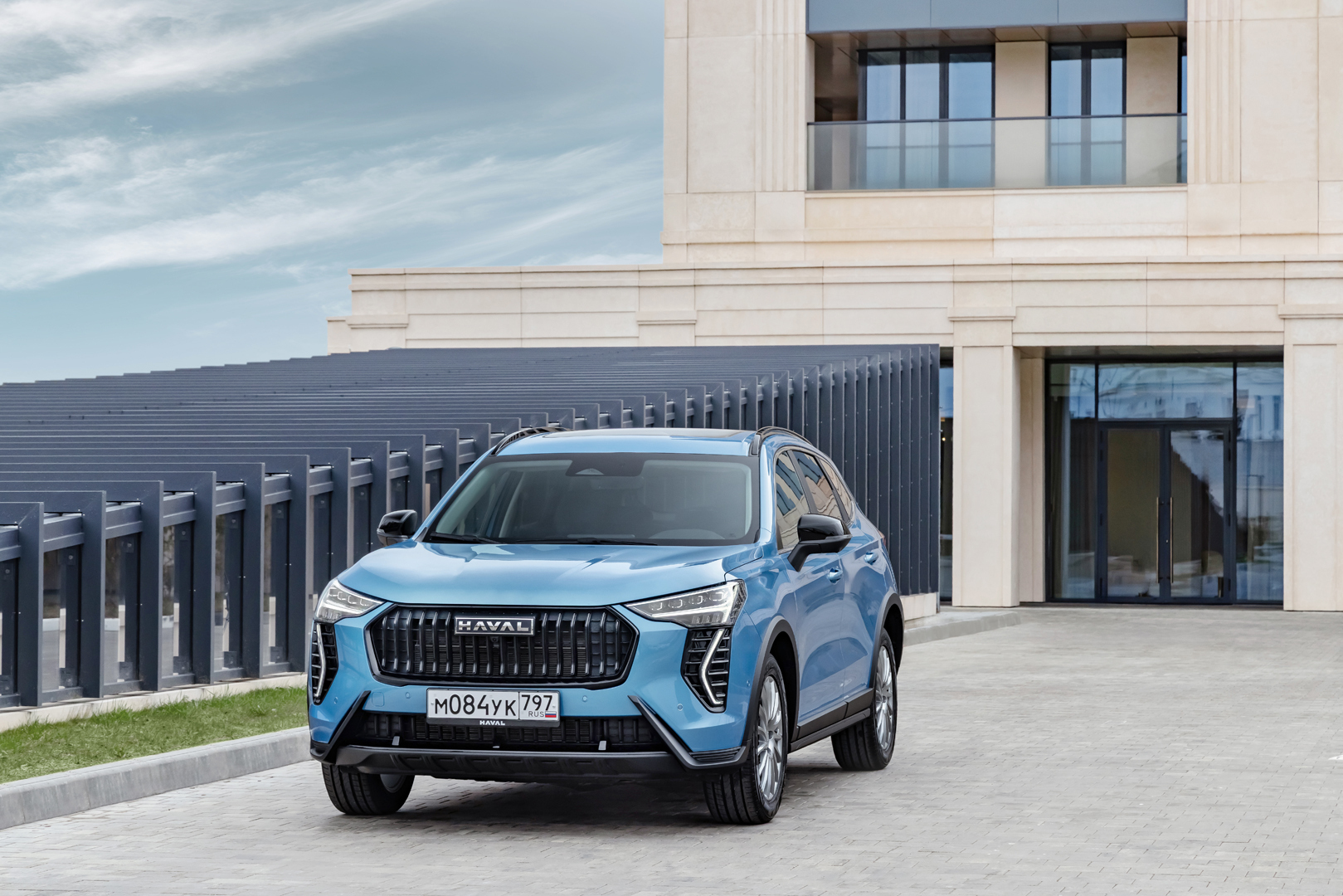
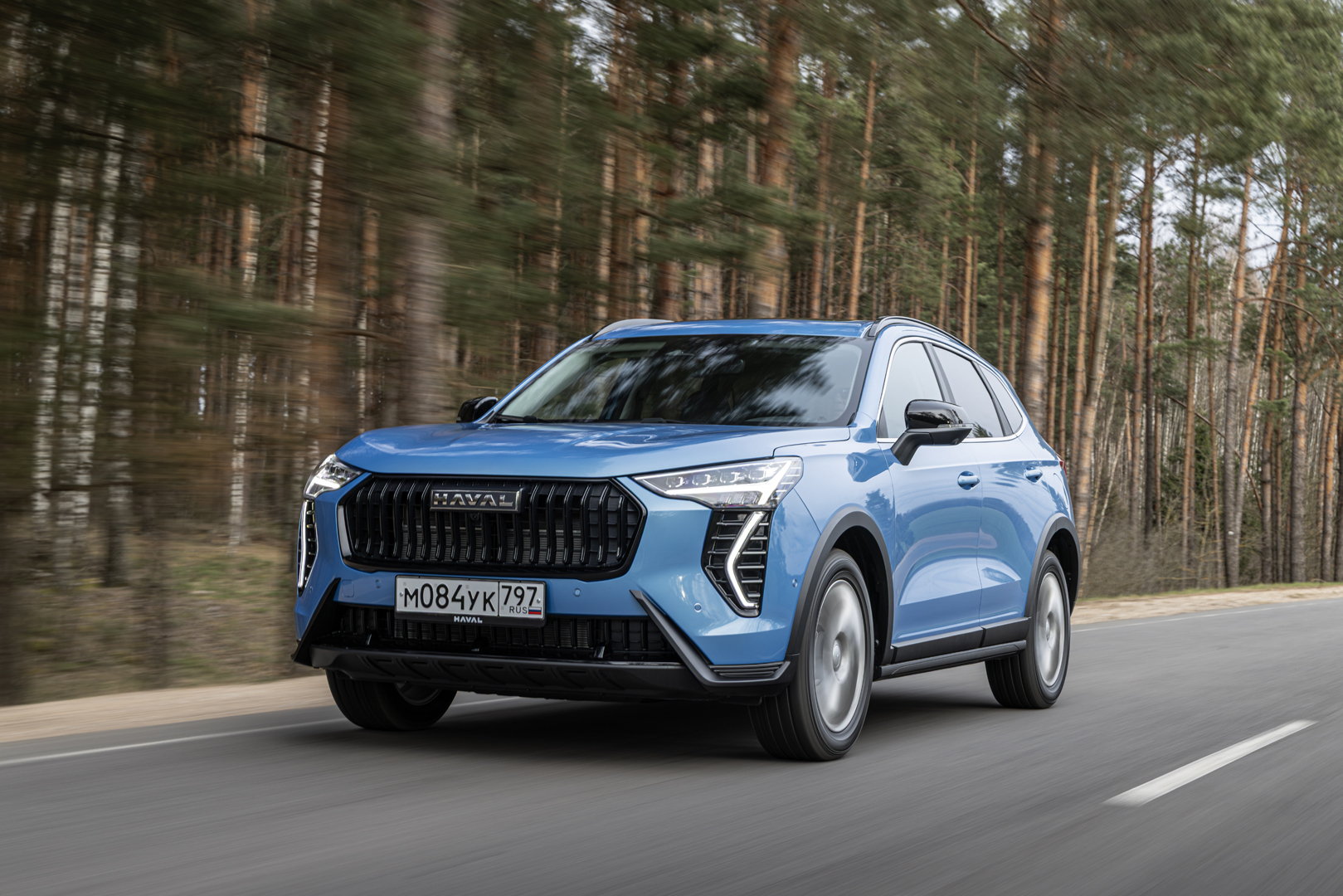
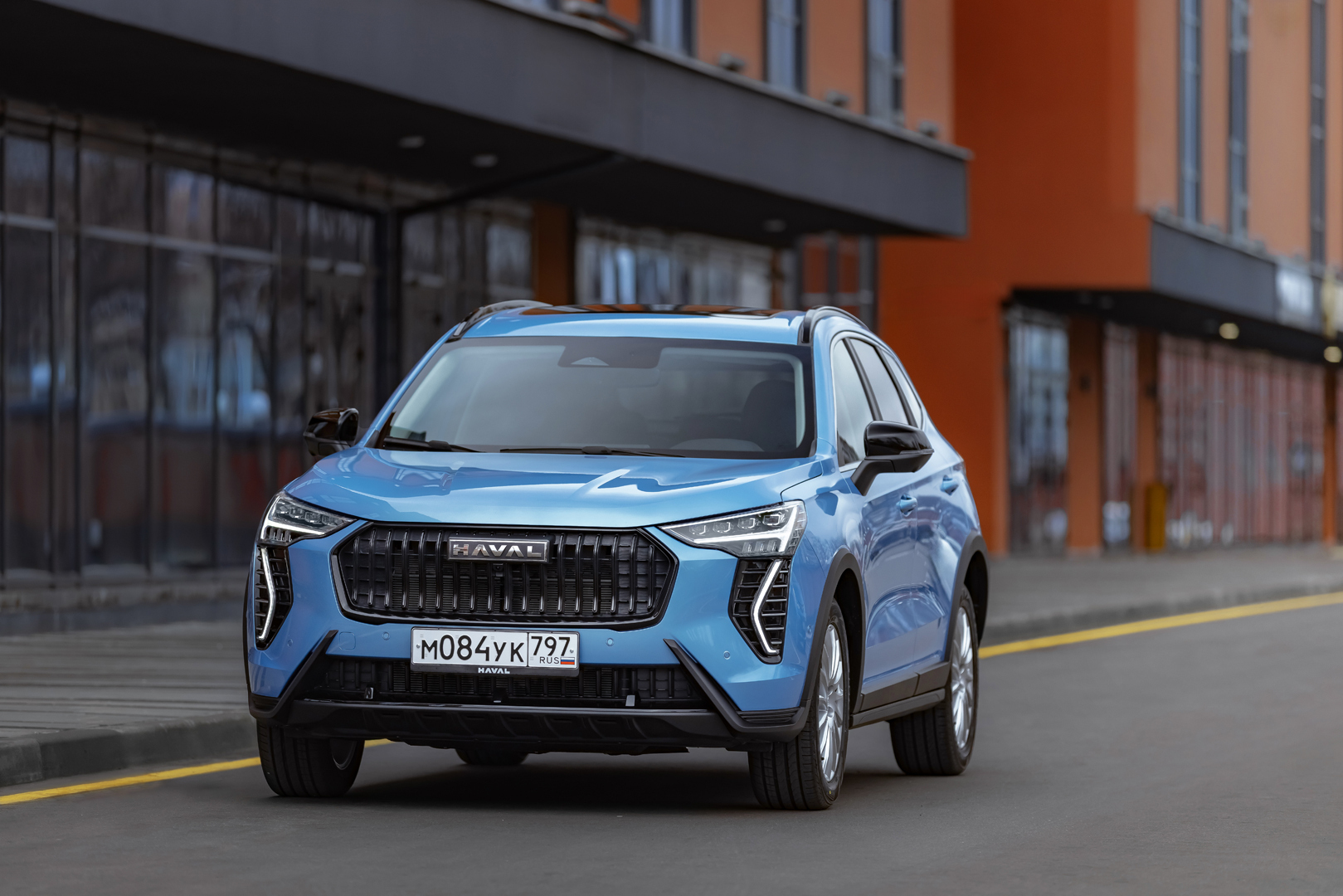
The appearance of the updated crossover was not touched. And they did the right thing. After the 2024 update, when the car got rid of the peeling chrome and received black body kits around the perimeter of the body, the design finally took shape. Vertical radiator stripes, a “floating” roof with black pillars, an emotional but not clown front, like some budget crossovers from China. The panoramic roof with sunroof, as before, is available only for the highest prices.
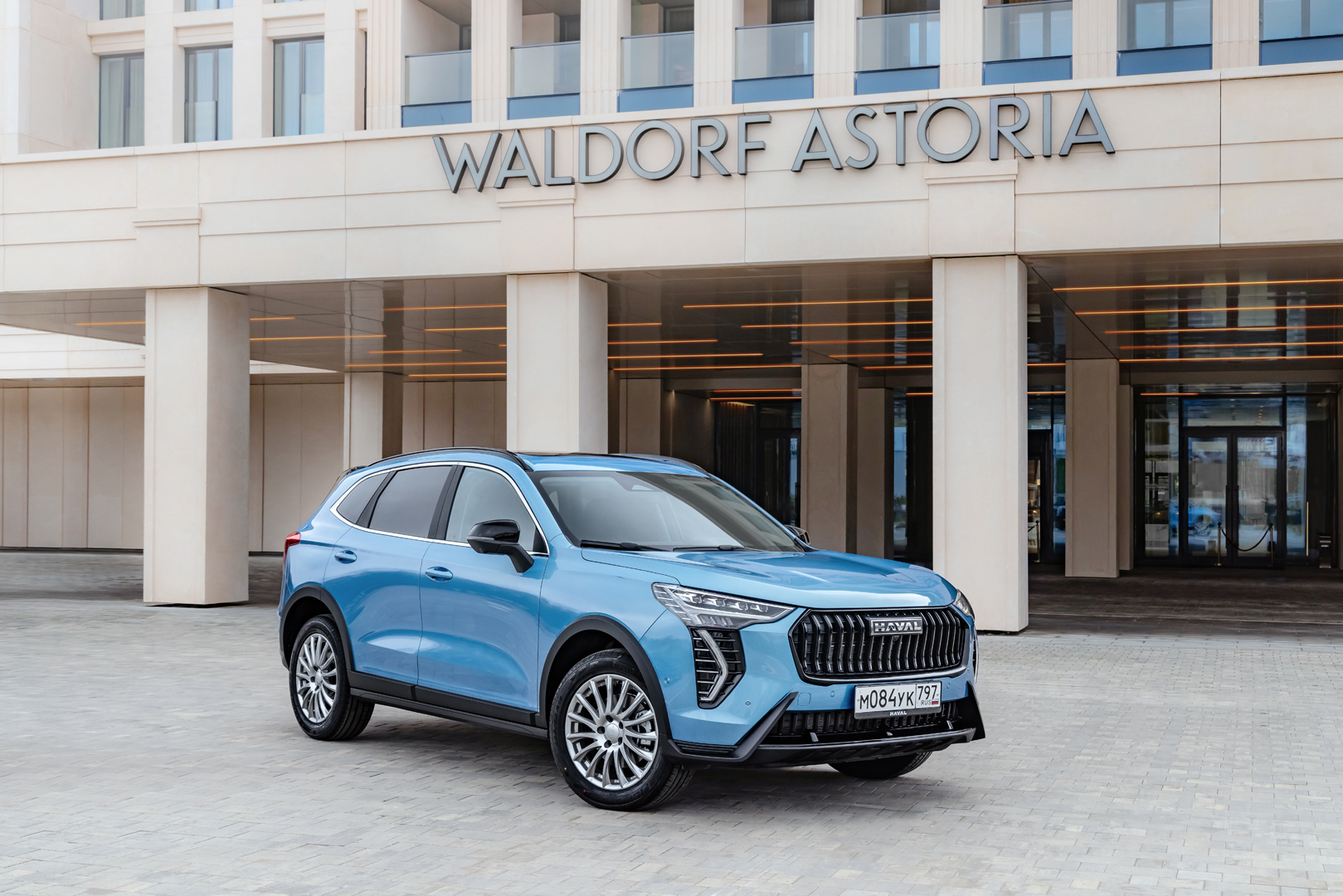 The dimensions are also the same (4472x1874x1581 mm). The wheelbase is impressive for the class of 2700 mm.
Haval
It is the solid wheelbase that provides the Jolion with the main advantage that makes it a bestseller – real space in the rear. The ground clearance is an honest 190 mm, unlike some competitors who measure it without crankcase protection. The color palette has not changed either: Heavenly Topaz, Magmatic Red, Noble Agate, Galaxy Black, Smoky Pearl.
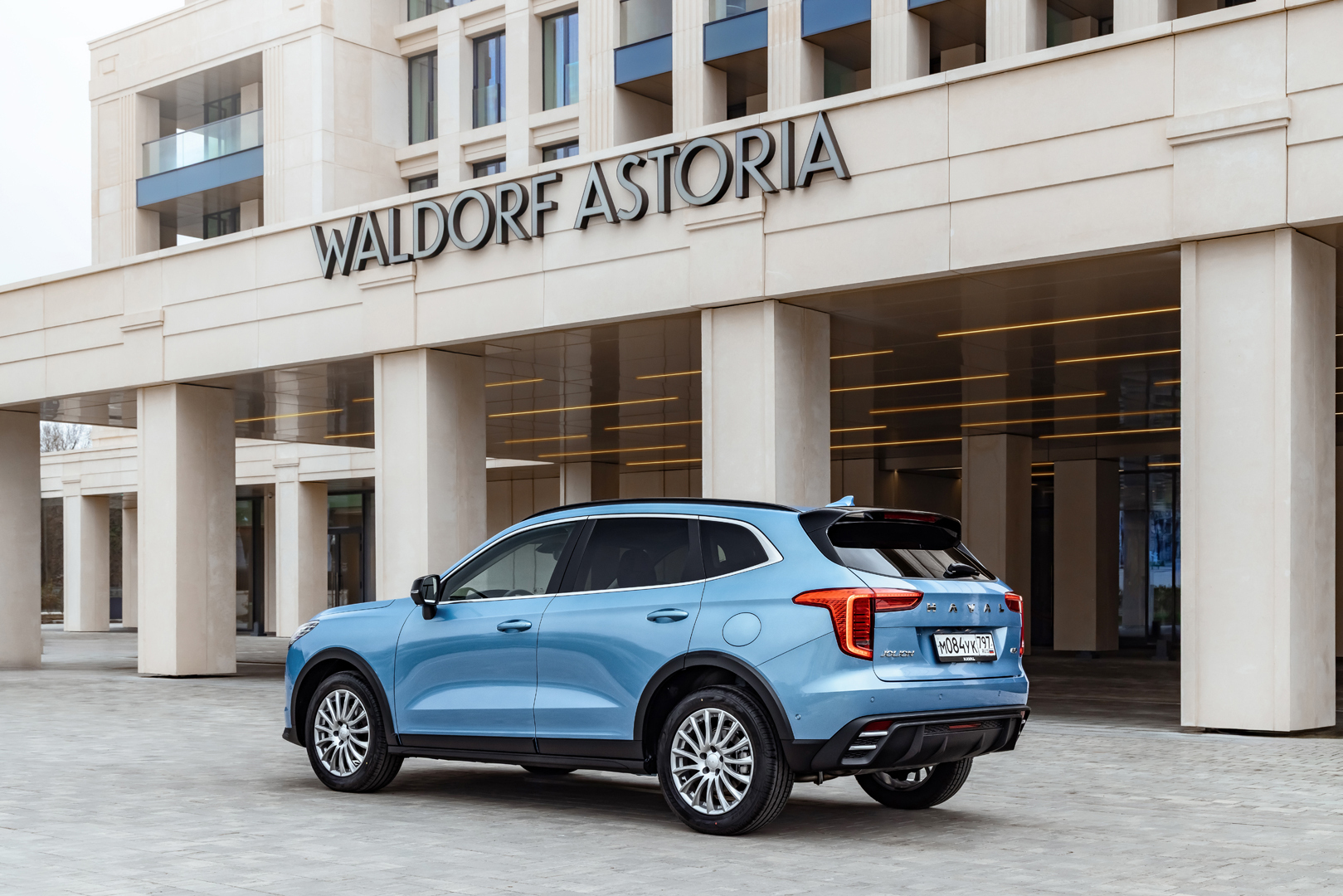 There was a fear that the Jolion would suddenly look like an electric car with a plug instead of a radiator grill – everything is still the same, which is for the better.
Haval
Ergonomics
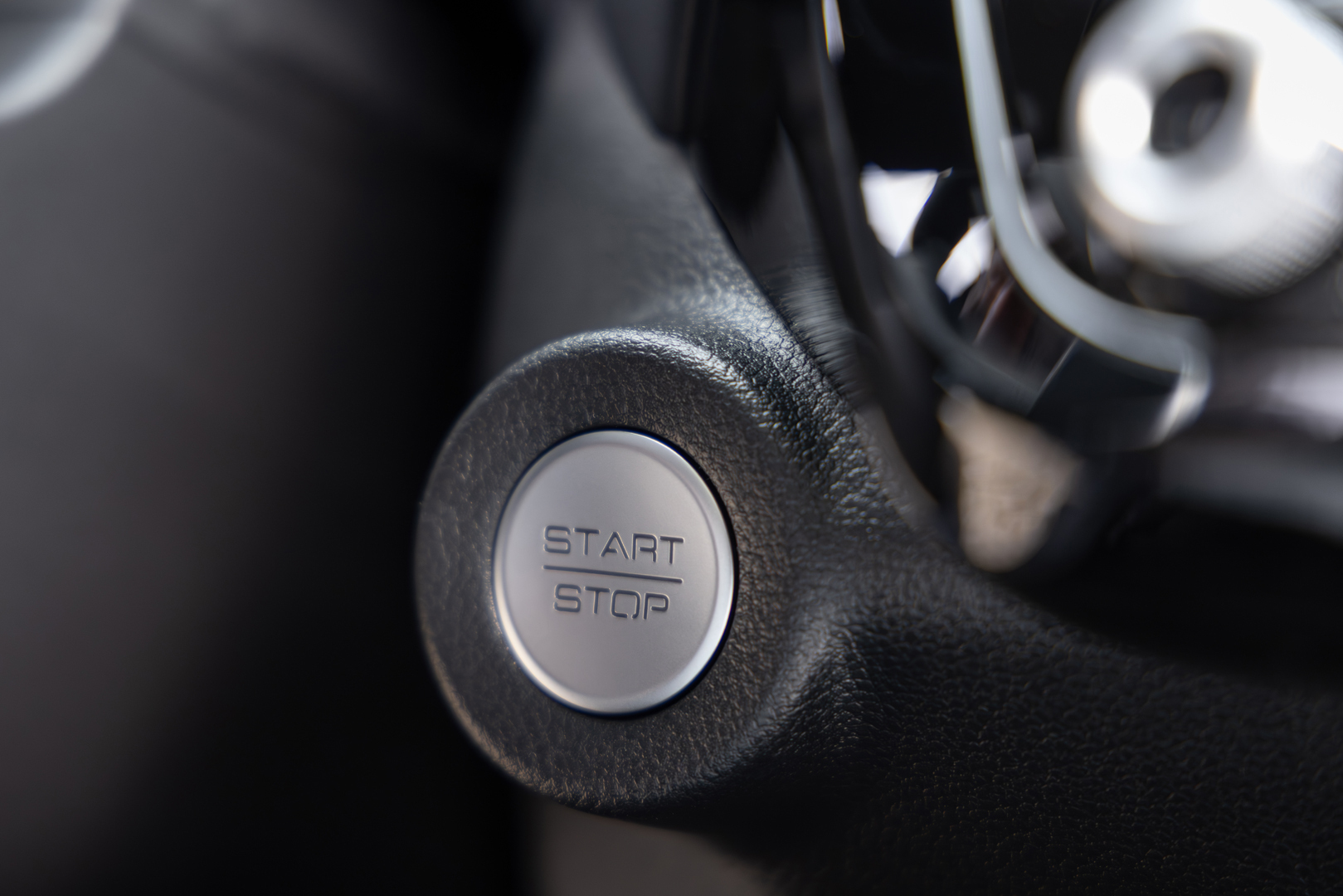
The updated Jolion no longer has the round transmission selector on the center console, which was the hallmark of Haval. Many owners disliked it for its unclear fixation; now it has given way to the classic vertical joystick – like on “adult” cars.
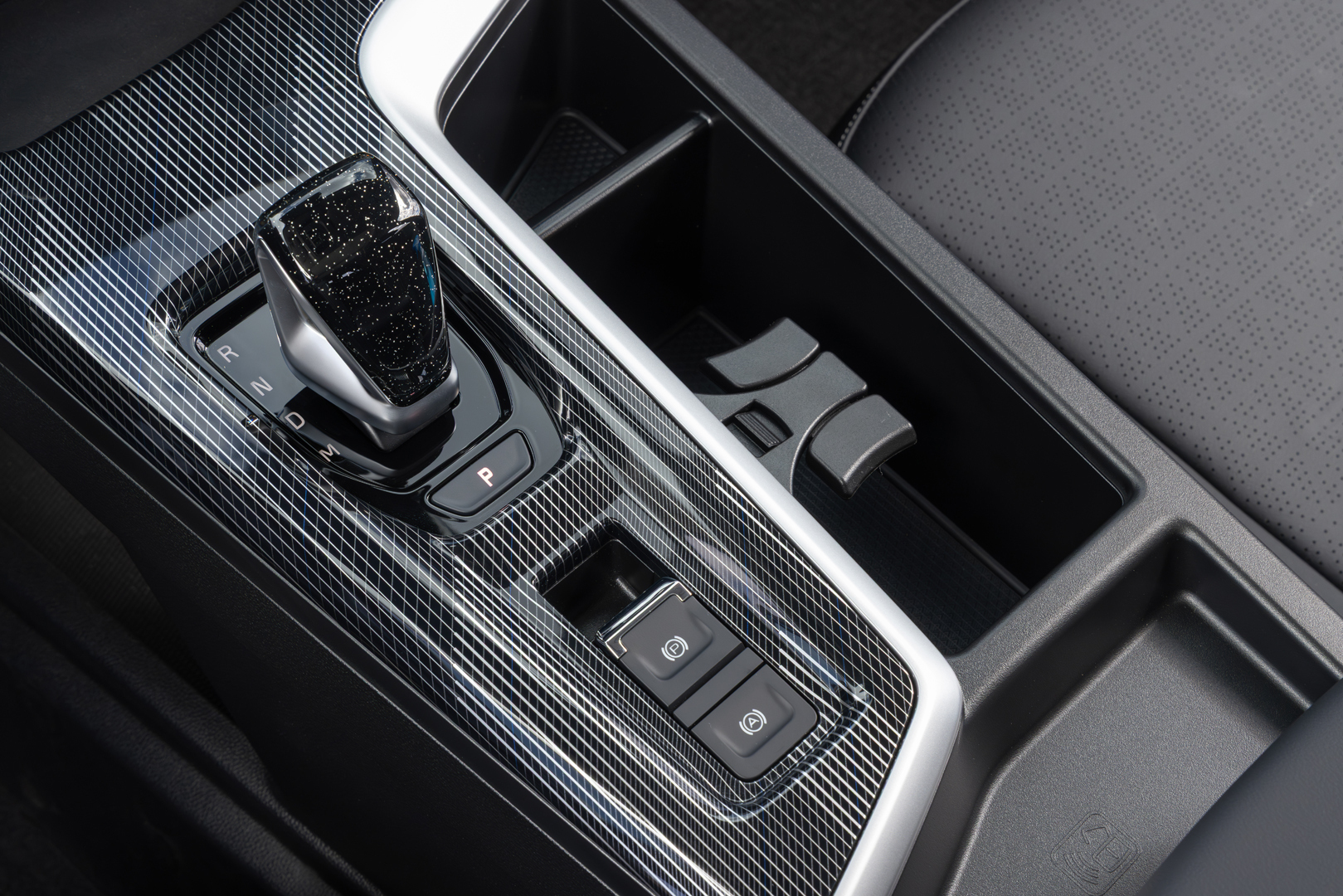 The central tunnel has been redesigned: dual cup holders can now also be used as an organizer for small items.
Haval
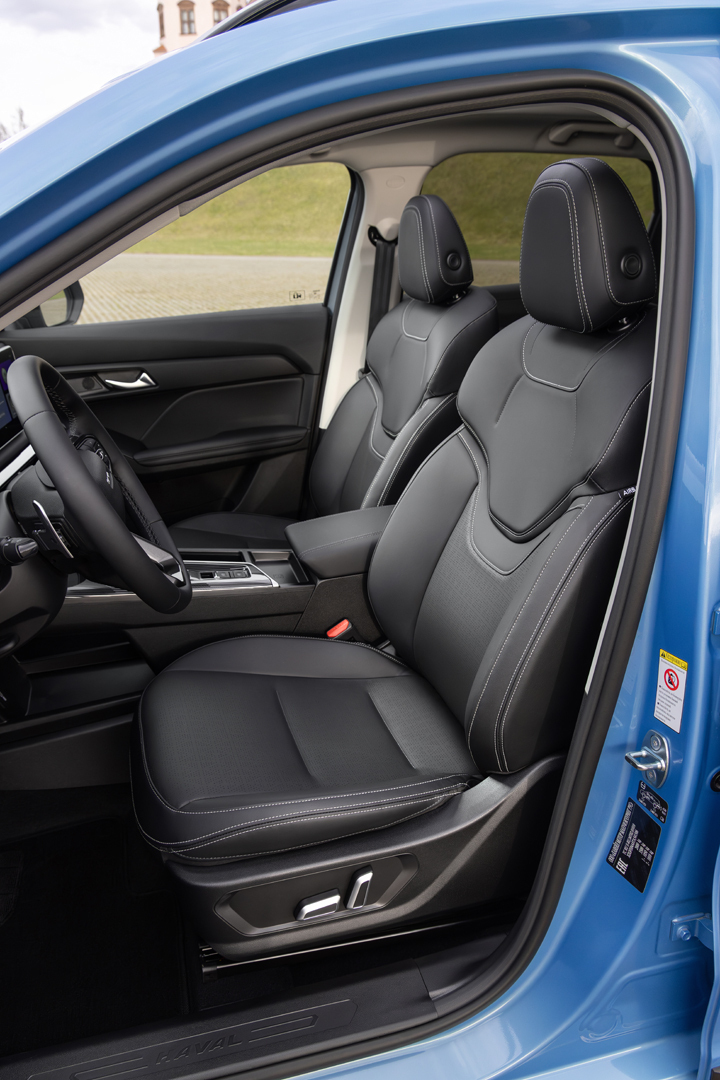
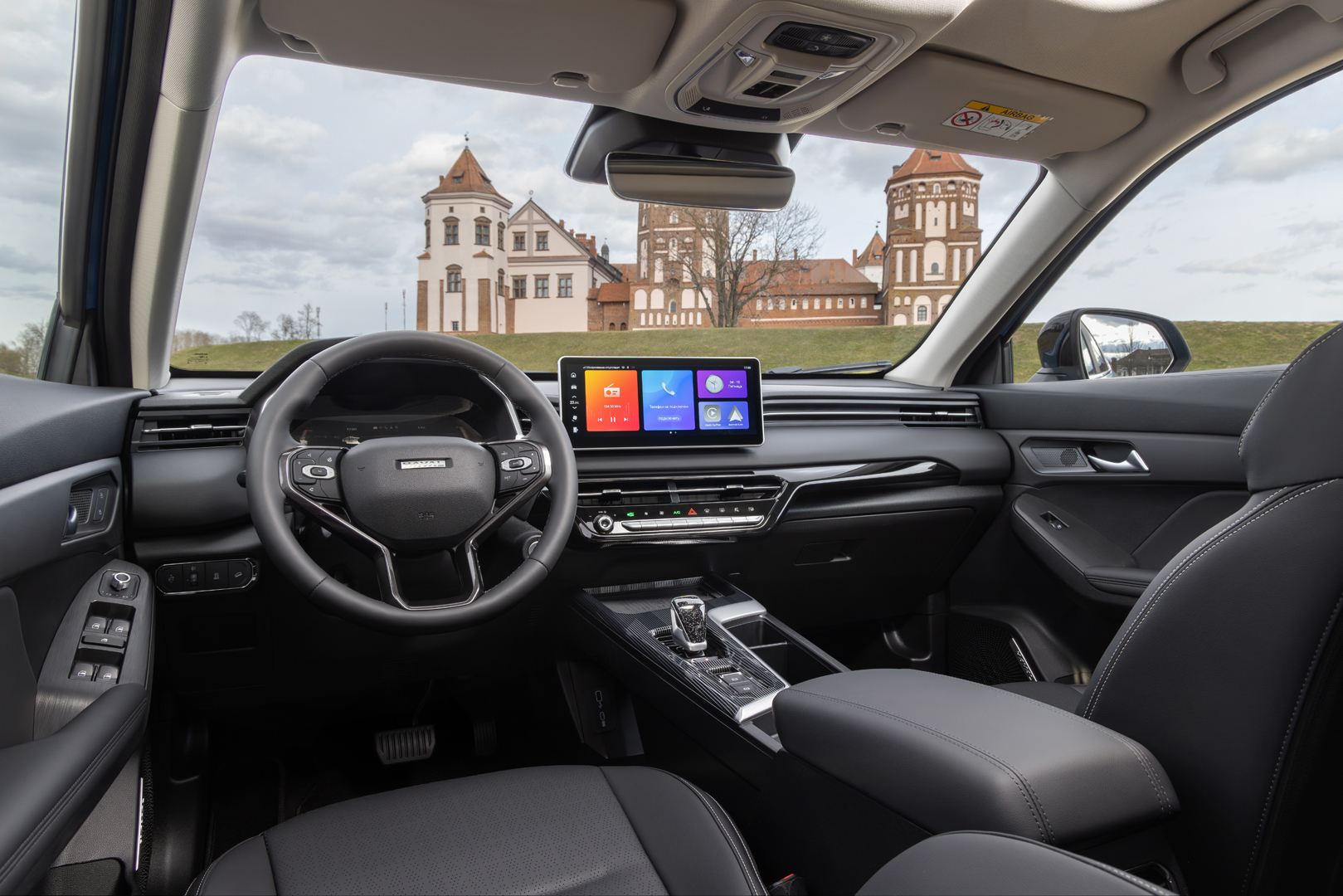
The main thing that distinguishes Jolion from competitors like Omoda C5 is normal ergonomics and real space. You sit down and you don’t need to look for a compromise position, like in the same C5, where the tall driver rests his knee on the wide center console, and his head keeps finding the ceiling. In Jolion everything is more modest, but more humane. The seating position in the front seats is wide, no one is digging their elbows into anyone, and the tunnel is not trying to squeeze out space from the right leg.
 Haval Jolion
Haval 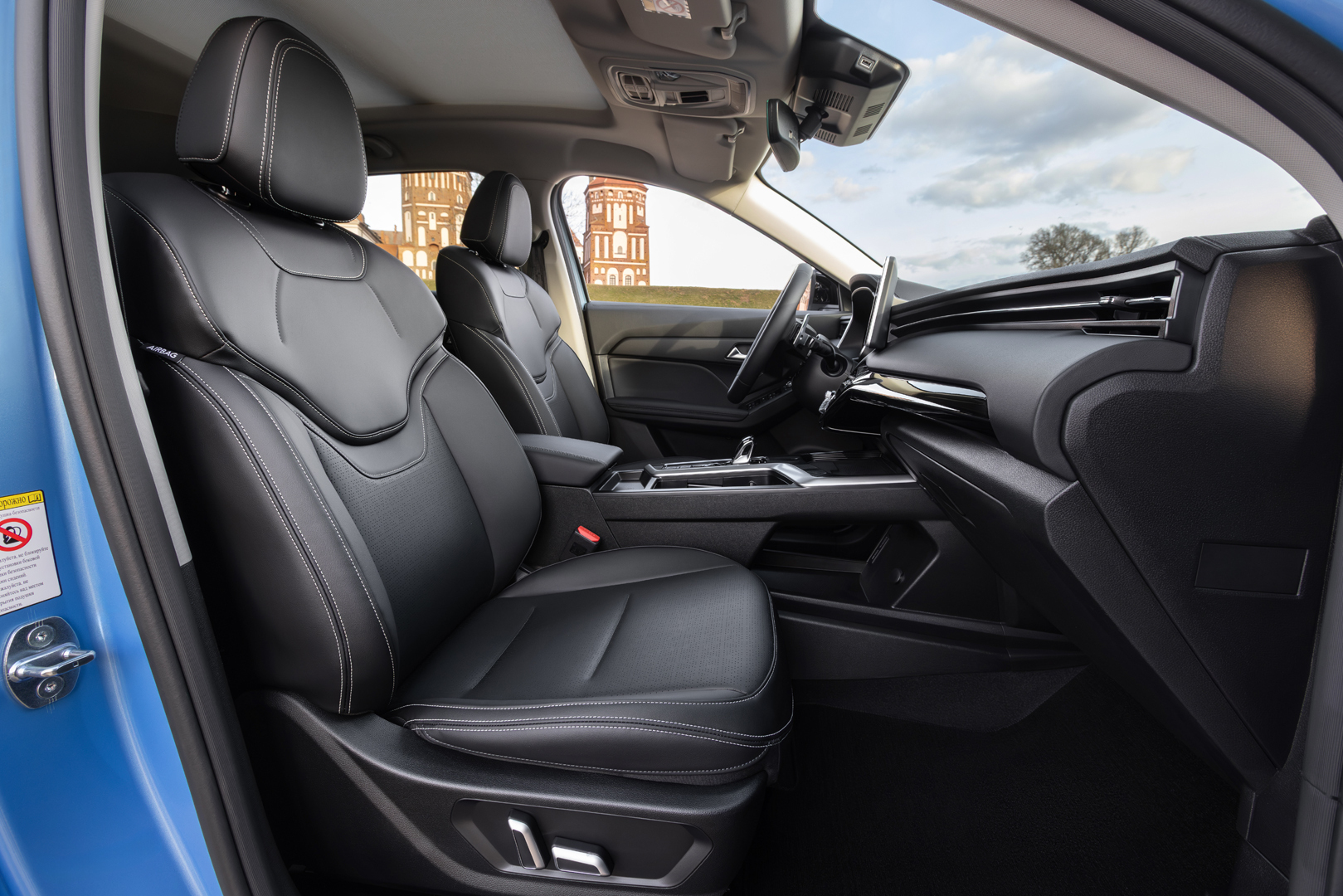 Haval Jolion
Haval 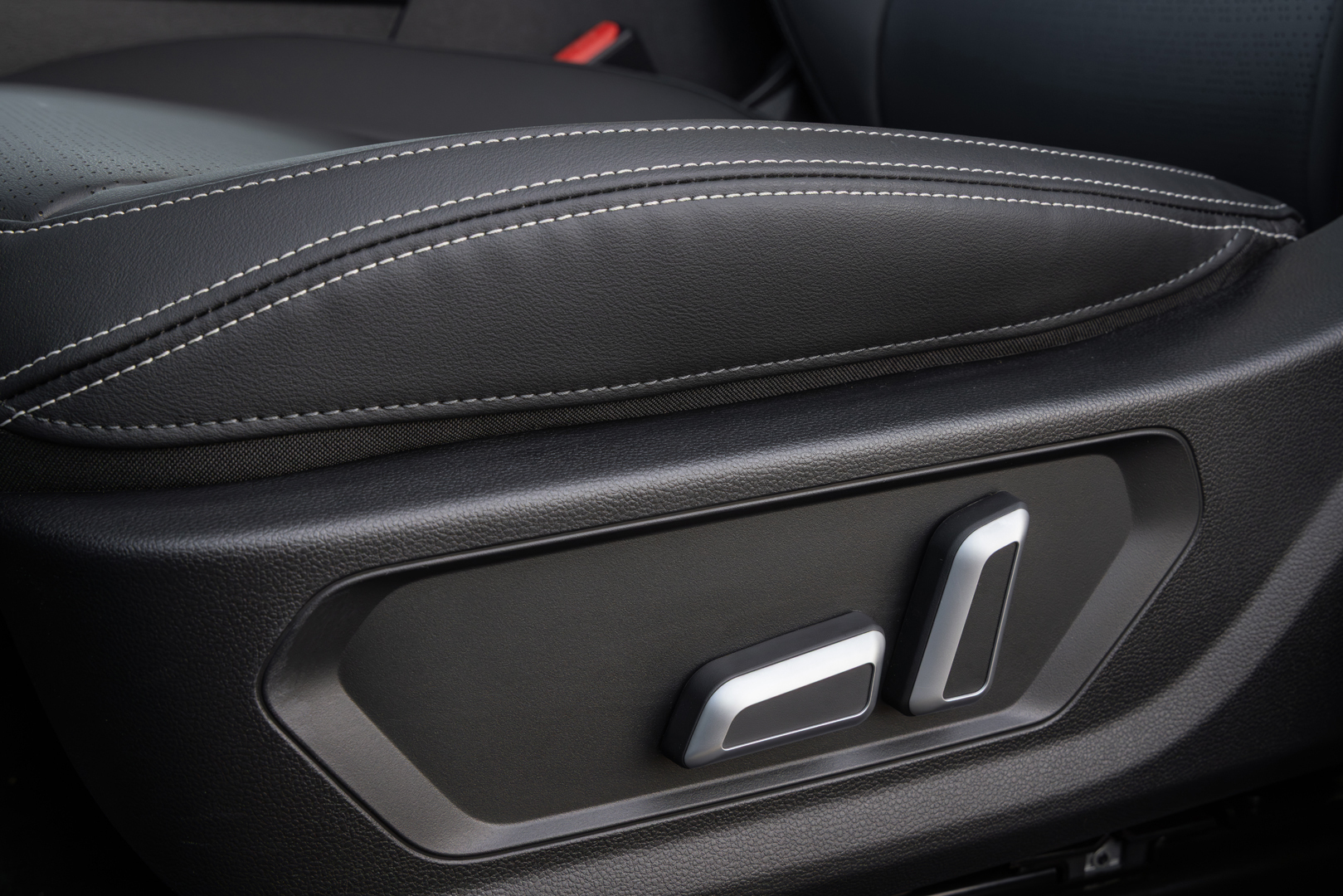 Haval Jolion
Haval 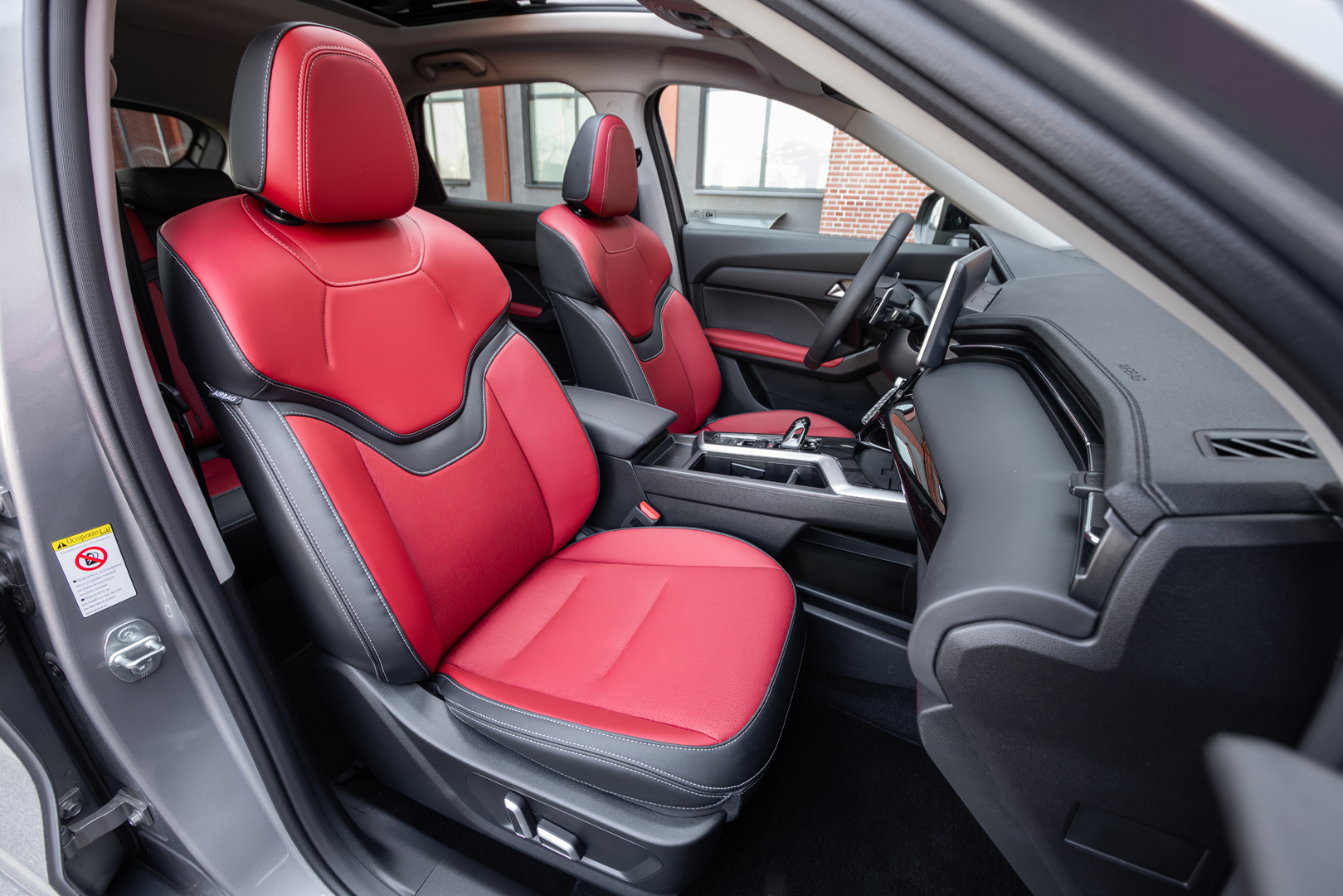 Haval Jolion
Haval 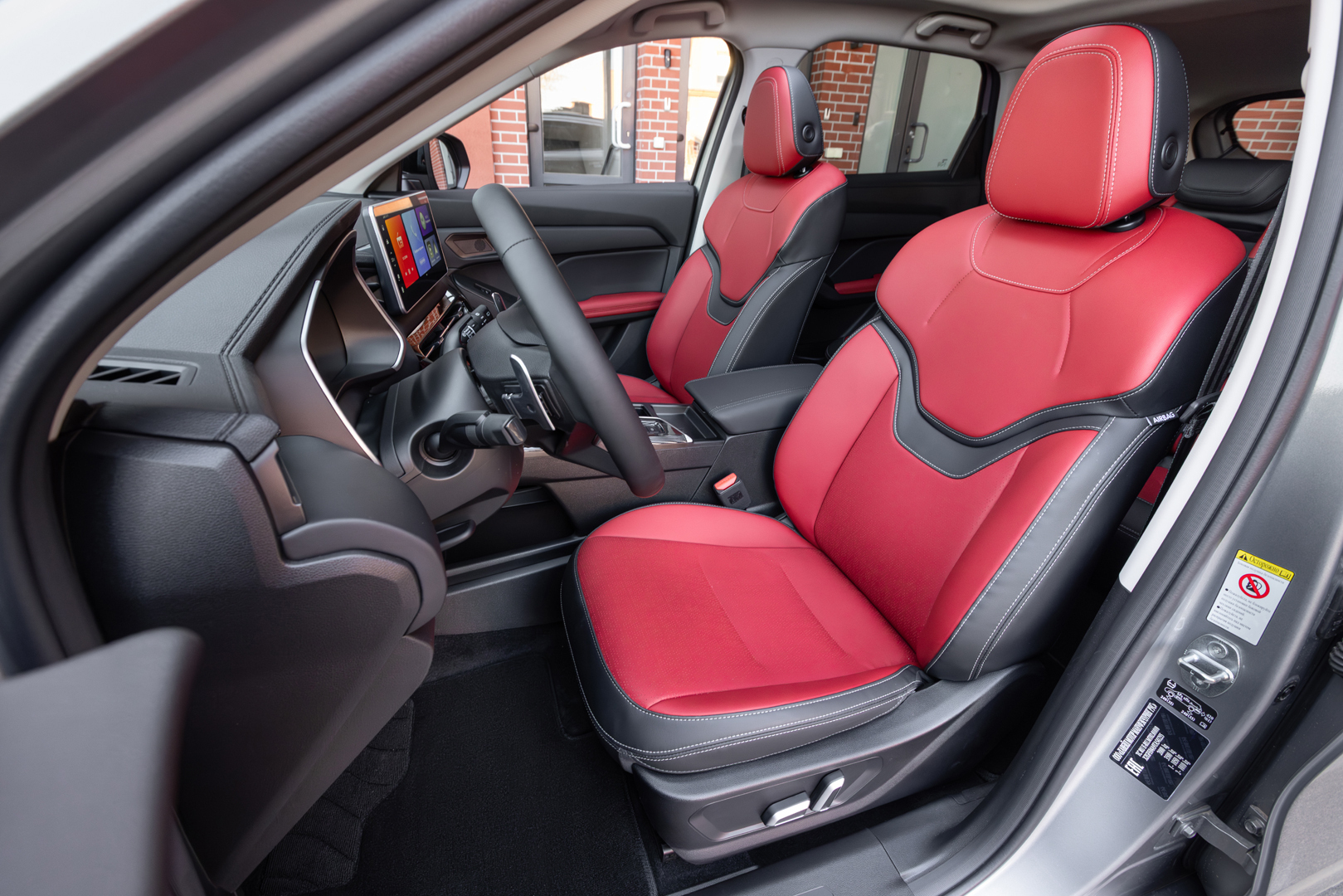 Haval Jolion
Haval
USB Type-C appeared, and not one, but three: one in the front and two in the back. With the old Type-A there are now a total of four ports. Rear passengers are not deprived of electricity. The background lighting of the interior has become a little more subdued and more comfortable for the eyes. There are still 64 colors, but the glow algorithm has been made calmer.
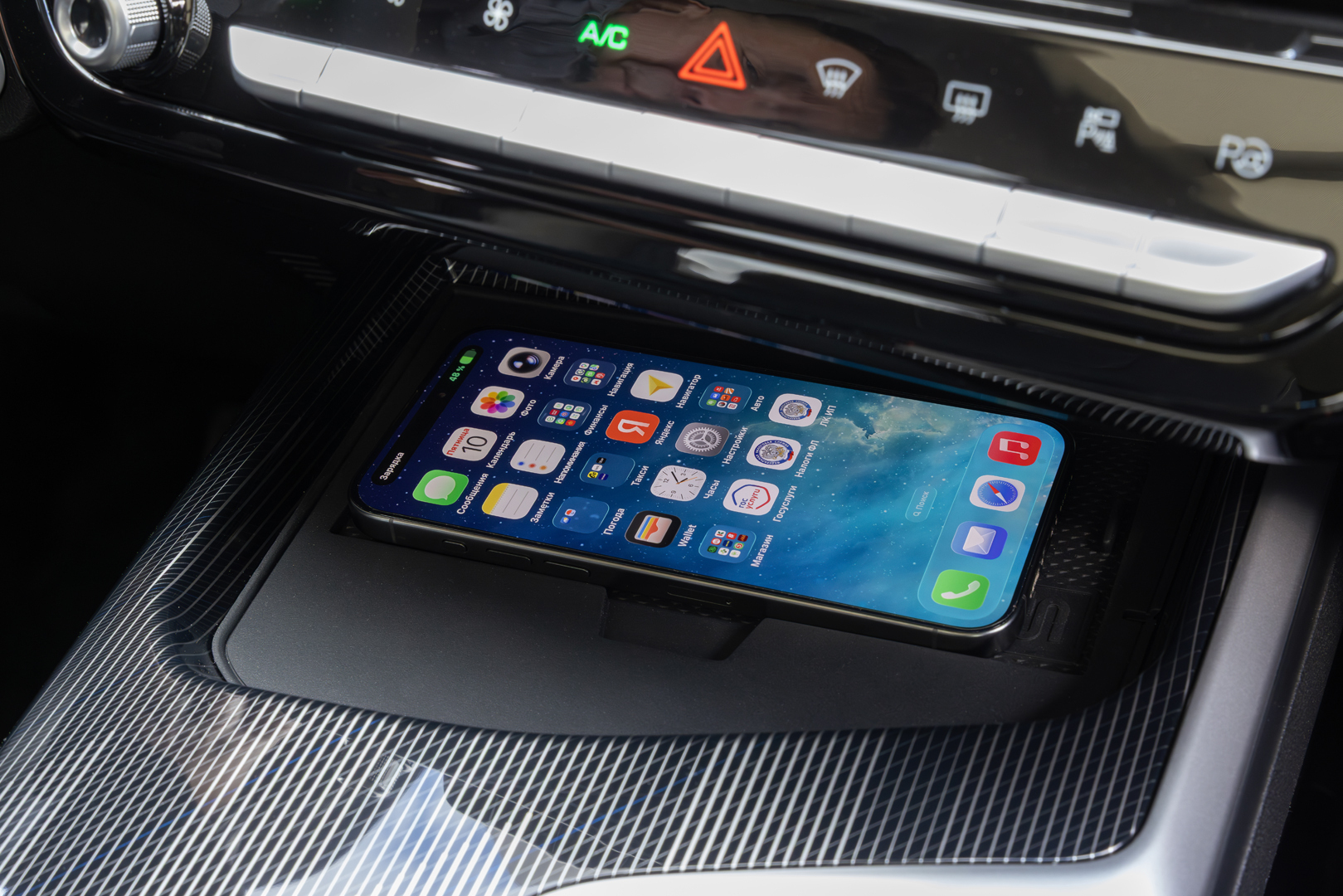 Wireless charging has become more powerful – 50 W instead of the previous 15. The phone charges from 20 to 80% in 40 minutes, and there is active cooling so that the gadget does not overheat.
Haval
The headroom over the driver’s head remains decent even with the seat raised—it’s comfortable for drivers taller than 185 cm. There are enough adjustments: the seat goes low, the steering wheel extends further after the last update, so stretching your arms to the correct position is not a problem. The seat cushion, of course, is a little short, but fundamentally this did not bother me on a trip of several hours.
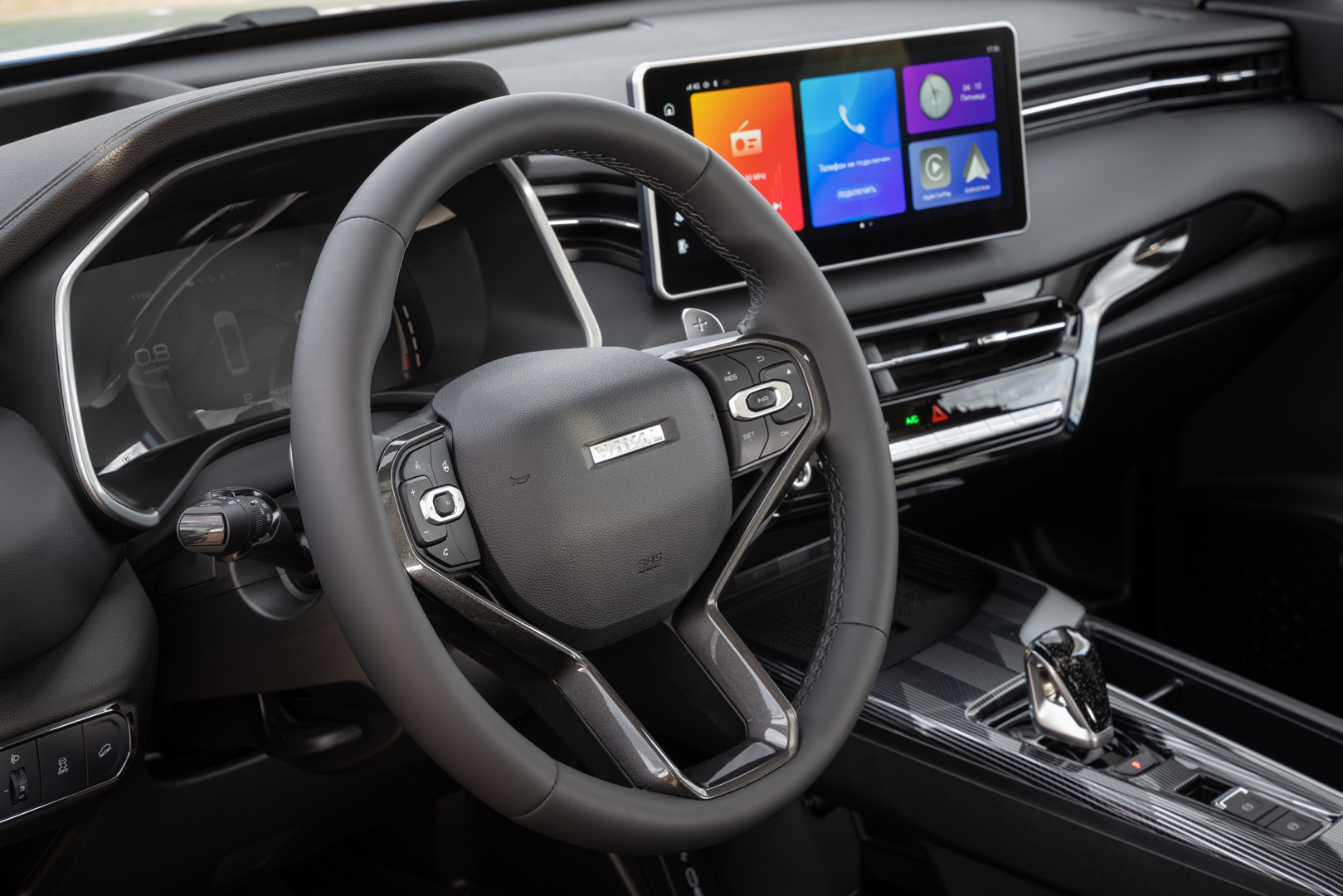 The steering wheel has become slightly thicker in girth. The buttons on it have not moved, so there is no need to get used to it.
Haval
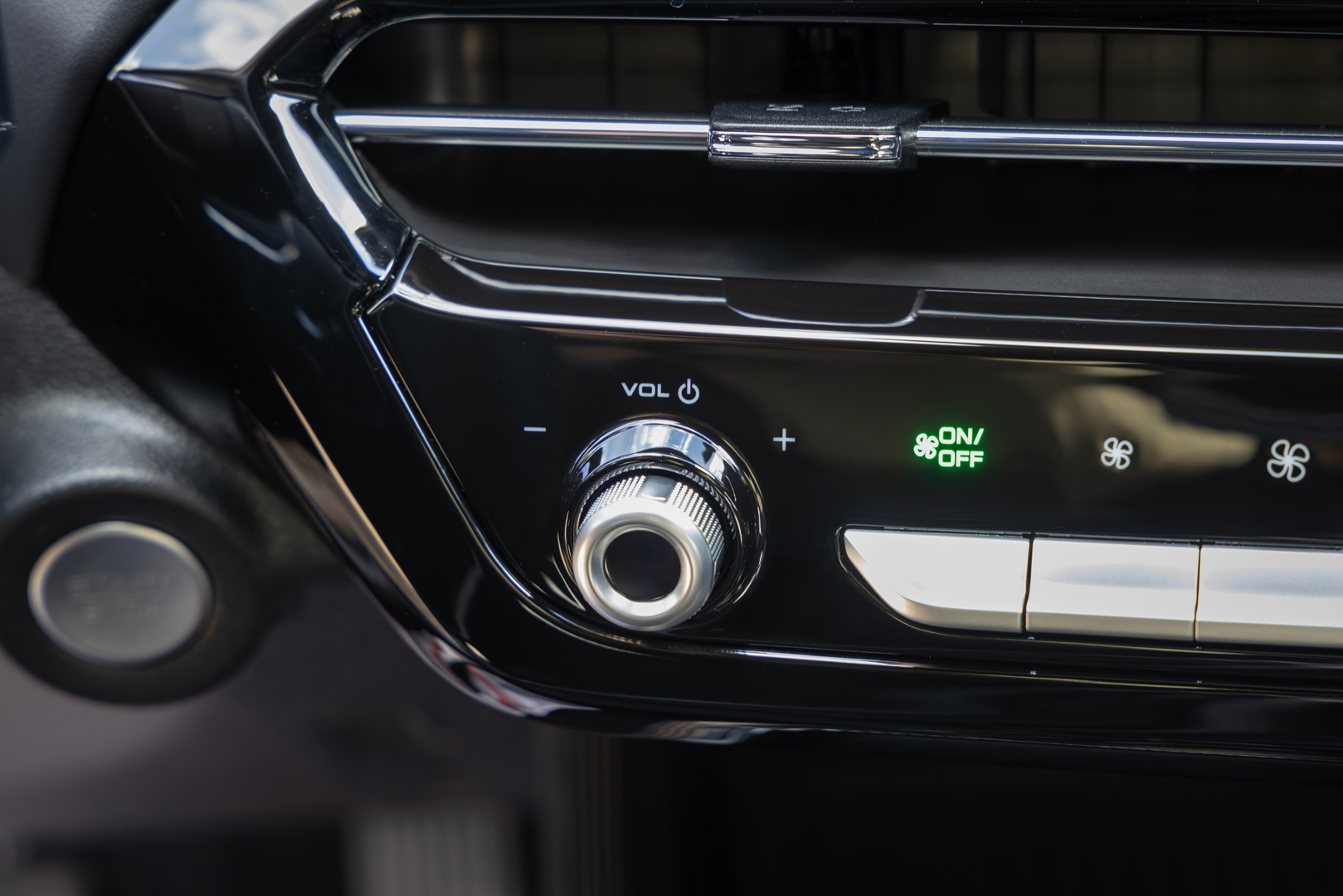
A block of physical buttons with a rotary volume knob, which we mentioned above, appeared under the screen. Finally. Previously, to make the music quieter, you had to either reach for the touchscreen, taking your eyes off the road, or press a button on the steering wheel. Now – the good old twist. This is not so much an important change in the interior as a signal that Chinese engineers are still reading our reviews.
 Haval Jolion
Haval 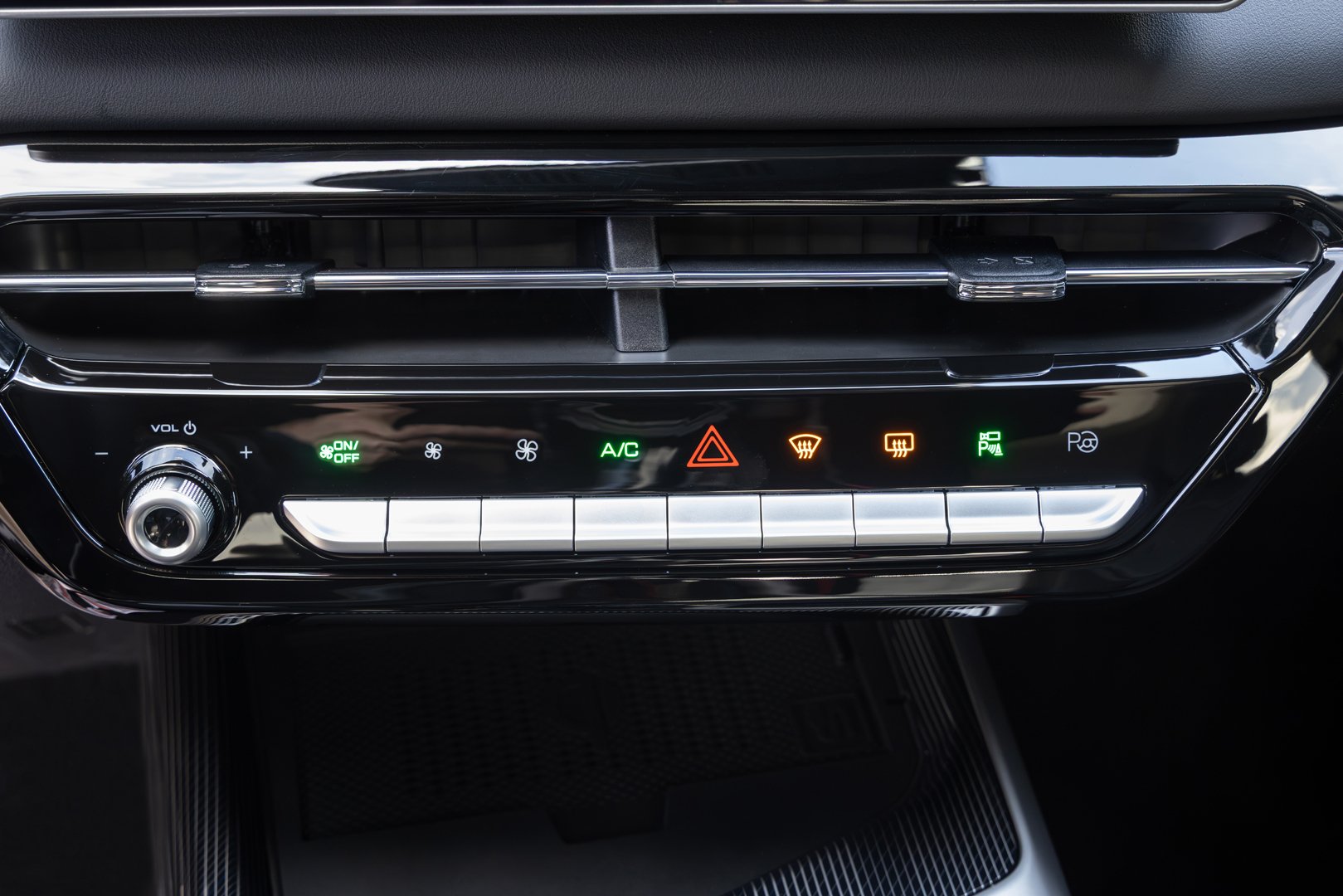 Haval Jolion
Haval
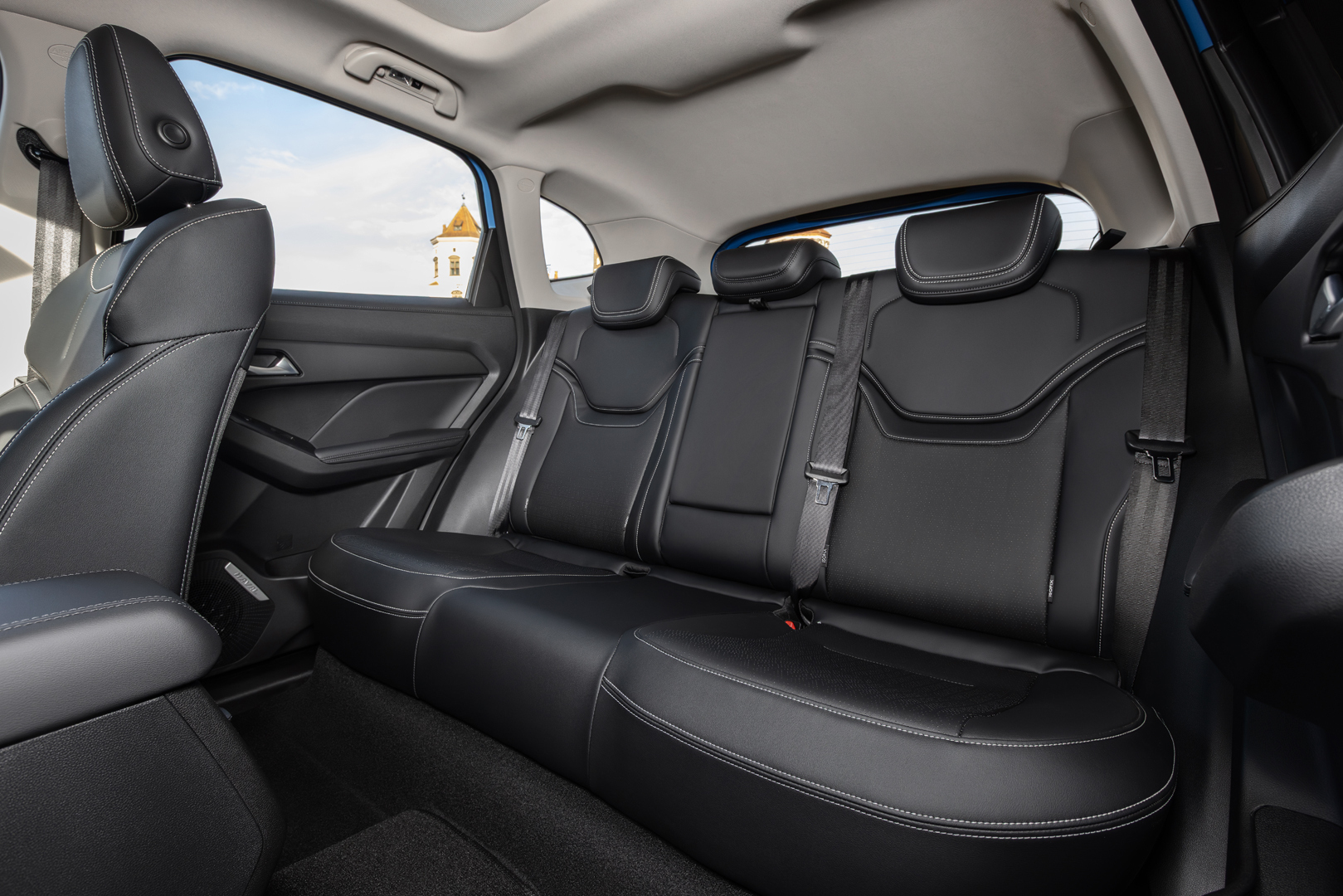
Due to the wheelbase (2700 mm), the rear row pleases with a real sofa. The knees do not rest, there is three fingers of air above the head. True, the three behind will still be uncomfortable. Plus there are separate climate deflectors, USB ports (now Type-C) and heated seats. It’s really comfortable in the back, and not just to get there.
 Haval Jolion
Haval 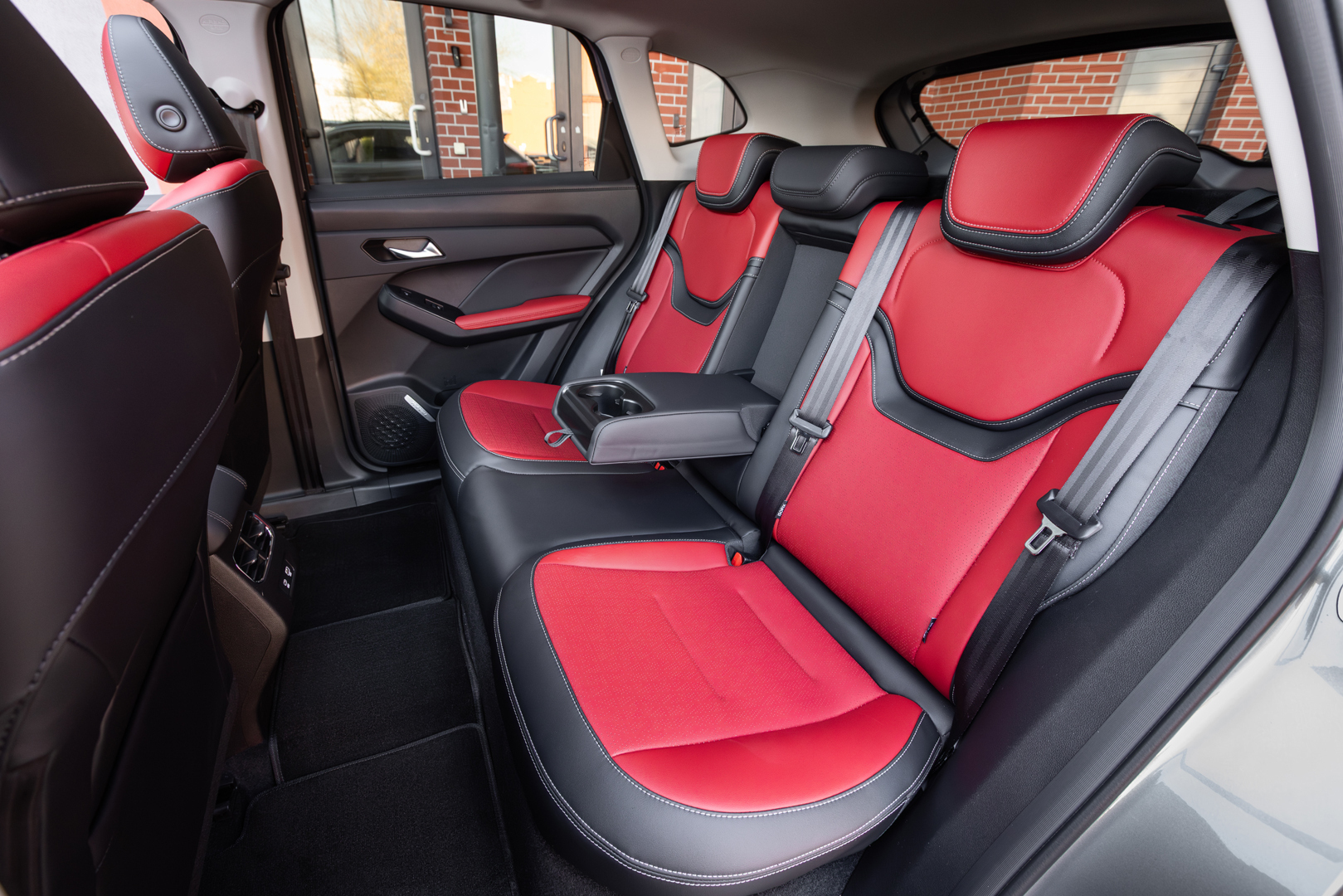 Haval Jolion
Haval 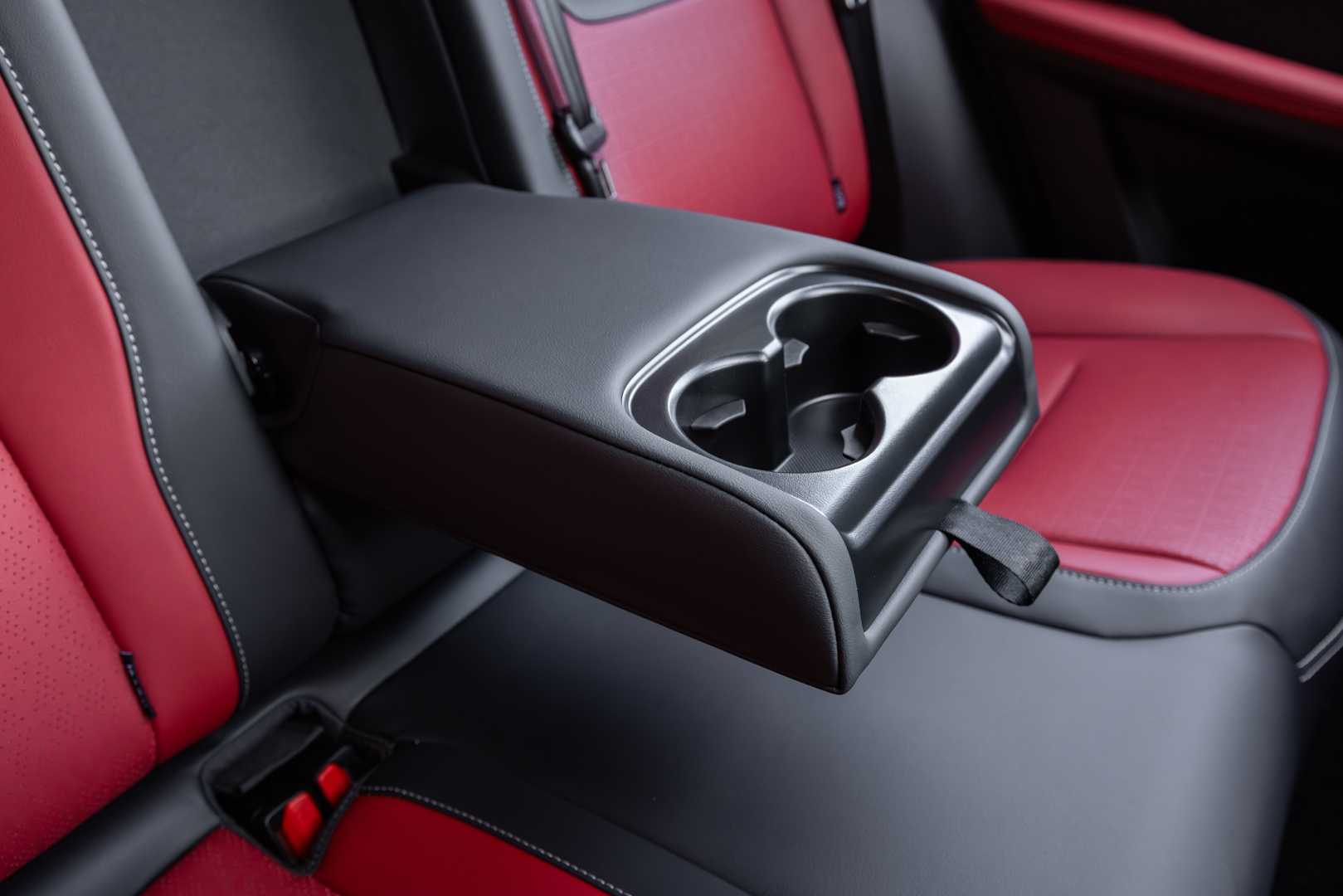 Haval Jolion
Haval 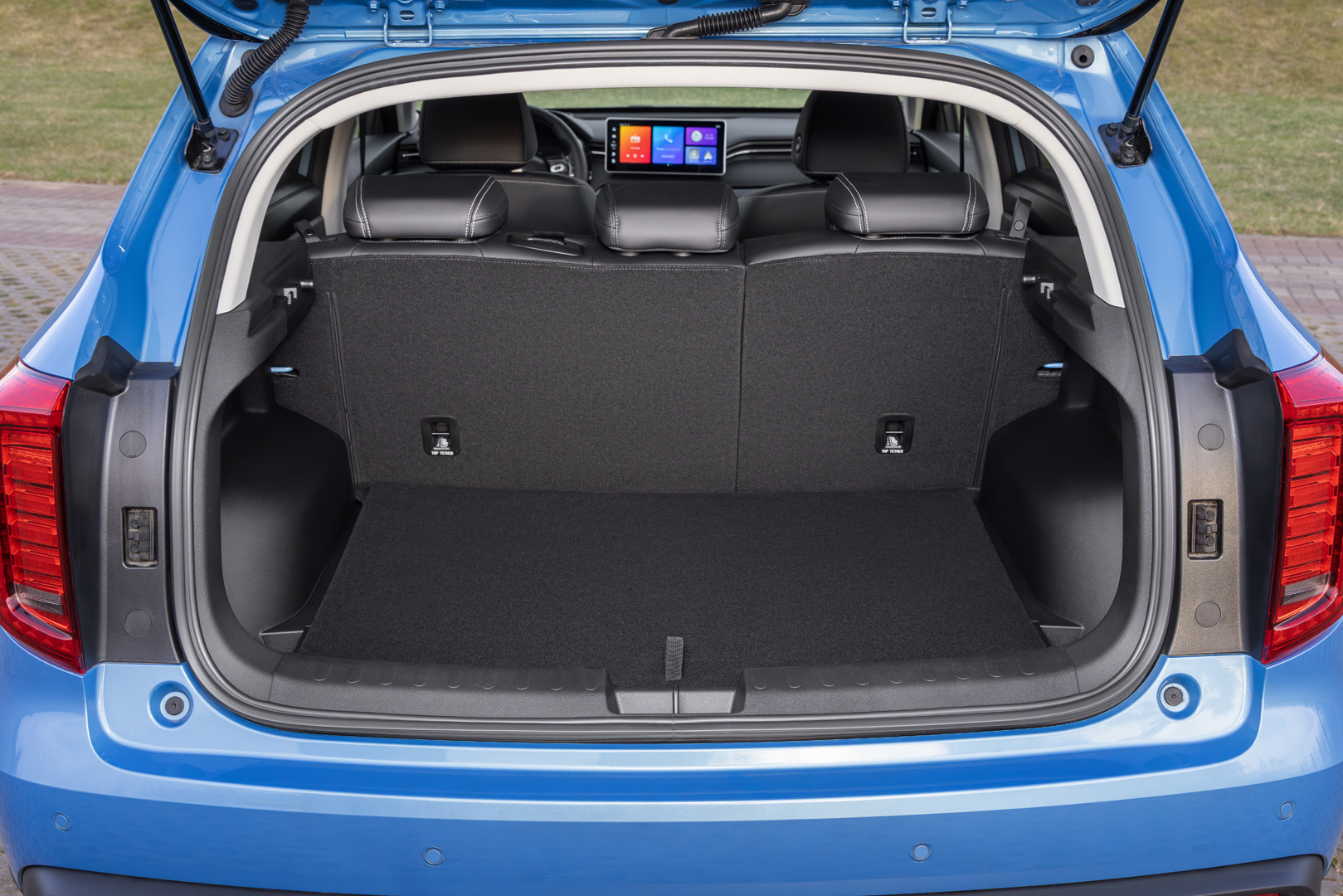 Haval Jolion
Haval 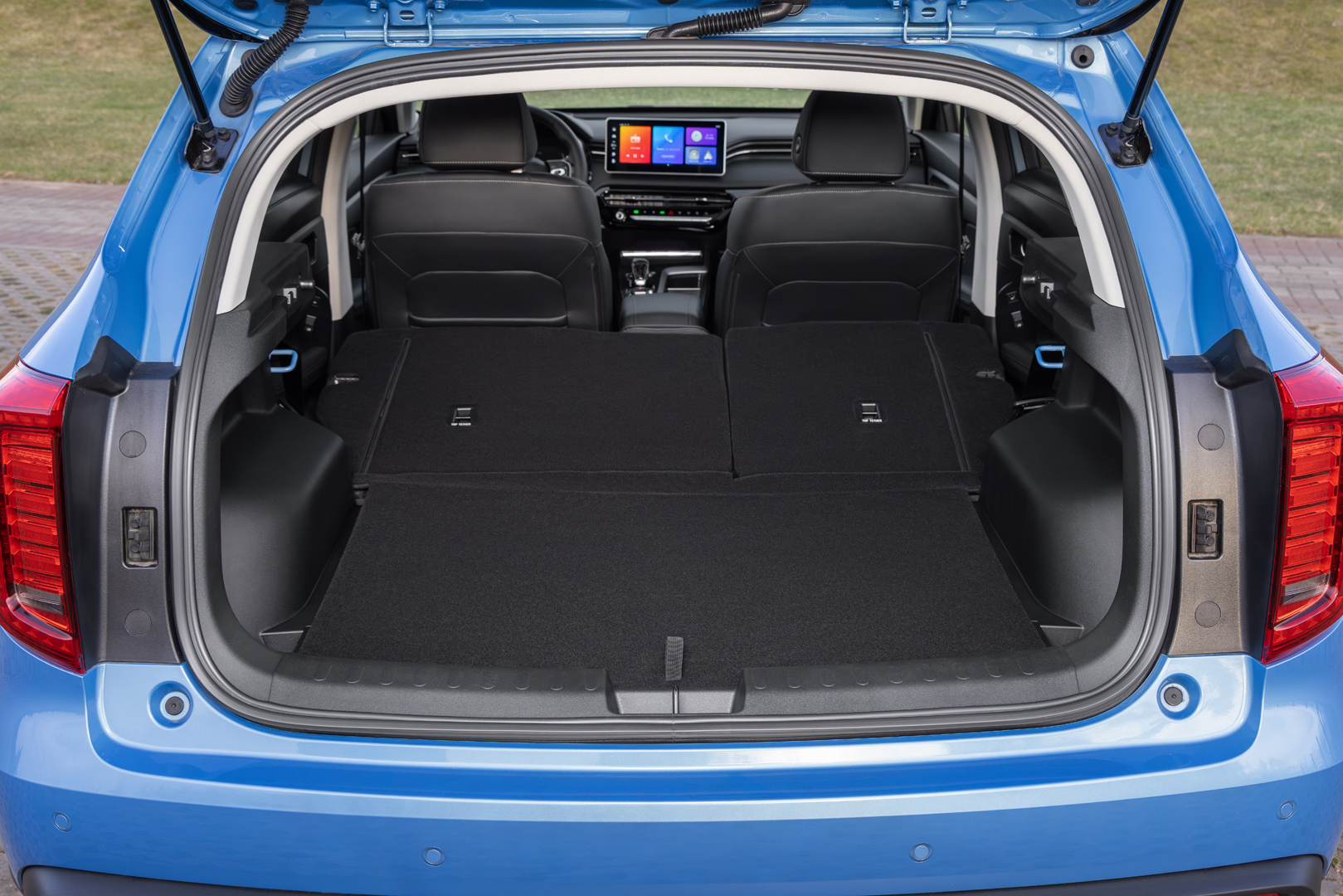 Haval Jolion
Haval 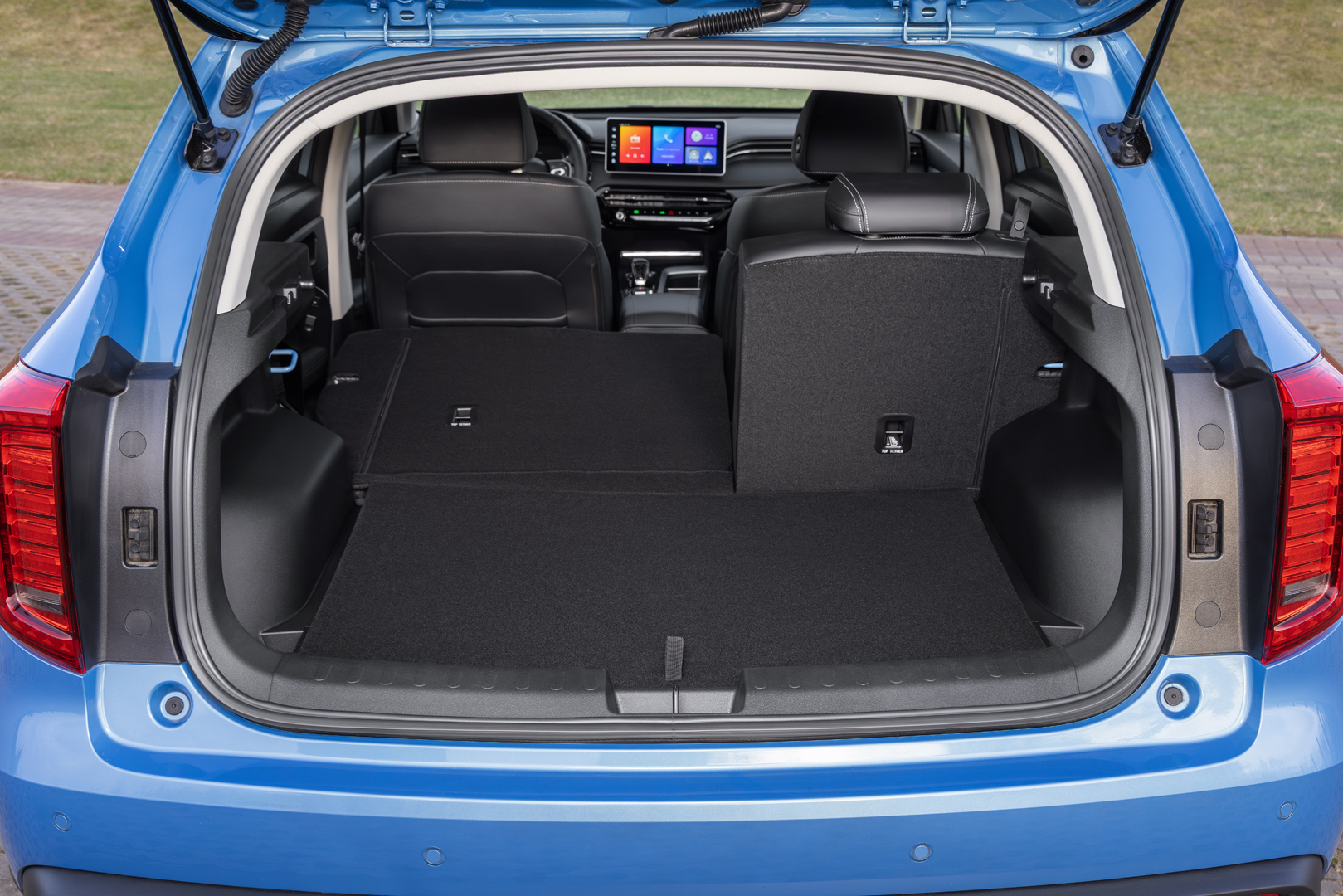 Haval Jolion
Haval
The trunk with the seats folded holds 1,133 liters of cargo, and the backrest folds in a 60/40 ratio. There is a storage area hidden under the false floor. There was no electric drive for the fifth door; this option was not added despite requests. And this is perhaps the only ergonomic omission.
 Haval Jolion
Haval 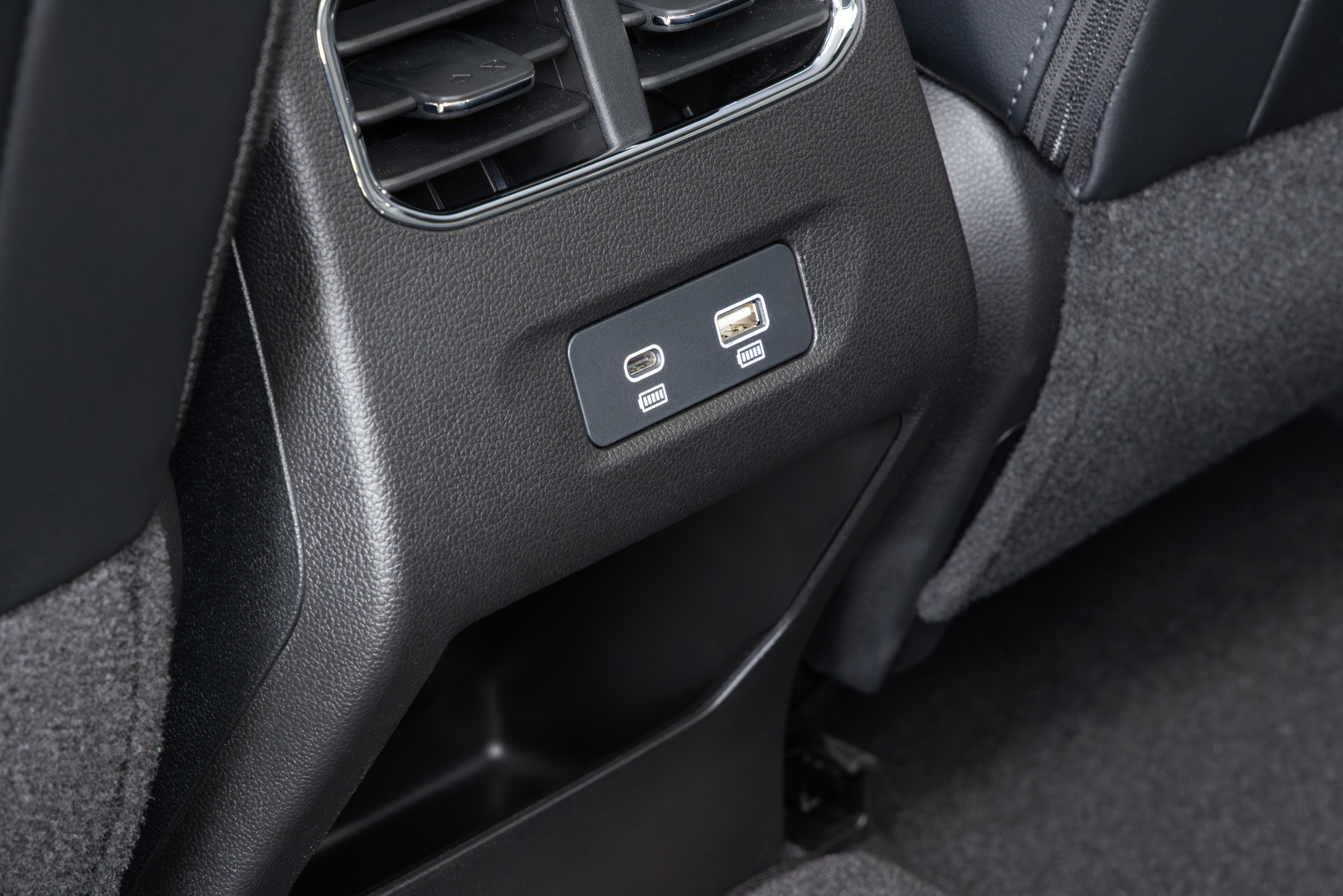 Haval Jolion
Haval  Haval Jolion
Haval 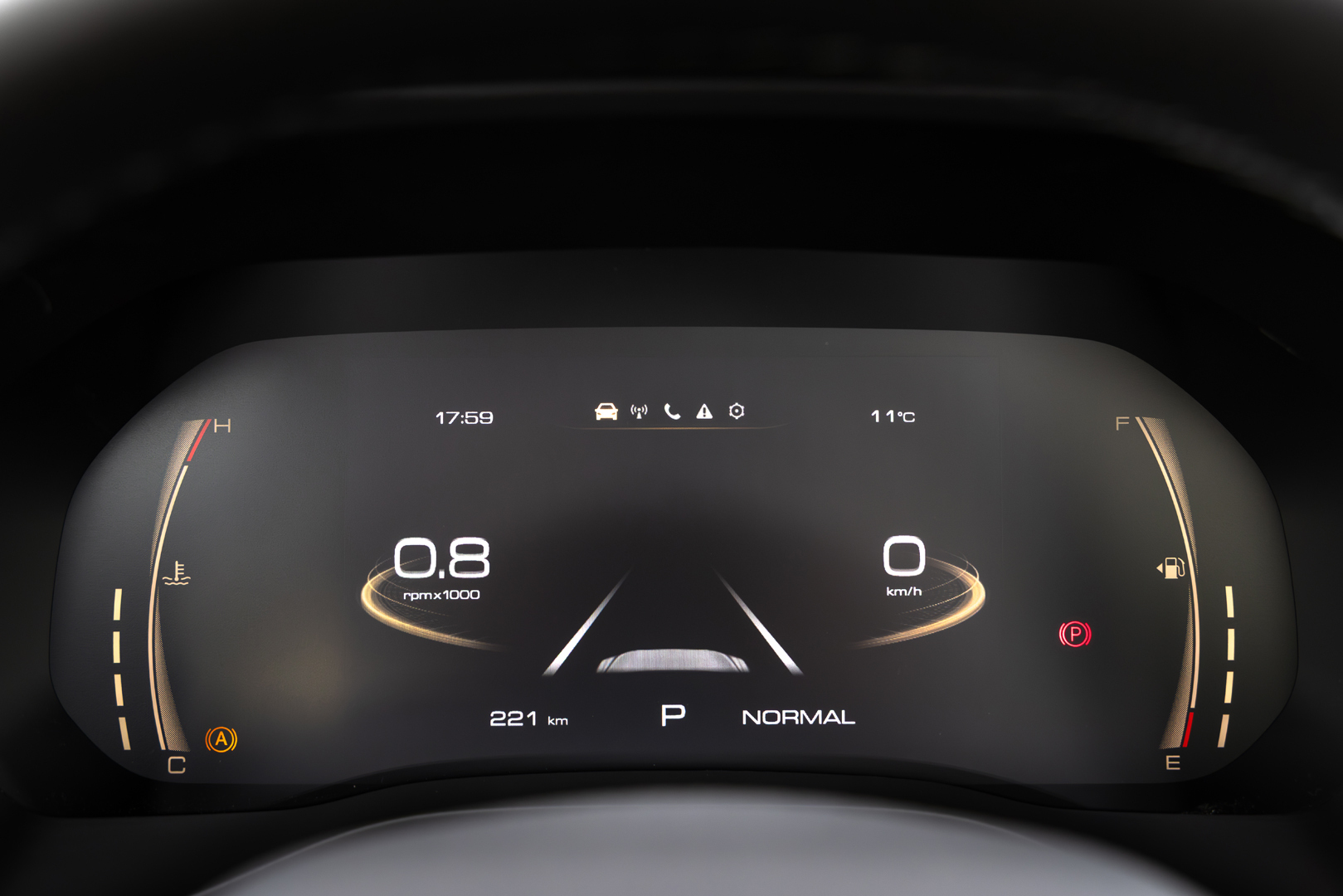 Haval Jolion
Haval  Haval Jolion
Haval 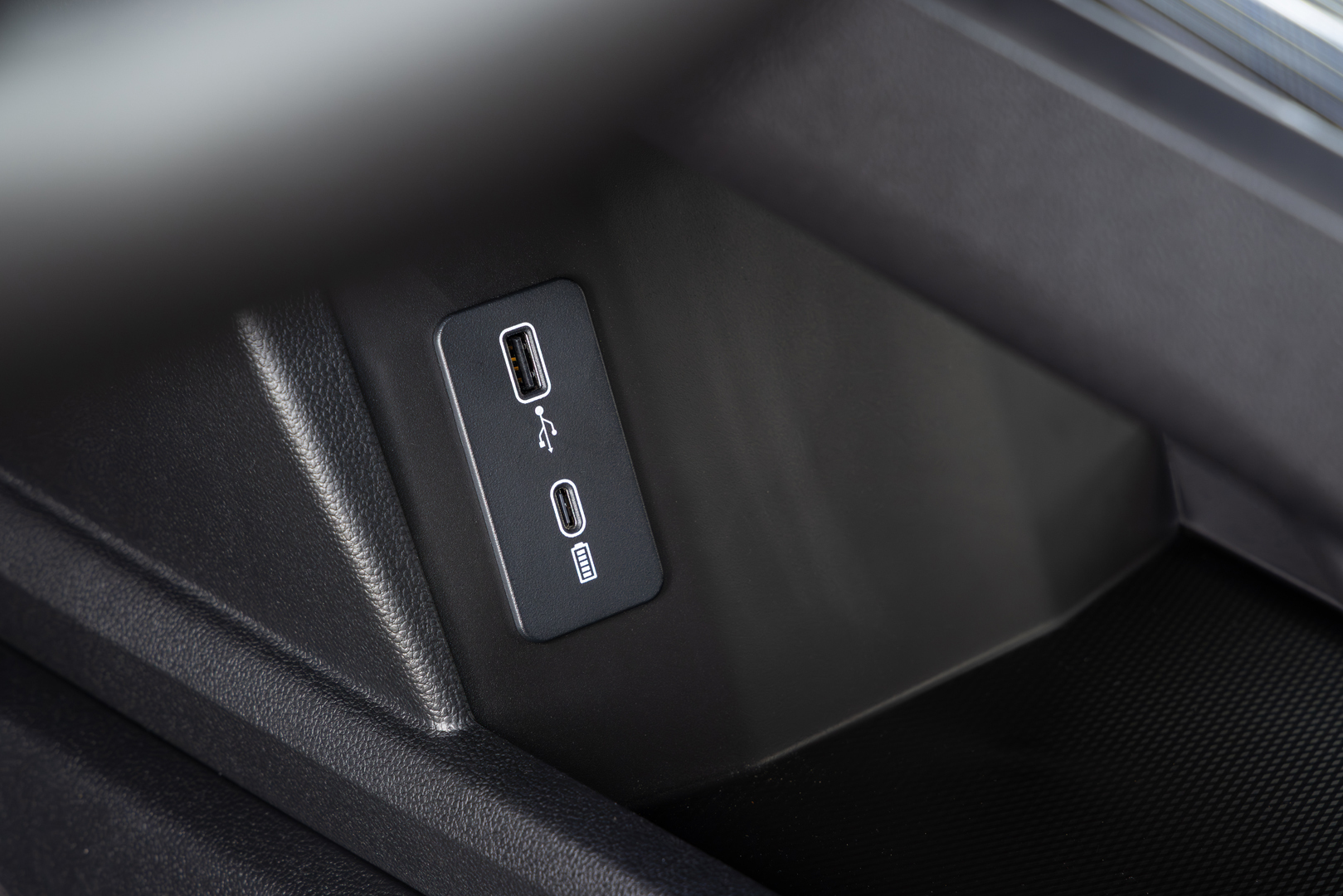 Haval Jolion
Haval 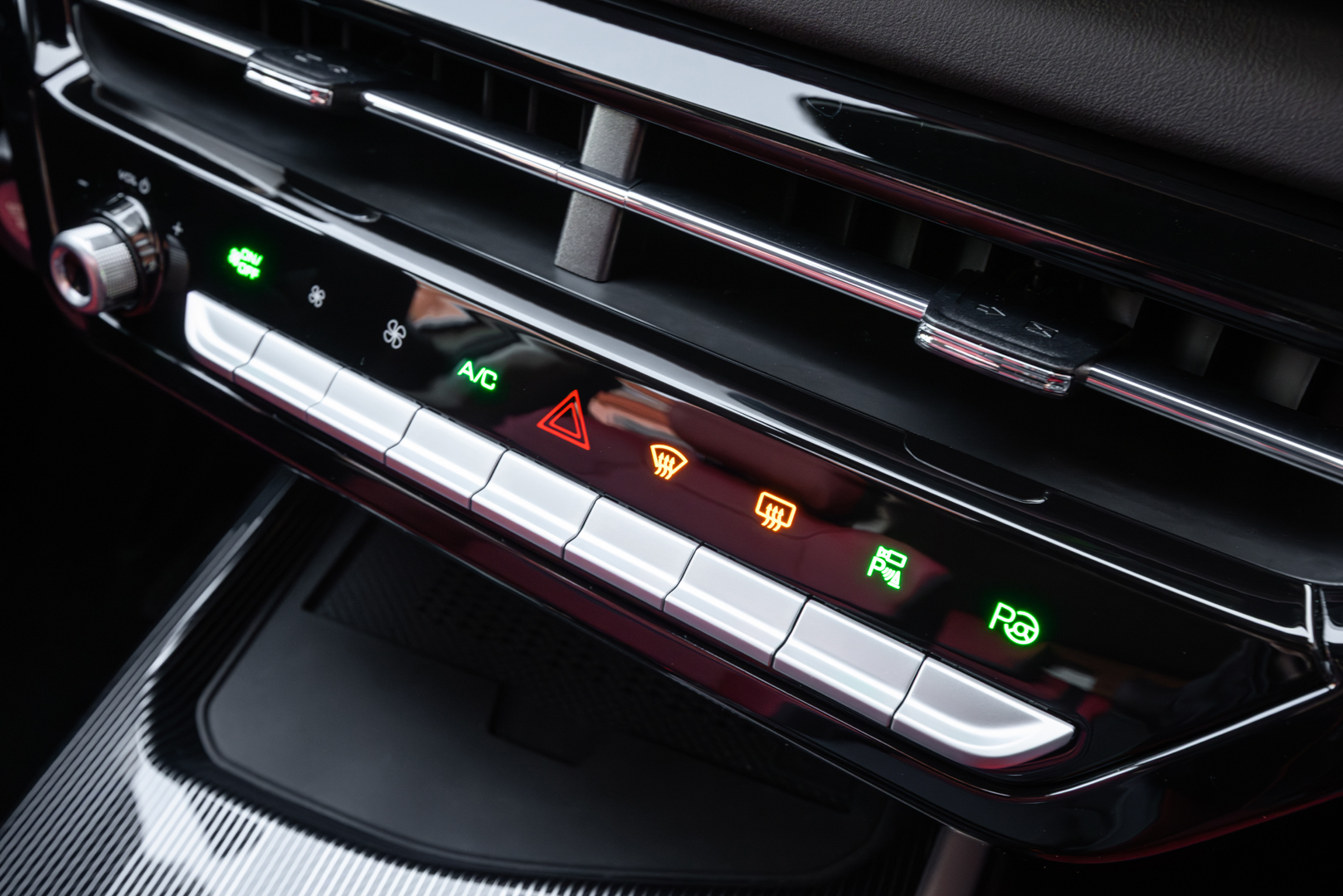 Haval Jolion
Haval 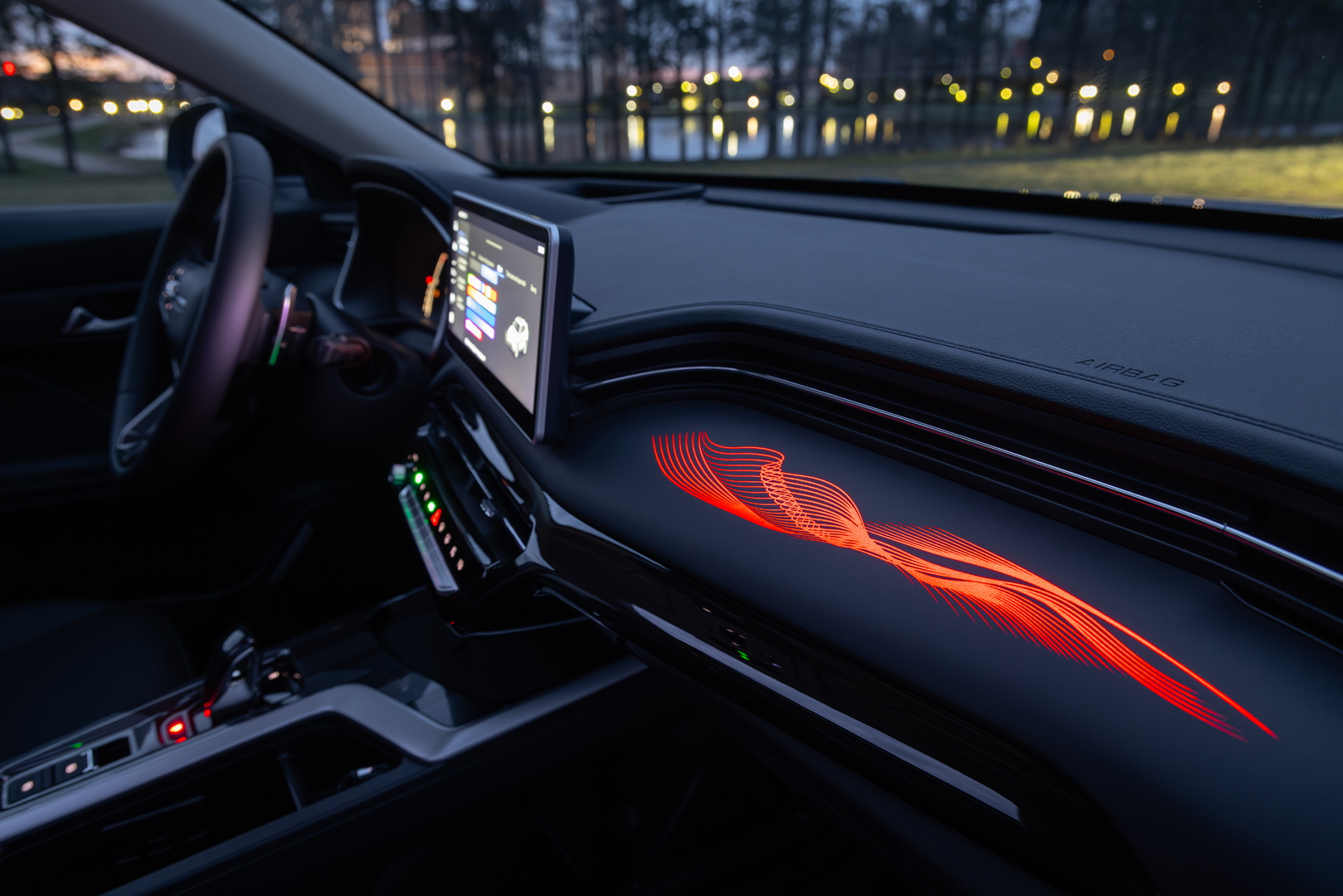 Haval Jolion
Haval 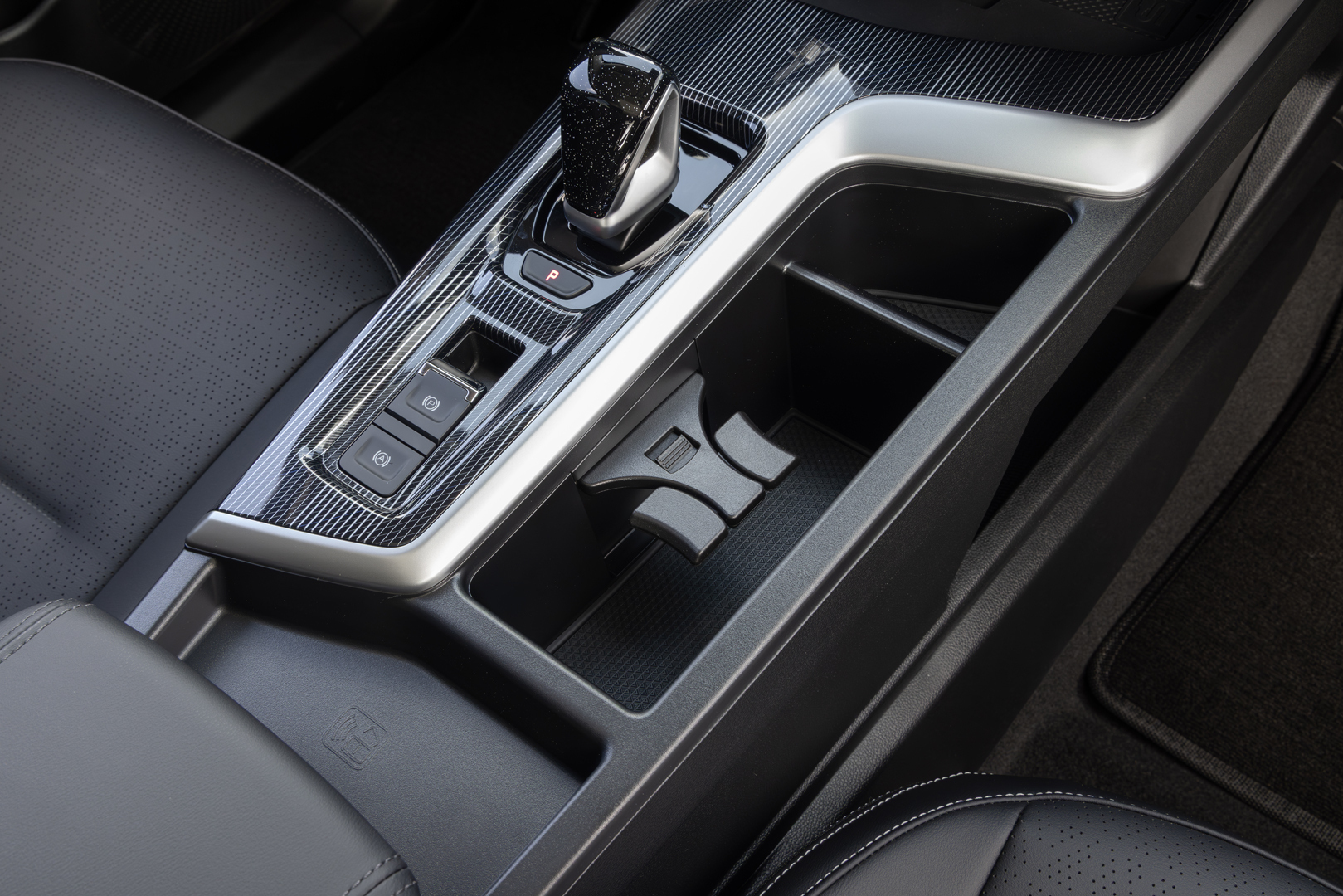 Haval Jolion
Haval 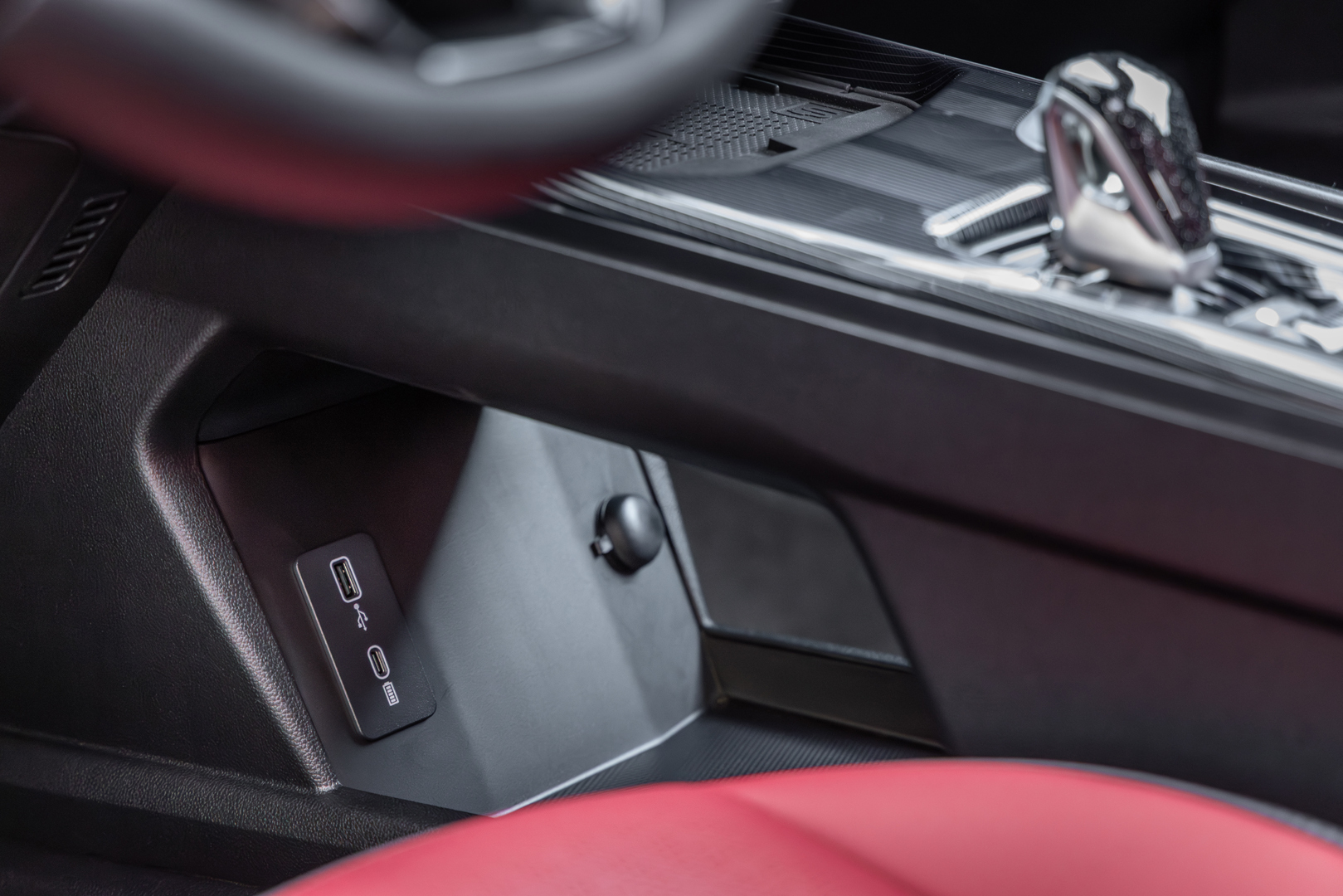 Haval Jolion
Haval
Multimedia and electronics
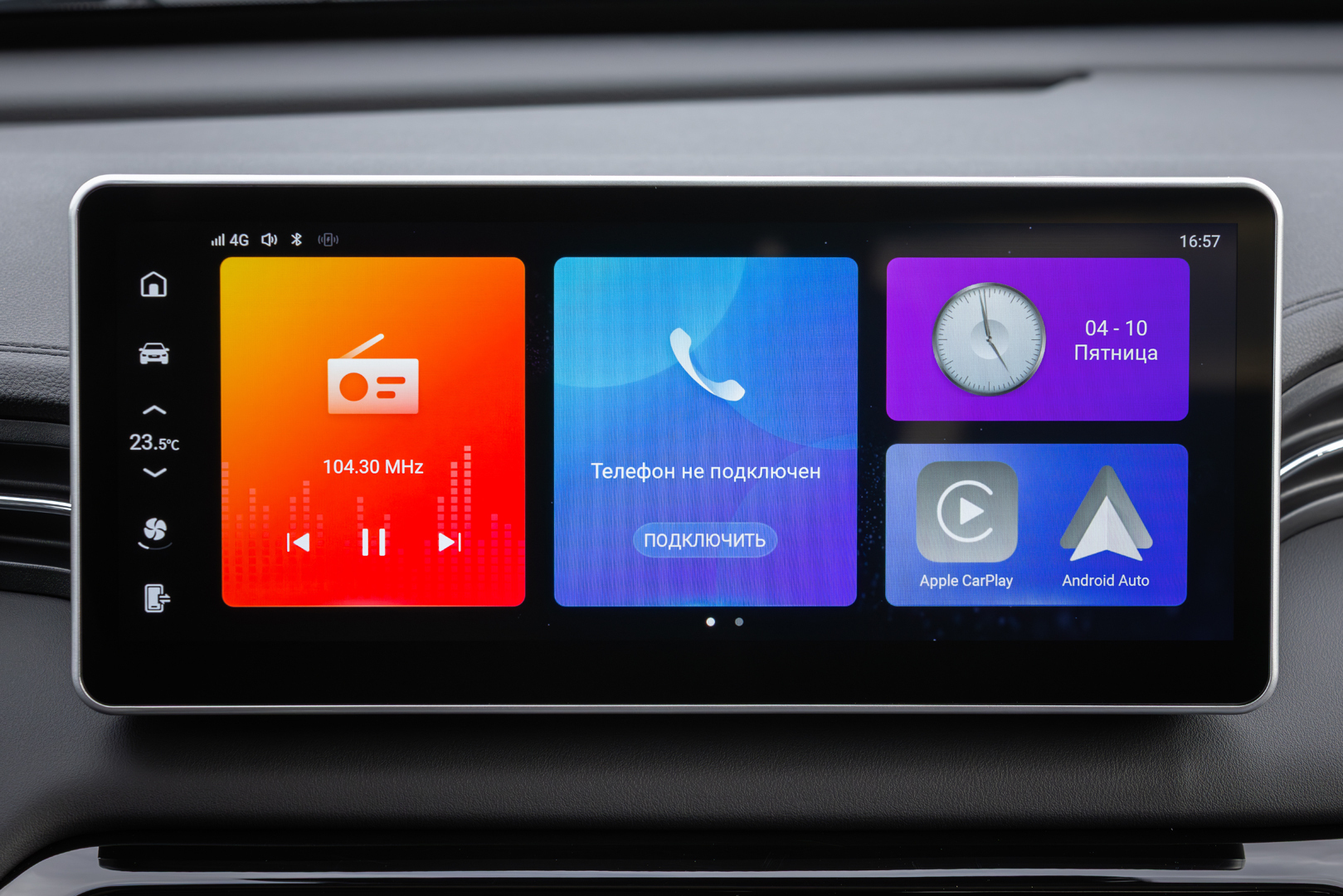
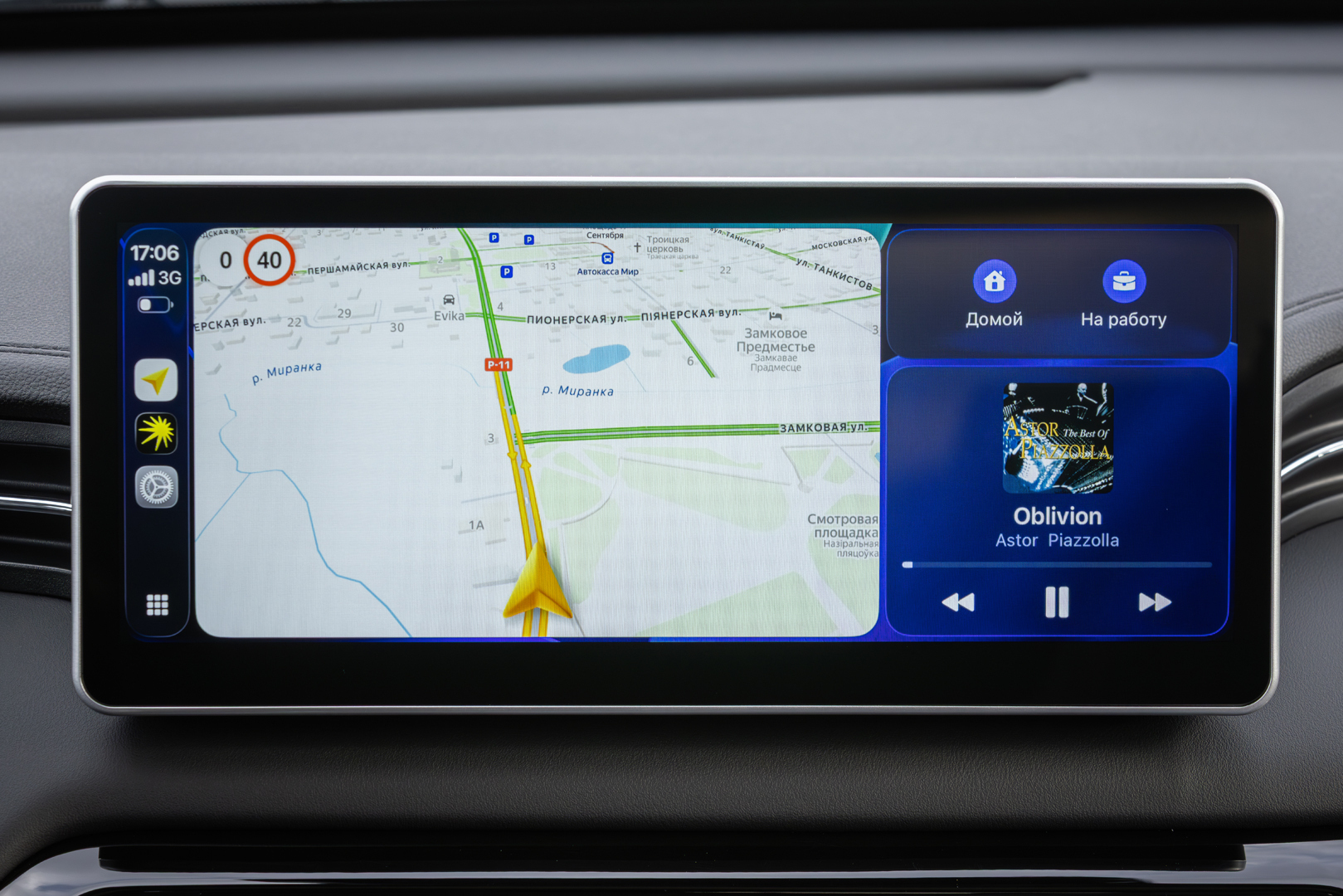
The older trim levels have a large 12.3-inch multimedia screen, and the lower trims have a 10-inch multimedia screen. After the update, the interface became cleaner, the icons seemed to be larger. The main event is that wireless Apple CarPlay and Android Auto have appeared, which connect your smartphone without dancing with a tambourine. Everything works stably and does not crash.
 Haval Jolion
Haval 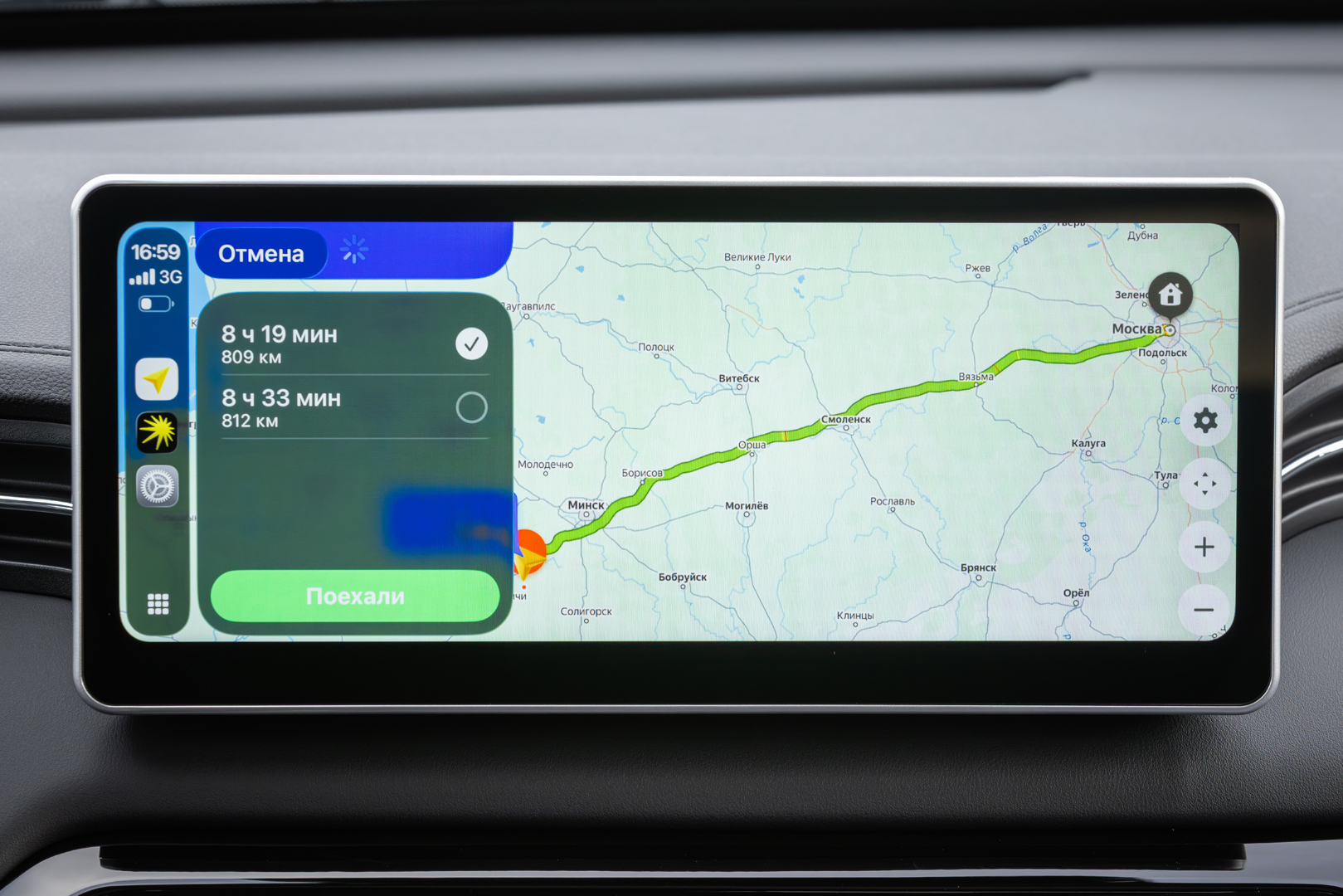 Haval Jolion
Haval 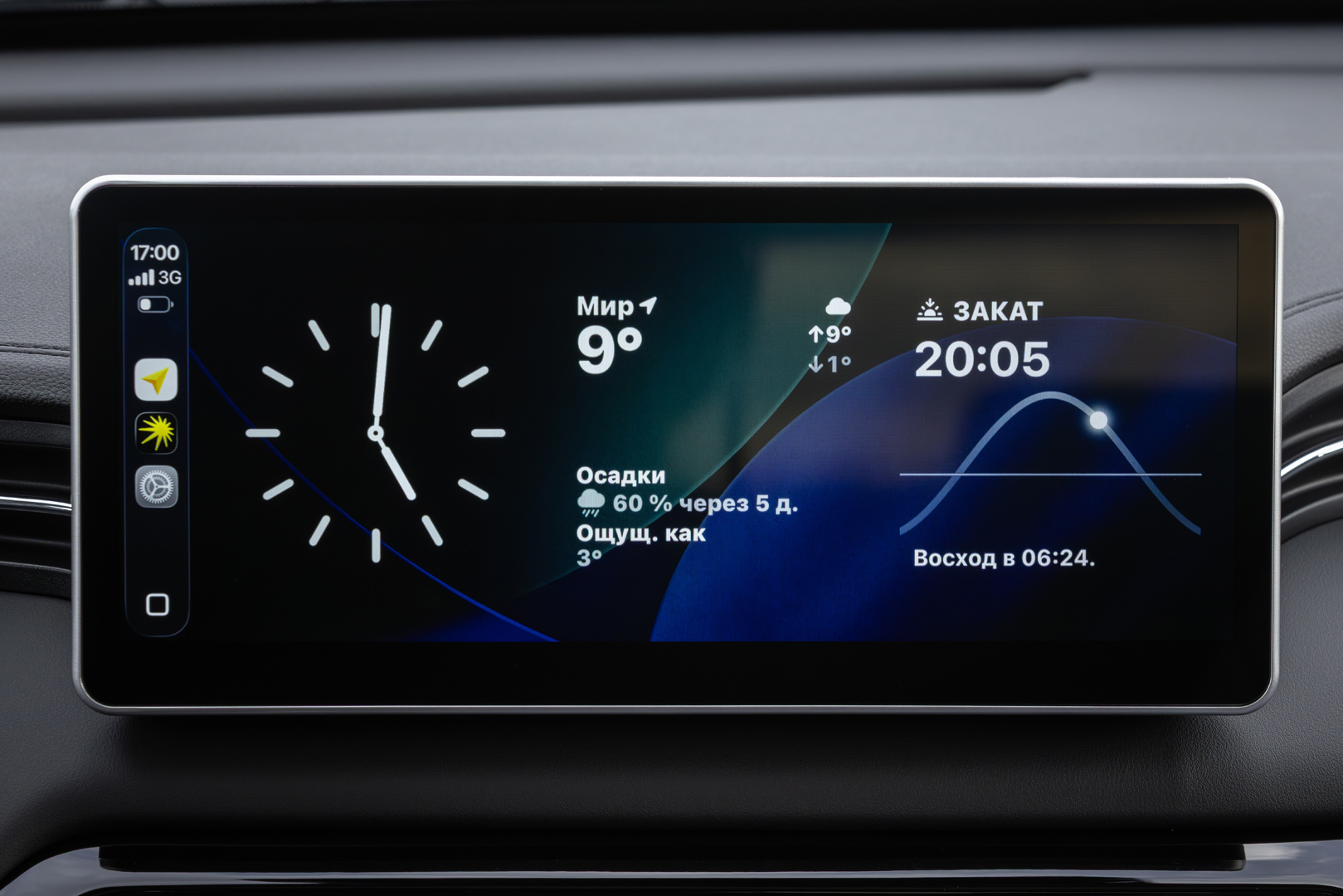 Haval Jolion
Haval 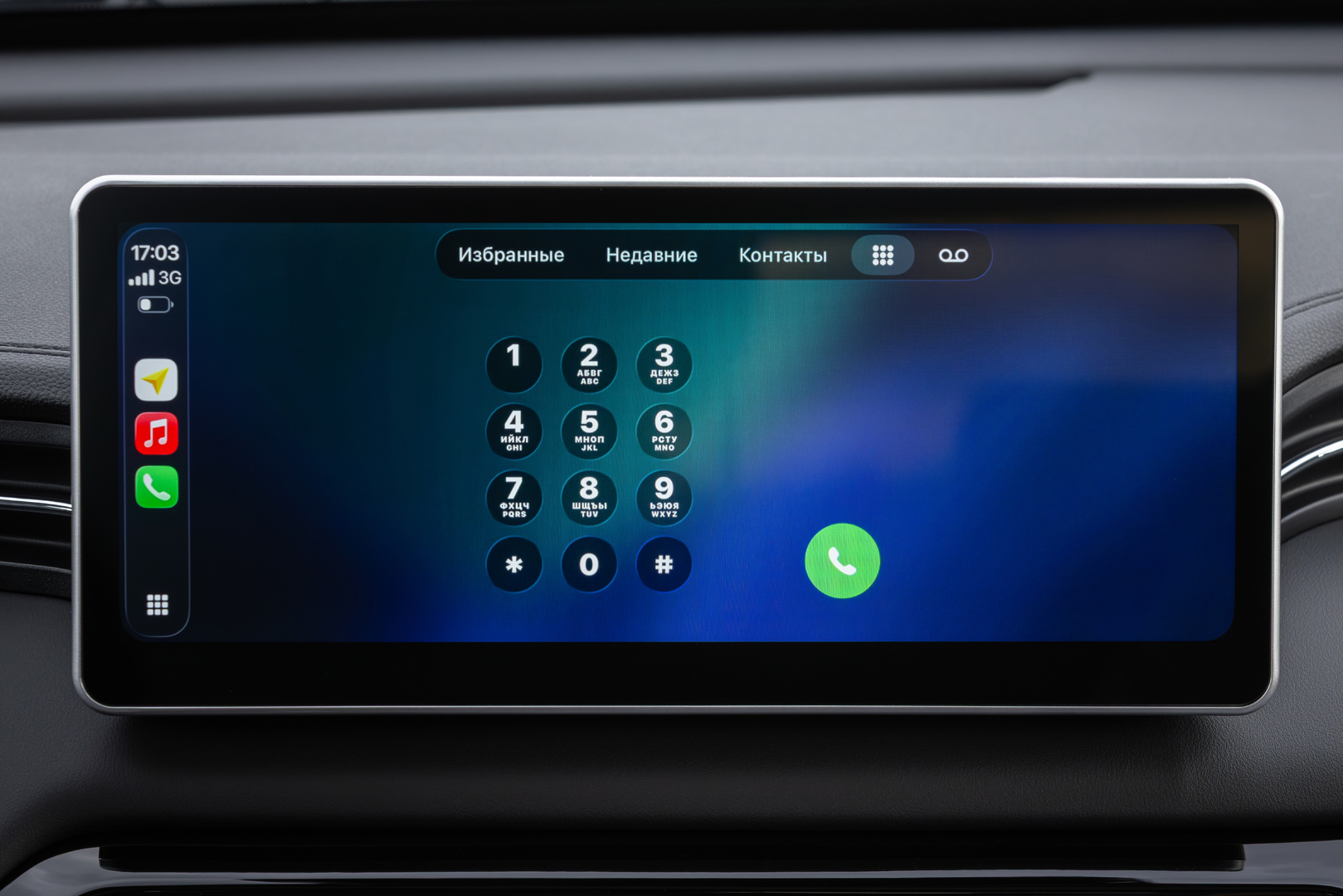 Haval Jolion
Haval 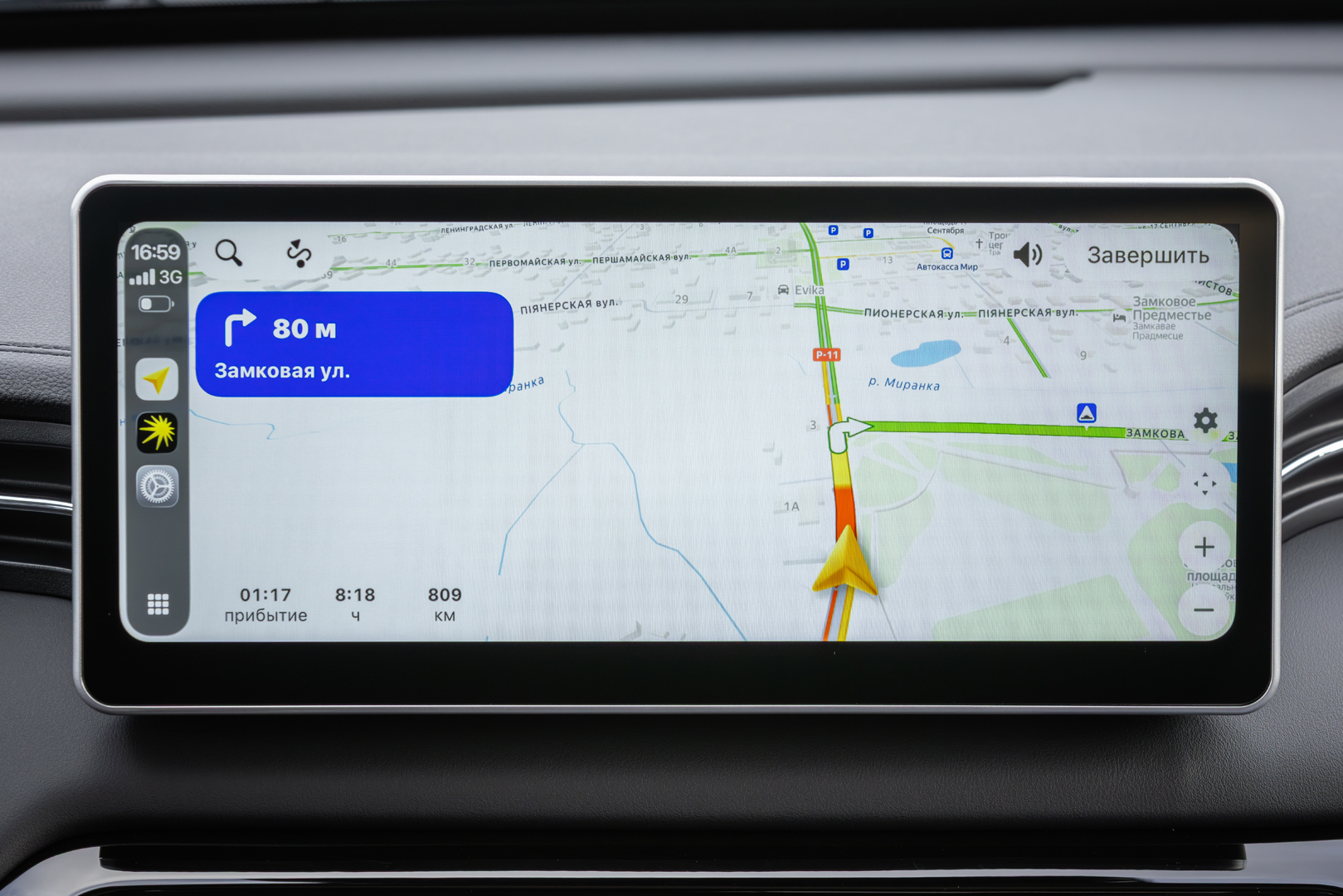 Haval Jolion
Haval 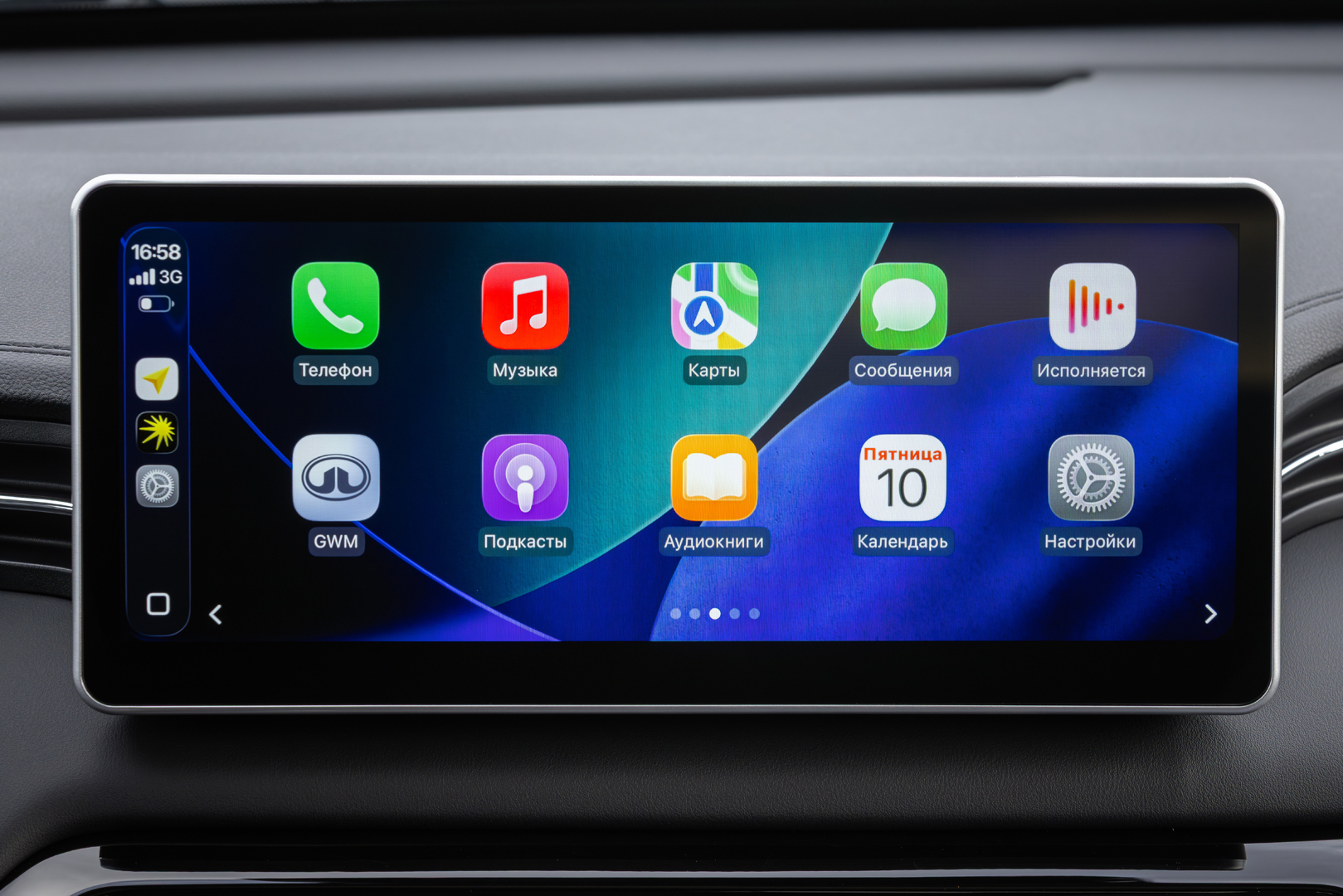 Haval Jolion
Haval 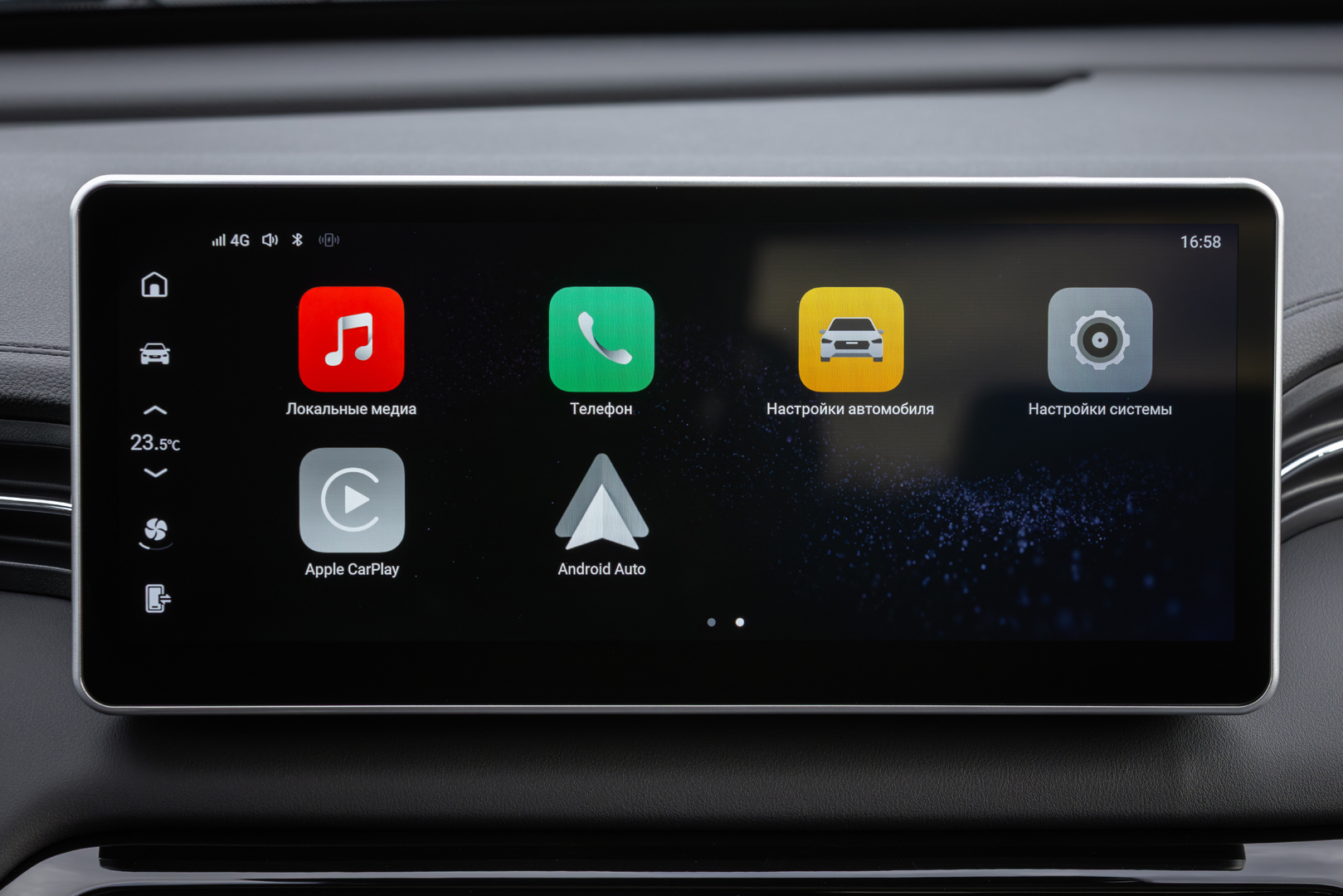 Haval Jolion
Haval
The menu scrolls through quickly, without lags or thoughtfulness – the processor, apparently, was not overloaded with new animations. The graphics are, of course, simple, but easy to read. The menu is built logically: the climate is at the bottom, the machine settings are placed in a separate section, music is on the main screen.
 The GWM Connection mobile application allows you to remotely start the engine, control the climate and heating, check the fuel level and tire pressure. The function of interval engine start and delayed climate control has appeared – useful for winter warming up.
Haval
The sound from the radio is average. Even in the expensive version with six speakers, the audio system does not evoke emotions. There is not enough bass, at high volume the speakers begin to wheeze, and detail quality is poor. You can listen to background music, even more so audiobooks. Nothing bad, but nothing good either. Exactly what you expect from an inexpensive crossover.
 The top version “Techno+” is now equipped with a full range of driver assistance systems. These include adaptive cruise control with traffic jam function, lane keeping, forward collision warning, door hazard warning, and reverse exit assist.
Haval 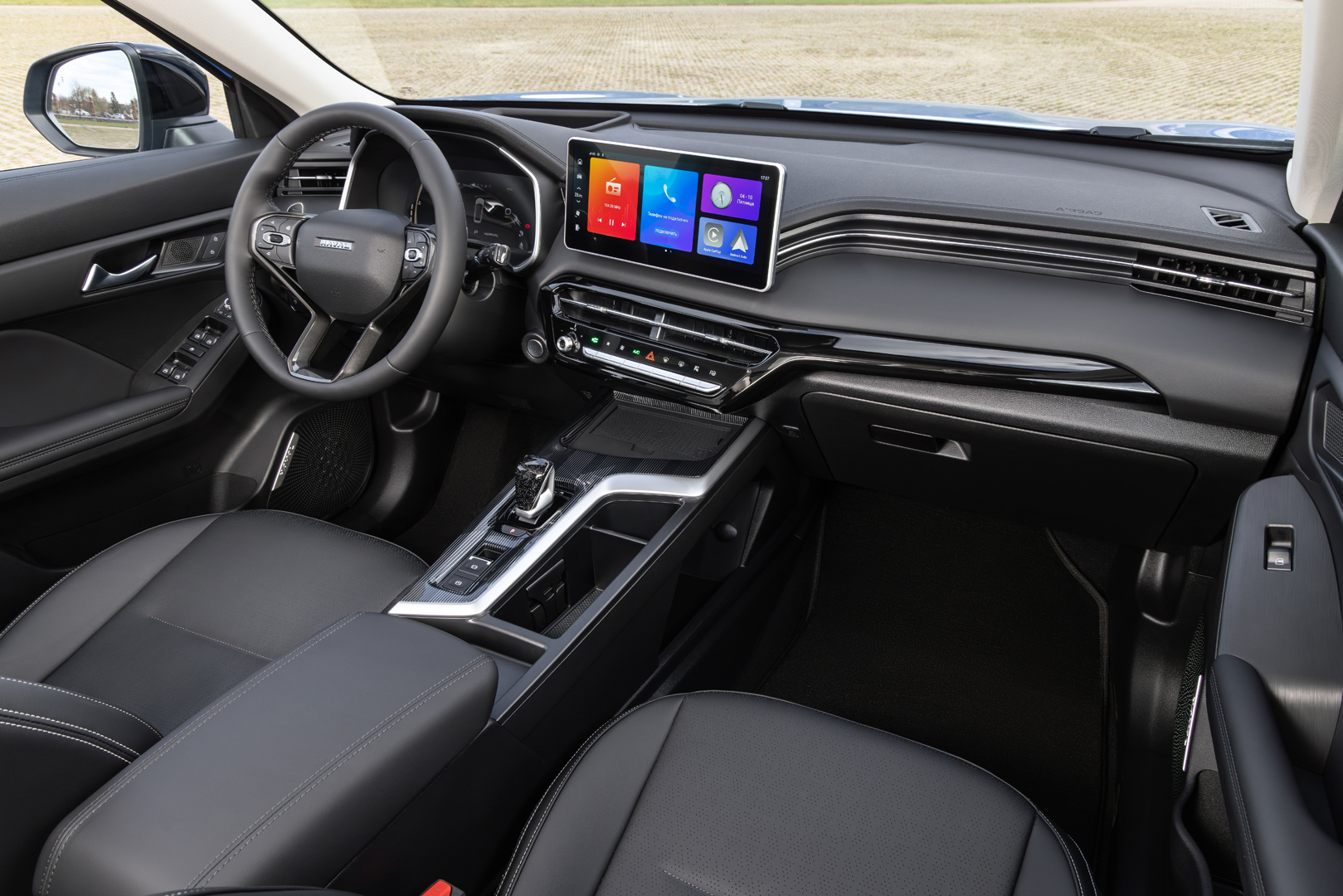 And, perhaps, the most unused option in Russia is autonomous parking, which drivers are afraid to use because they don’t trust the car.
Haval 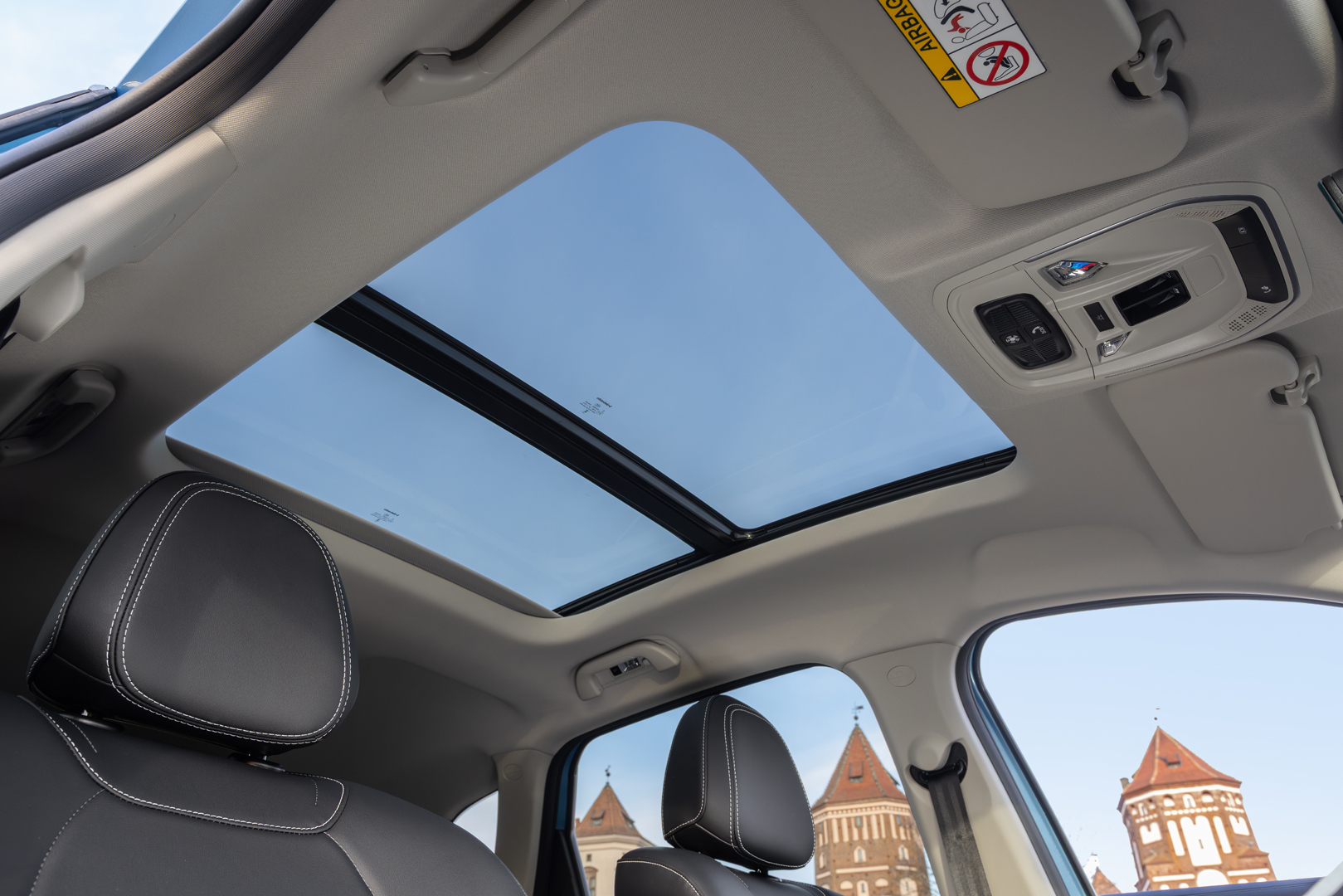 A head-up display and a panoramic sunroof complete the arsenal.
Haval
Voice control now works offline. It is claimed that the system recognizes about 300 commands and distinguishes who is speaking – the driver or the passenger. In fact, you can immediately forget about it: it was not possible to find a common language. However, not a single Chinese automaker has yet made a sane assistant that recognizes Russian speech without errors.
How does it ride?
If the changes in the interior are cosmetic in nature, then under the hood of the all-wheel drive car there has been a technical revolution by the standards of restyling. The all-wheel drive Jolion received a new 4B15L engine, which is now produced in the Tula region at Haval’s own plant.
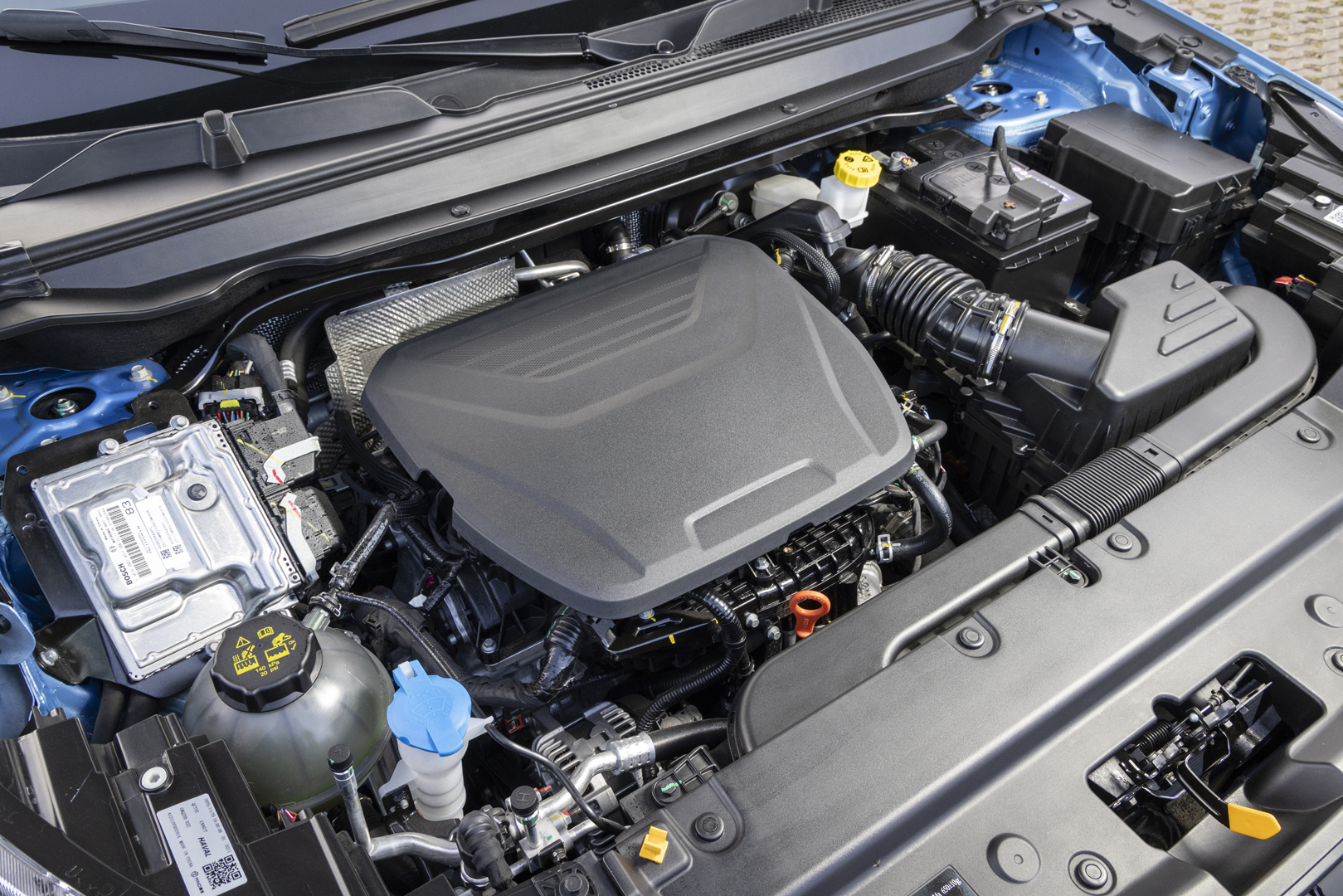 The volume and power remained the same – 1.5 liters and 150 horsepower, respectively – but the torque increased from 230 Nm to 270 Nm and is already achieved from 1500 rpm. What did this actually achieve? Acceleration to 100 km/h has been reduced from 9.8 to 9.1 seconds, and top speed has increased from 185 to 190 km/h. At the same time, fuel consumption in the combined cycle, as the company claims, fell from 8.2 to 7.6 l/100 km. Plus, the environmental class has risen from Euro 5 to Euro 6.
Haval
On smooth asphalt, the Jolion rides completely smoothly. The suspension collects small joints without intrusiveness, the robot shifts smoothly, the engine pulls smoothly – nothing irritates, does not twitch and does not force the driver to guess what will happen in the next second. In the city and on the highway with good coverage, this is a predictable, calm car that does not provoke, but does not exhaust you with dullness.
 Haval Jolion
Haval 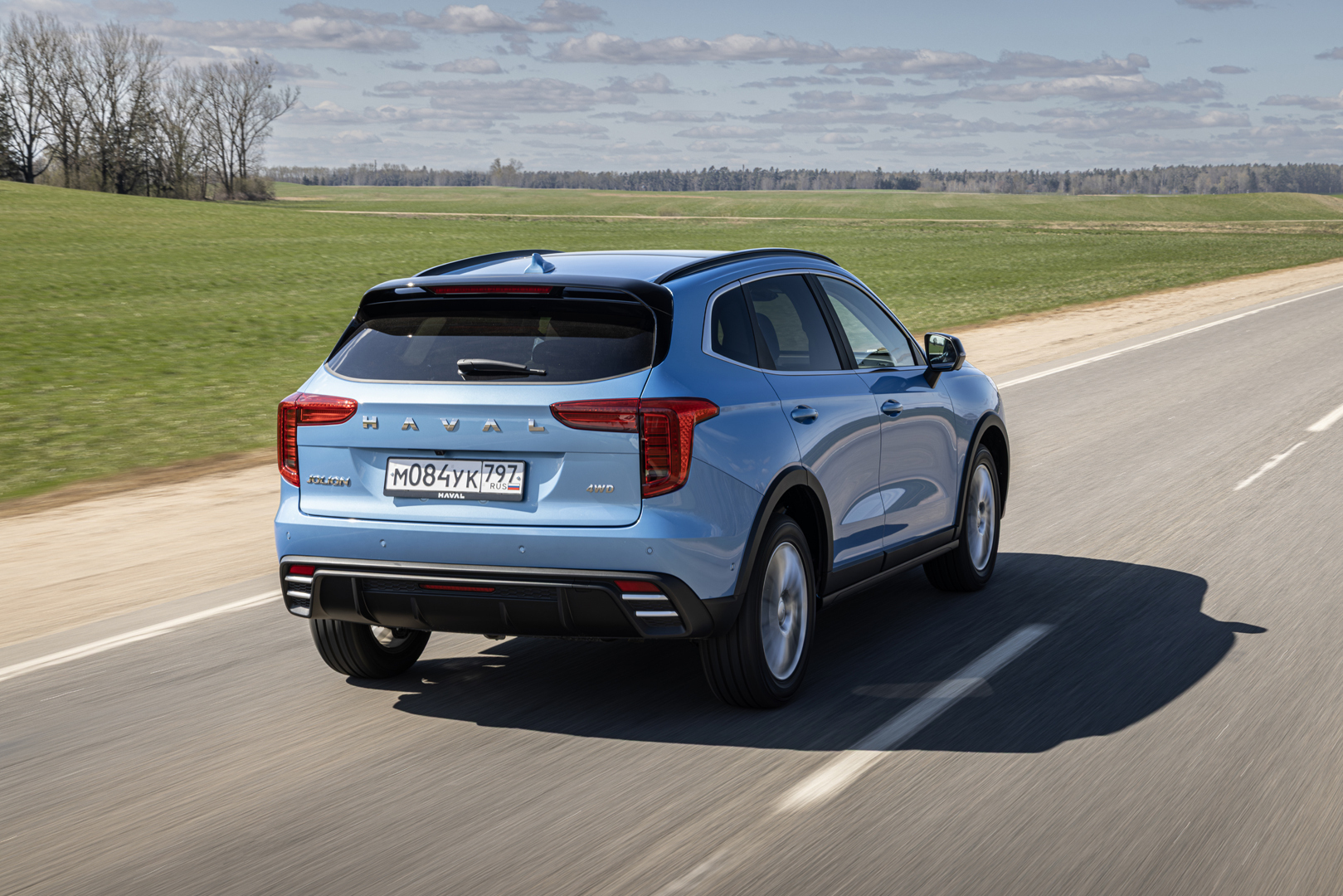 Haval Jolion
Haval 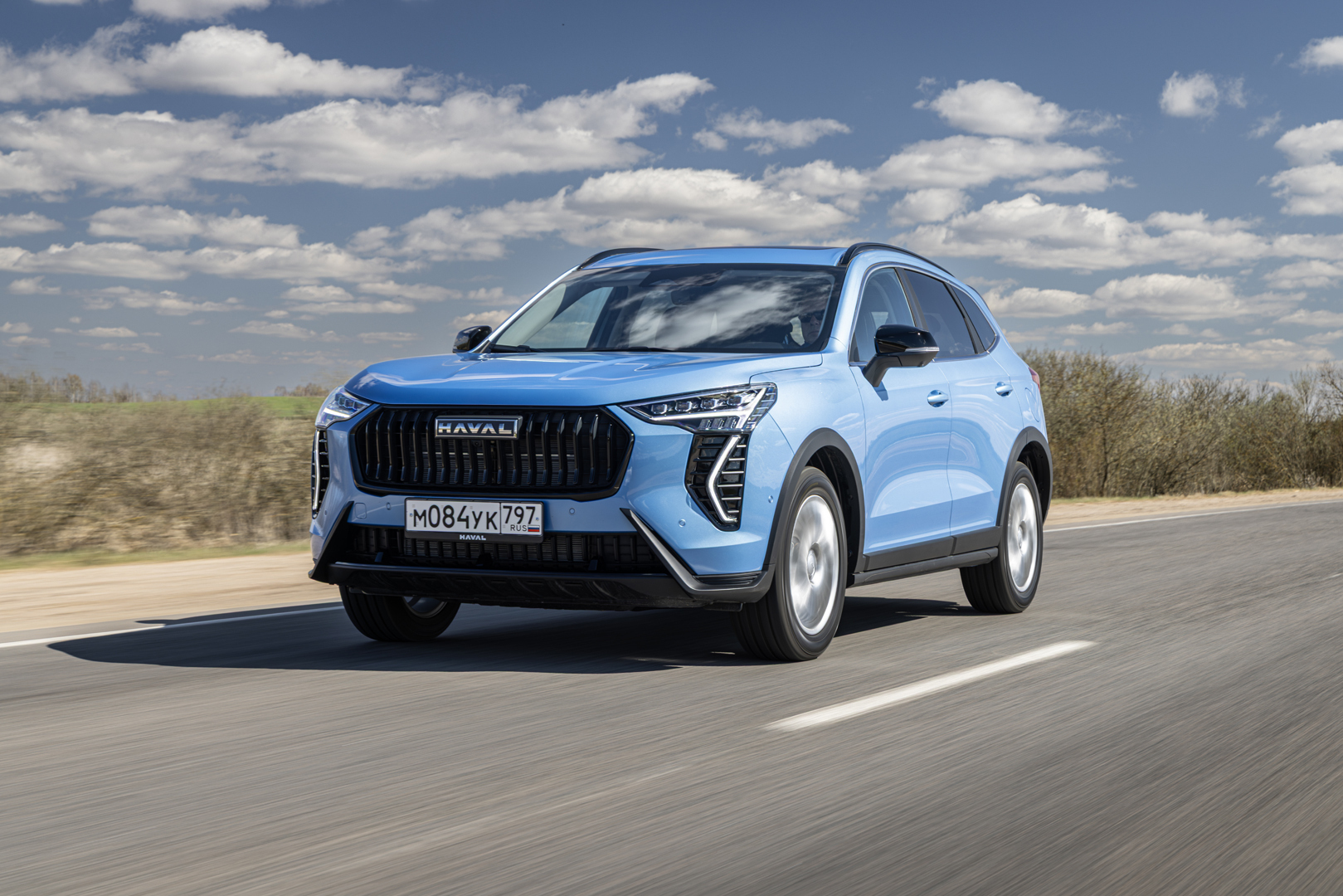 Haval Jolion
Haval
But when the asphalt gets bad, the budget nature comes out. In Belarus it is difficult to find completely broken regional roads, but there are still places where the all-seeing eye of the boss has not yet looked. On such a road, the suspension begins to suffer from small vibrations, which are transmitted to the steering wheel and seat. It doesn’t shake or pound, but there is a sense of budget. It is better to avoid large potholes or slow down: the suspension does not like sharp impacts, although it does not break through until the rebound.
 Haval Jolion
Haval 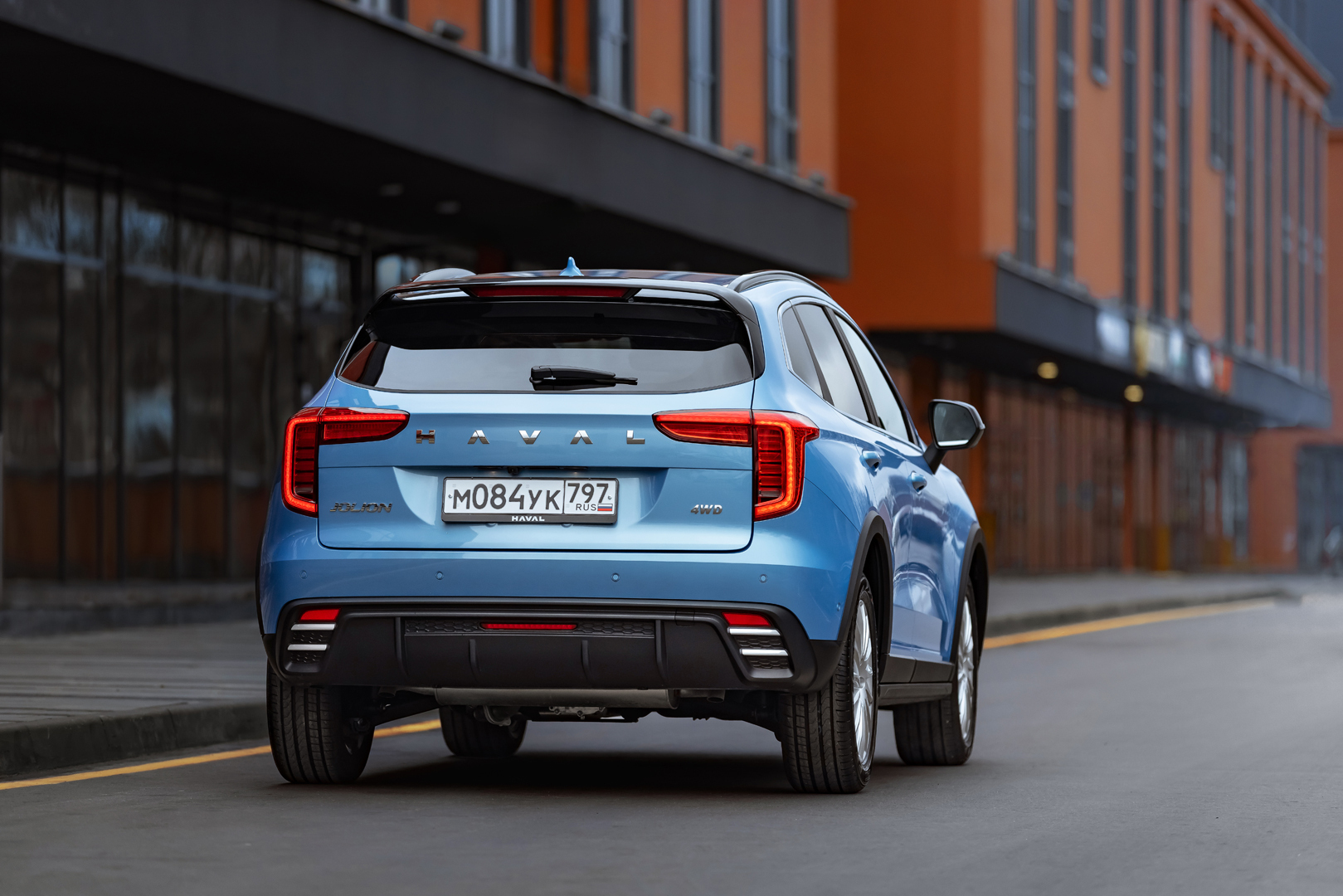 Haval Jolion
Haval 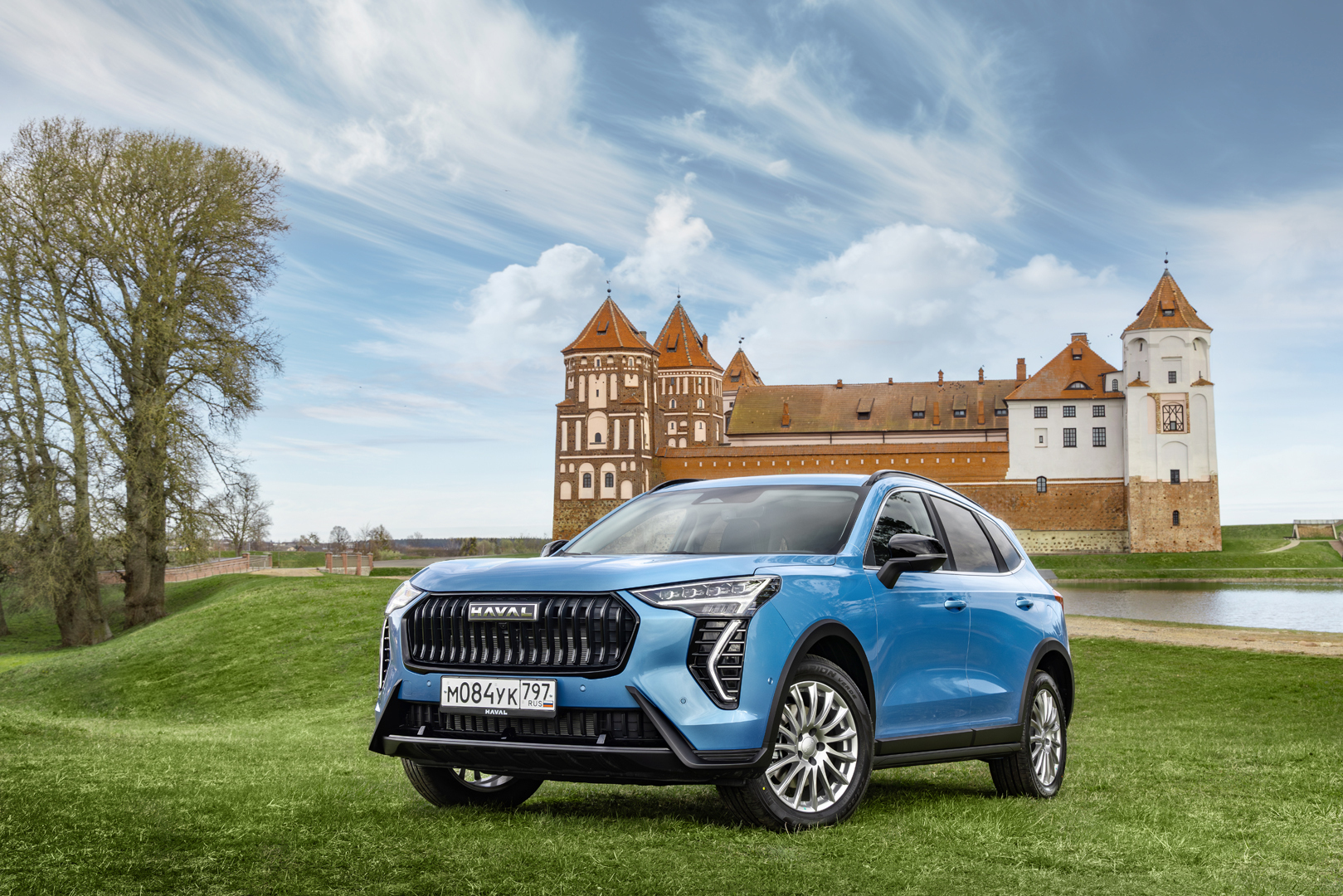 Haval Jolion
Haval 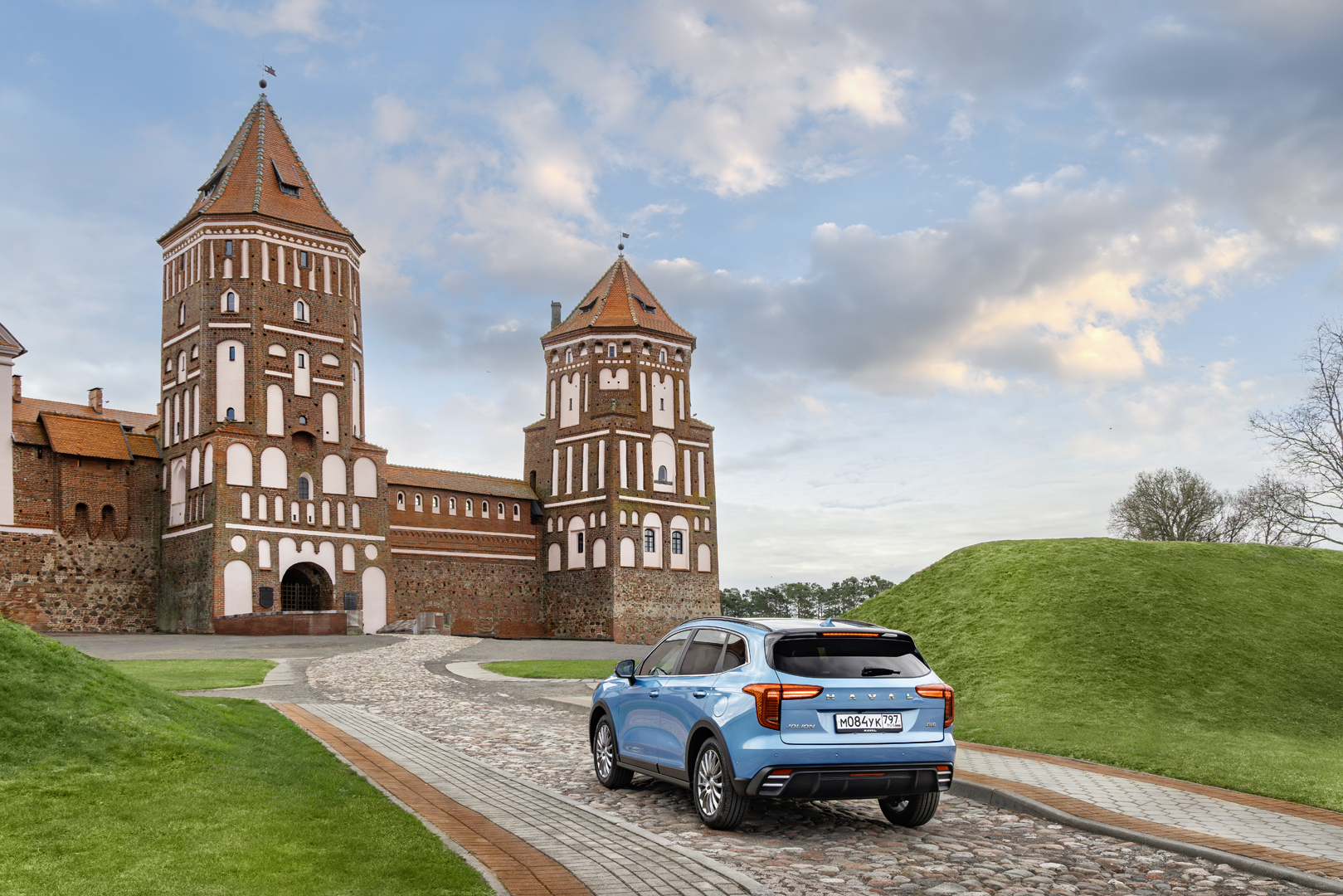 Haval Jolion
Haval 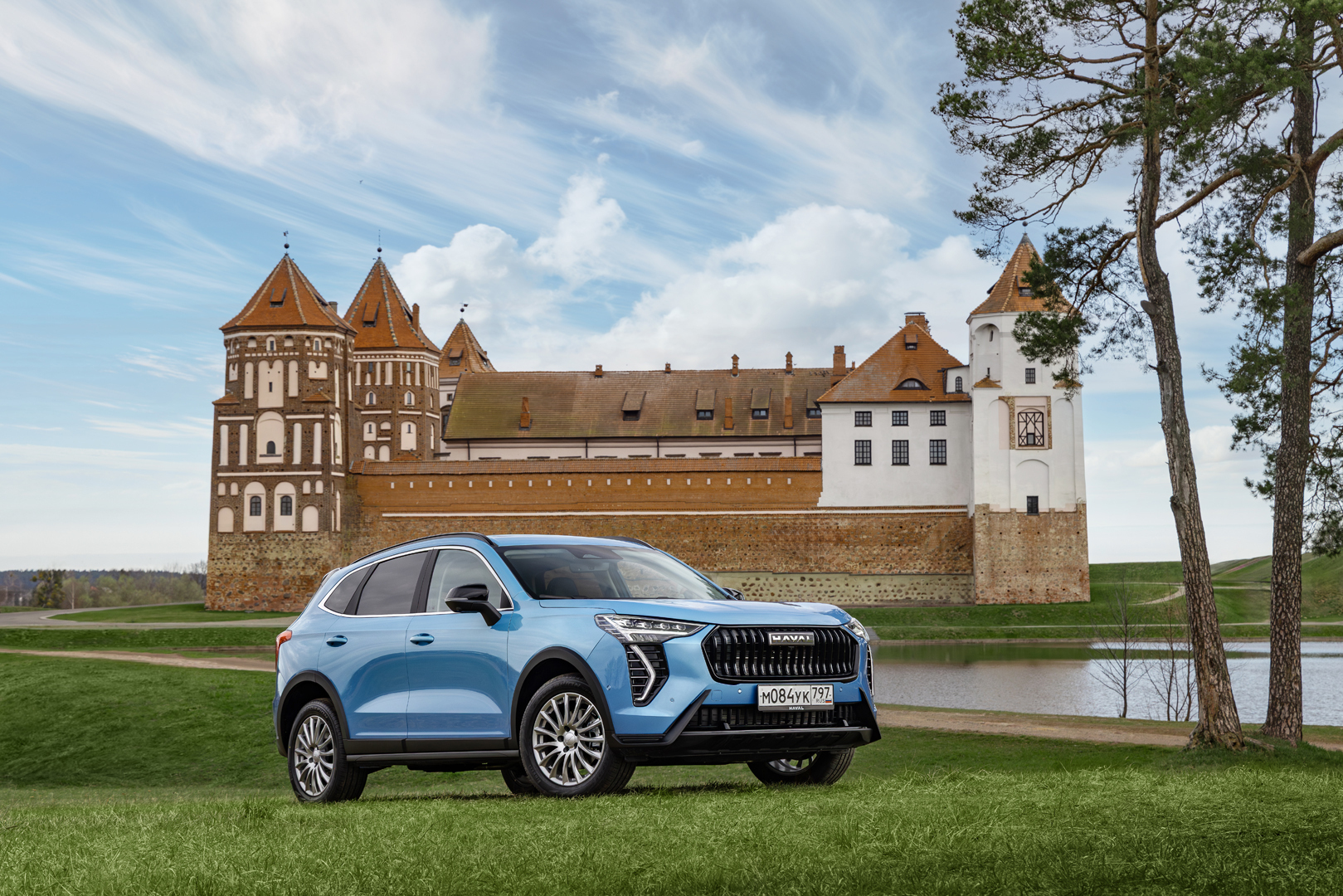 Haval Jolion
Haval 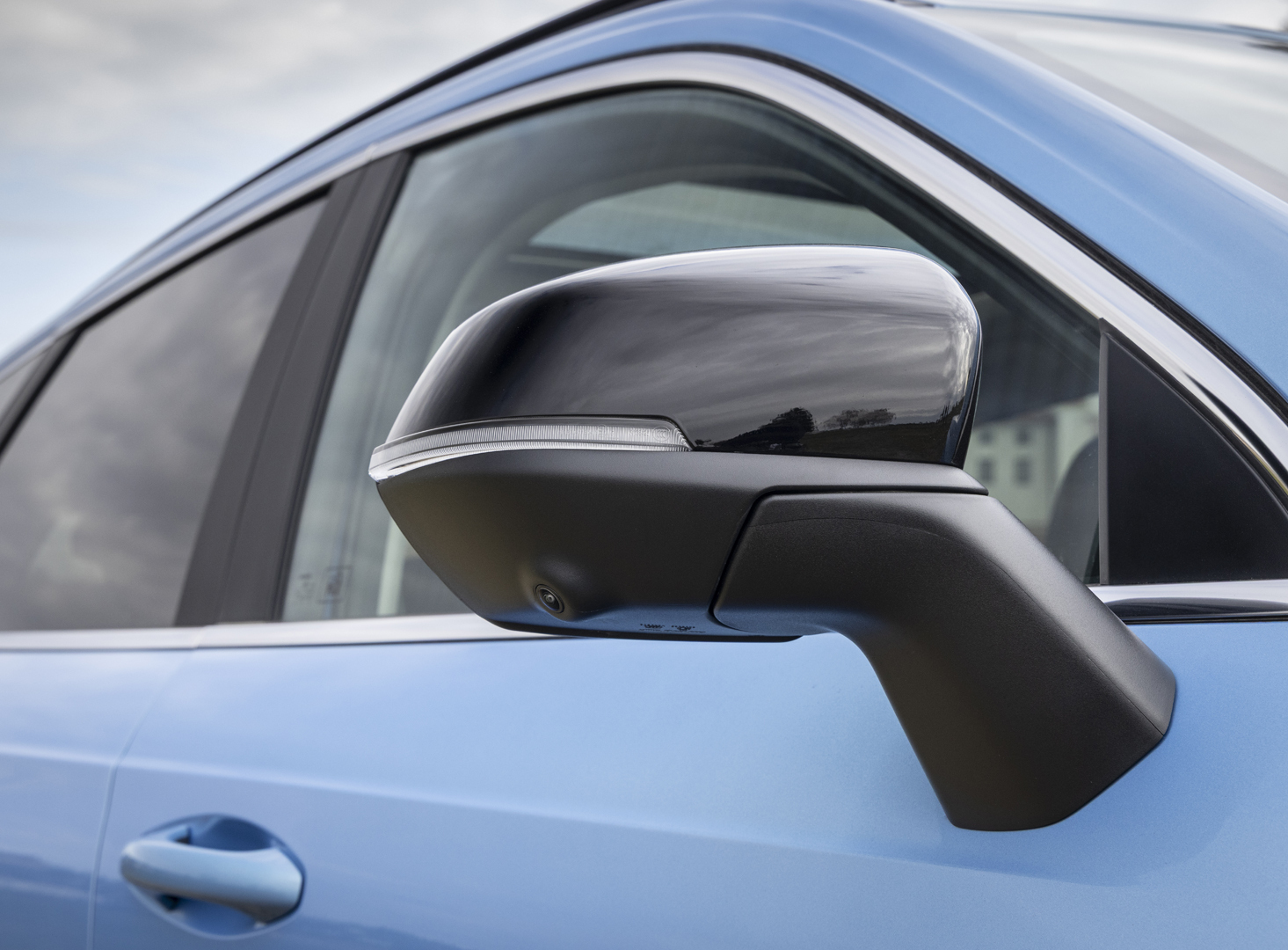 Haval Jolion
Haval 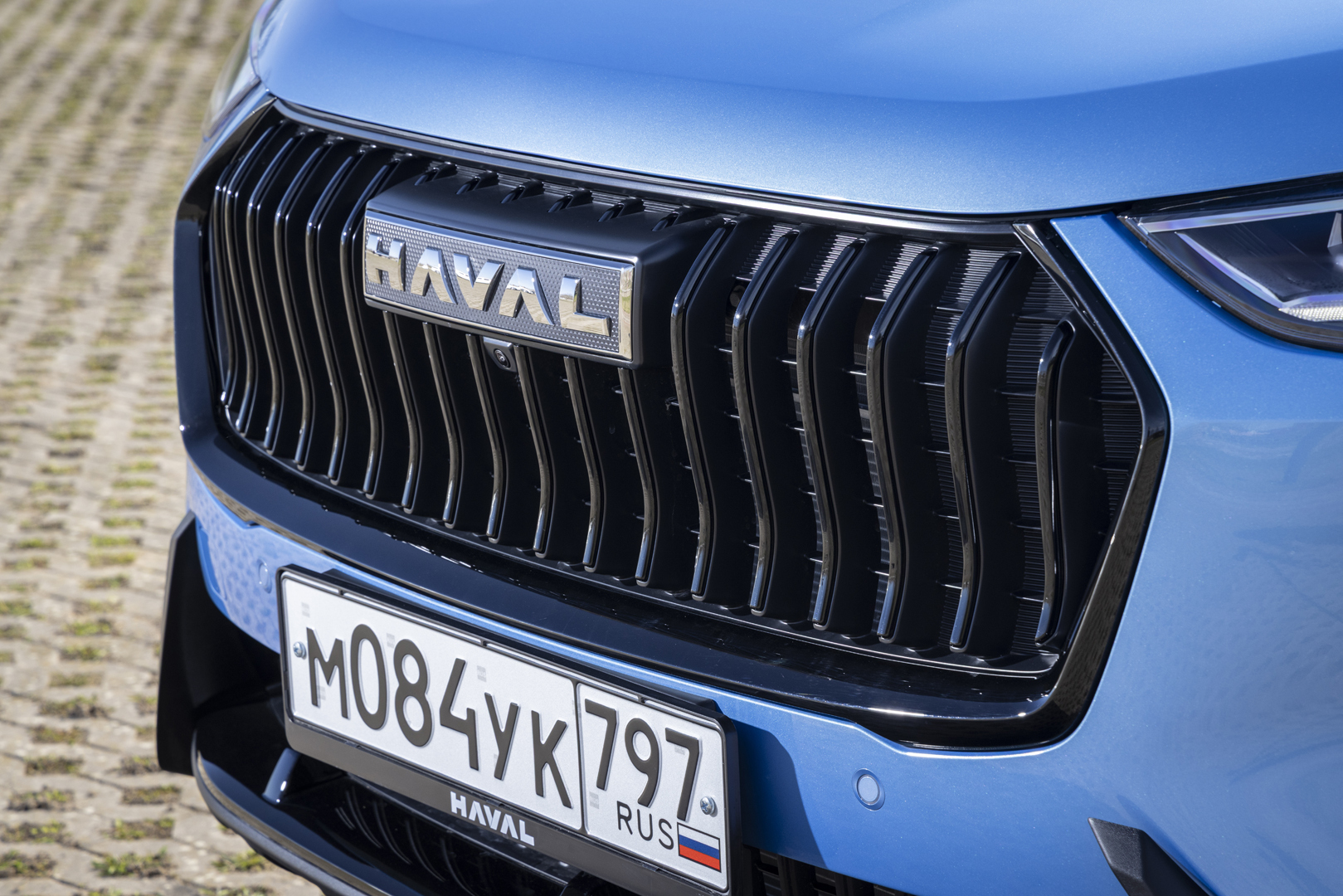 Haval Jolion
Haval 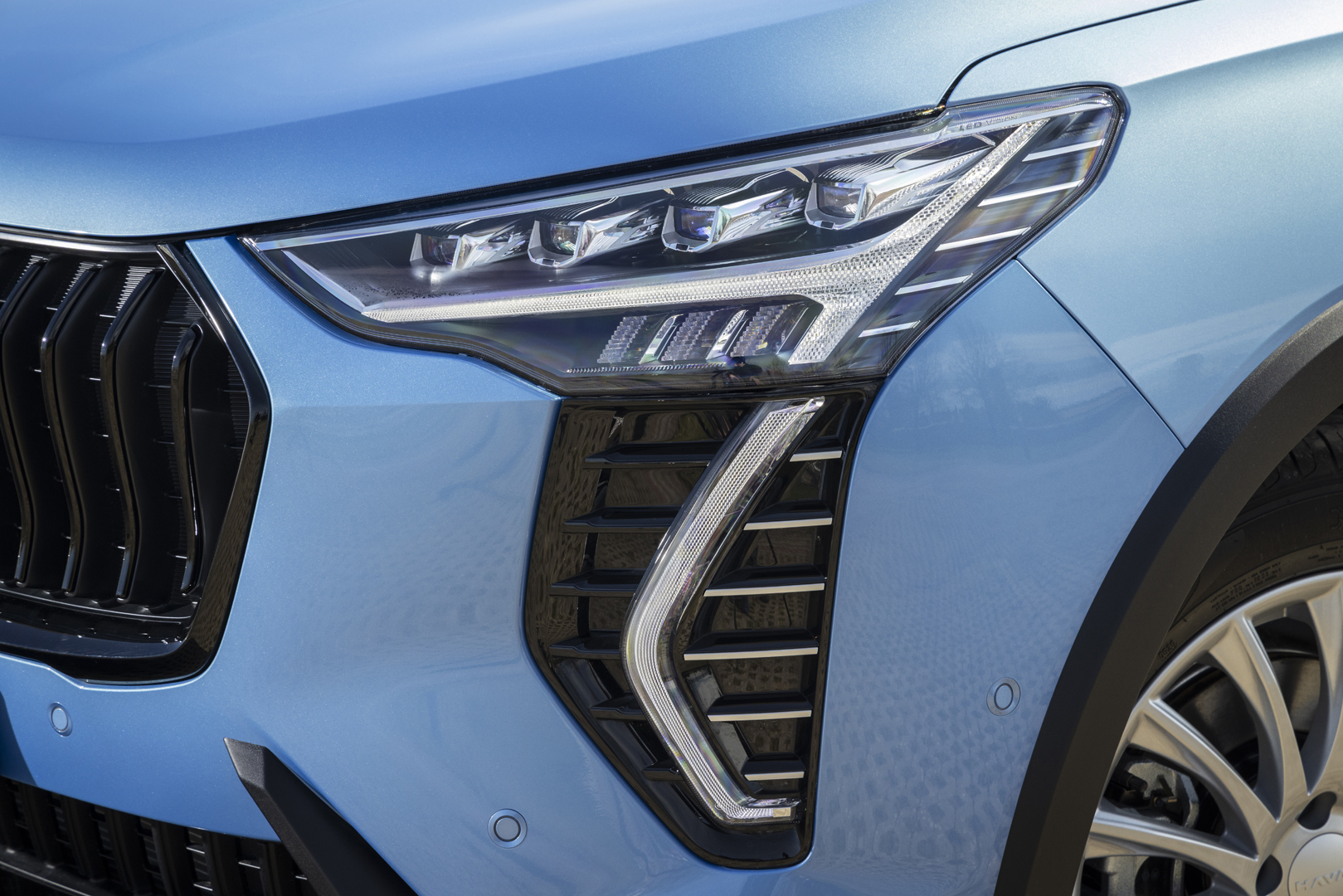 Haval Jolion
Haval  Haval Jolion
Haval 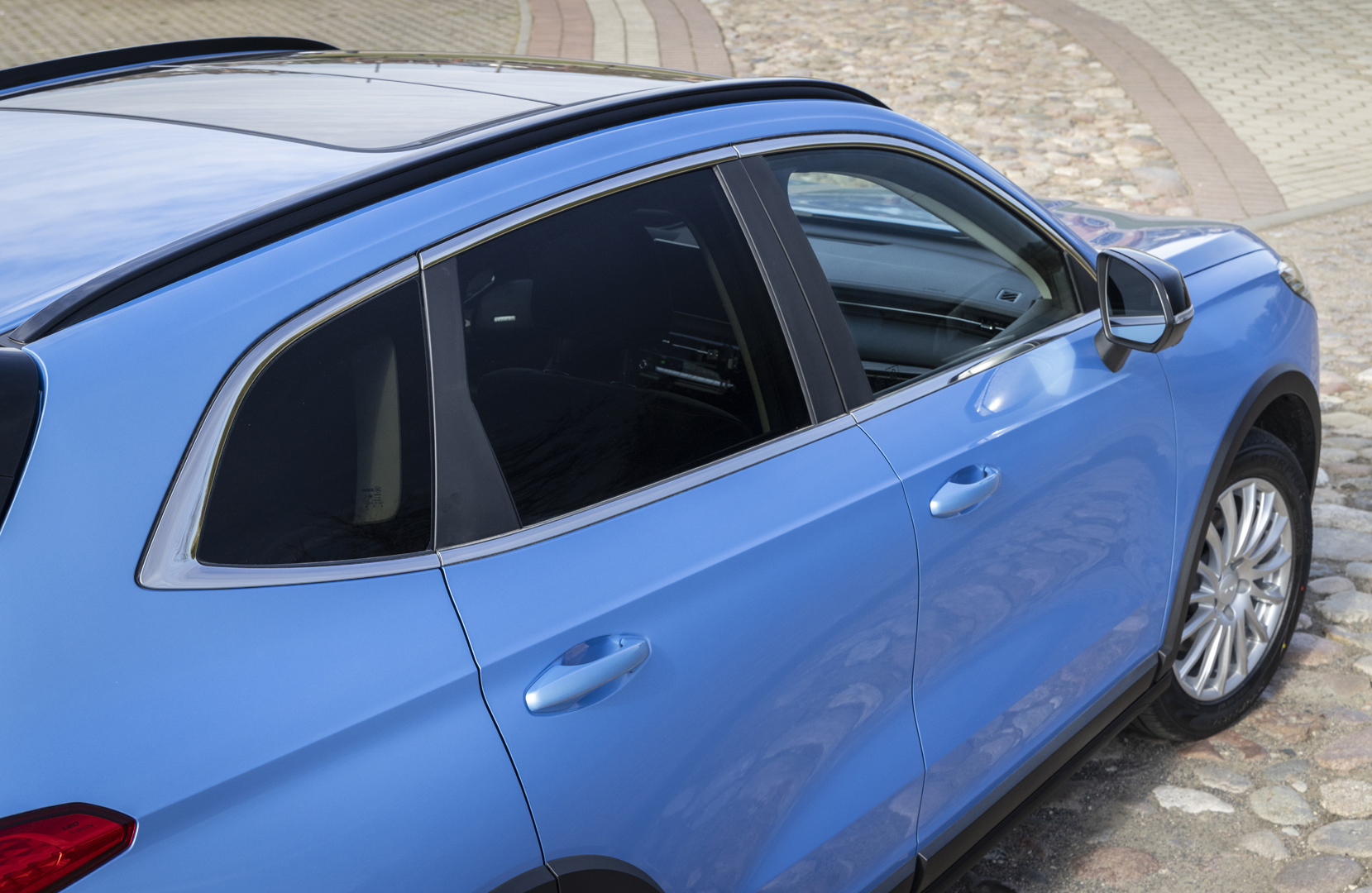 Haval Jolion
Haval  Haval Jolion
Haval 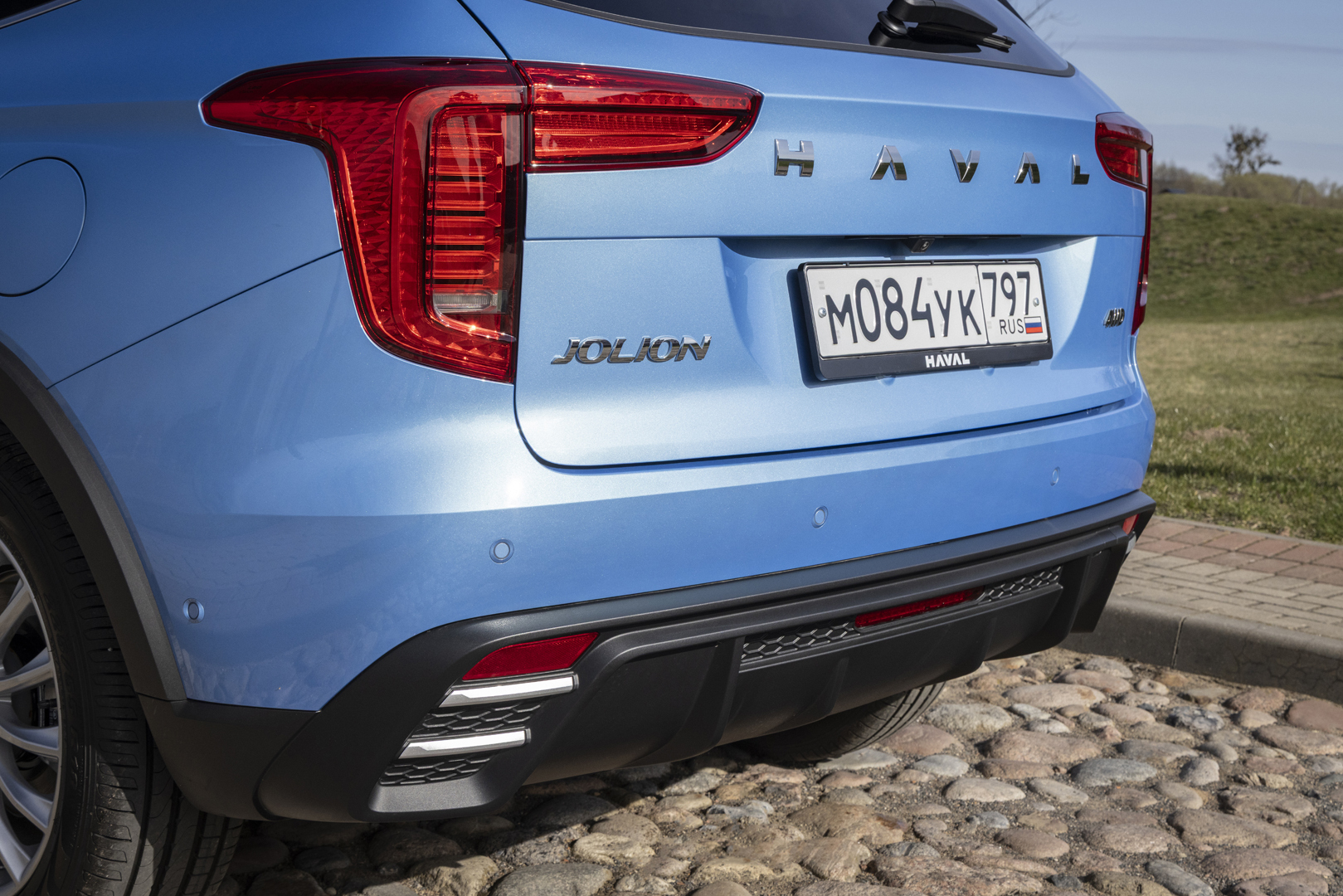 Haval Jolion
Haval
It’s the same story with sound insulation. Up to 80-90 km/h in the cabin is tolerable, you can talk in a low voice. But on the highway, over a hundred, aerodynamic noise appears in the area of the pillars and a persistent hum from the wheel arches. At a speed of 120 km/h you have to raise your voice to be heard by the passenger in the back seat. This is not a disaster – there are many of them in this class. Although competitors like Omoda C5, after improvements in noise insulation, look quieter compared to Jolion.
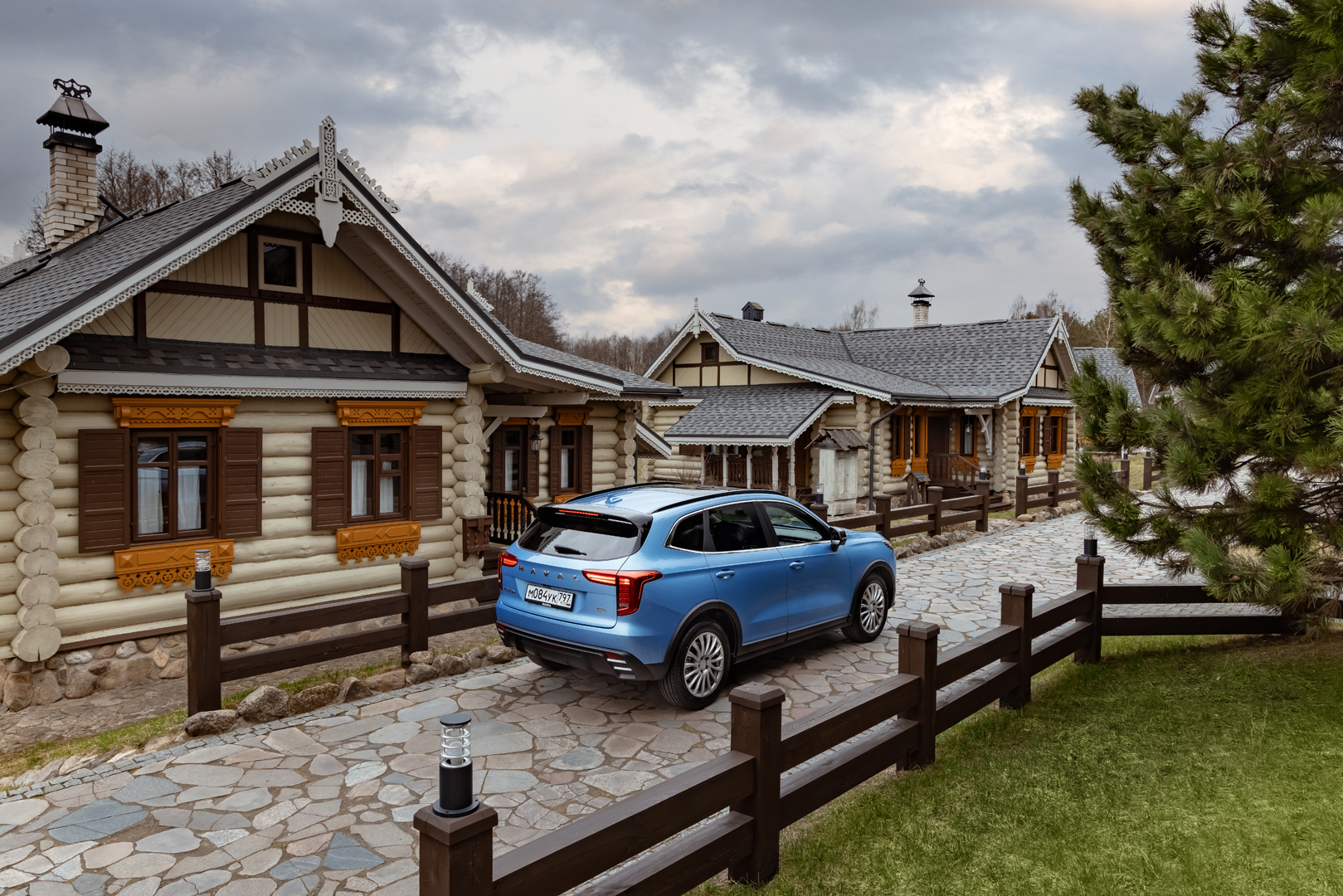 Haval Jolion
Haval
The new engine fires vigorously from the bottom up; to overtake on the highway, you don’t need to depress the pedal to the cutoff—two-thirds is enough, and the gearbox picks up the appropriate gear without a jerk. The electric power steering is light, but understandable. The effort increases predictably, the car obeys the steering wheel without rolls or surprises. Compared to some Chinese counterparts who are only trying to appear sporty, this honest regularity even looks like a virtue.
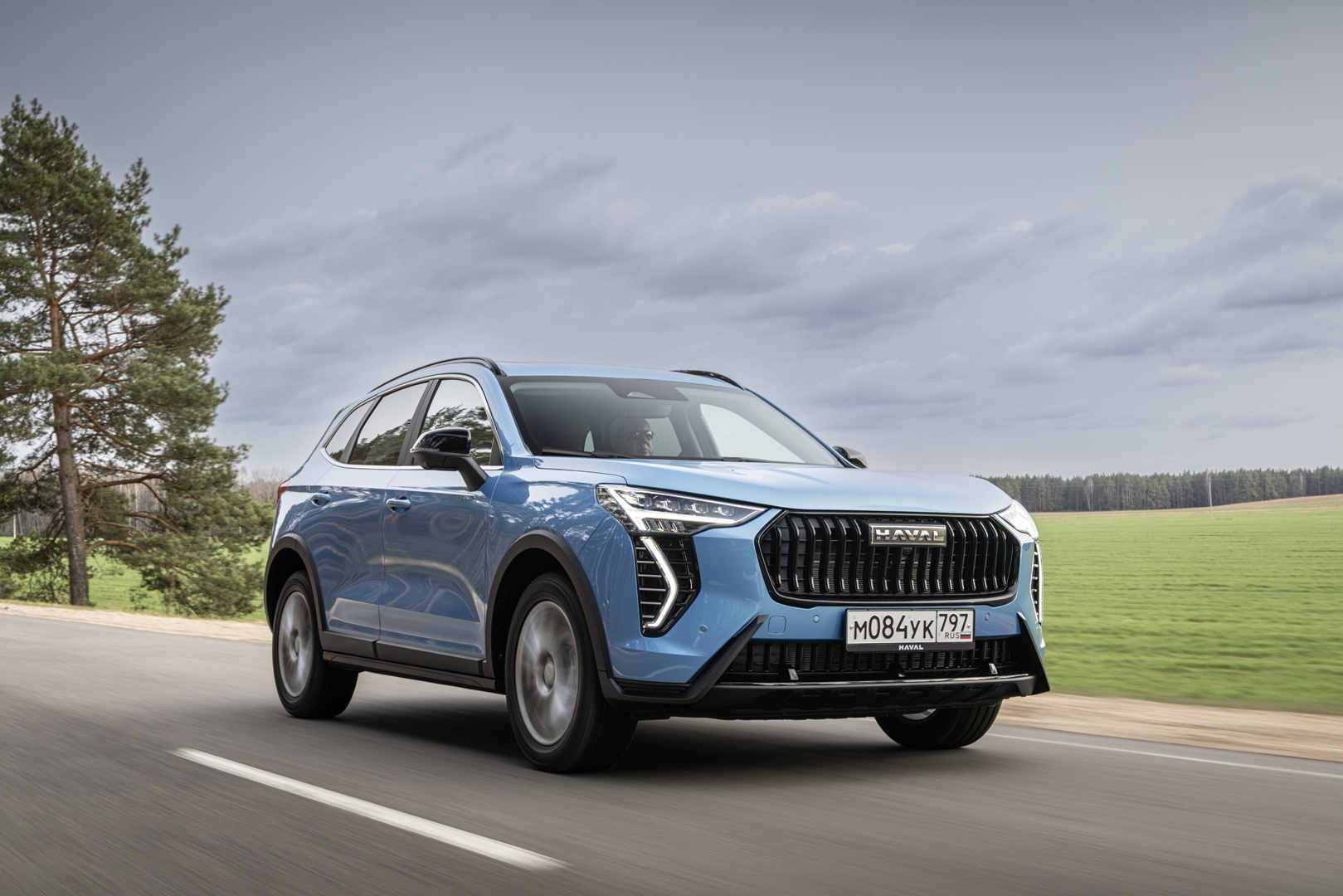 Haval Jolion
Haval 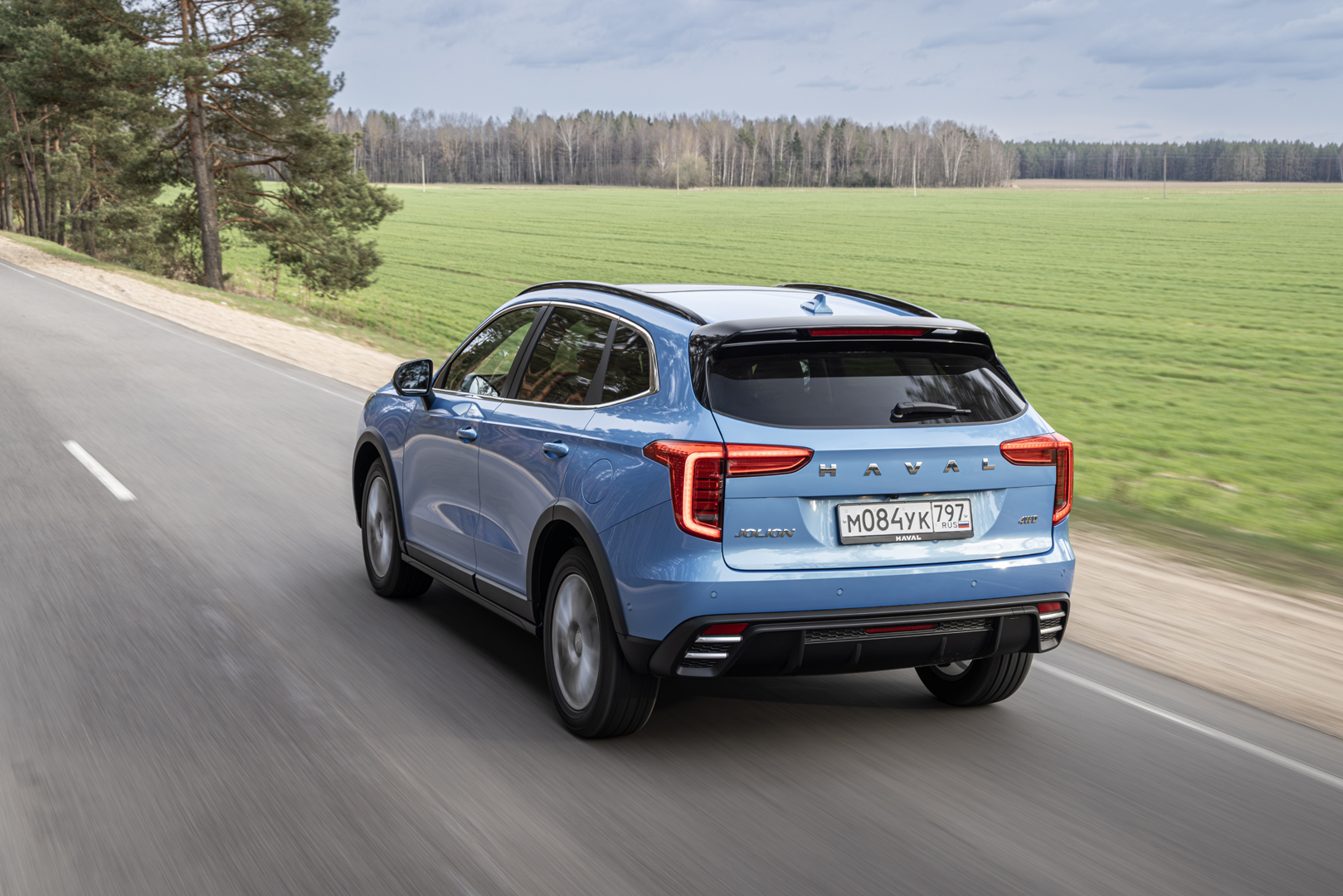 Haval Jolion
Haval
Resume
Let’s be honest: the suspension remains the same. Its character is comfortable, but not omnivorous. Large bumps require a reduction in speed. However, this is the norm for an urban crossover. But the electric trunk drive never appeared. For a car worth 2.9 million rubles, it’s in the top – strange. Competitors, including the Omoda C5, already have this option.
The entry version “Comfort” with mechanics for 2,049,000 rubles looks like a very affordable option. The “Techno+” version for 2.9 million is already serious money, but the equipment is almost premium: panorama, HUD, parking assistant, full electric assistants.
Jolion remains a bestseller for a reason. It offers what the mass buyer needs: a spacious interior, clear ergonomics, predictable dynamics, and now a more torquey engine in all-wheel drive versions. Without raving, it’s not a sports car, but this is exactly the kind of pragmatic workhorse that most of us need.