People called it a “chisel” because of that same predatory radiator lining that resembled a bird’s beak. Officially, the model was called “Sputnik”, and was exported as Lada Samara, but the point is not in the names. The main thing that made the VAZ-2108 unique among Soviet cars was its refusal to directly copy Western models and real work with Porsche engineers. And this gave the result that Motor magazine recalls.
Almost Spanish, but they decided otherwise
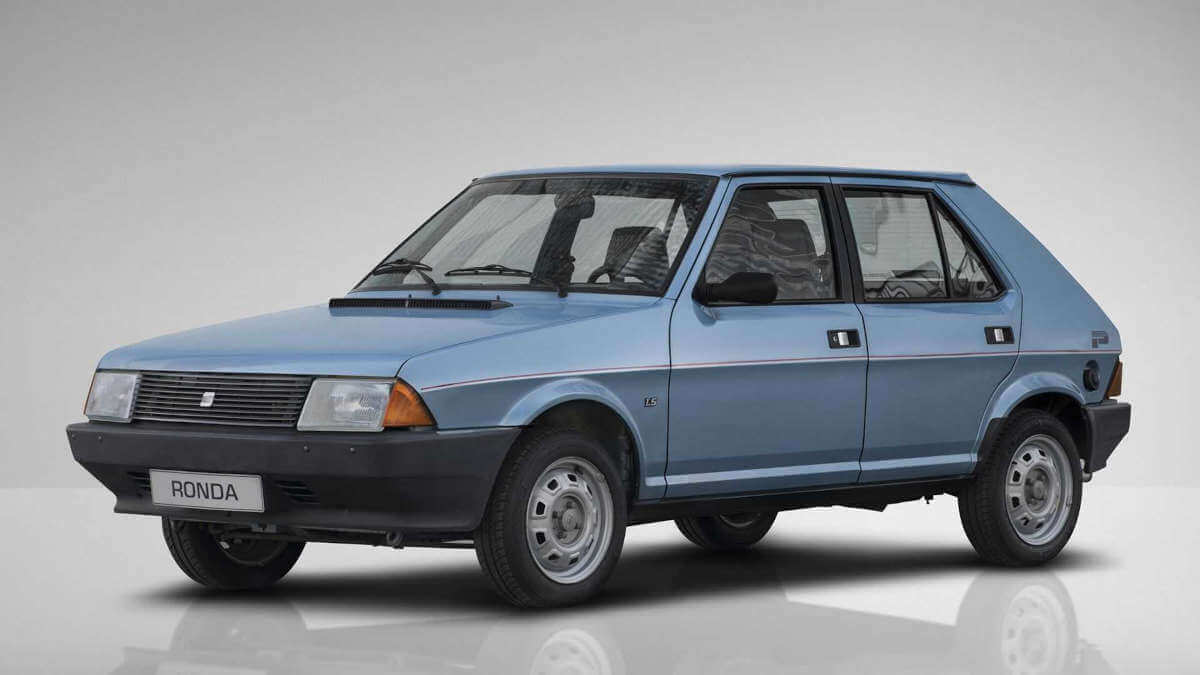
When VAZ conceived a front-wheel drive car, FIAT actively matched them with its Ritmo model as a donor – the same one on the basis of which the Spaniards made the SEAT Ronda. The idea was logical: the Italians had been cooperating with the Volzhsky Automobile Plant for a long time. However, they refused to copy. And, as time has shown, they were right.
SEAT Ronda
SEAT
Instead, Porsche’s engineering division was involved in the project. The Germans helped with the main components – from the engine to the brakes. The first prototype was assembled on December 31, 1979, and even then it looked almost like a production car. For the Soviet automobile industry, this is a rare hit accuracy.
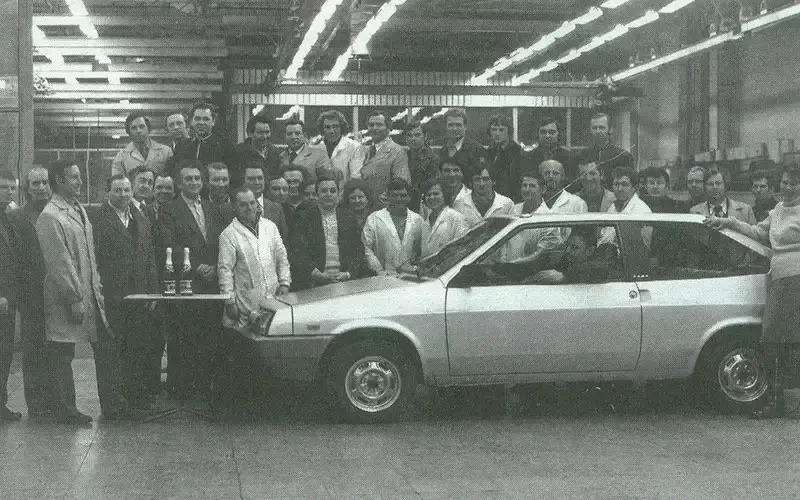 In 1979, the first prototype of the VAZ-2108 rolled off the production line.
Stock
Motors: no weak ones, but with one controversial one
The simplest version was equipped with a 1.1-liter engine producing 54 hp. (index 21 081). It was considered unsuccessful even during testing, but Avtoexport pushed the car to the West – however, the demand turned out to be scanty. It didn’t take long to make such a motor.
1600 cm³ engine for VAZ-2108 (VAZ-21084). This is a small-scale unit that was produced in the conditions of pilot industrial production (PIP) of AvtoVAZ from 1997 to 2003.
Stock
The base unit was a 1.3-liter unit with 65 hp. (76×71 mm). At that time, it was one of the leaders in the class, second only to the 68-horsepower Fiat Ritmo. But the real hit was the 70-horsepower 1.5-liter version (21,083). Over time, it became the most popular and migrated to the five-door 2109 and sedan 21,099.
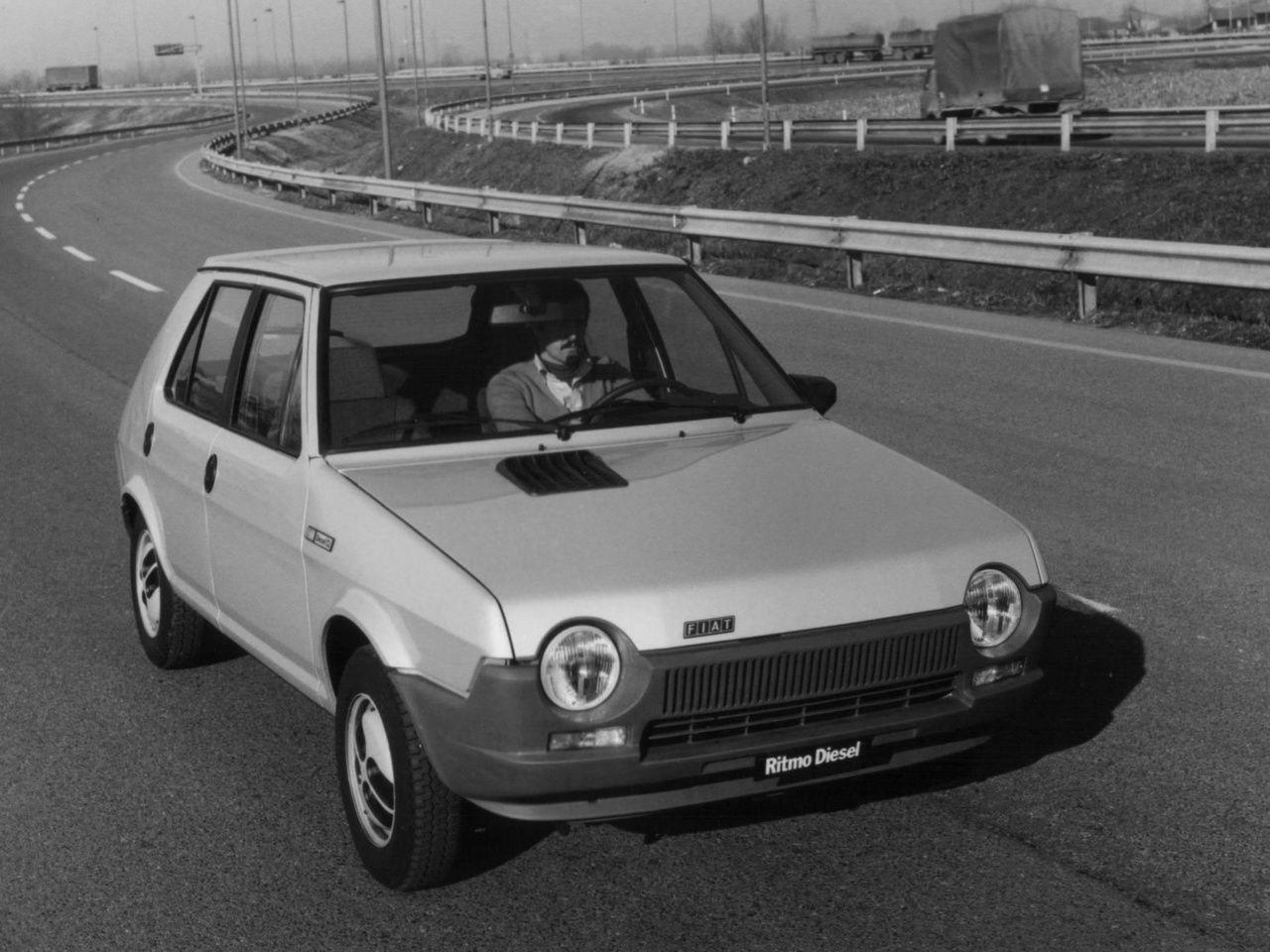 Fiat Ritmo
Fiat
Four-speed gearbox
The gearbox was also developed with Porsche and with the participation of ZF, which was responsible for the synchronizers. They wanted to unify the parts with the classic Zhiguli, but the layout got in the way: the transverse engine arrangement required compactness. Few people remember, but the first “eights” were content with four stages. A five-speed gearbox appeared later and was initially available as an option.
How did they get rid of the “beak” and who invented the “chisel”
The factory history is silent about the authorship of the signature “beak-shaped” radiator lining. But it was precisely because of it that the car in profile resembled a chisel – hence the popular nickname.
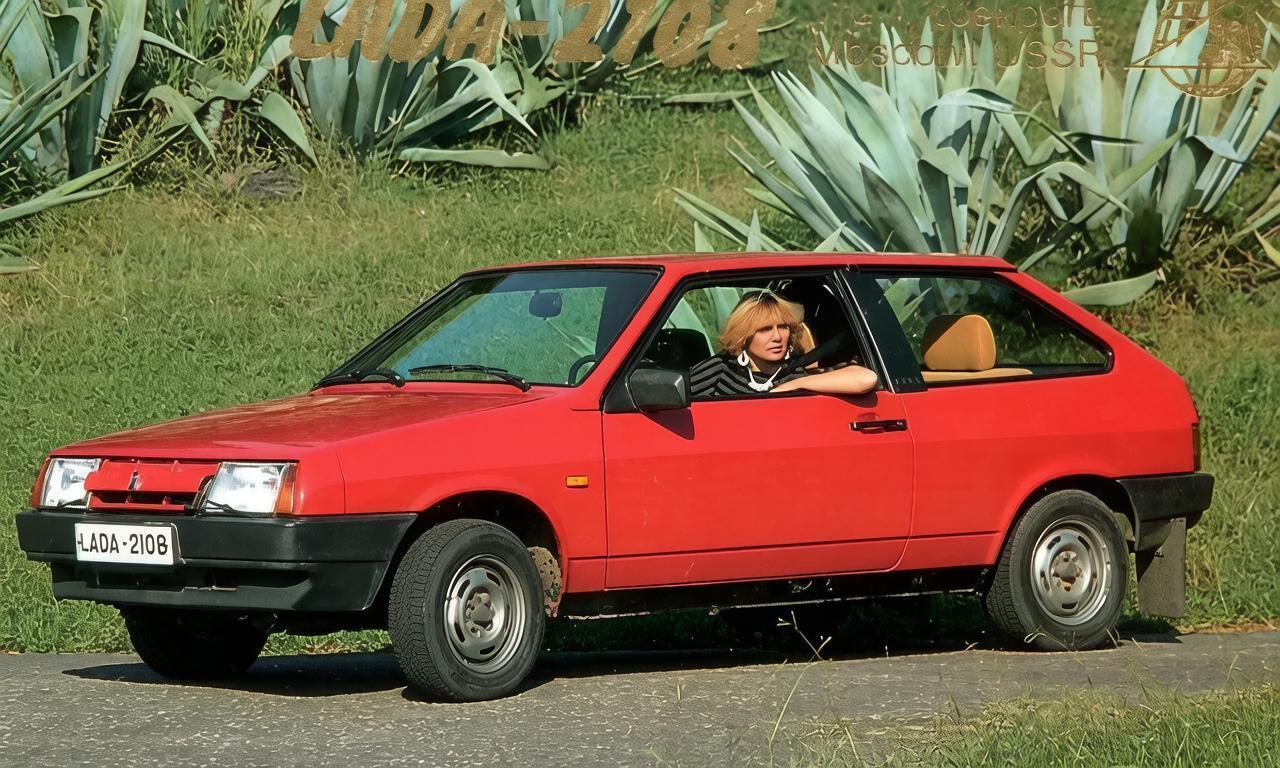 The serial version of the VAZ-2108 Sputnik in an advertisement for the car plant. This is the so-called “chisel” with a short wing.
VAZ
Western Lada dealers, as soon as they received the cars, first of all dismantled the strange “beak” and installed regular grilles. Soon the plant itself did the same. At the same time, the front wings were lengthened – a division into “short wing” and “long wing” appeared (the second was considered more prestigious). This was the first restyling of Samara.
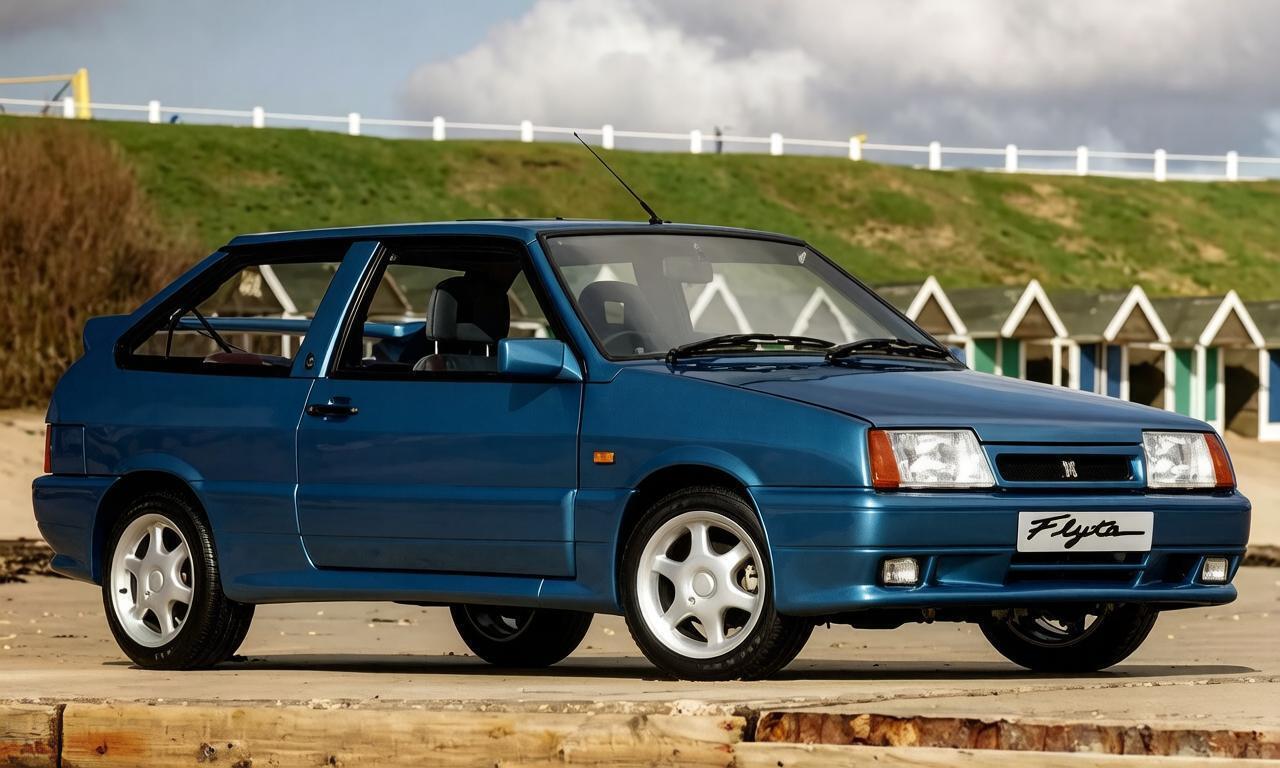 Lada Samara 1500 GL Flyte is a special export version of the Lada Samara (produced from 1984 to 2004). Depending on the market, the Flyte could include options such as a radio, power windows, central locking and an improved instrument panel. Flyte was intended for the markets of Western Europe, Australia, Canada and other countries. This model was not officially sold in Russia.
Stock
By the way, the official name “Sputnik” did not last long. It was quickly and quietly replaced with the internationally euphonious Samara.
Interior: low versus high panel
The first cars had a simple and logical dashboard. The interior of the early Eight was slightly reminiscent of SEAT. Later, a “high panel” appeared – more massive and more solid in appearance. But in reality, the new design almost immediately began to creak, rattle and squeak. Plus, the airflow on the side windows has gotten worse.
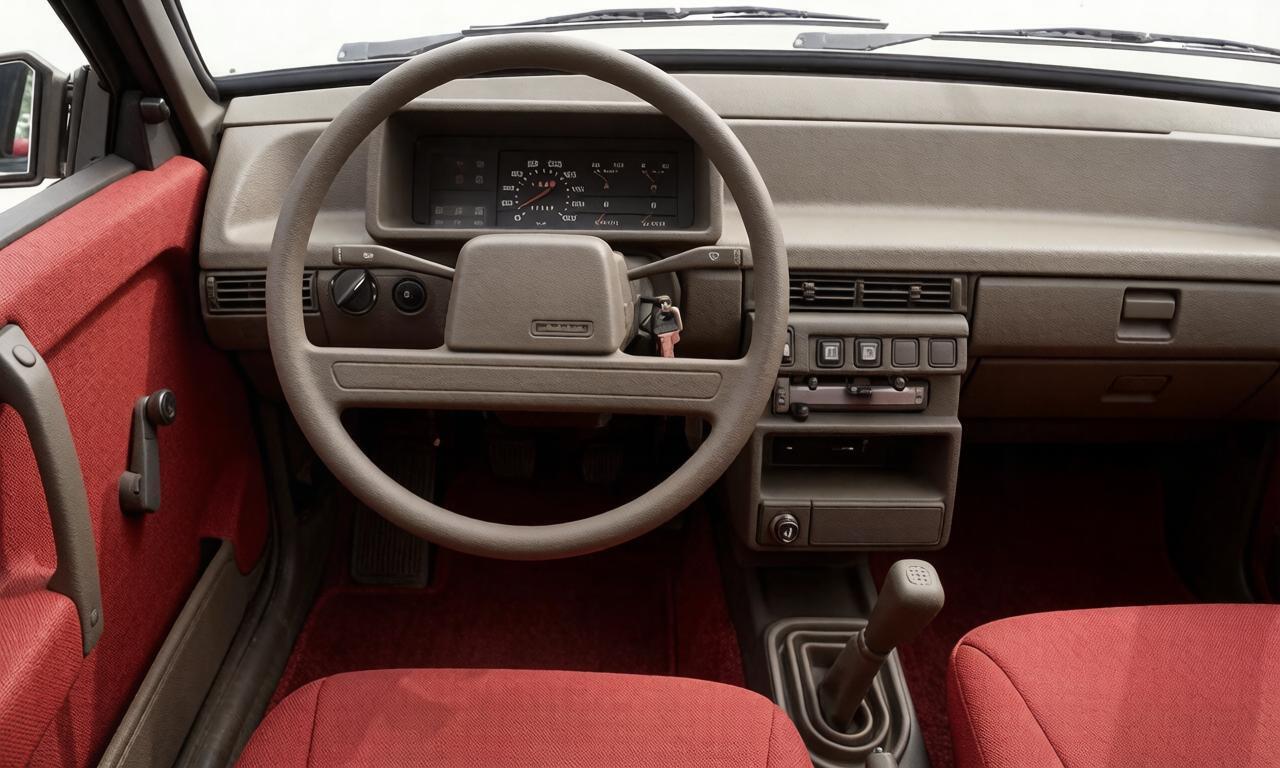 The first cars received a “low” panel. Later, fans of the model were divided into fans of high and low consoles.
Motor
Craftsmen stamped gaskets and struggled with noise. And the “low panel” was remembered with nostalgia until the next restyling – the release of the Samara-2 family.
Champion of convertibles among Soviet cars
In terms of the number of open-top versions, the Eight is the absolute record holder. There were about a dozen of them in total. Some were made individually (for example, the Czech Bohemia). Others sold in quite serious quantities.
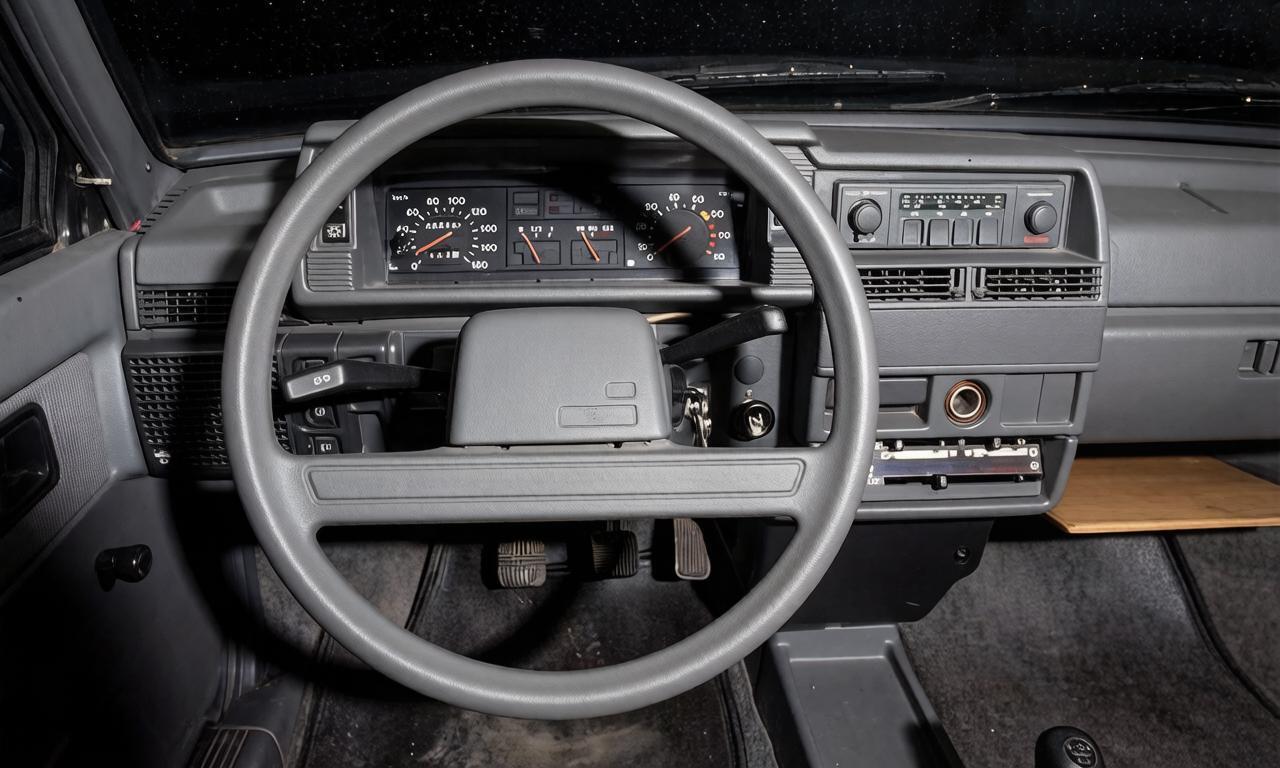 And this is a VAZ 2108 with a high panel.
Motor
In 1990, a San Remo convertible was built for a major dealer Scaldia-Volga in Belgium. The body was drawn by Tolyatti designer Vladimir Yartsev. Under the name Lada Natacha, 456 copies were collected from 1990 to 1996.
Even more – about 600 Lada Samara Fun cars – were produced by the German company Deutsche Lada. They retained the front part of the roof, and the awning was mounted on a plastic panel on top of the body. During perestroika, desperate fans brought such specimens to Russia.
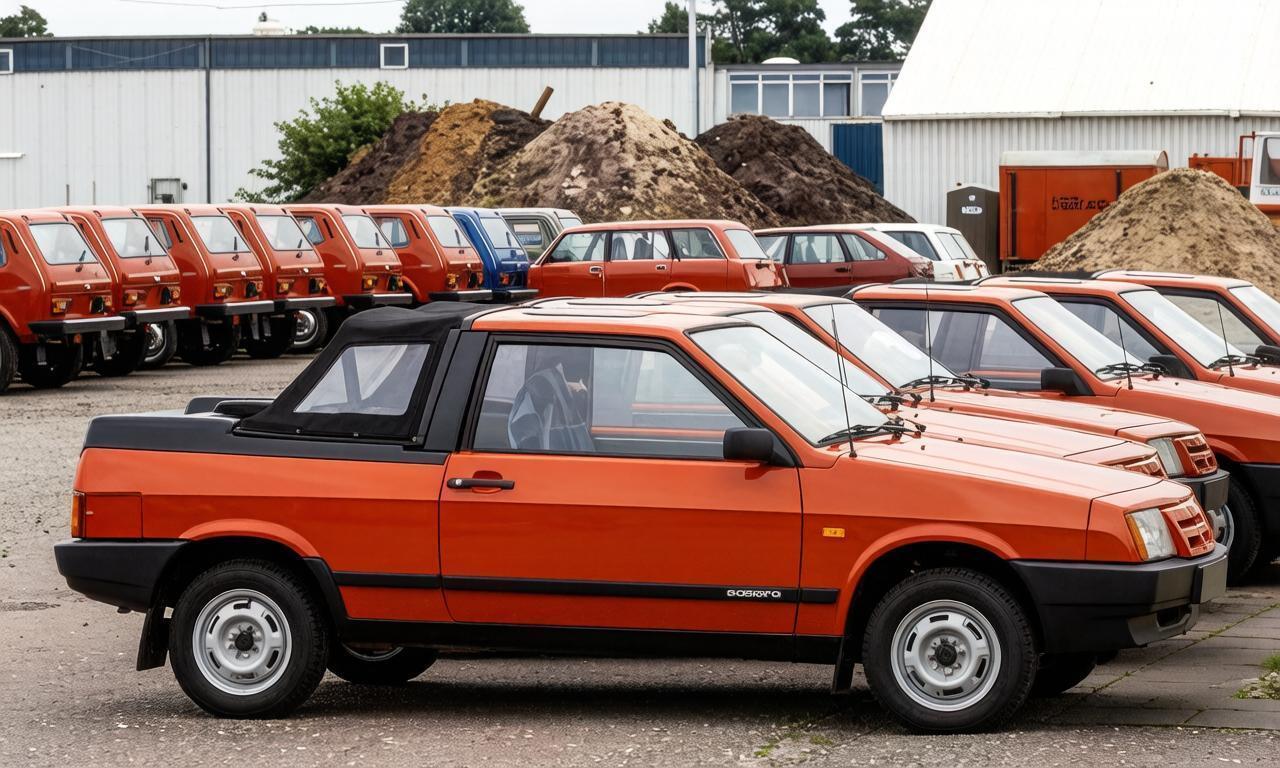 Lada Samara Fun is a convertible based on the three-door hatchback VAZ-2108, produced by the German dealership Deutsche Lada in the 90s. The rear part of the roof along with the pillars was cut off, the body was strengthened. A canvas roof-awning was installed in the rear; instead of a trunk, a plastic box (“trough”) was mounted, which served both as a trunk and as a niche for the convertible top. There was a large transparent hatch in the front.
VAZ 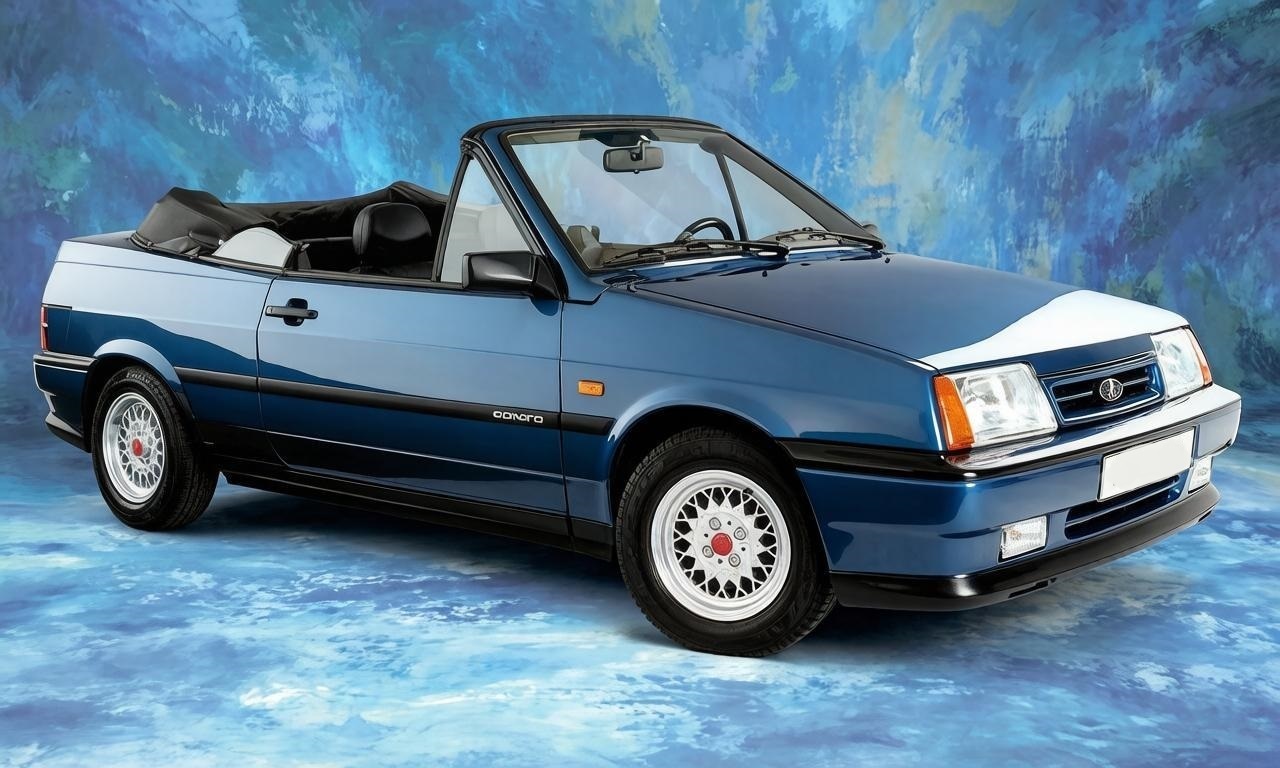 Export version of the Belgian-made Lada Natacha.
VAZ
And we, according to the sketches of designer Vladislav Pashko, made a prototype with a targa body – with a removable middle part of the roof. But things didn’t go beyond one or two experienced people.
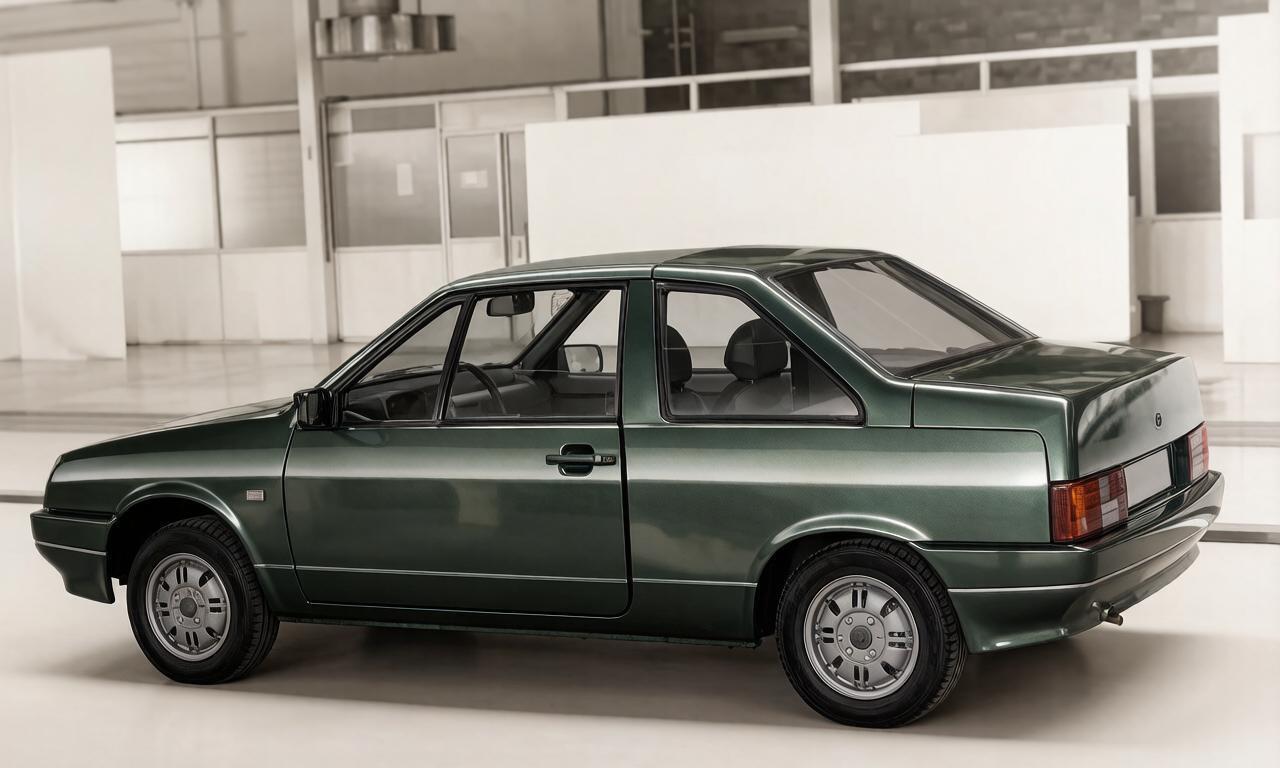 The VAZ-2108 prototype with a Targa body remained an experimental model, assembled in 1988 at the style center of the Volzhsky Automobile Plant. The main difference from the production car was the roll bar and removable central roof panels made of hard material. Behind the safety bar there was a smaller trunk compared to the serial version. The design of the doorways was changed, and a stiffening pillar appeared. The side windows began to consist of two parts. The interior has a powerful central partition on the roof, and the rear row of seats has become shorter.
Motor
Sport and madness: 300 horsepower and a Porsche engine in the back
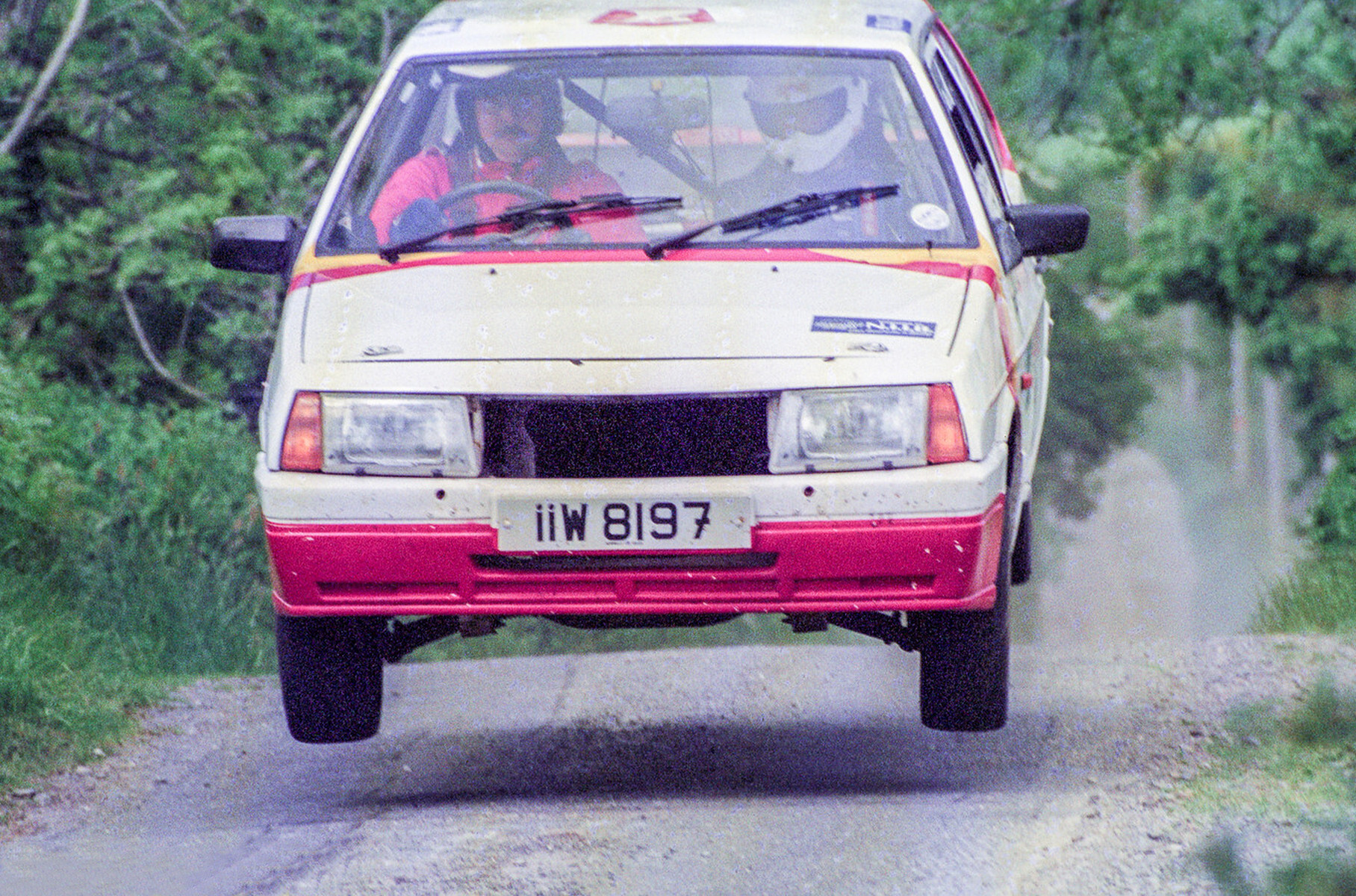
The Eight became the main Soviet rally car. The plant and private owners built many souped-up versions. But the wildest specimens were born in Lithuania and France.
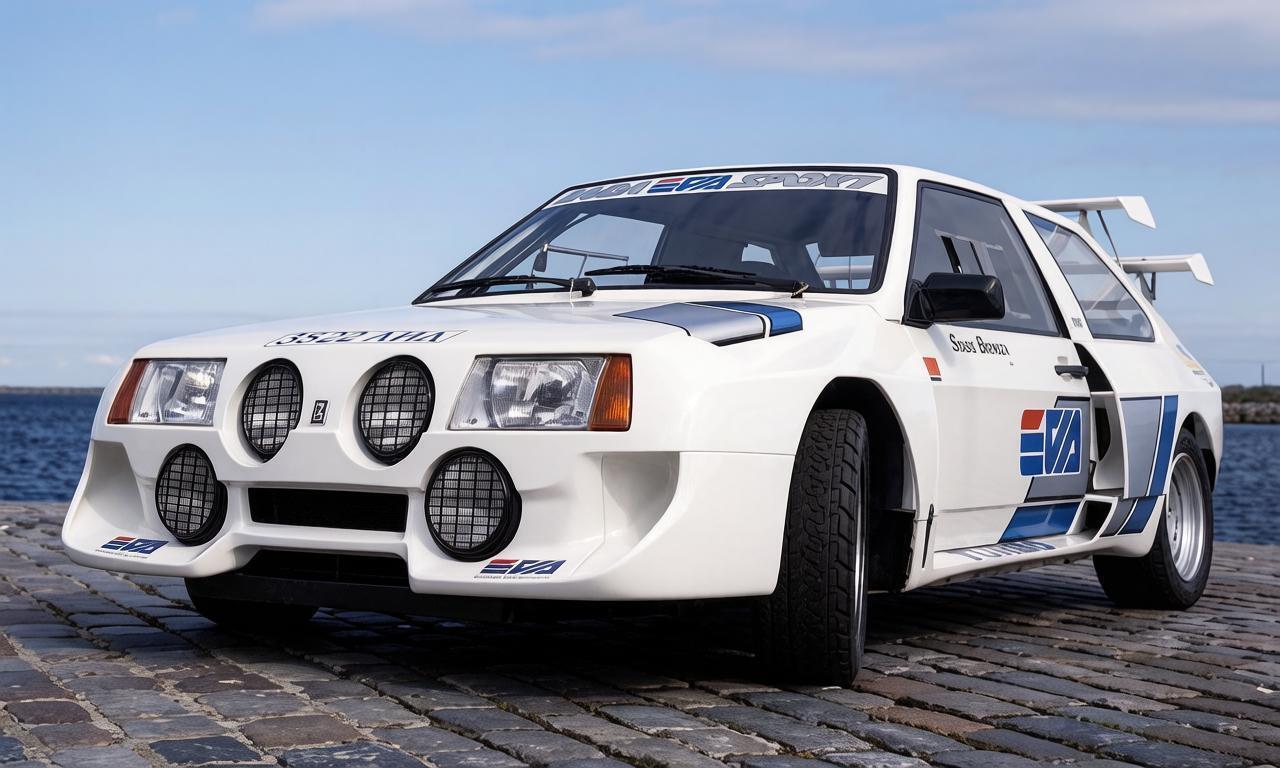 Lada EVA is an experimental rally car created in the mid-1980s in Vilnius. The name stands for “Experimental Vilnius Car”. The project was initiated by engineer Stasys Brundza and implemented with the participation of the Vilnius Vehicle Plant (VFTS) and the NAMI Institute.
Stock
The Vilnius Vehicle Factory (VFTS), under the leadership of the legendary racer Stasys Brundza, made the Lada Eva. Only some external details remained from the G8. Spatial frame, 1.9 liter engine (block from 2106) produced 300 hp. and spun the rear wheels. The engine was in the base behind the seats.
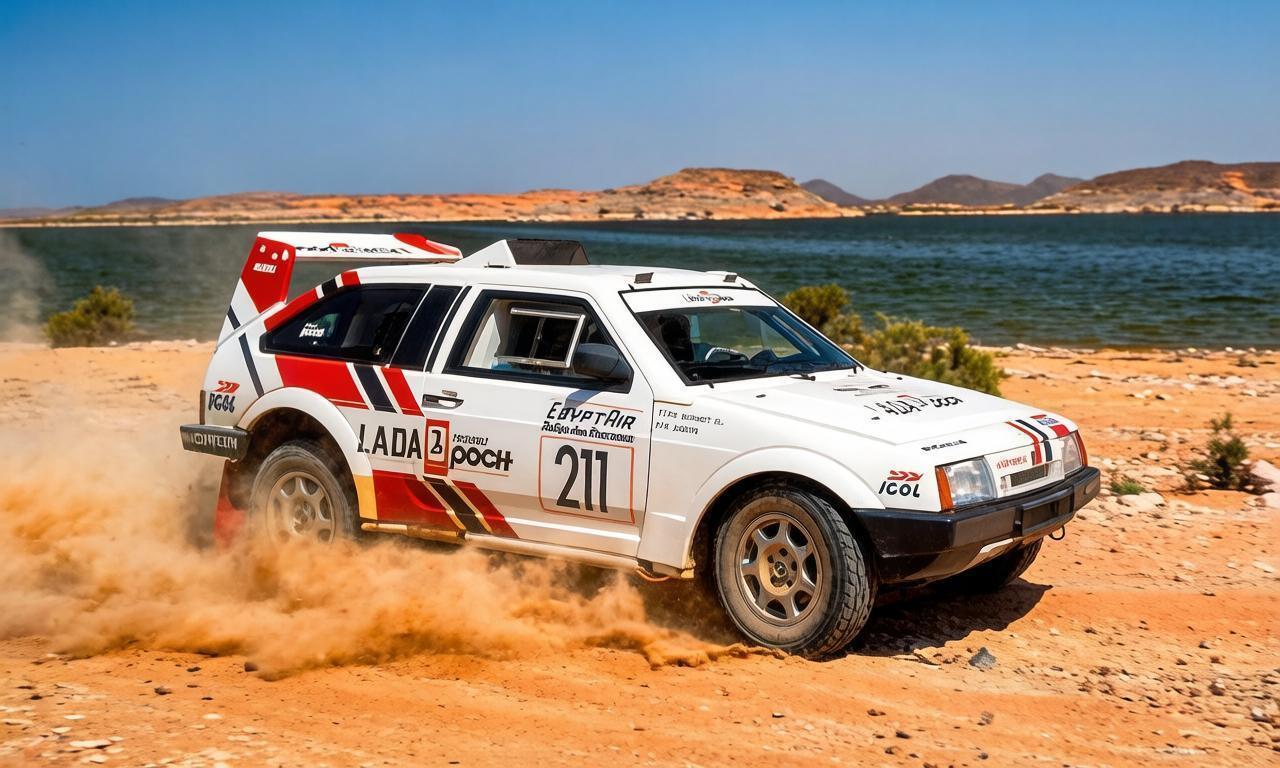 The Lada Samara T3 rally prototype was created by Jacques Pocq, a major importer of Soviet cars in France, and his son Jean-Jacques Pocq, who led the racing team. The debut took place at the Paris-Dakar rally raid in 1990. That year, the cars took second, third and fourth places at the Tunis Rally. After the ban of the T3 group by the FIA, Lada Samara T3 cars lost the opportunity to compete in world rally raids. Some copies have survived to this day, for example, one is in the museum “Park Complex of the History of Technology named after K. G. Sakharov.”
Motor
The French from the Poch company (they successfully sold our cars) built the Lada Samara T3. Externally – “eight”, but inside there is all-wheel drive and a 3.6-liter boxer Porsche engine. Maximum speed is 220 km/h. In 1990-1993, these monsters performed in African rallies and looked decent. Lad’s reputation in the West only benefited from such madness.
This is how, without copying, with the help of German engineers and a pinch of madness from athletes, we got a car that was really cooler than many foreign competitors. Even if many remember it only by its plastic interior and “beak”.